
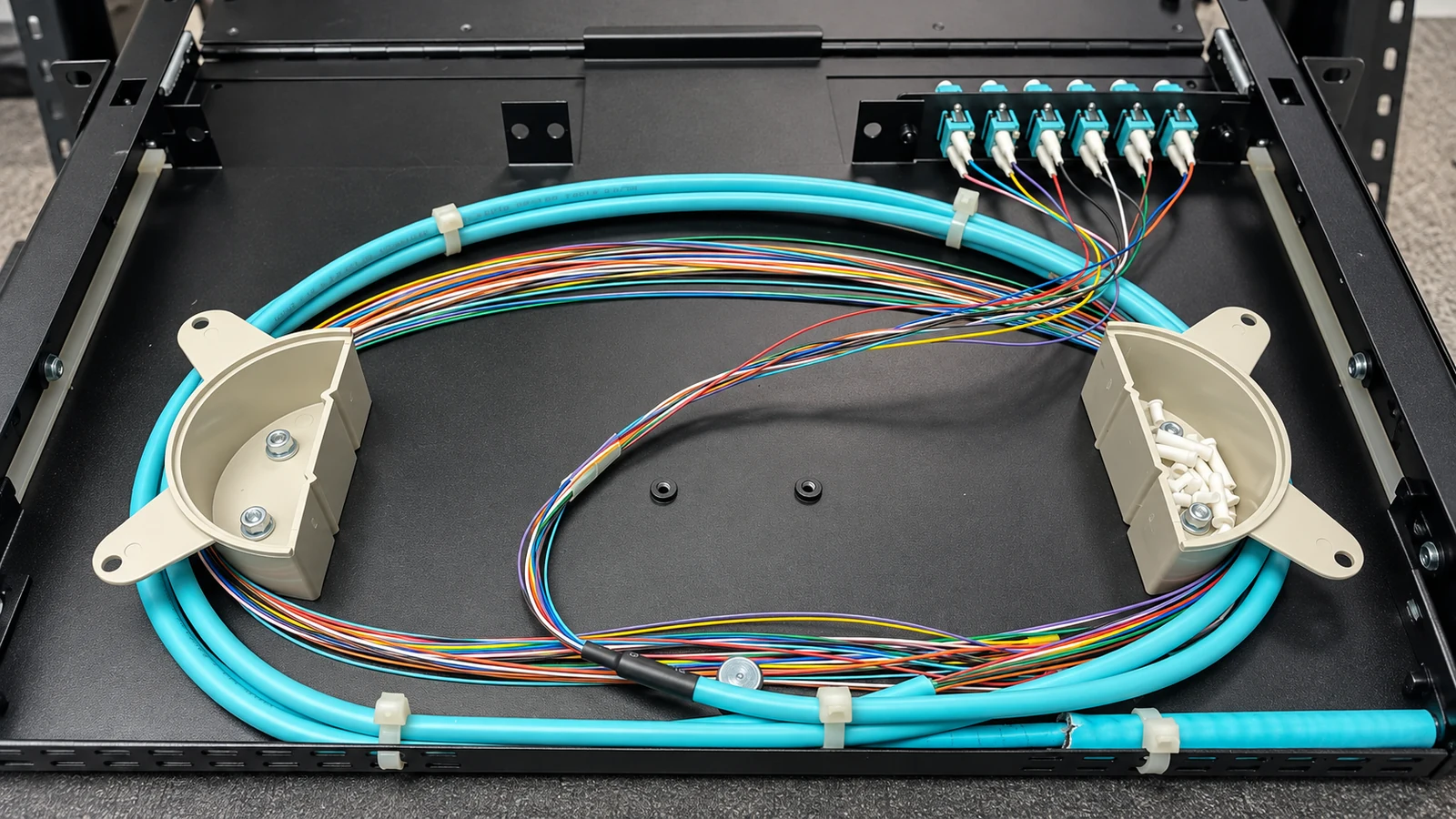
Backbone Route Planning
Coordinate MDF, IDF, building, campus, riser, conduit, tray, entrance, transition, slack-storage, protection, and access requirements around the property and construction plan.
COMMERCIAL FIBER BACKBONES AND UPLINKS
Commercial fiber optic cabling can connect MDF and IDF rooms, buildings, campuses, network distribution points, cameras, access systems, wireless infrastructure, and other bandwidth-dependent systems across distances or environments where the selected fiber design is appropriate. Data Pro Communications plans and installs fiber pathways, cable, enclosures, terminations, splices, patching, tests, labels, and records for Orlando projects.
Fiber is not automatically the best medium for every link. Single-mode OS2, multimode fiber, copper, or a coordinated combination should be selected from distance, equipment interfaces, optical budgets, bandwidth goals, pathway conditions, environment, resilience, serviceability, and future plans. Exact performance and acceptance criteria belong in the project design and test scope.
PROJECT PLANNING
A survey can confirm distribution rooms, building entrances, pathways, distances, strand requirements, equipment interfaces, enclosure locations, splice strategy, test criteria, documentation, and realistic spare capacity before cable is ordered.
SERVICE OVERVIEW
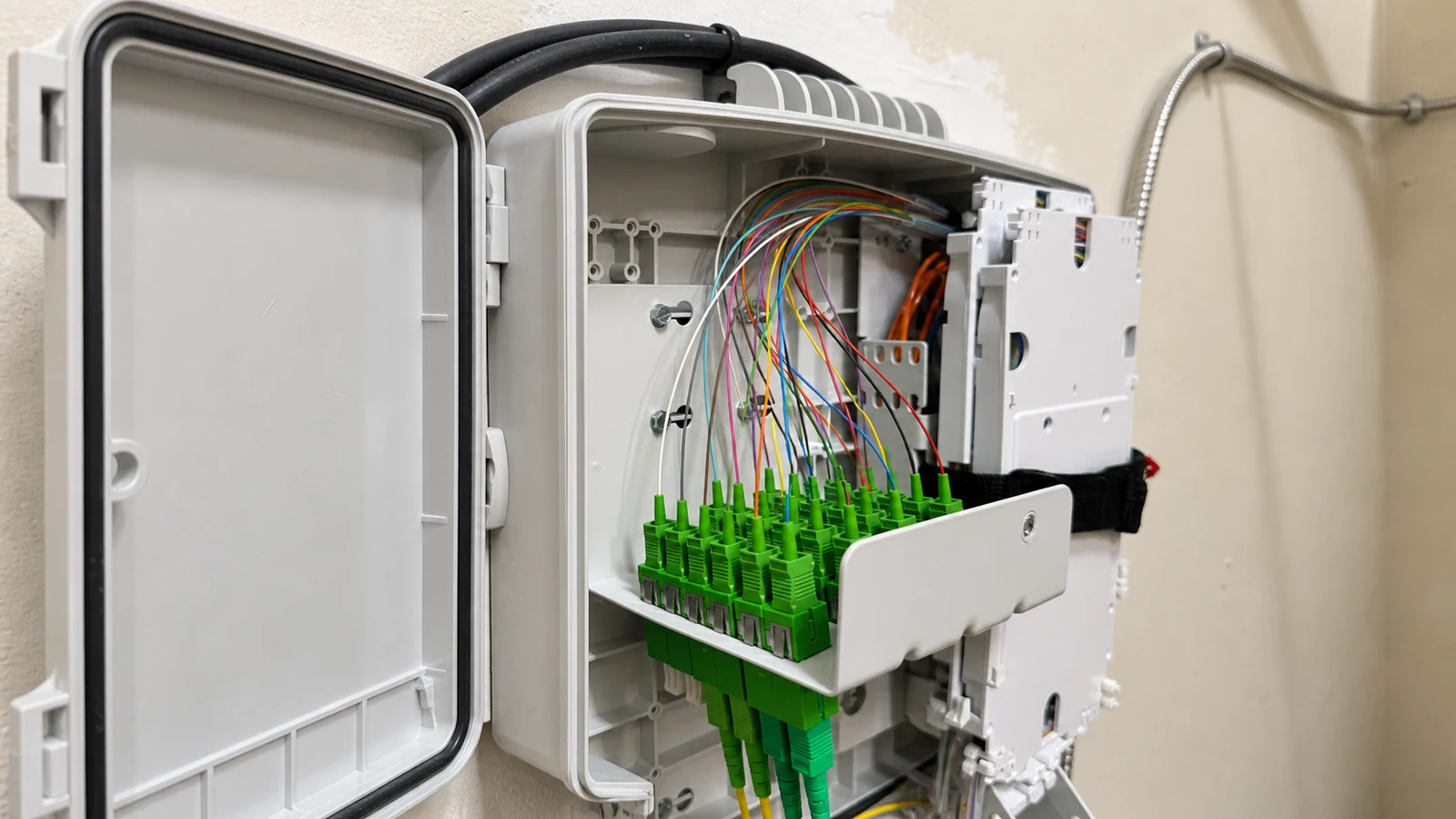
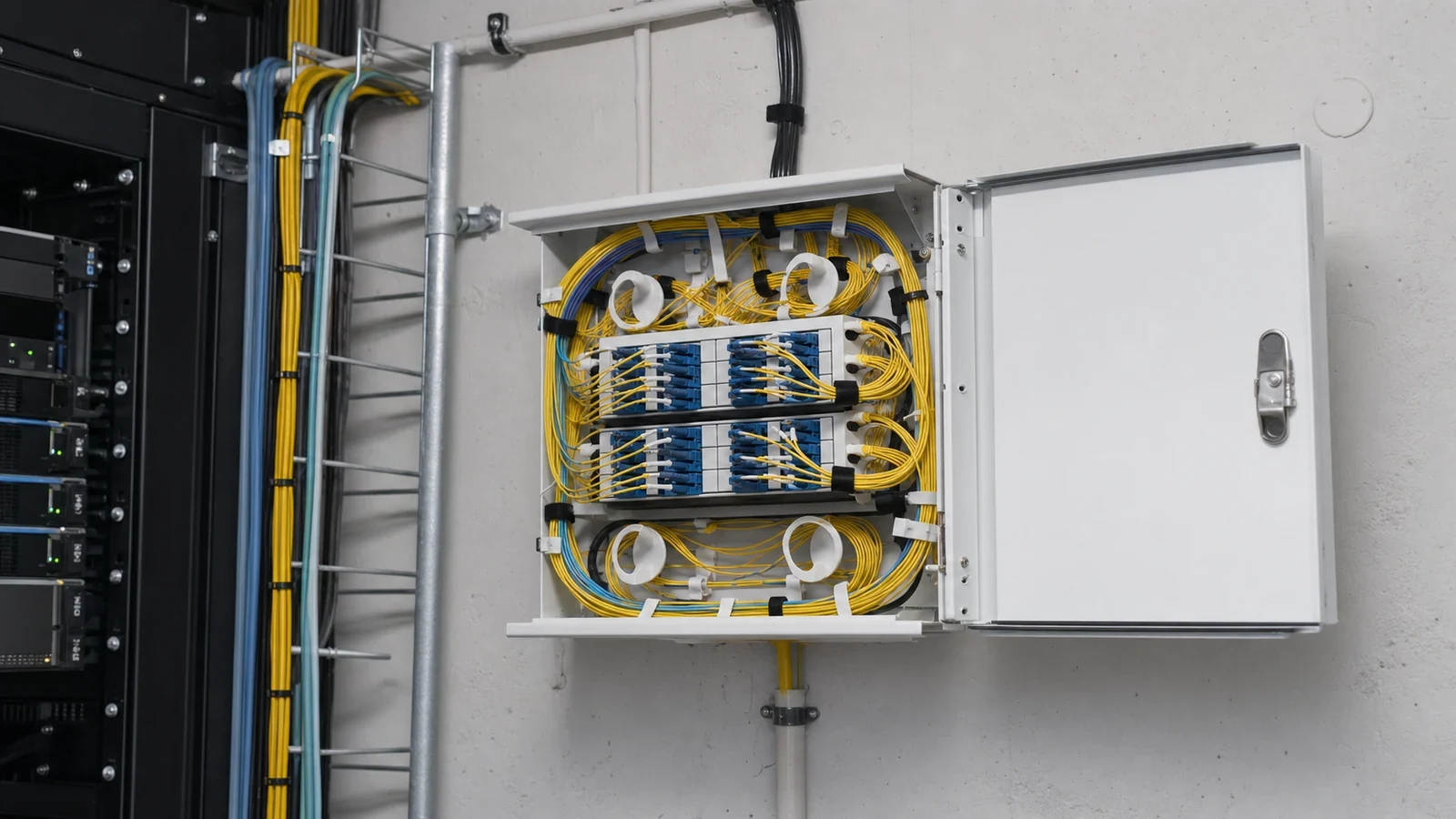
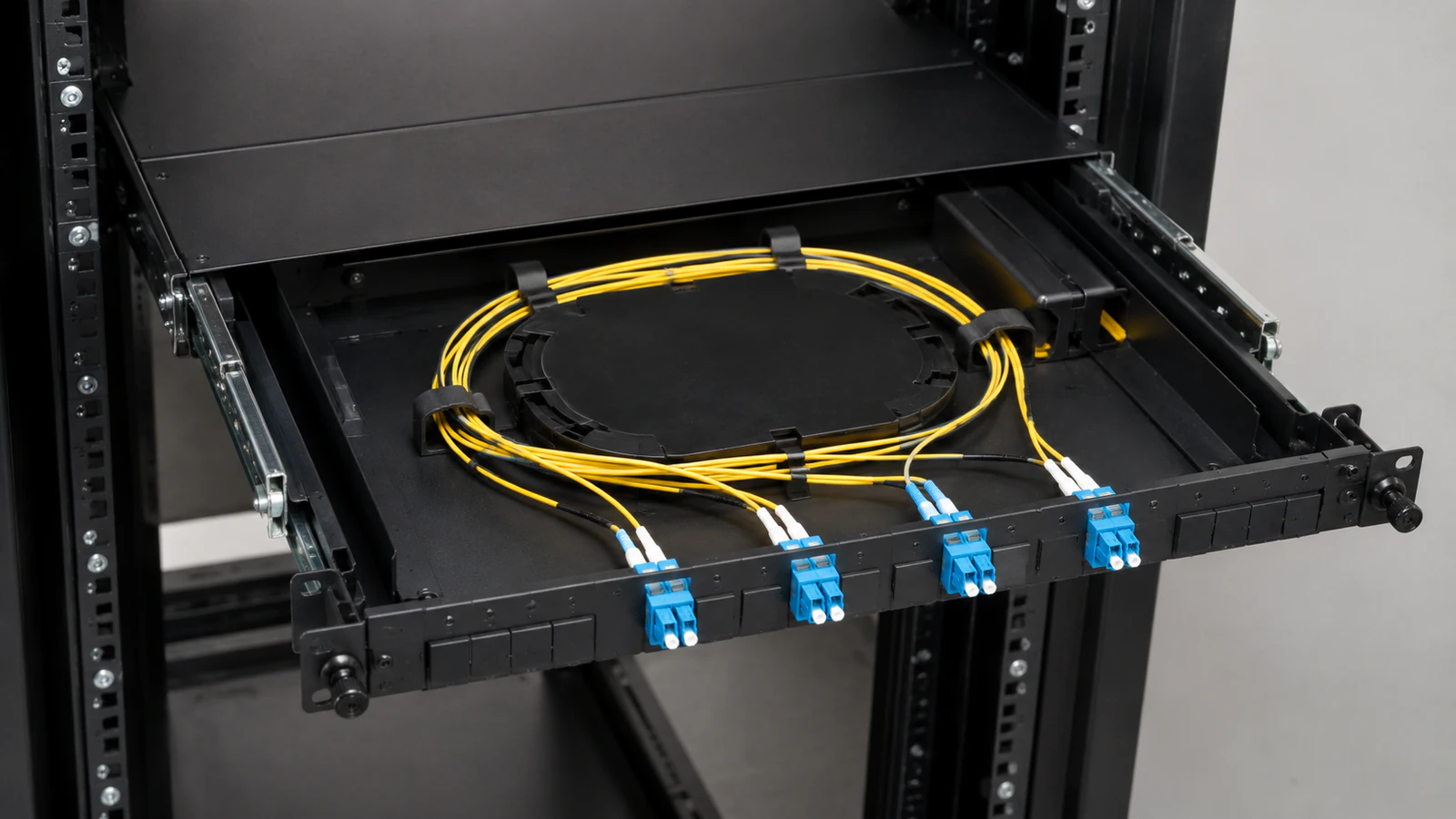
A complete fiber scope may include route and pathway planning, indoor or outside-plant cable selection, single-mode or multimode design where appropriate, building entrances, enclosures, splice trays, connectors, fusion splicing, patch panels, jumpers, labeling, optical testing, link records, and coordination with network or security-system equipment. The final media and test method must match the installed components and project requirements.
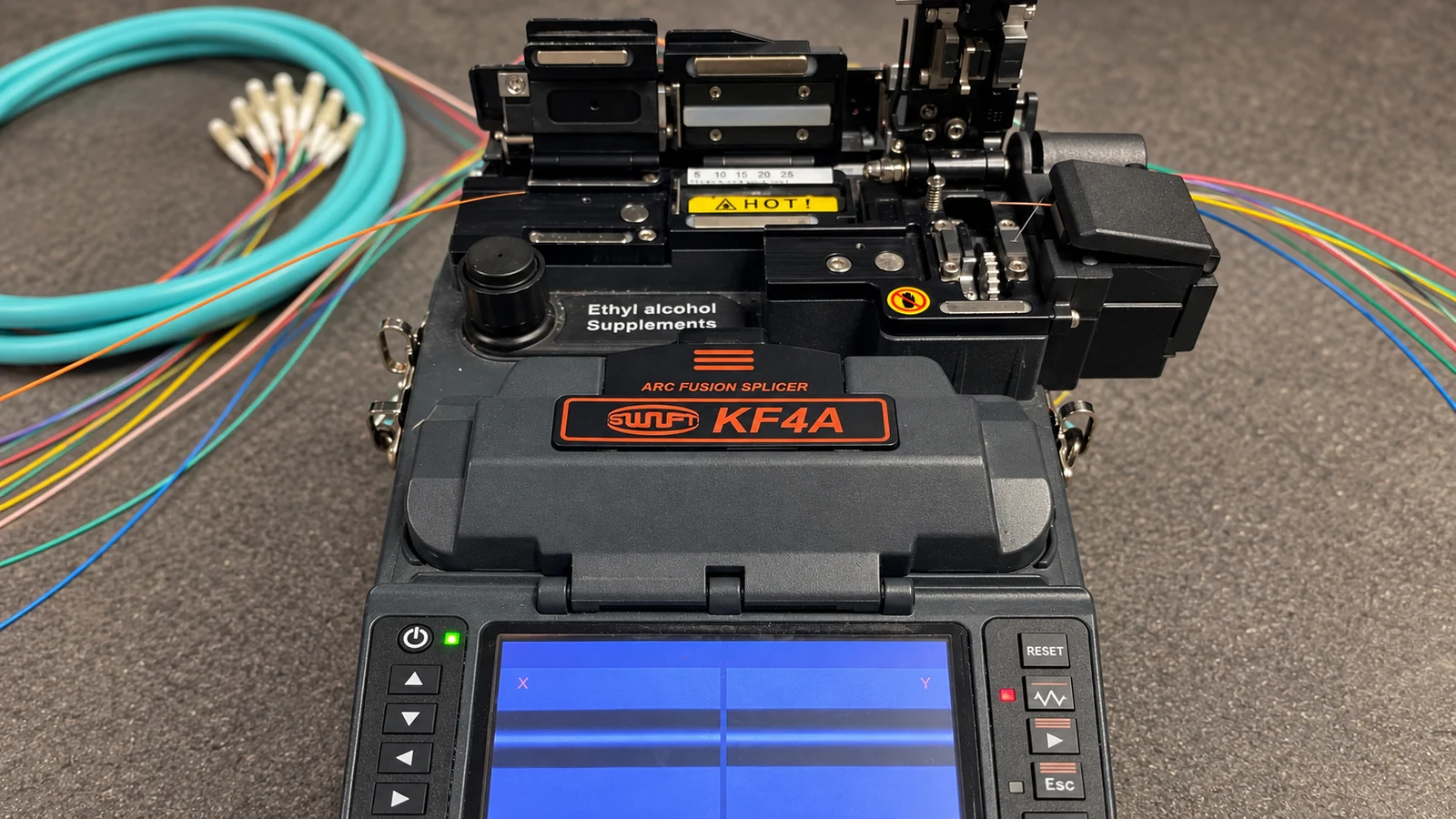
CORE CAPABILITIES
Coordinate MDF, IDF, building, campus, riser, conduit, tray, entrance, transition, slack-storage, protection, and access requirements around the property and construction plan.
Evaluate OS2 and appropriate multimode options against link length, active-equipment interfaces, wavelengths, bandwidth objectives, existing plant, lifecycle, and budget rather than applying one medium universally.
Plan rack, wall, or outdoor enclosures, adapter panels, splice trays, patching, bend management, connector protection, service clearances, and identification.
Use project-appropriate factory-terminated assemblies, field connectors, fusion splices, or other approved methods with clean handling, protection, and documented workmanship controls.
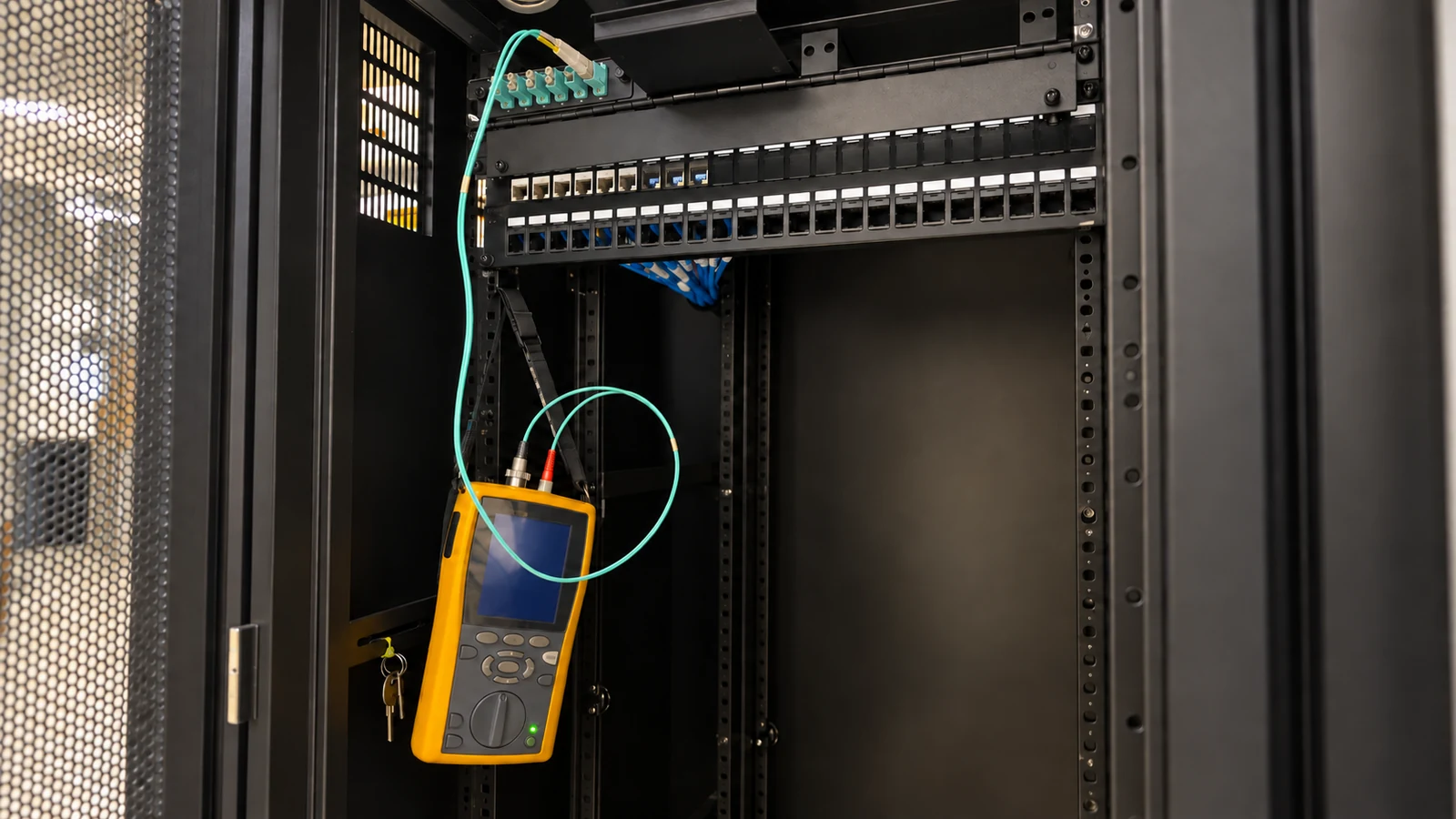
Define inspection, continuity, polarity, insertion-loss, and reflectometry requirements where appropriate to the link type and contract, with qualified limits and documented exceptions.
Review existing pathways, fiber type, strand use, enclosure capacity, connectors, patching, test history, route risk, and future strand needs before extending or replacing a backbone.
COMMERCIAL USE CASES
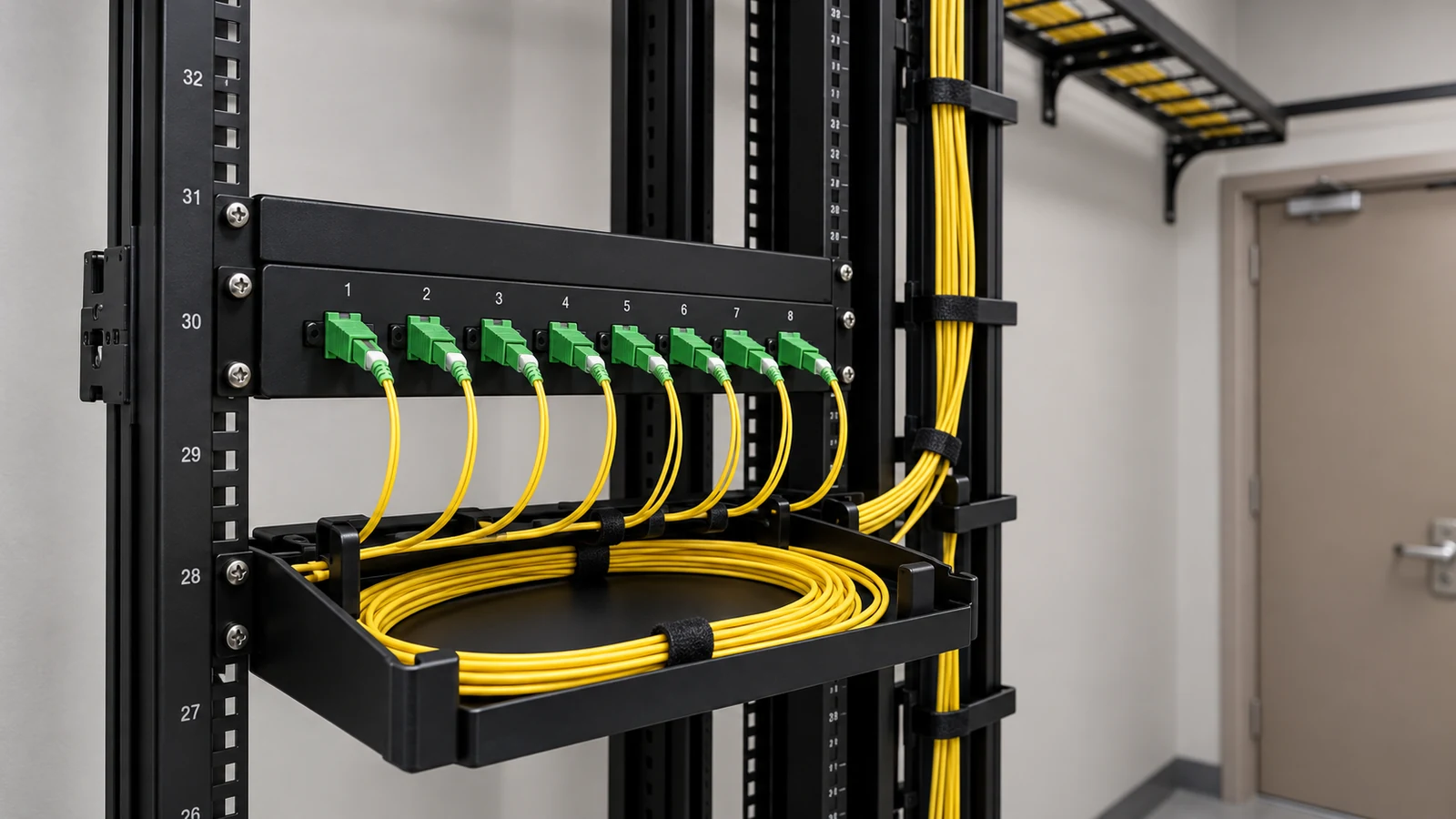
Connect telecommunications rooms, buildings, parking structures, cameras, wireless distribution, and property systems through routes planned around occupied operations and phased renovations.
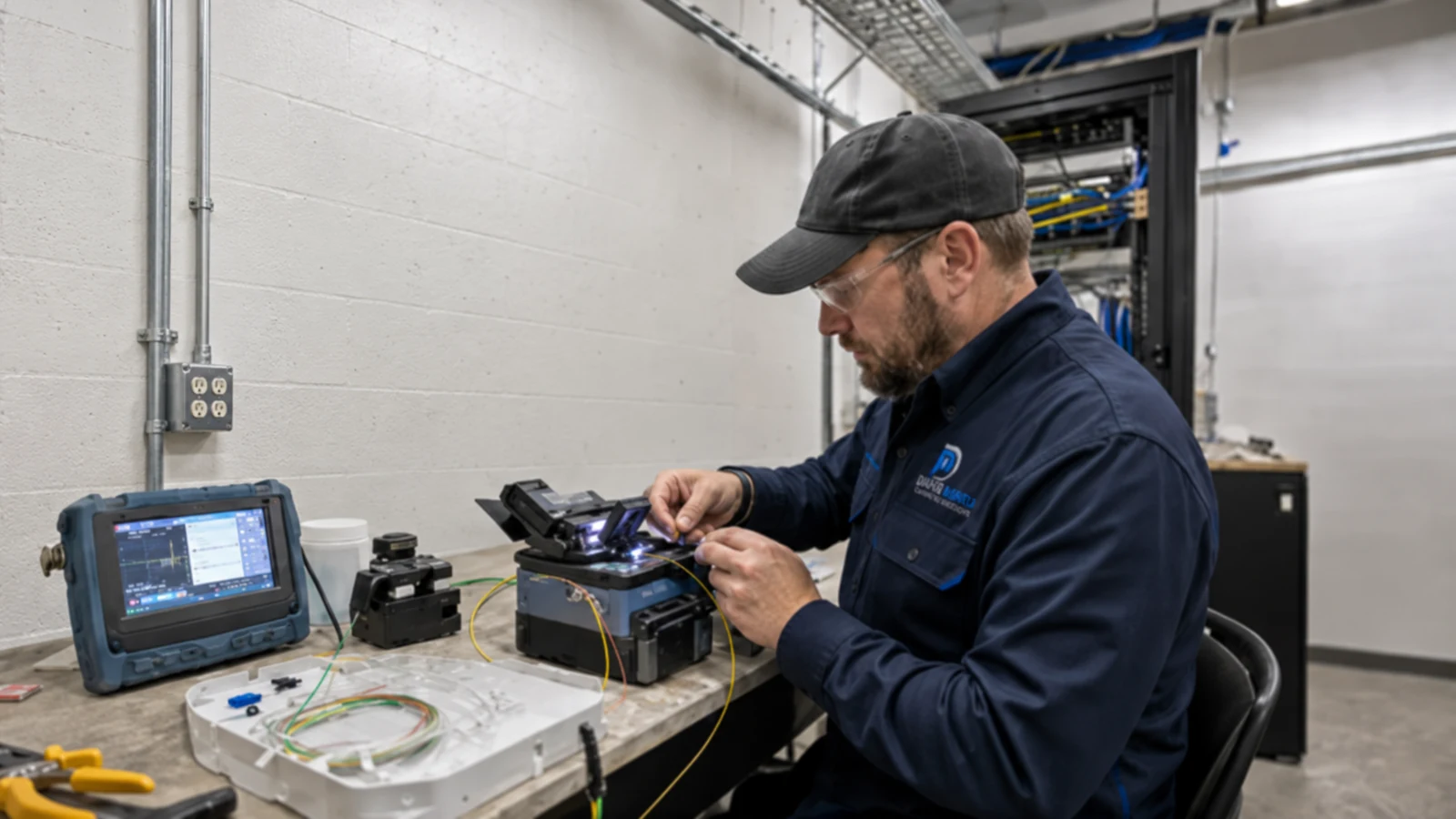
Support floor-to-floor or building distribution with organized enclosures, documented strands, compatible uplinks, service access, and tenant or base-building responsibilities.
Address long routes, equipment rooms, outdoor transitions, high pathway exposure, remote buildings, cameras, wireless zones, and network distribution points.
Coordinate fiber work with controlled access, approved work windows, telecommunications rooms, network stakeholders, and documentation expectations.
Plan building, amenity, management, gate, camera, and network links across distributed structures without assuming each route or system has identical requirements.
Establish conduit, entrances, backbone routes, enclosures, strand counts, testing, turnover records, and future-capacity allowances before finishes restrict access.
TECHNICAL PLANNING
Create a strand-allocation schedule and consistent identifier plan before termination. Record every endpoint, enclosure, panel, adapter, splice, strand use, test file, and exception so future patching does not depend on memory.
Final design depends on accurate route lengths, pathways, pulling conditions, building entrances, environmental ratings, bend and tension controls, grounding or bonding requirements for associated hardware, compatible optics, patch cords, network equipment, power, and owner-approved test criteria.
Fiber performance is link-specific and depends on media, components, workmanship, equipment interfaces, optical budgets, cleanliness, and test criteria. Fiber does not replace active network design, equipment configuration, electrical work, or carrier service unless separately included.
CONNECTED SYSTEMS
Switches, transceivers, wavelengths, connector types, link speeds, redundancy, VLANs, and commissioning responsibilities must align with the installed fiber and the owner’s network architecture.
Cameras, access control, intercom, wireless, and other systems may use fiber for distribution or long links when media converters, switches, power, enclosures, and management responsibilities are properly designed.
Fiber backbones often connect to copper horizontal cabling or device drops. Distribution-room layout, patching, rack space, pathway transitions, and labels should make those boundaries clear and serviceable.
ORLANDO SERVICE CONTEXT
Lakehurst, International Drive, and western Greater Orlando include hospitality campuses, commercial offices, managed communities, warehouses, healthcare properties, construction sites, and multi-building facilities where distribution rooms can be separated by floors, parking areas, roads, courtyards, or long service routes. Fiber planning should account for existing conduit, outdoor exposure, building entrances, occupied work windows, renovation phases, network ownership, and the records needed by future service teams.
RELATED SERVICES
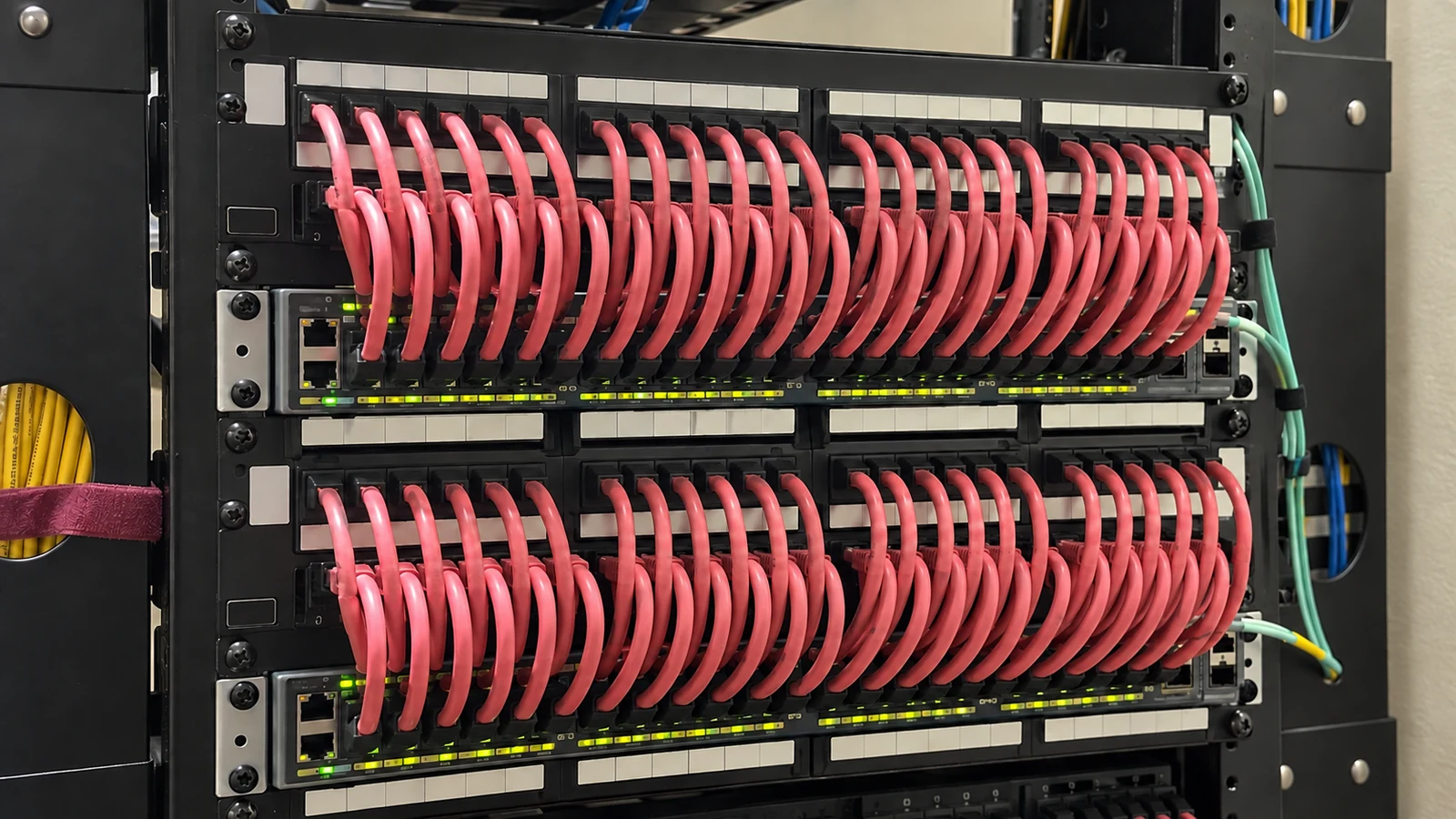
Racks, pathways, distribution rooms, copper links, labels, and records provide the organized infrastructure around many fiber backbones.
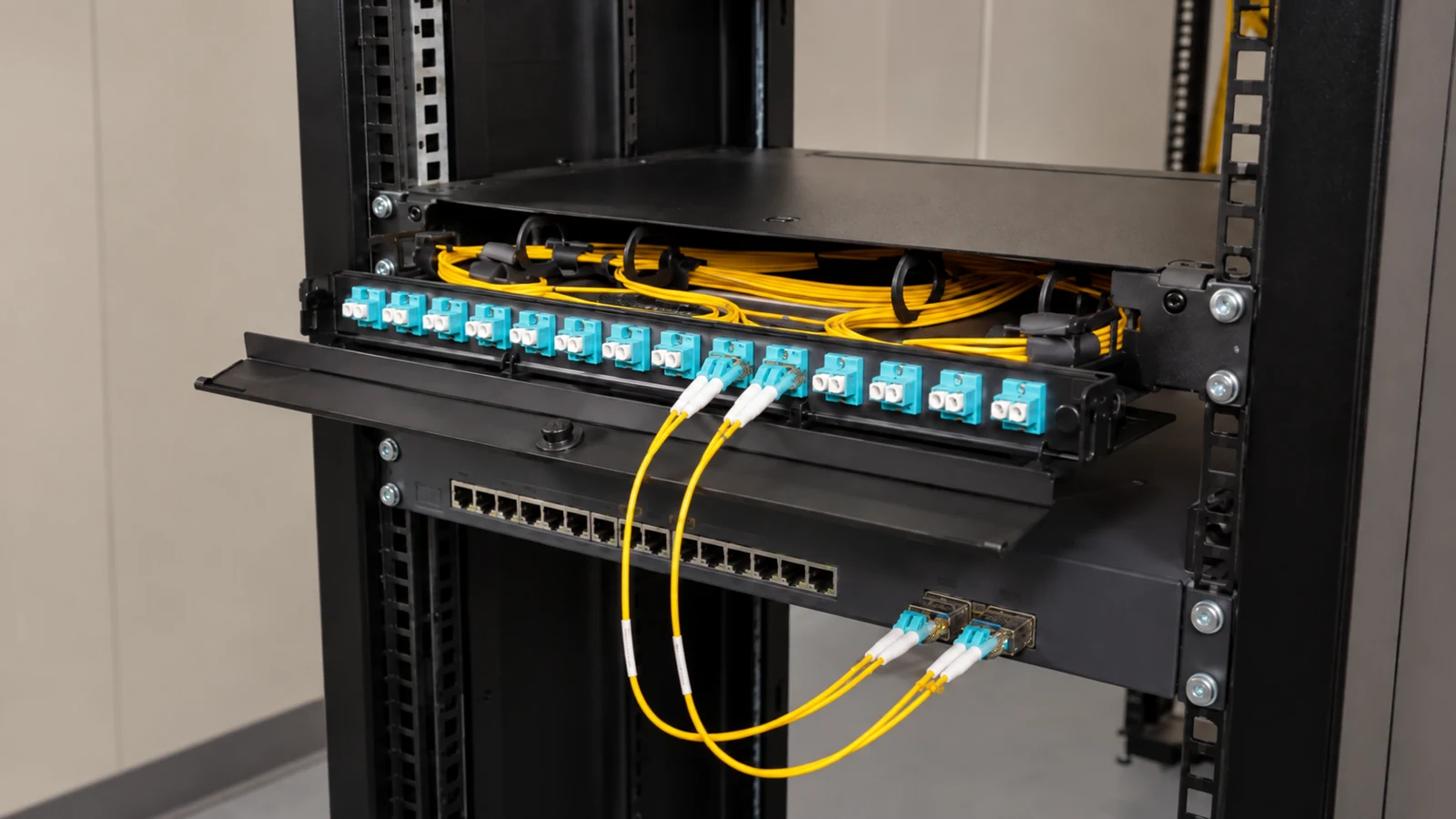
Switches, optics, uplinks, segmentation, redundancy, and active-equipment commissioning depend on compatible fiber links.
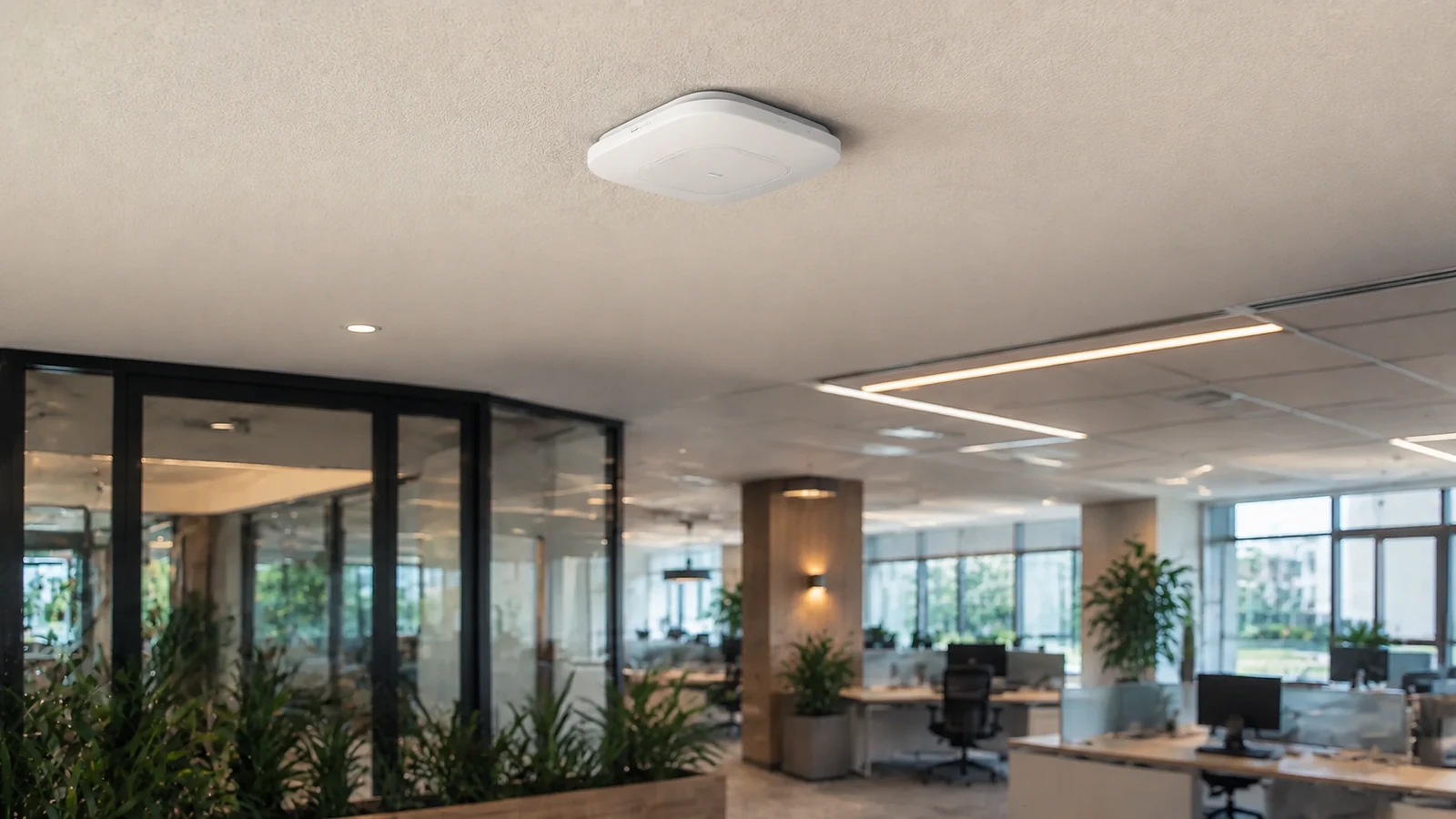
Distributed wireless coverage may rely on fiber-fed network rooms or outdoor zones, but RF design and access-point validation remain separate.
INDUSTRIES SERVED
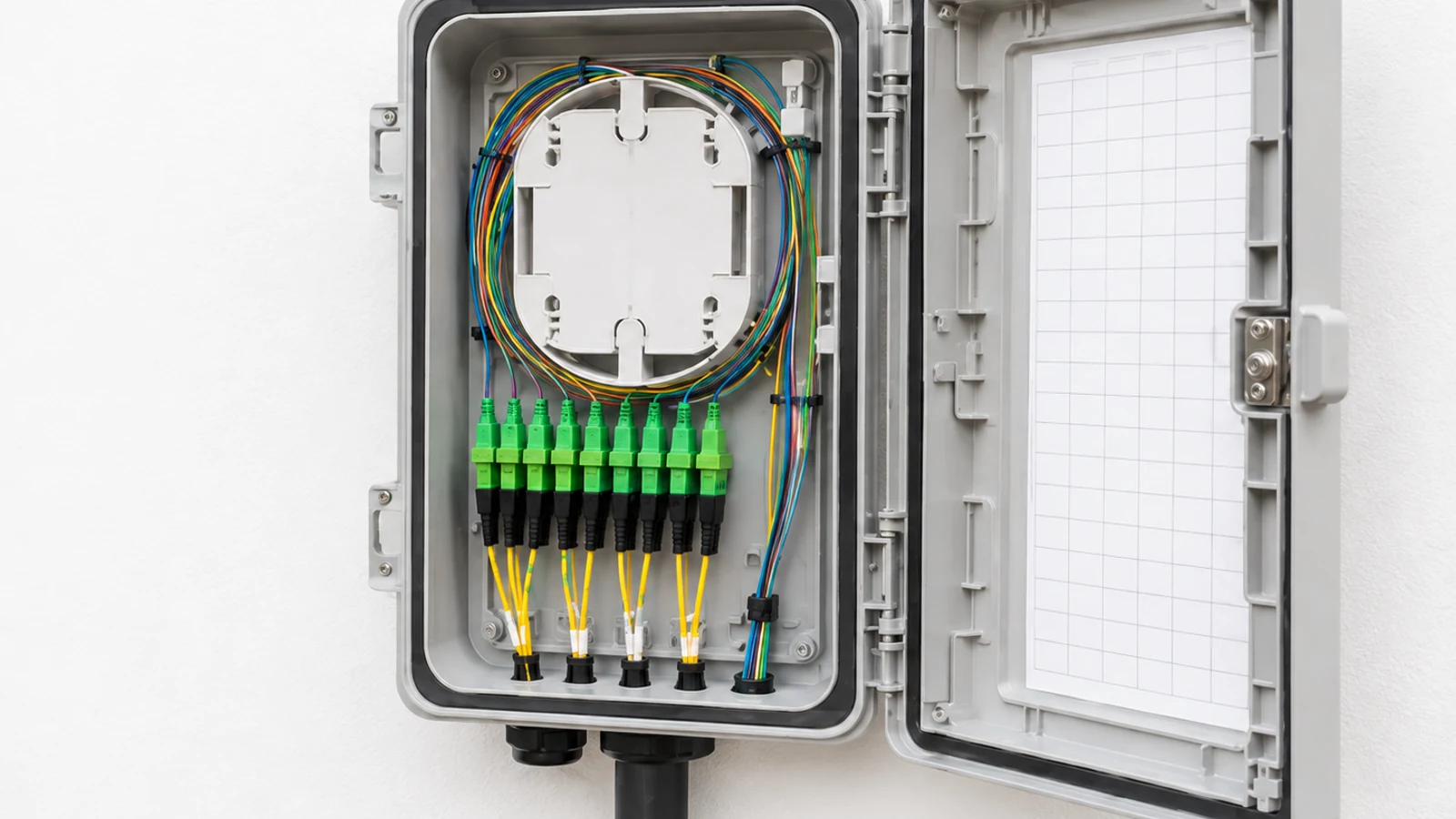
Building-to-building and distributed-room backbones.
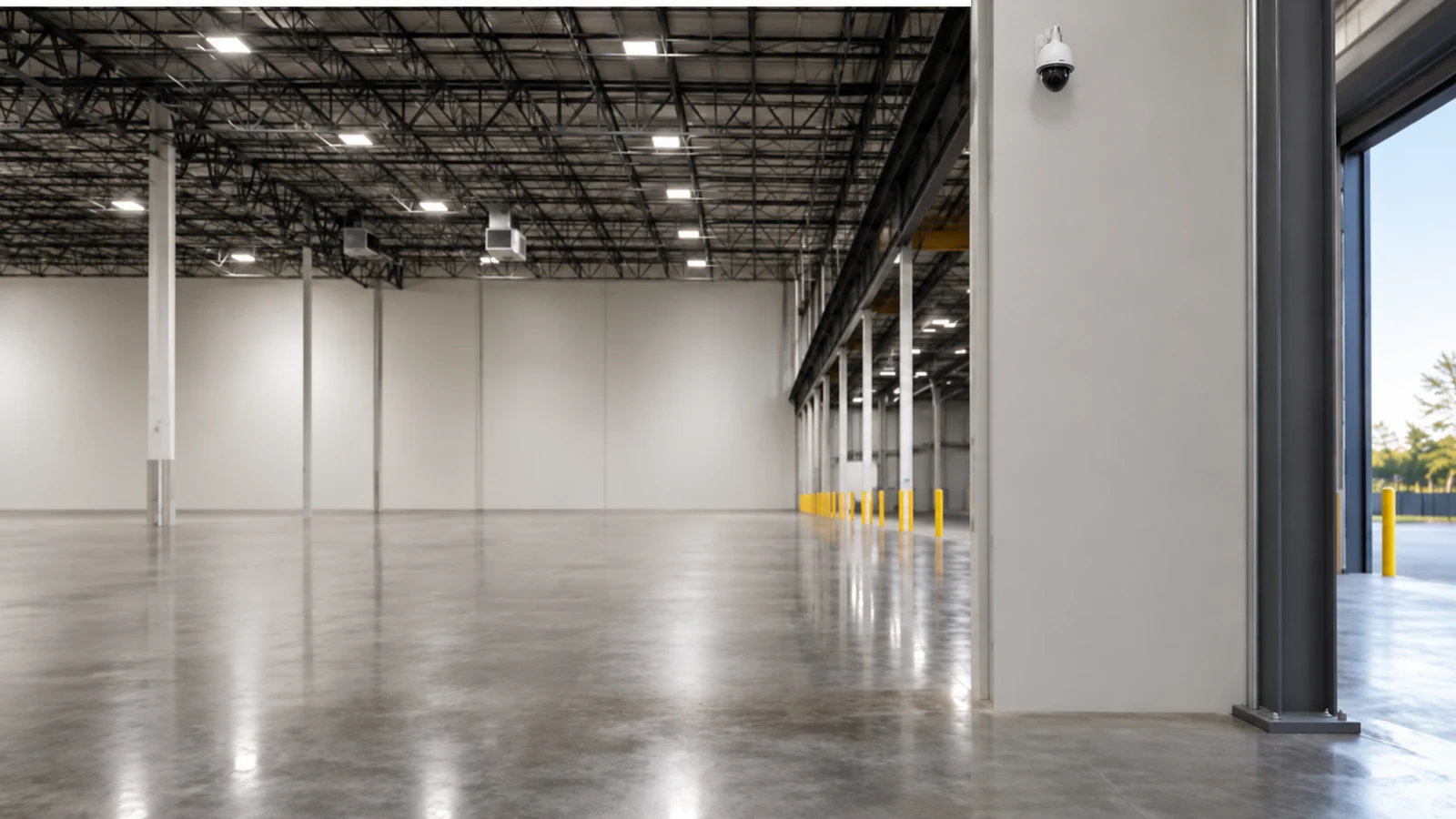
Long-route uplinks and remote system distribution.
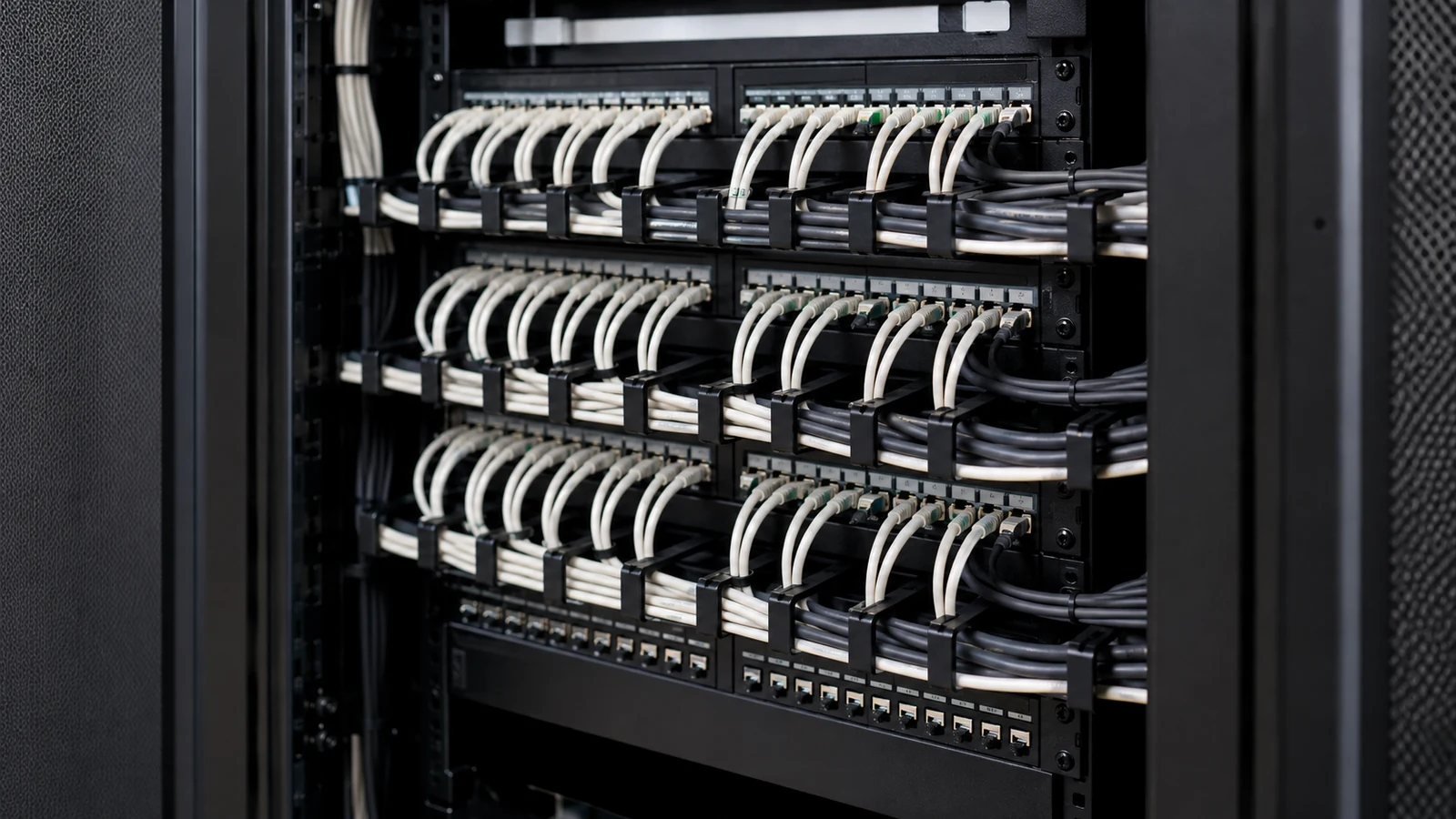
Documented risers, rooms, patching, and controlled upgrade work.
PROJECT PROCESS
Review rooms, buildings, pathways, distances, cable environment, existing fiber, equipment interfaces, operations, and project schedules.
Define media, strands, routes, enclosures, connectors, splices, patching, identifiers, acceptance tests, responsibilities, and capacity allowances.
Install and protect the approved cable and hardware, manage bends and pulling conditions, terminate or splice, clean interfaces, and label each endpoint.
Complete agreed tests, reconcile strand and patch records, document exceptions, deliver files, and review the link inventory with network and facility stakeholders.
LICENSED PROJECT SUPPORT
Data Pro Communications - West Orlando is a regional website of Data Pro Communications. Commercial projects are coordinated through the West Orlando / Lakehurst Branch at 5950 Lakehurst Dr, #234, Orlando, FL 32819; (407) 994-3227; FL License #EC13016138. Project requirements, access, schedule, connected systems, and responsibility boundaries are reviewed before the final scope is established.
FAQ
Fiber may be appropriate for longer links, building-to-building connections, higher-capacity uplinks, electrical-isolation needs, pathway or interference conditions, existing fiber plant, or future network plans. The choice should be based on the complete link and equipment design.
OS2 is a single-mode fiber commonly used for long-reach and many campus or carrier-style applications. Multimode fiber supports compatible short-reach enterprise applications. Selection depends on distance, optics, wavelength, bandwidth objective, existing plant, lifecycle, and budget.
No. Fiber and copper serve different roles. Copper may be practical for short device links and can deliver PoE, while fiber can support long or high-capacity backbones. Cost, equipment, power, pathway, serviceability, and application requirements determine the appropriate medium.
Yes, when the route, cable construction, conduit or pathway, entrance protection, enclosure, splicing, optics, grounding considerations for associated hardware, testing, and maintenance access are designed for the site.
Strand count should reflect current links, redundancy, known projects, realistic growth, route difficulty, enclosure capacity, restoration strategy, and budget. A universal strand count is not appropriate for every property.
Testing may include visual inspection, continuity, polarity, insertion loss, and optical time-domain reflectometry when appropriate. The contract should define methods, wavelengths, reference methods, limits, direction, records, and treatment of exceptions.
Existing fiber may be reusable after confirming media type, strand count, route, condition, connectors, splices, polarity, test results, documentation, equipment compatibility, and the planned application. A field and record review is required.
The scope may include cable preparation, splice trays, fusion splices, pigtails, adapter panels, connectors, slack storage, bend management, labeling, cleaning, protection, and documentation according to the approved design.
Standard optical fiber does not provide PoE. Remote devices require local power, a powered network device, a hybrid cable system designed for the application, or another approved power approach.
Useful inputs include floor and site plans, room and building locations, known route lengths, conduit details, existing fiber records, equipment and optics, bandwidth and redundancy goals, test requirements, construction schedule, environmental conditions, and future expansion plans.
Tell us about your buildings, distribution rooms, pathways, existing fiber, equipment interfaces, uplink goals, test requirements, and construction schedule. The Lakehurst team can review the link conditions and define the next survey and design step.