
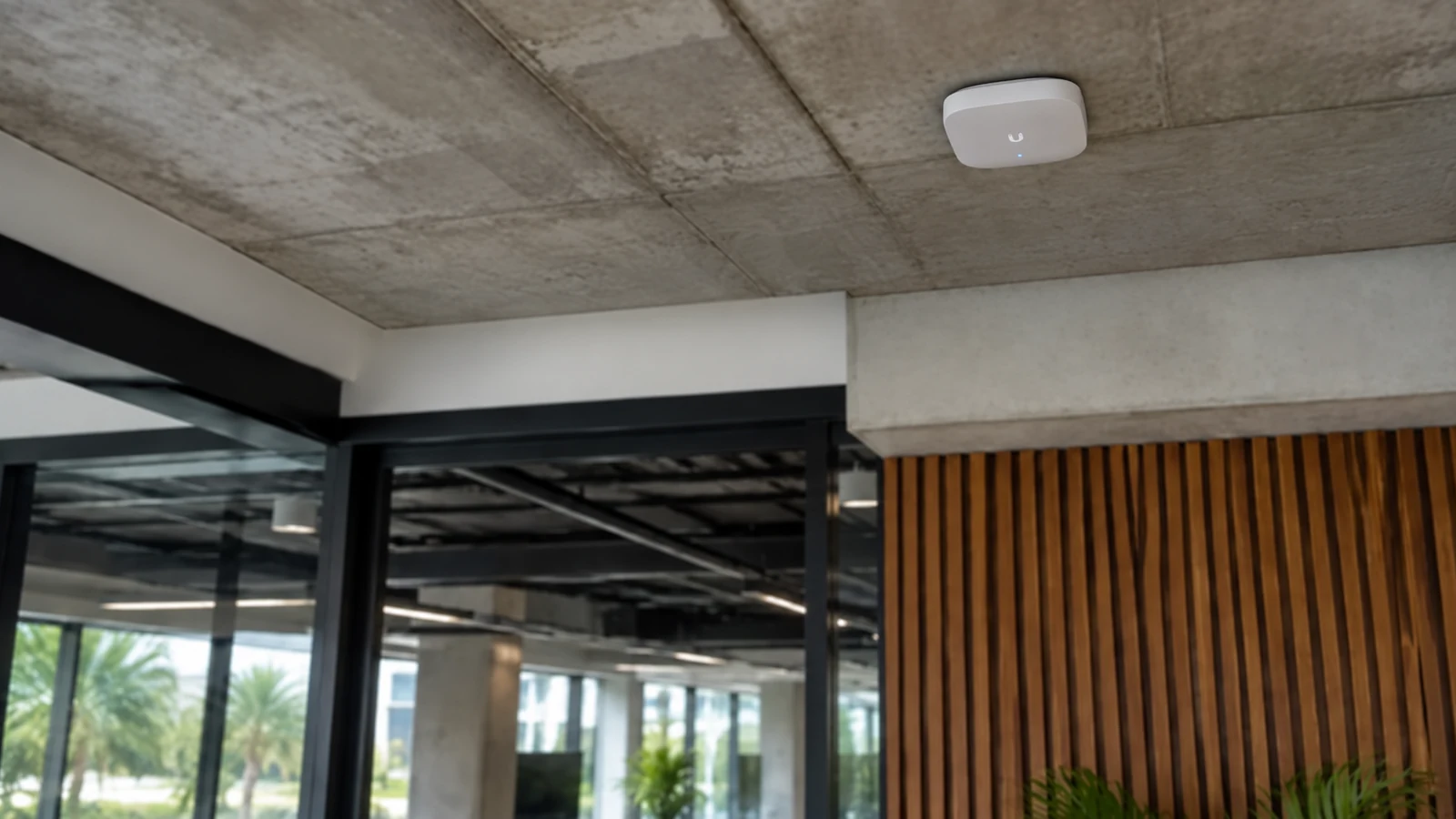
Coverage and Access-Point Planning
Map priority spaces, walls, floors, ceilings, racks, outdoor areas, user movement, mounting conditions, and expected applications before finalizing access-point locations.
PLANNED WIRELESS COVERAGE FOR COMMERCIAL PROPERTIES
Commercial Wi-Fi installation begins with how people and devices use a property, not with a promise that a fixed number of access points will cover every space. Data Pro Communications plans access-point locations, wired backhaul, PoE and switch dependencies, indoor and outdoor zones, channel considerations, guest and staff separation inputs, capacity, roaming goals, and post-install validation for Orlando businesses and managed properties.
Wireless results depend on building materials, interference, client devices, configuration, internet service, network policy, occupancy, applications, and changing RF conditions. A survey and validation process can improve design confidence, but no responsible plan guarantees speed, complete coverage, zero interference, cybersecurity, roaming, or compatibility for every device.
PROJECT PLANNING
A site survey can define priority areas, outdoor boundaries, user and device density, application needs, mounting options, cabling routes, switch and PoE capacity, network segmentation inputs, and the measurements required after installation.
SERVICE OVERVIEW
A commercial Wi-Fi scope may include requirements discovery, predictive or field-informed coverage planning, access-point placement, mounting, cable and PoE coordination, controller or cloud-platform setup within the approved scope, SSID and VLAN coordination, channel and power planning, guest and staff network inputs, roaming considerations, validation, documentation, and administrator handoff. Final settings and performance targets must match the property and responsible IT policy.
CORE CAPABILITIES
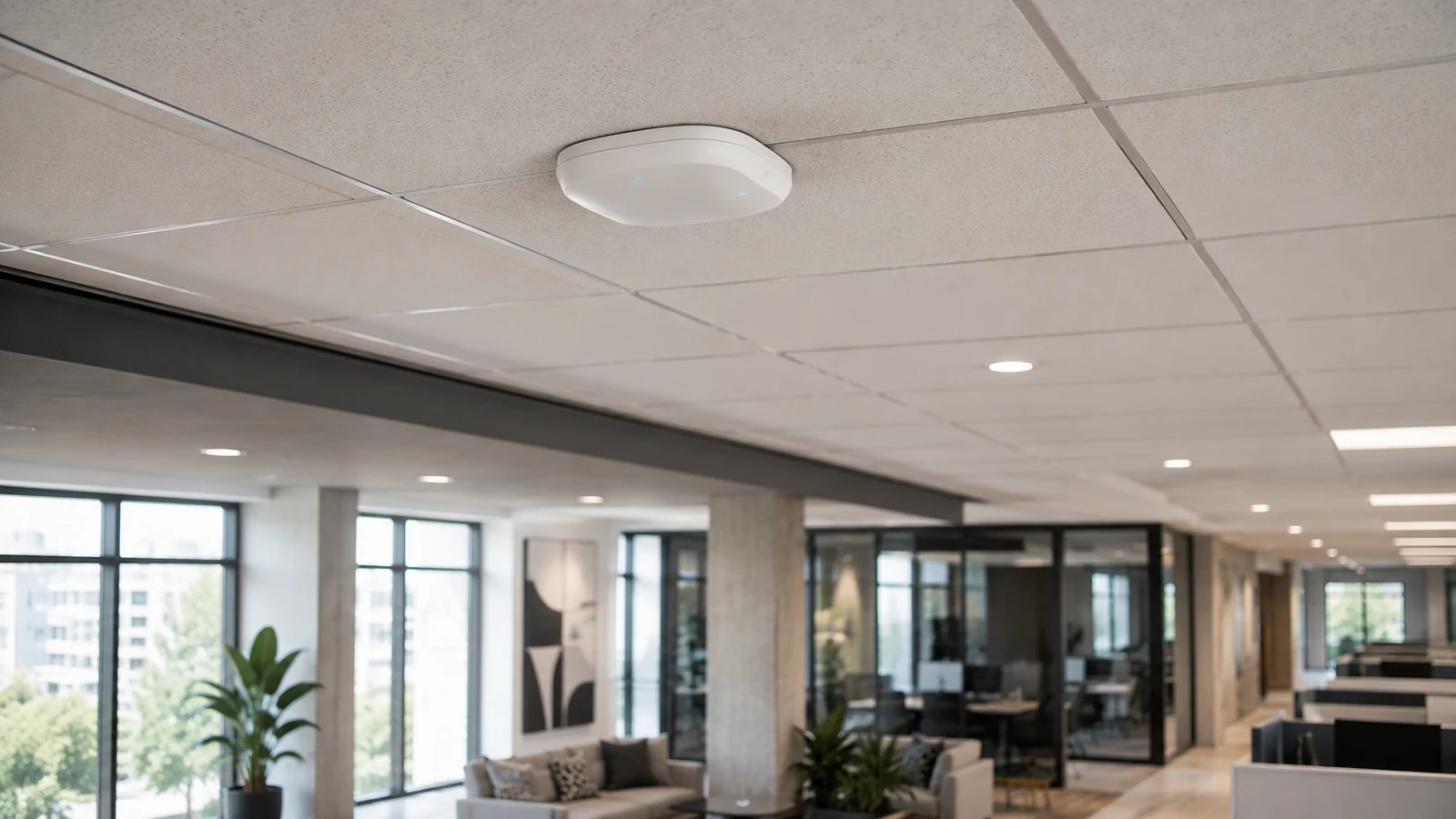
Map priority spaces, walls, floors, ceilings, racks, outdoor areas, user movement, mounting conditions, and expected applications before finalizing access-point locations.
Confirm cable routes, switch ports, link speeds, PoE budgets, uplinks, racks, surge or environmental considerations, and service access for each access point.
Consider neighboring networks, building systems, channel reuse, frequency bands, transmit power, co-channel contention, and changing RF conditions without promising an interference-free environment.
Coordinate SSIDs, VLANs, authentication, captive portal or policy requirements, bandwidth controls, and owner-approved communication boundaries with the responsible IT team.
Plan around user movement, client behavior, application sensitivity, access-point density, airtime demand, and handoff goals while recognizing that clients make many roaming decisions.
Measure and document agreed coverage, signal, noise, channel, connectivity, throughput sampling, roaming observations, and exceptions under the defined test conditions.
COMMERCIAL USE CASES
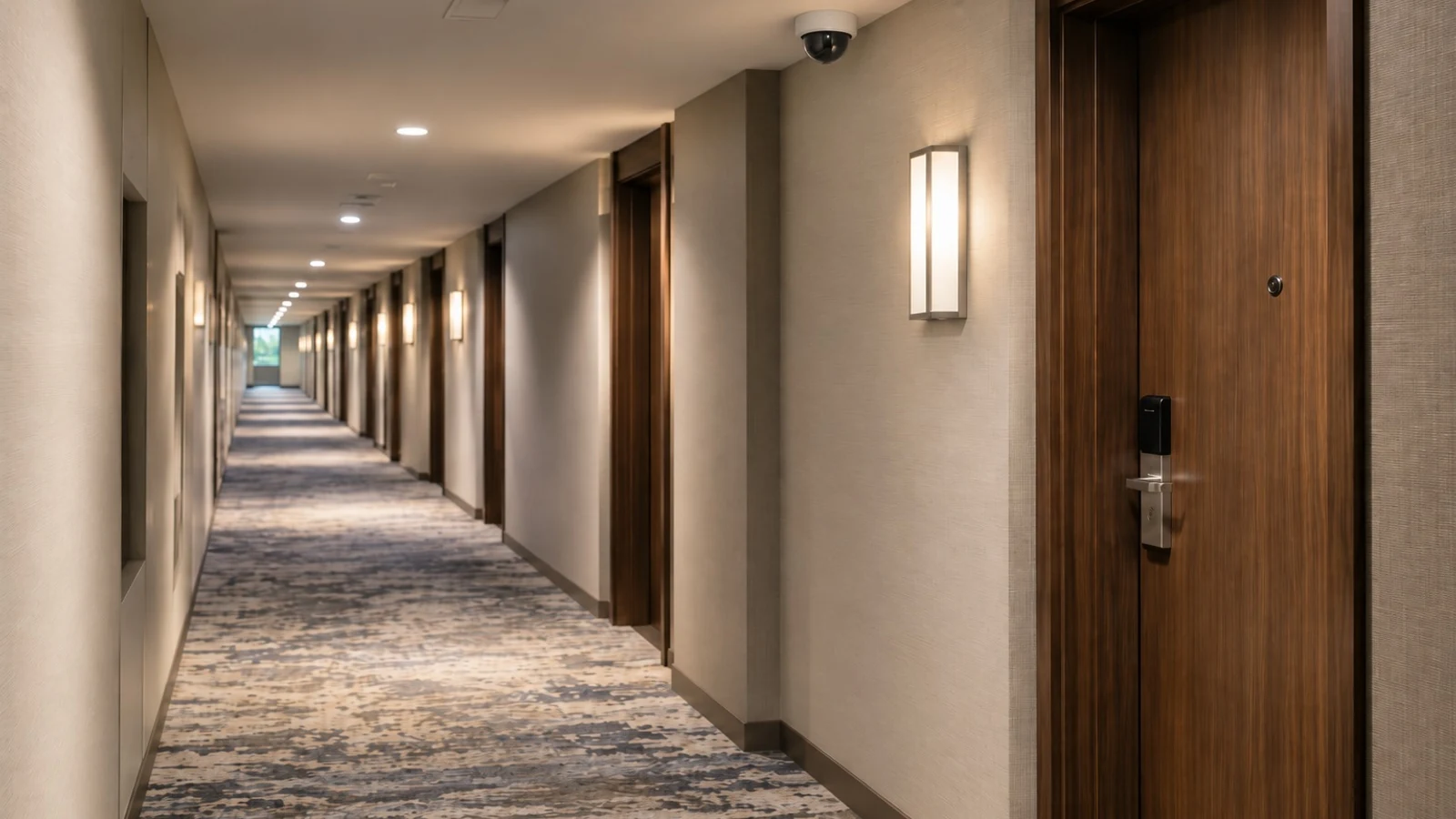
Coordinate guest, staff, operations, meeting, amenity, outdoor, and back-of-house zones with occupancy patterns and property network policy.
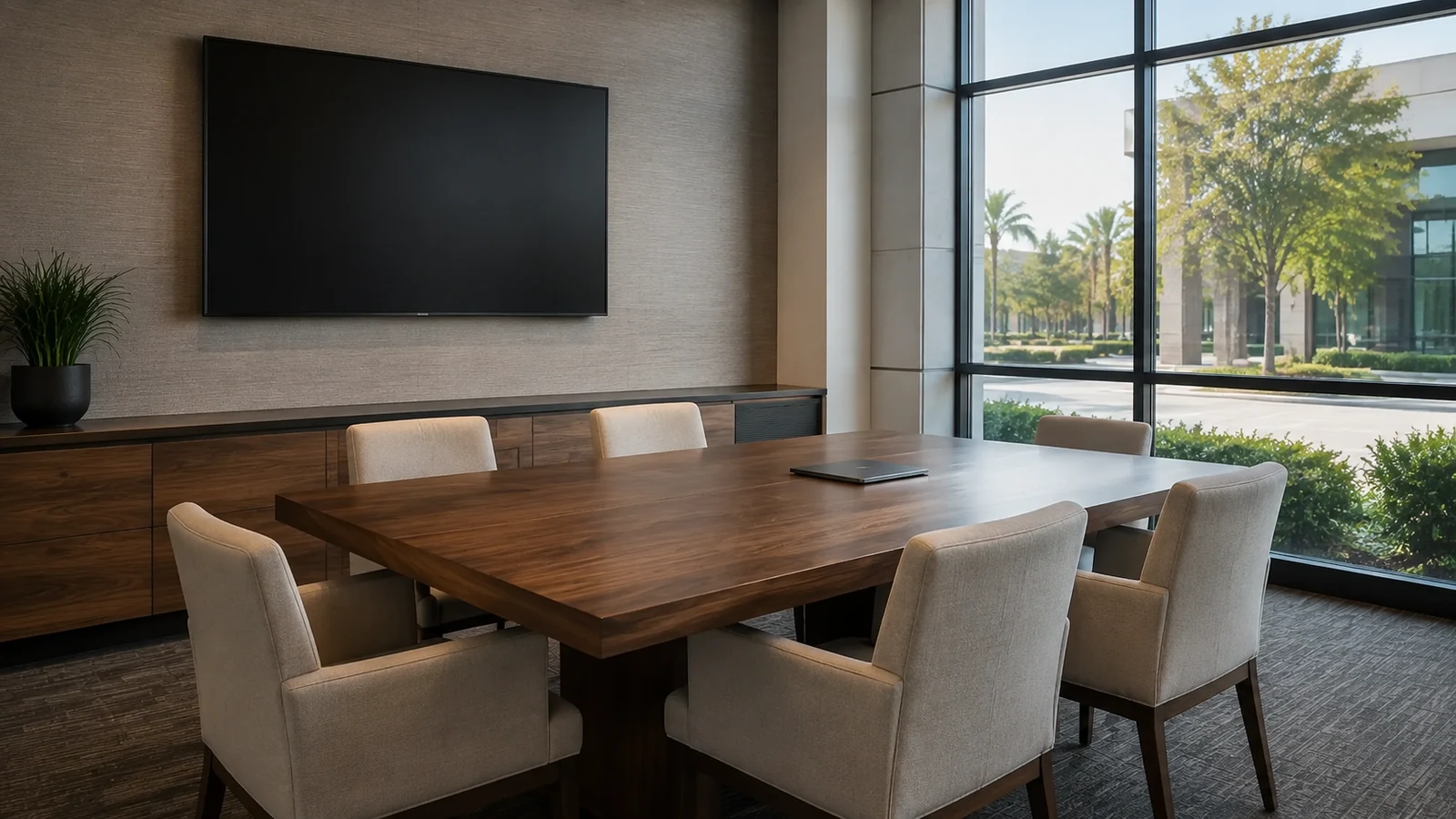
Plan coverage for work areas, conference rooms, collaboration spaces, lobbies, shared amenities, voice or video applications, and changing user density.

Address high ceilings, aisles, racks, scanners, mobile devices, loading areas, outdoor yards, roaming paths, and wired-backhaul constraints.
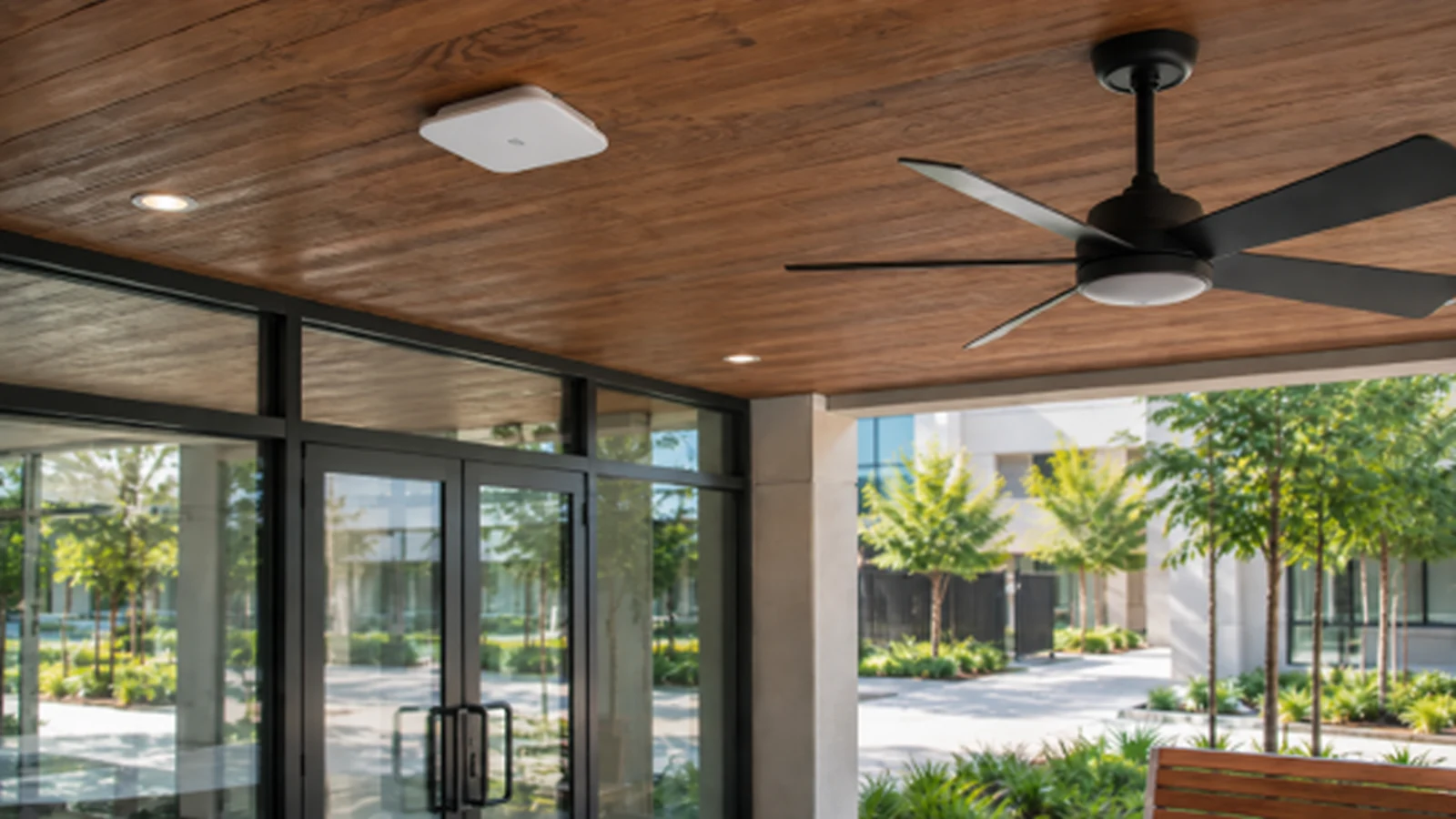
Coordinate management, amenity, common-area, pool, clubhouse, gate, and approved resident or guest zones with clear ownership and support boundaries.
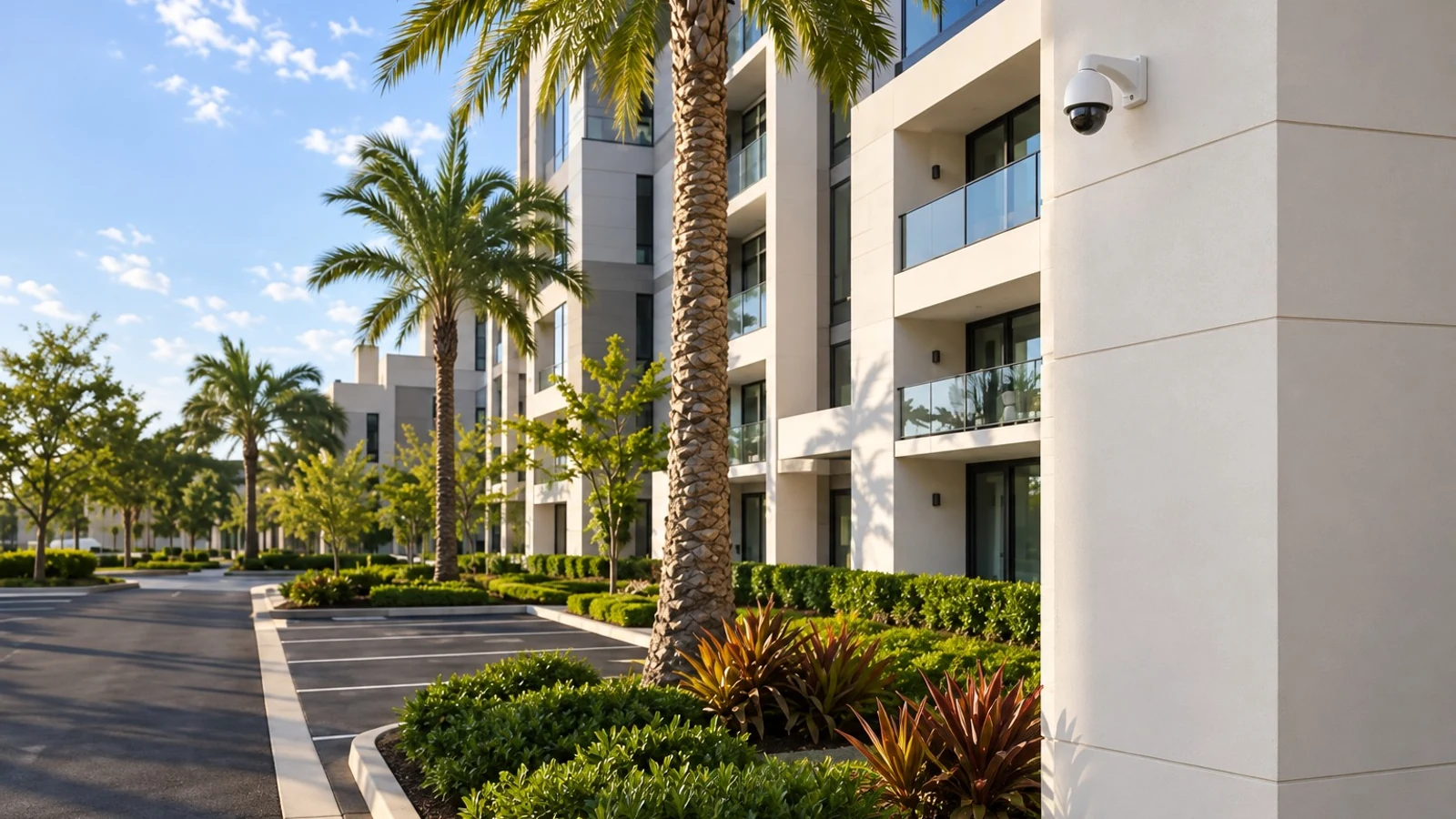
Separate operational, staff, tenant, guest, and device needs while considering storefront construction, public areas, occupancy, and neighboring networks.
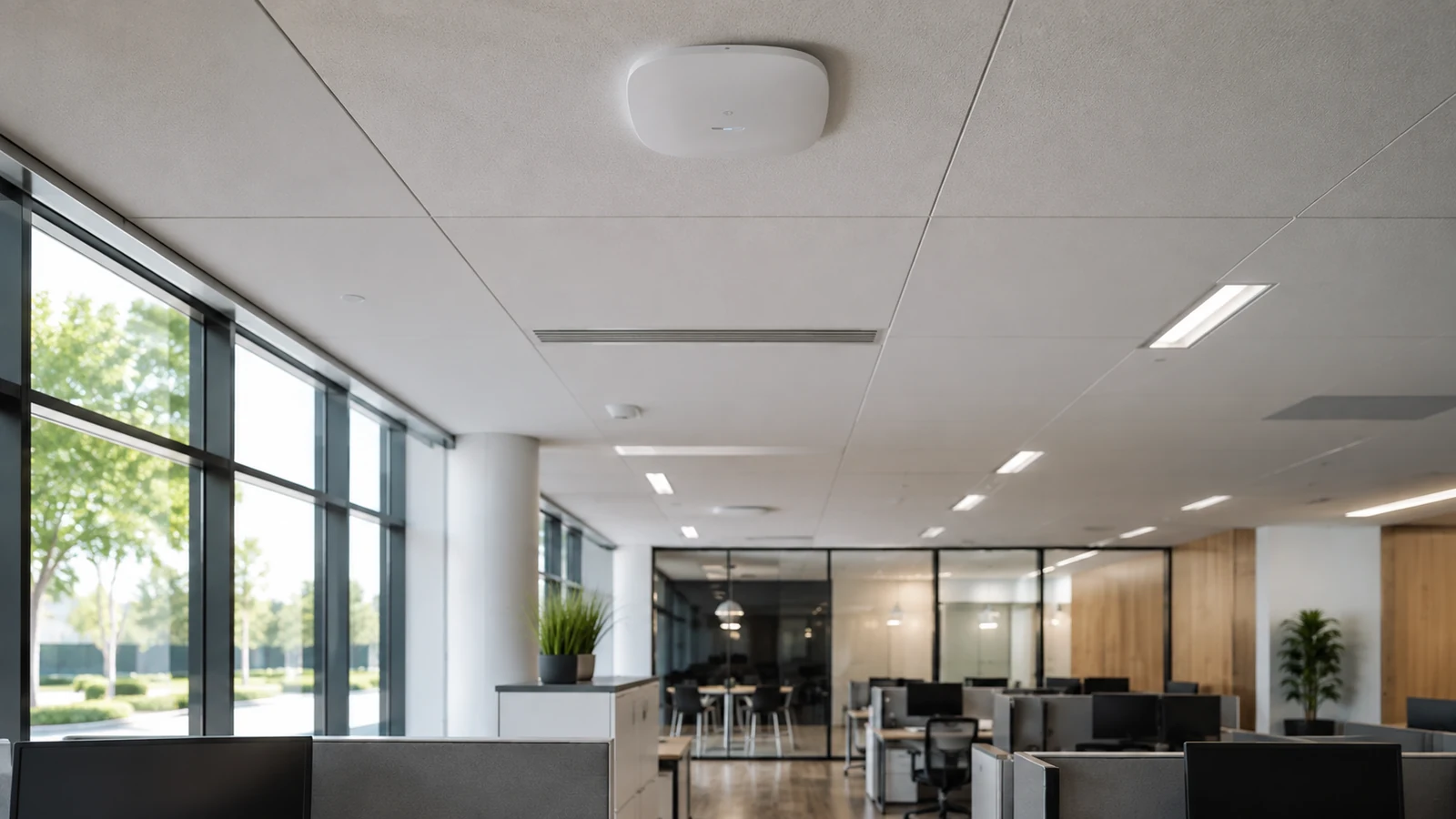
Plan fiber or copper backhaul, outdoor-rated equipment, building distribution, controller relationships, roaming expectations, and service responsibility across structures.
TECHNICAL PLANNING
Prioritize applications and spaces before optimizing a heat map, and define acceptable exceptions. Maintain an access-point, switch-port, cable, mounting, SSID, VLAN, channel, power, and administrator record after commissioning.
Wireless operation depends on structured cabling, switch and PoE capacity, uplinks, internet service, DNS and DHCP, VLANs, authentication, firewall policy, controller or cloud services, licenses, mounting and power conditions, and supported client devices.
Wi-Fi installation does not guarantee internet speed, universal coverage, zero interference, seamless roaming, cybersecurity, application performance, or compatibility with every client. Managed IT, endpoint support, carrier service, and ongoing RF operations require separate responsibility.
CONNECTED SYSTEMS
Access points require approved switch ports, PoE, uplinks, addressing, SSIDs, VLANs, routing, DHCP, DNS, firewall rules, authentication, controller services, and ownership by the responsible network team.
Every fixed access point needs a suitable backhaul and mounting path. Remote rooms, outdoor areas, or separate buildings may require fiber-fed distribution, enclosures, surge planning, and local switching.
Cameras, intercoms, handheld devices, and other approved endpoints may use Wi-Fi when their vendors, security policies, bandwidth, roaming, power, and reliability requirements support that design. Critical devices should not be assumed wireless by default.
ORLANDO SERVICE CONTEXT
West Orlando properties range from hotels and entertainment venues to offices, retail, warehouses, healthcare facilities, managed communities, construction projects, and multi-building sites. Around Lakehurst and International Drive, wireless plans may need to account for dense guest use, meeting and amenity spaces, high ceilings, outdoor areas, neighboring networks, building materials, operational devices, occupied work windows, and separate responsibility for internet, IT policy, and property support.
RELATED SERVICES
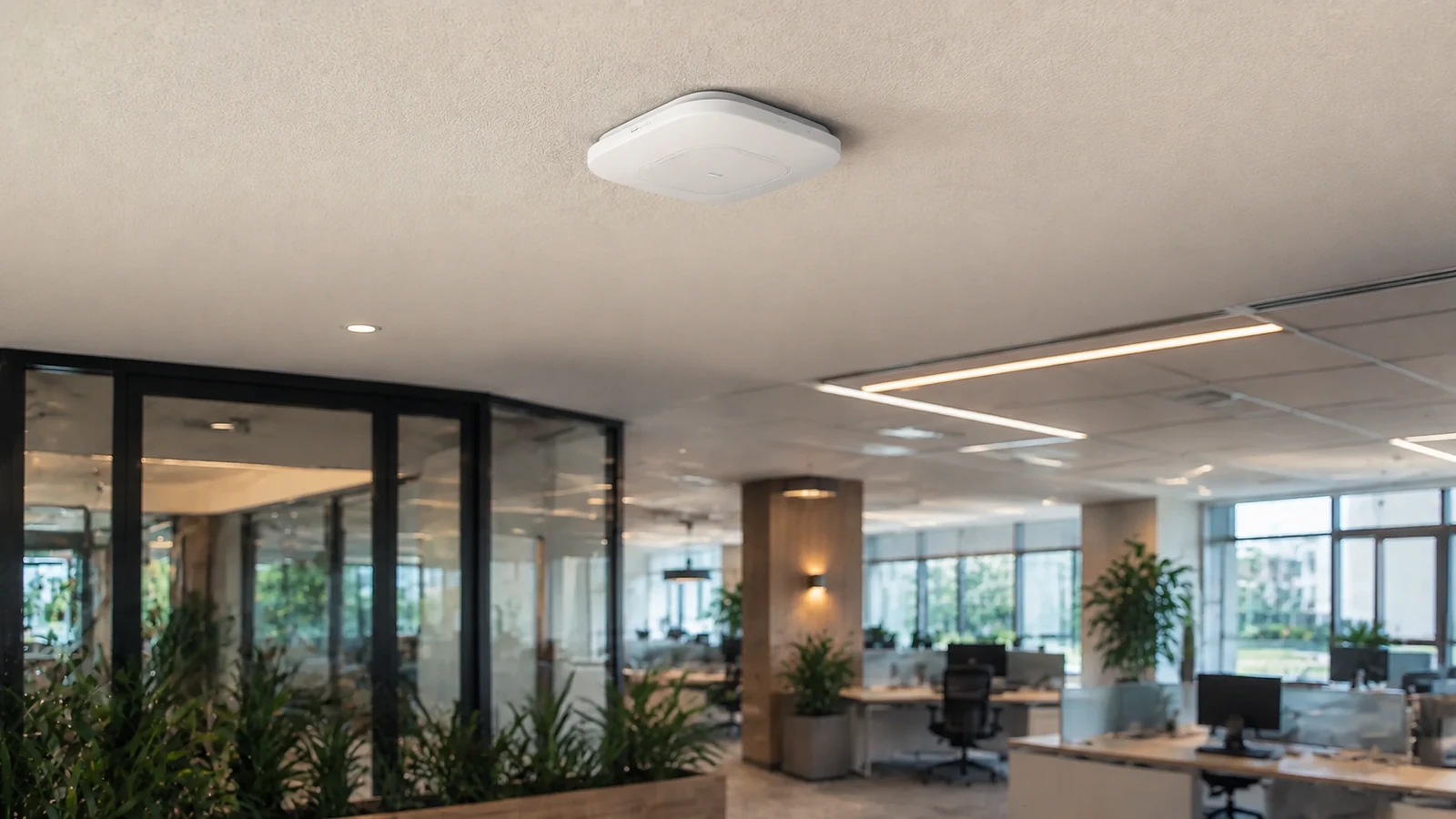
Switching, PoE, VLANs, uplinks, addressing, capacity, and owner network policy form the active infrastructure behind commercial wireless.
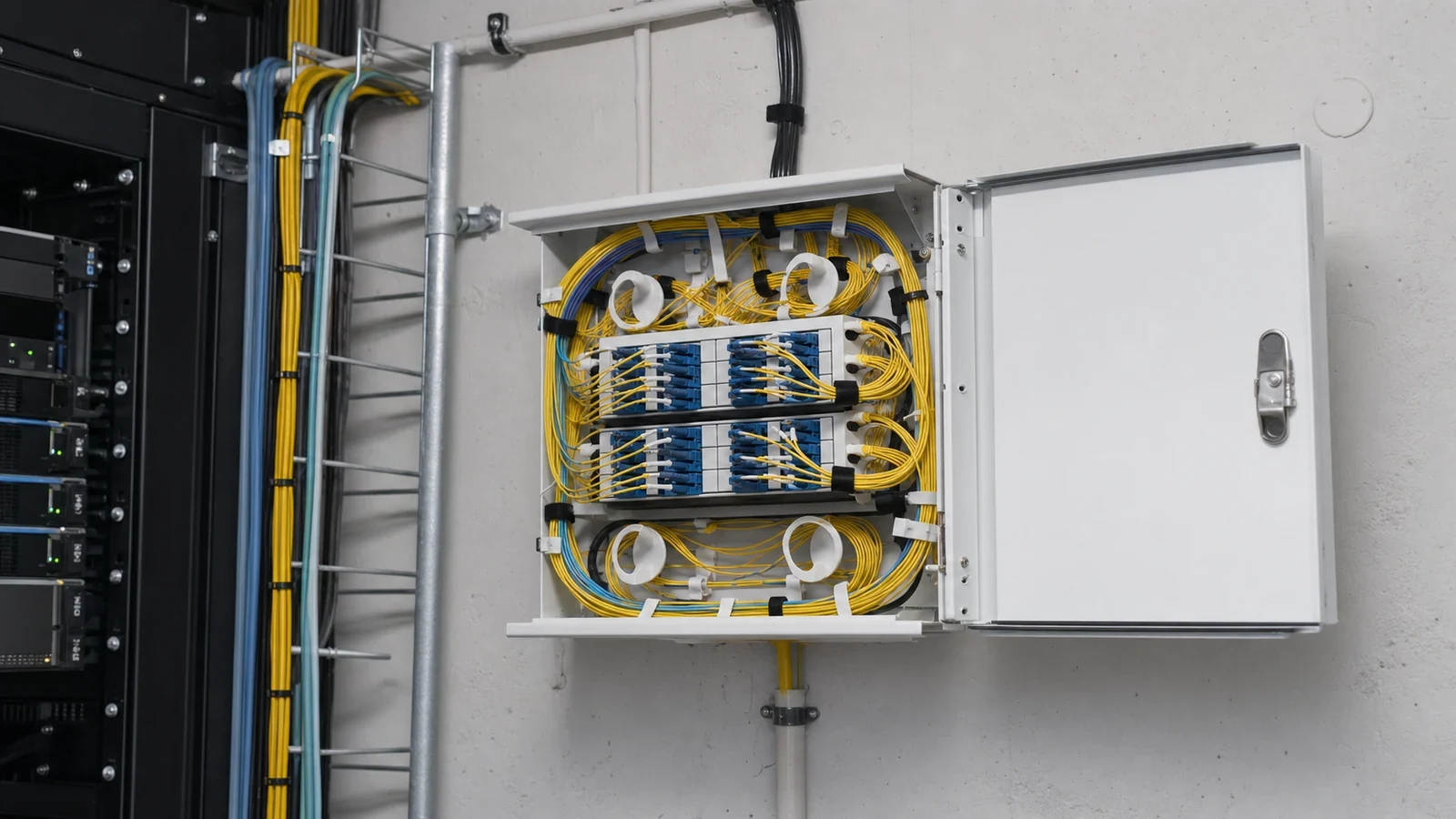
Access-point backhaul, pathways, telecommunications rooms, racks, patching, labels, and tests support fixed wireless infrastructure.
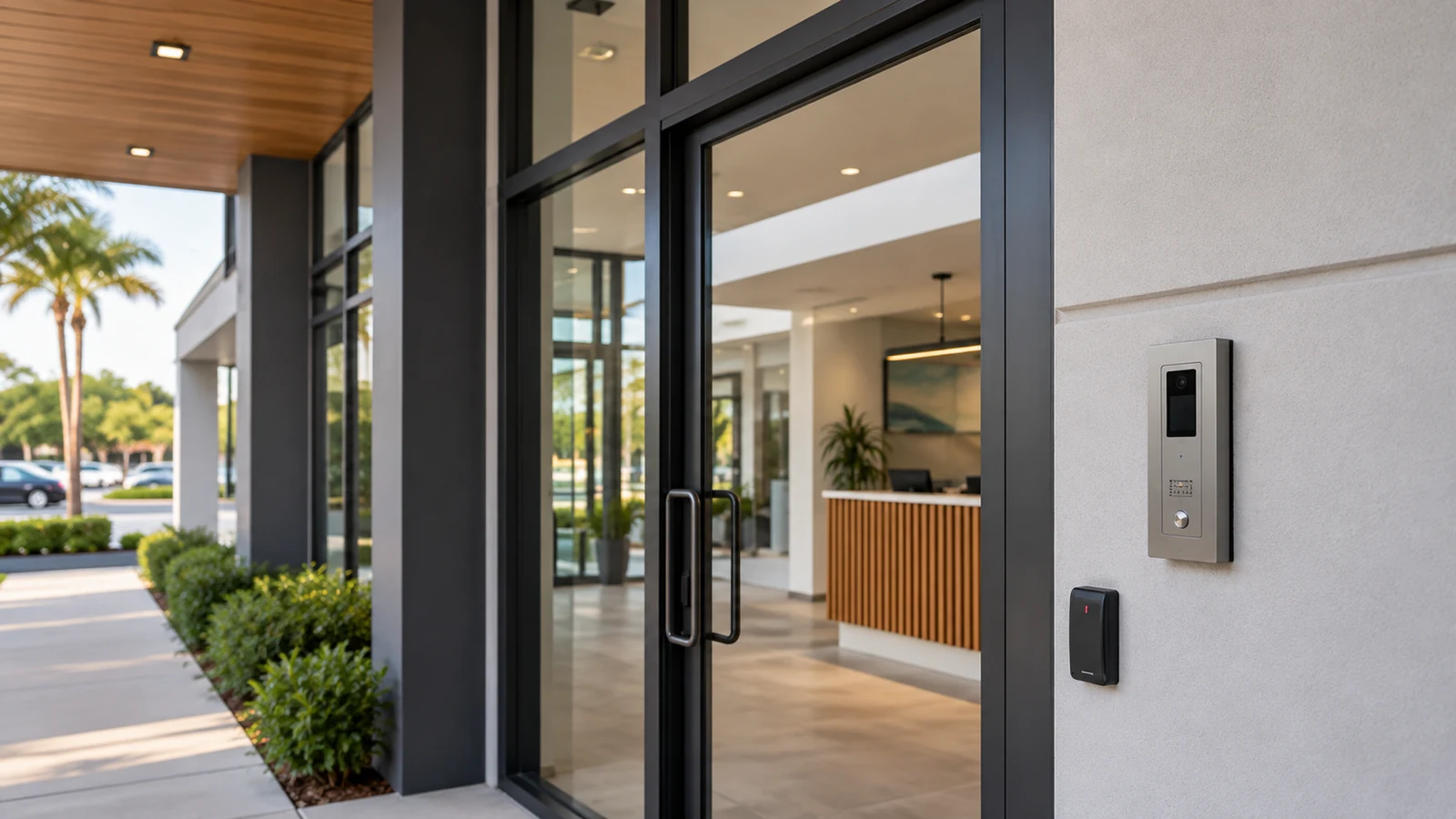
Selected intercom mobile or IP workflows may depend on approved wireless or network services, but compatibility and entry functions require separate validation.
INDUSTRIES SERVED
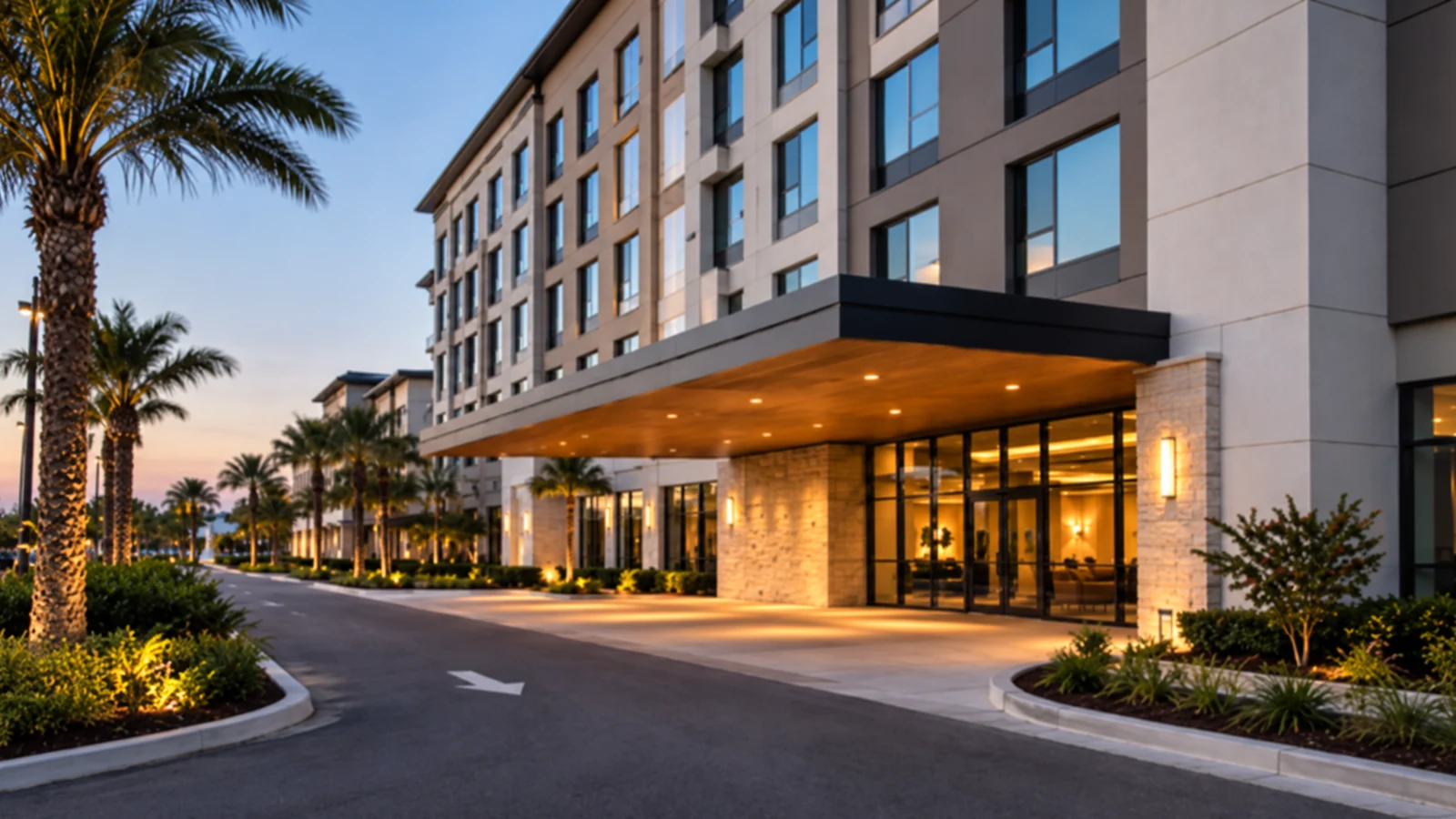
Guest, staff, meeting, amenity, and back-of-house wireless zones.
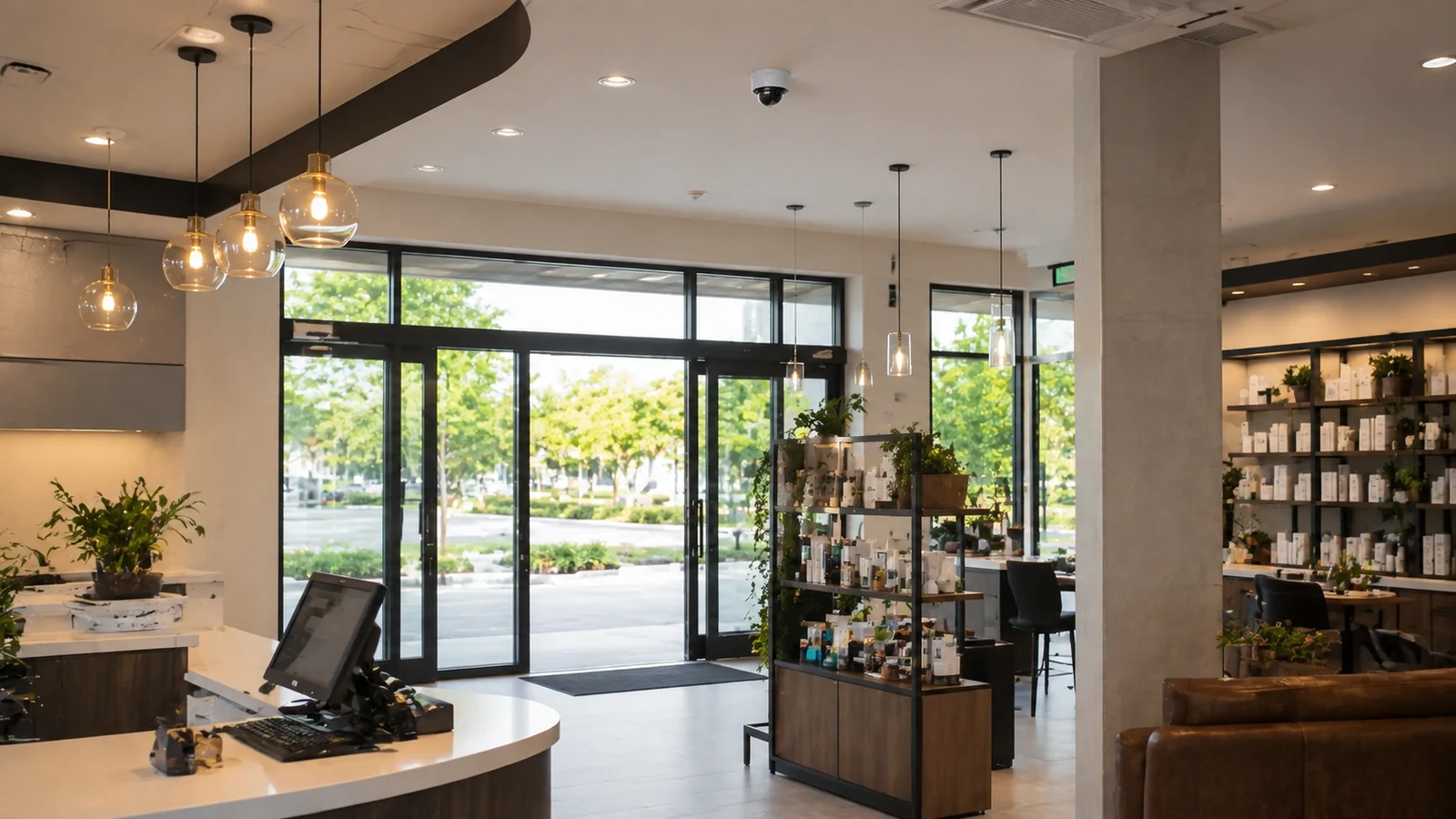
Mobile operations, collaboration, device density, and roaming paths.
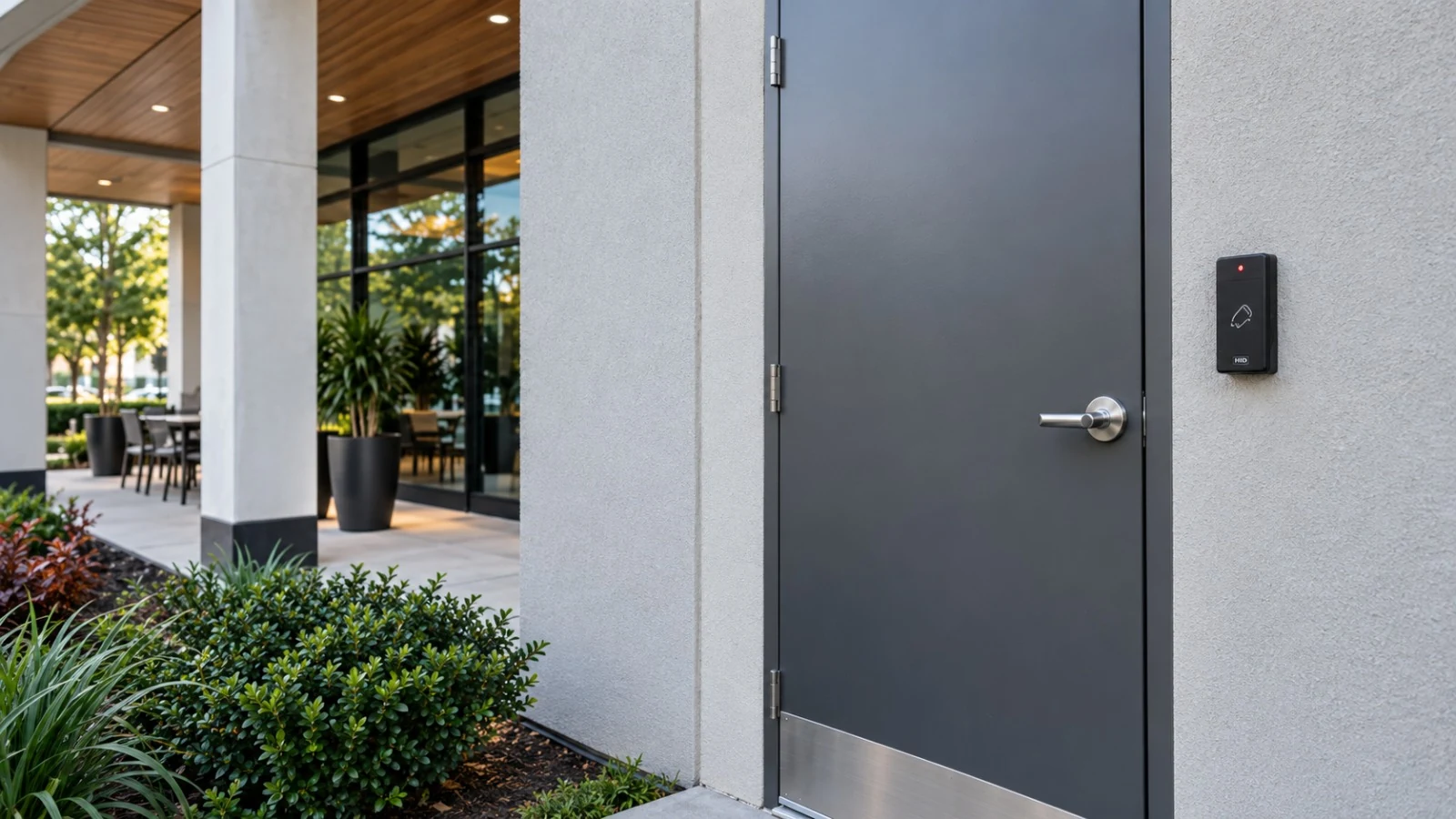
Common areas, outdoor zones, distributed backhaul, and support ownership.
PROJECT PROCESS
Review spaces, users, devices, applications, construction, interference, existing wireless, mounting, cabling, switching, internet, and IT ownership.
Define access-point locations, backhaul, PoE, channels, power, SSIDs, VLAN inputs, roaming goals, test areas, and documented assumptions.
Install the approved cabling and access points, coordinate switch and platform settings, label infrastructure, and record deviations from the plan.
Test agreed areas and scenarios, document measurements and exceptions, adjust within the approved scope, and deliver access-point, port, configuration, and administrator records.
LICENSED PROJECT SUPPORT
Data Pro Communications - West Orlando is a regional website of Data Pro Communications. Commercial projects are coordinated through the West Orlando / Lakehurst Branch at 5950 Lakehurst Dr, #234, Orlando, FL 32819; (407) 994-3227; FL License #EC13016138. Project requirements, access, schedule, connected systems, and responsibility boundaries are reviewed before the final scope is established.
FAQ
The number depends on layout, materials, floor count, indoor and outdoor areas, users, devices, applications, access-point capabilities, interference, mounting, and backhaul. A fixed square-foot rule is not a reliable substitute for planning and validation.
No. A design can target agreed coverage areas and validation criteria, but changing interference, building conditions, client behavior, equipment, occupancy, and configuration prevent a responsible universal coverage guarantee.
Wired backhaul connects access points to switches and the broader network. Cable category, distance, switch-port speed, PoE, uplinks, pathways, and labels affect how reliably each access point can be operated and serviced.
The switch and cabling must support the access point’s negotiated power and data requirements. Planning should review per-port and total PoE capacity, cable links, switch model, uplinks, startup behavior, and future additions.
Supported networks can use separate SSIDs, VLANs, authentication, portals, firewall rules, and policies. The responsible IT team must approve addressing, routing, allowed communications, logging, privacy, and support responsibilities.
Other Wi-Fi networks, channel reuse, building systems, reflective or obstructive materials, device density, client behavior, and changing occupancy can affect RF conditions. Planning and validation can identify issues but cannot eliminate every source.
Roaming depends on access-point design, configuration, signal overlap, authentication, network latency, application sensitivity, and client decisions. A project can test agreed roaming scenarios but cannot guarantee identical behavior from every device.
Yes, when coverage goals, weather exposure, mounting, environmental equipment ratings, cable or fiber routes, power and PoE, grounding or surge considerations, network policy, and maintenance access are defined for the site.
Not automatically. Help-desk support, endpoint troubleshooting, cybersecurity monitoring, account administration, internet-service management, firmware policy, and ongoing RF optimization require separately assigned responsibilities.
Helpful inputs include floor and site plans, priority areas, user and device counts, applications, existing access points, internet service, switches and PoE, VLAN and security policy, outdoor goals, mounting restrictions, known trouble spots, and future expansion plans.
Tell us about your spaces, users, devices, applications, trouble areas, outdoor zones, existing access points, switches, PoE, internet service, and IT requirements. The Lakehurst team can define the next survey, design, and validation step.