
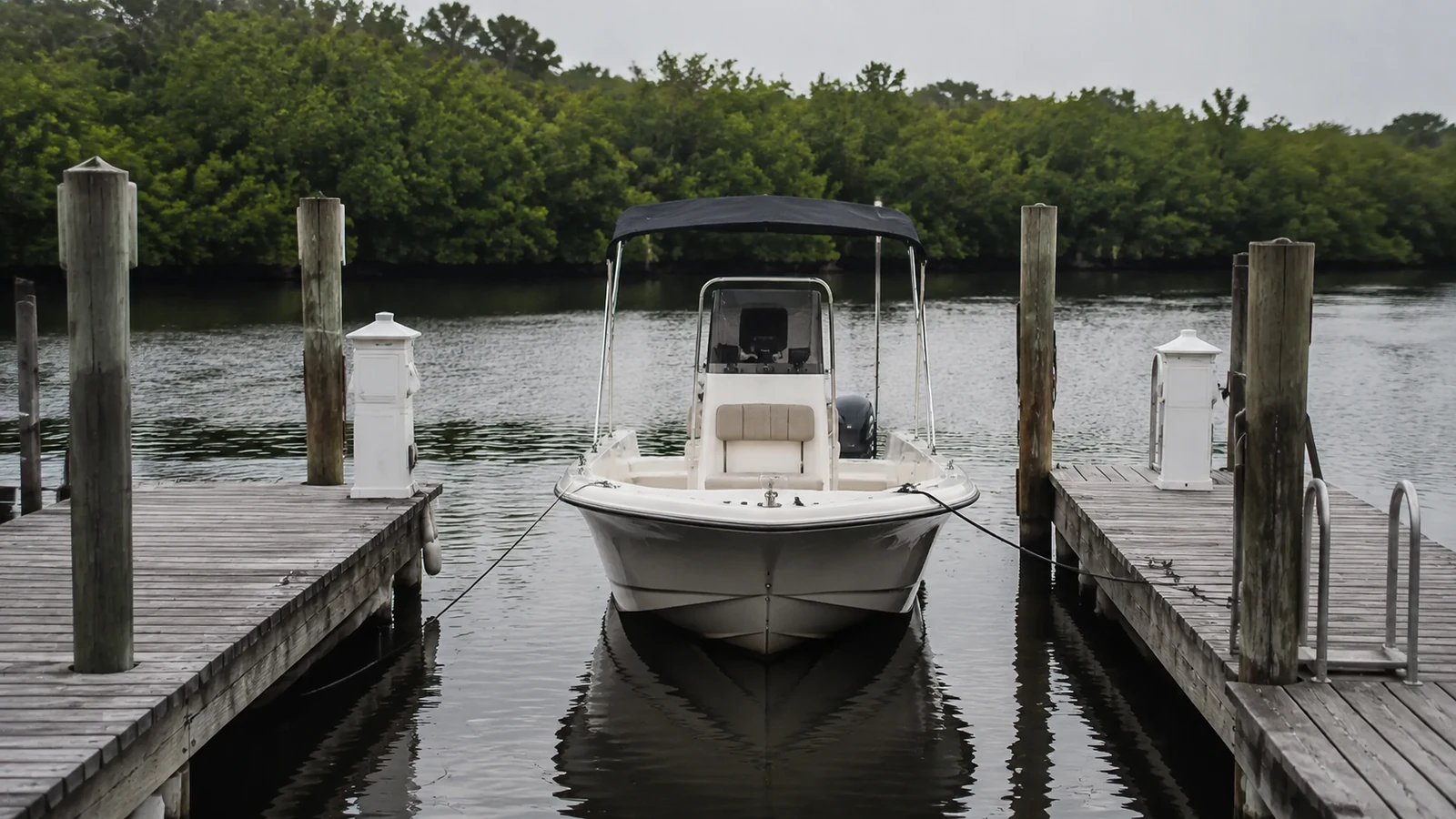
Occupied-Space Planning
Work zones and access windows are organized around the property's operating schedule and approved rules.
WATERFRONT SECURITY AND CONNECTIVITY PLANNING
Marinas and waterfront facilities need security and network infrastructure that accounts for docks, ramps, gates, parking, service areas, changing light and long outdoor distances. Data Pro Communications plans cameras, controlled entry, intercom, structured cabling, fiber and commercial Wi-Fi around the property's authorized operations.
The site survey maps shoreline and dock geometry, mounting, power and network availability, corrosion and weather exposure, public and member access, night lighting and serviceability. Marine, electrical, structural, environmental and life-safety decisions remain with the responsible specialists and authorities.
Work zones and access windows are organized around the property's operating schedule and approved rules.
Camera, access, intercom, cabling, network and related dependencies are reviewed as one property plan.
Cutovers and installation activities can be sequenced to protect active operations and network continuity.
Labels, schedules, pathway notes and test records support future service and administrator transitions.
Work is provided by a Florida licensed low-voltage contractor and systems integrator under EC13016138.
SERVICE OVERVIEW
A marina-system plan must work across land and waterfront zones. Gate and parking activity, dock approaches, slips, service buildings, fuel or maintenance areas and guest Wi-Fi each have different distance, exposure and ownership requirements. A serviceable design favors appropriate pathways, fiber or wireless backhaul where supported, environmental protection and clear maintenance access.
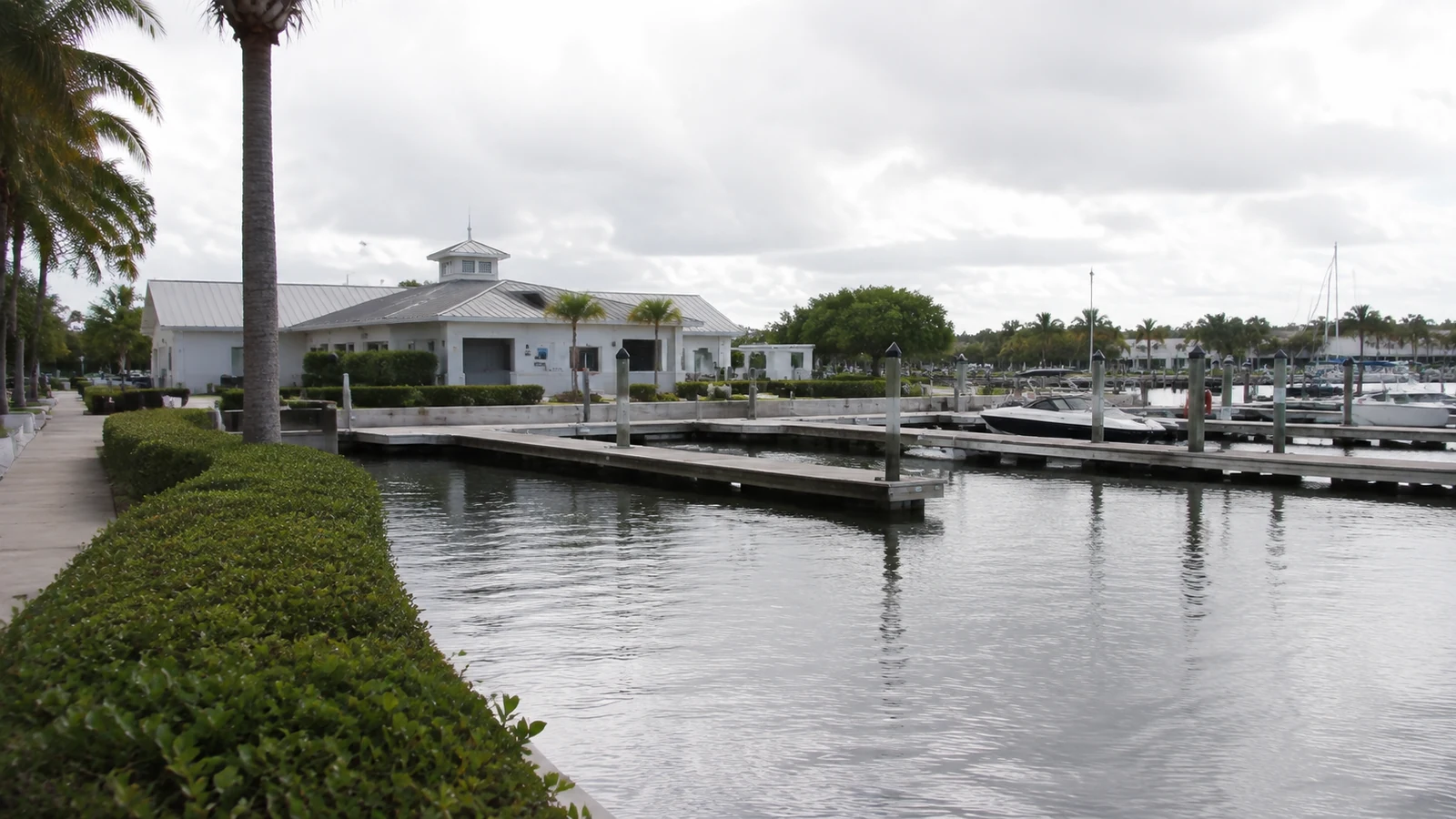
PROJECT DETAILS
Docks and shoreline zones may exceed practical copper limits and require fiber or supported wireless design.
Salt, humidity, rain, sun and wind affect enclosures, mounting, connectors and maintenance.
Night conditions, glare and moving reflections complicate camera views.
Gates, ramps and amenities may use different schedules and exception procedures.
Specialized operational zones require responsible safety and authority coordination.
Devices and pathways must remain reachable without unsafe or disruptive service methods.
CORE CAPABILITIES
Select approved views for entrances, ramps, dock approaches, parking and service areas.
Organize member, staff, guest and vendor credentials around owner-defined schedules.
Support visitor arrival at vehicle or pedestrian gates with defined call and release workflows.
Use appropriate media, pathways and enclosures for distance and approved exposure conditions.
Coordinate coverage zones, backhaul, switching and capacity with responsible network administration.
Survey existing equipment for condition, compatibility, corrosion and supported phased replacement.
PROJECT DETAILS
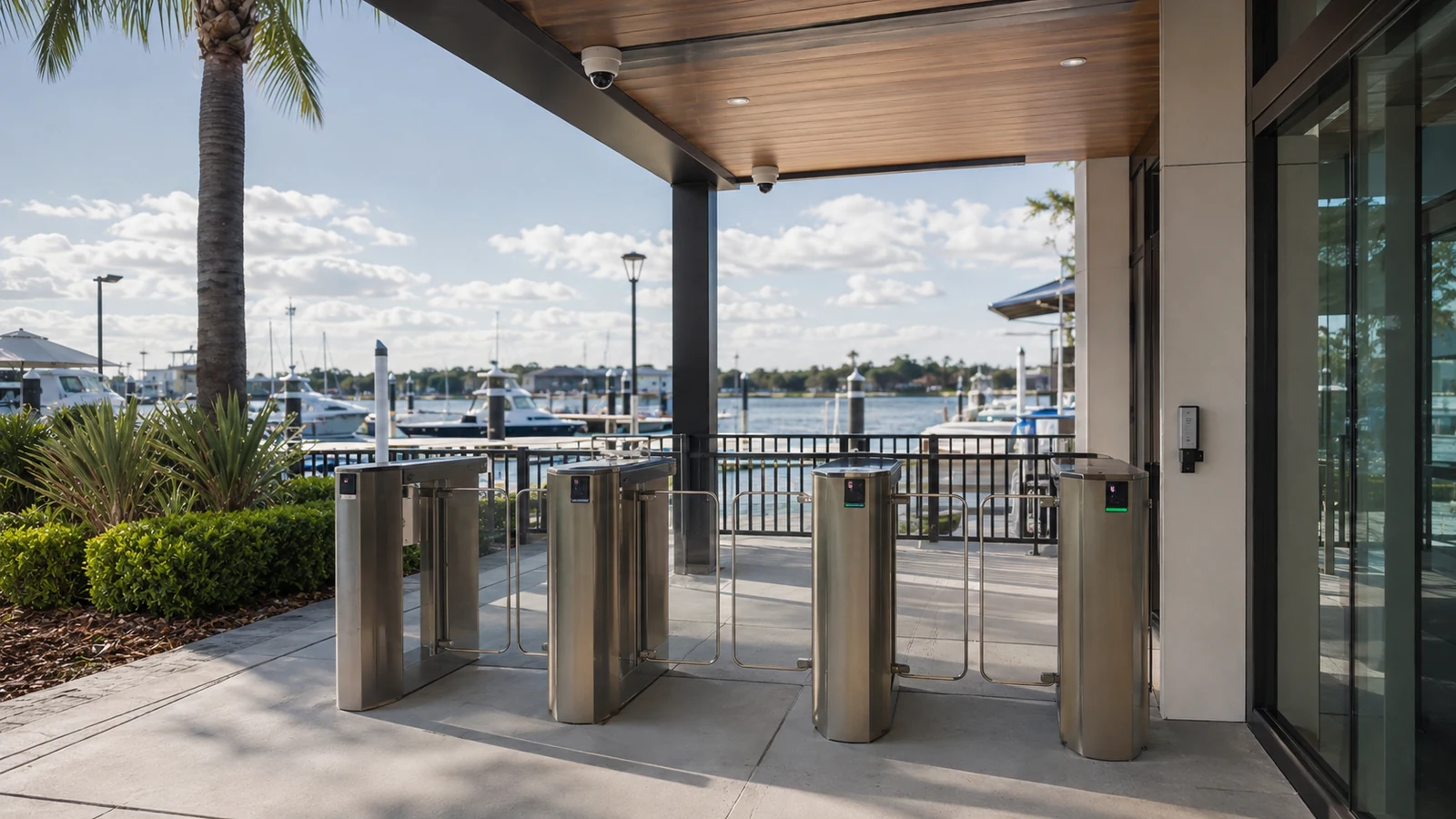
Coordinate pedestrian access schedules, gate operation, and nearby authorized views for waterfront arrival points.
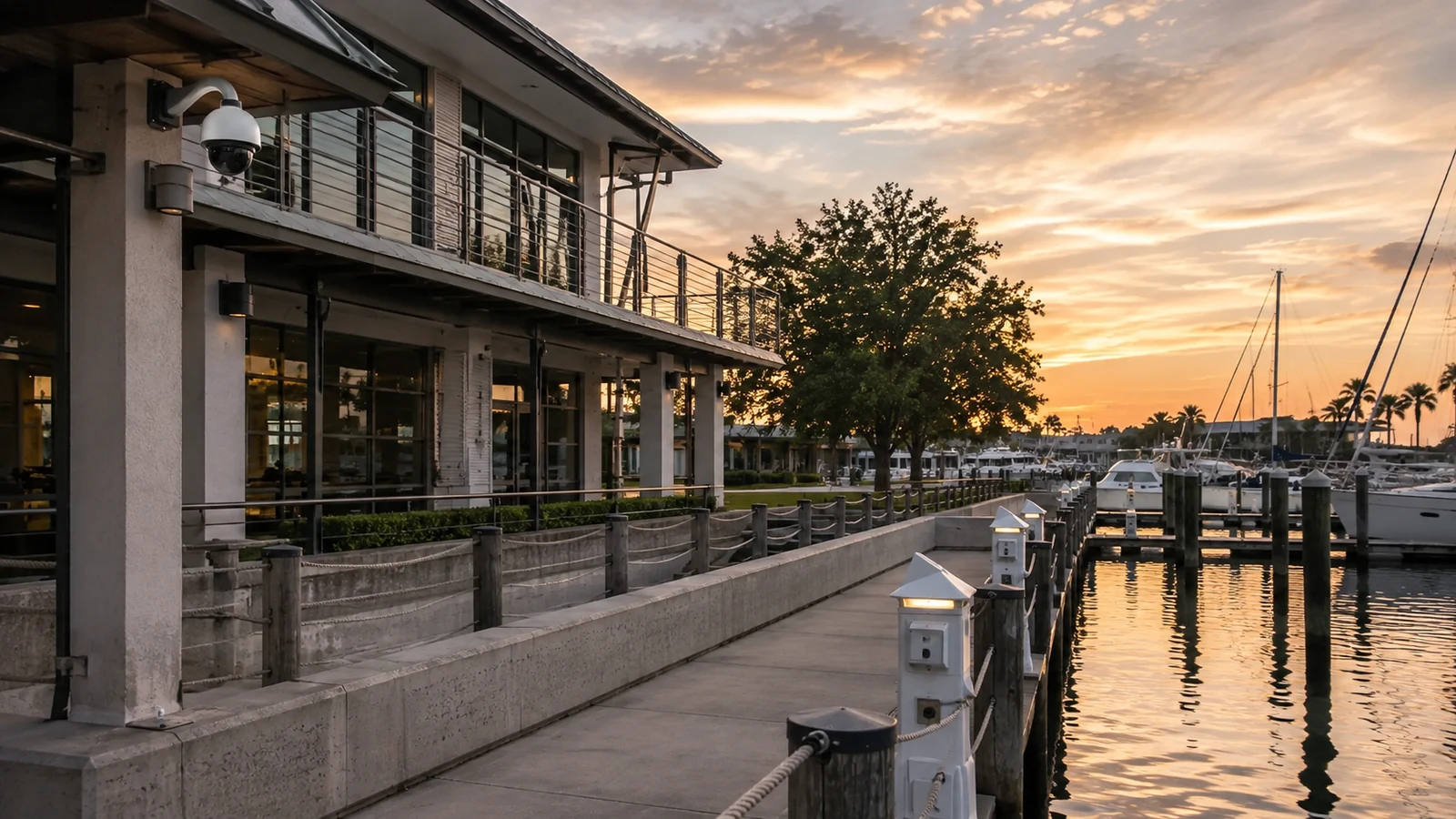
Plan operational context while avoiding unsafe or obstructive mounting.
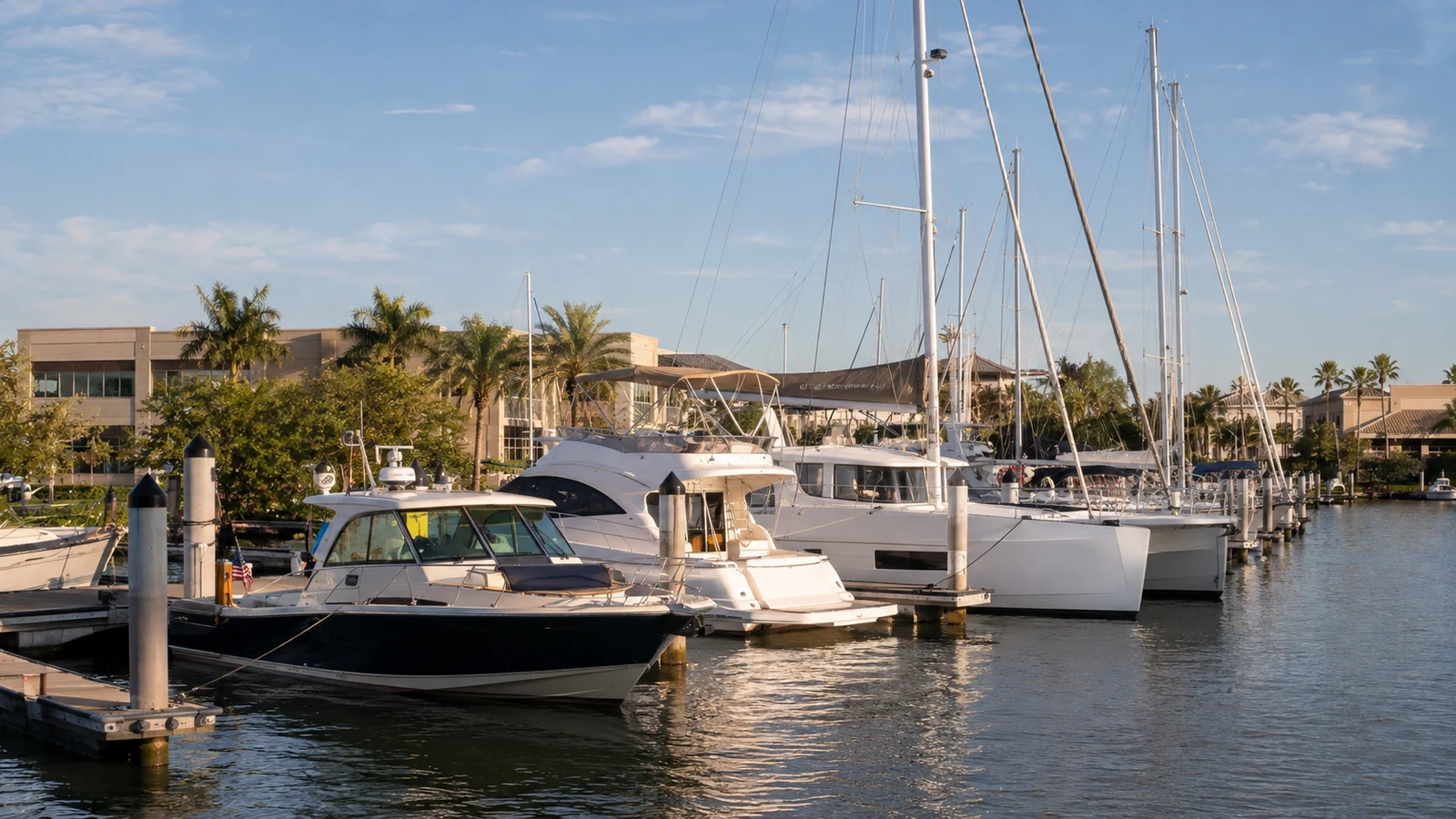
Address distance, lighting, exposure and maintenance access for authorized views.
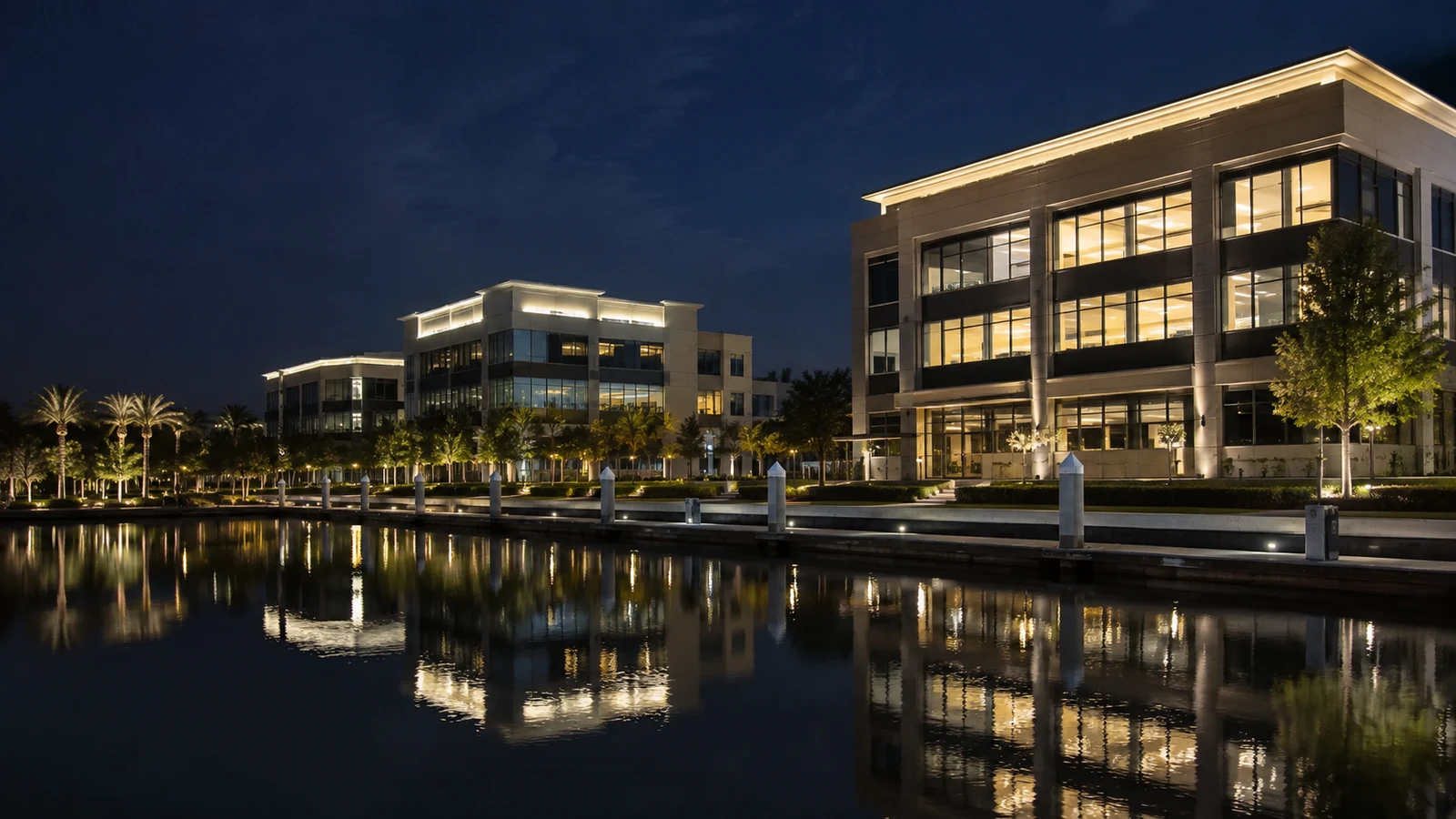
Coordinate after-hours visibility, public entry, staff areas, network service, and transaction-support infrastructure for waterfront operations.
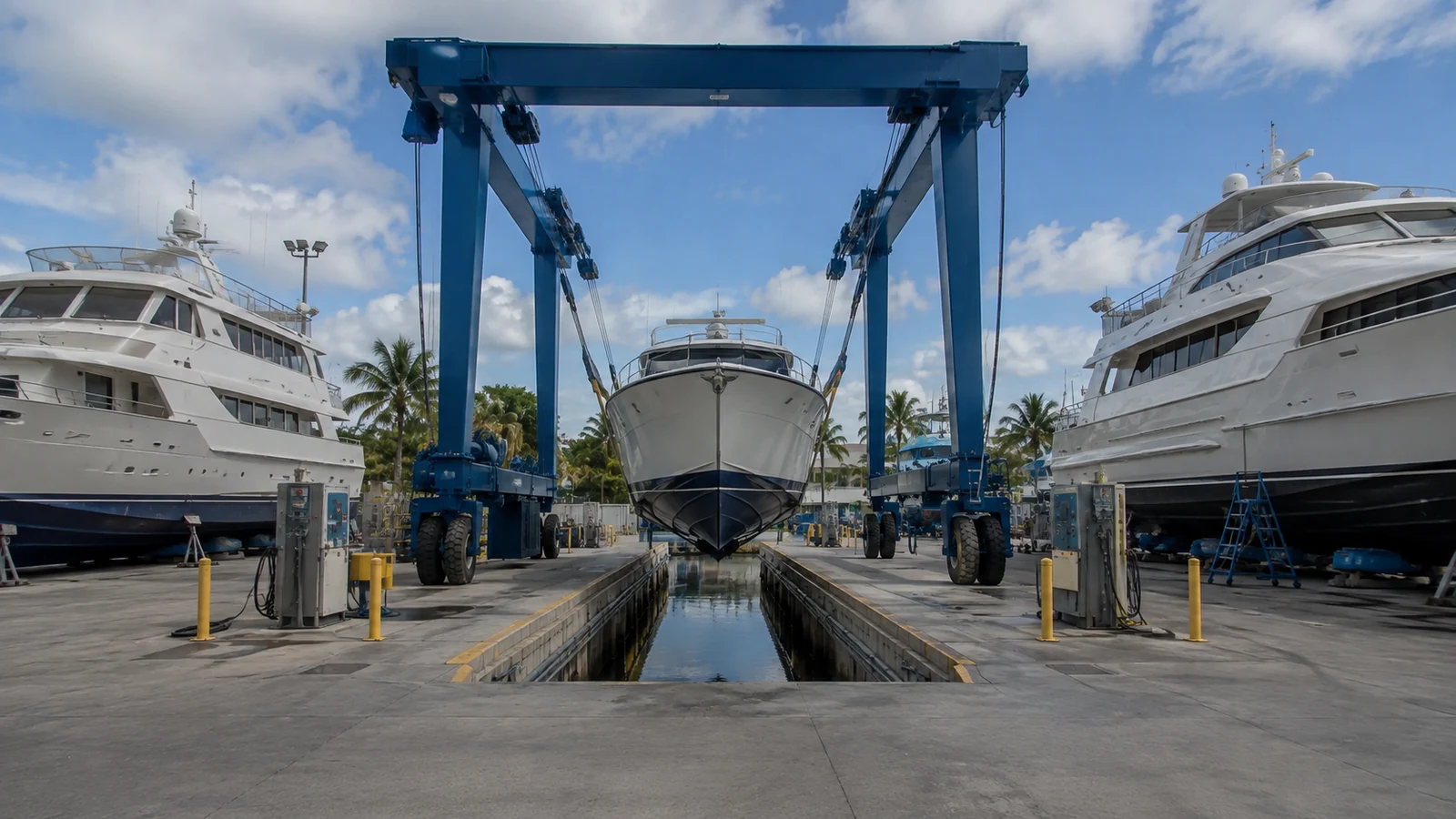
Plan views and connectivity around equipment movement and controlled operations.
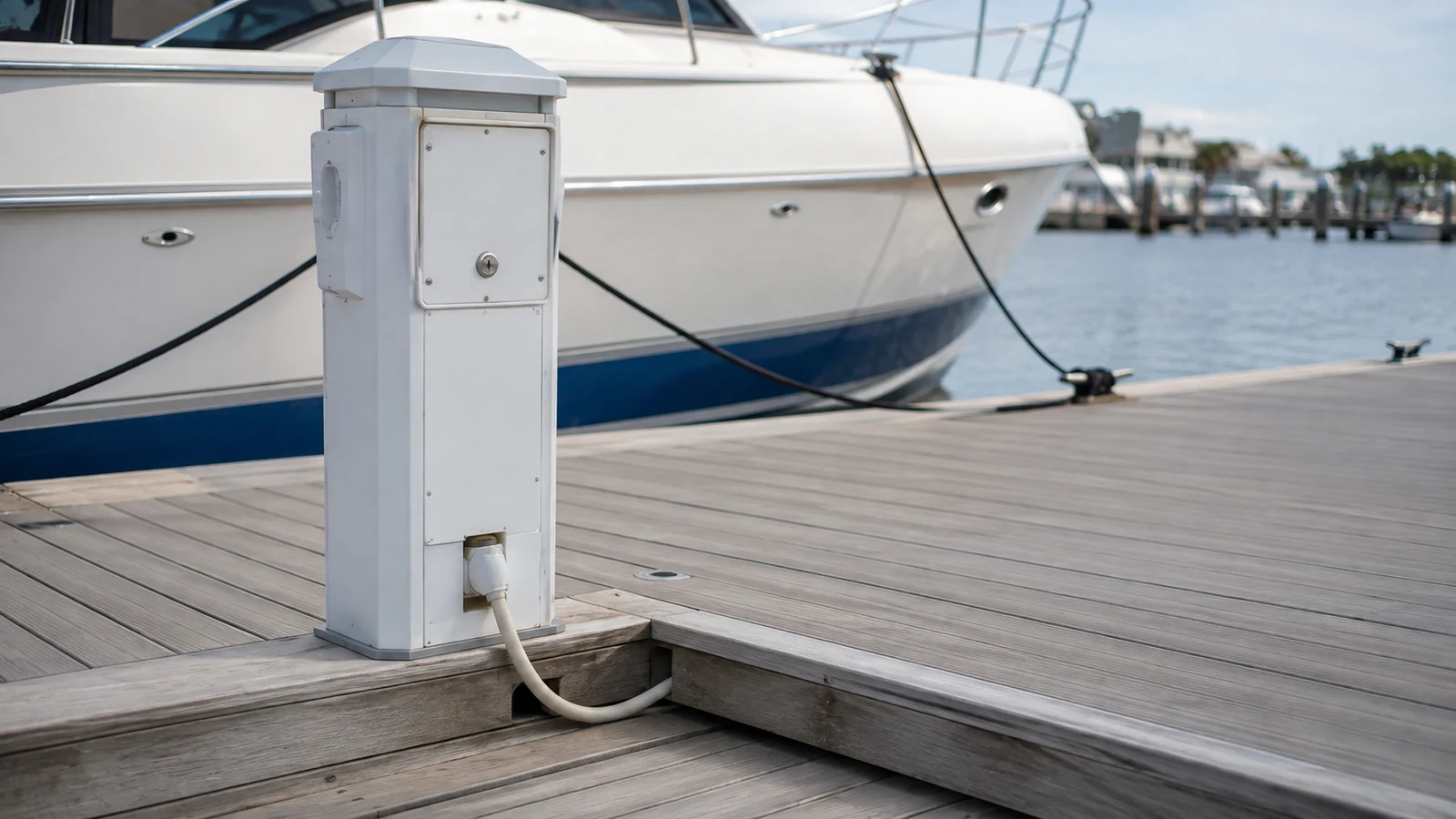
Identify shore-power and utility pedestals separately from network or fiber enclosures, then document weather protection, service access, and testing for each system.
TECHNICAL PLANNING
Measure routes, exposure, mounting, power, network reach and maintenance access.
Coordinate fiber, copper or supported wireless links with waterfront specialists.
Assign credentials, call routing, switching, remote access and ongoing support.
Use accessible enclosures, protection and labeling appropriate to the approved environment.
Provide device maps, links, labels, tests, exceptions and administrator handoff.
CONNECTED SYSTEMS
Align arrival events with nearby views where systems and owner policy support it.
Coordinate uplinks, switching, power and failover with the responsible IT team.
Separate guest, operations and security requirements according to owner policy.
Record structural, marine, electrical, environmental and low-voltage boundaries.
ORLANDO SERVICE CONTEXT
Central Florida marinas and waterfront properties differ widely in dock geometry, exposure, access and available backhaul, making a physical survey essential.
Treat land-side gates, parking, ramps, docks and service zones as separate system environments.
Use fiber or supported backhaul strategies where distance and capacity justify them.
Coordinate any specialized waterfront, fuel or electrical conditions with responsible experts.
Plan maintenance access and environmental protection as part of the original scope.
Central Florida marina properties require planning across gates, parking, offices, ship stores, ramps, docks, service yards, waterfront exposure, long pathways and connectivity between separated structures.
RELATED SERVICES
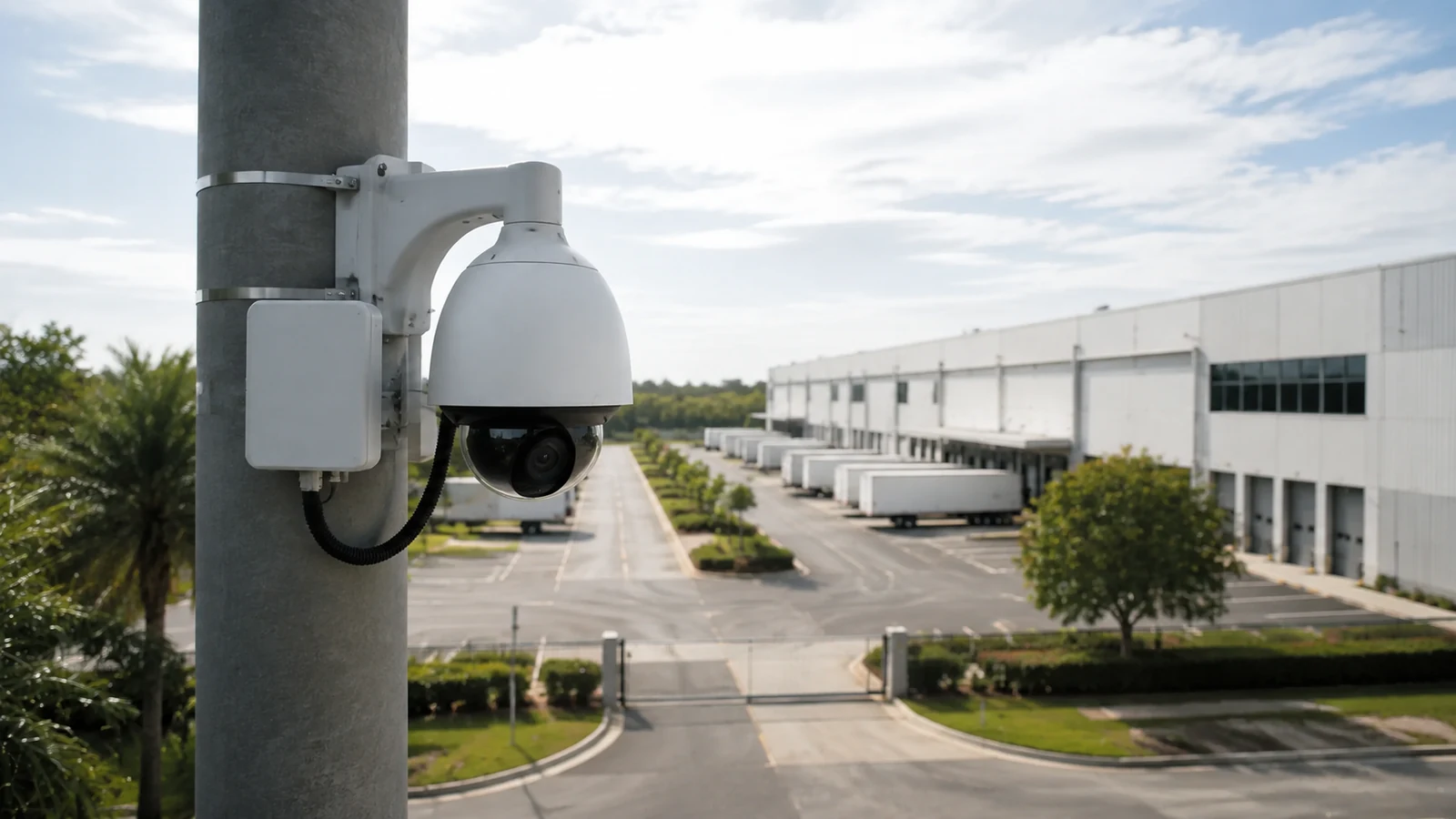
Purpose-planned camera views for entrances, circulation, exterior approaches and approved operational needs.
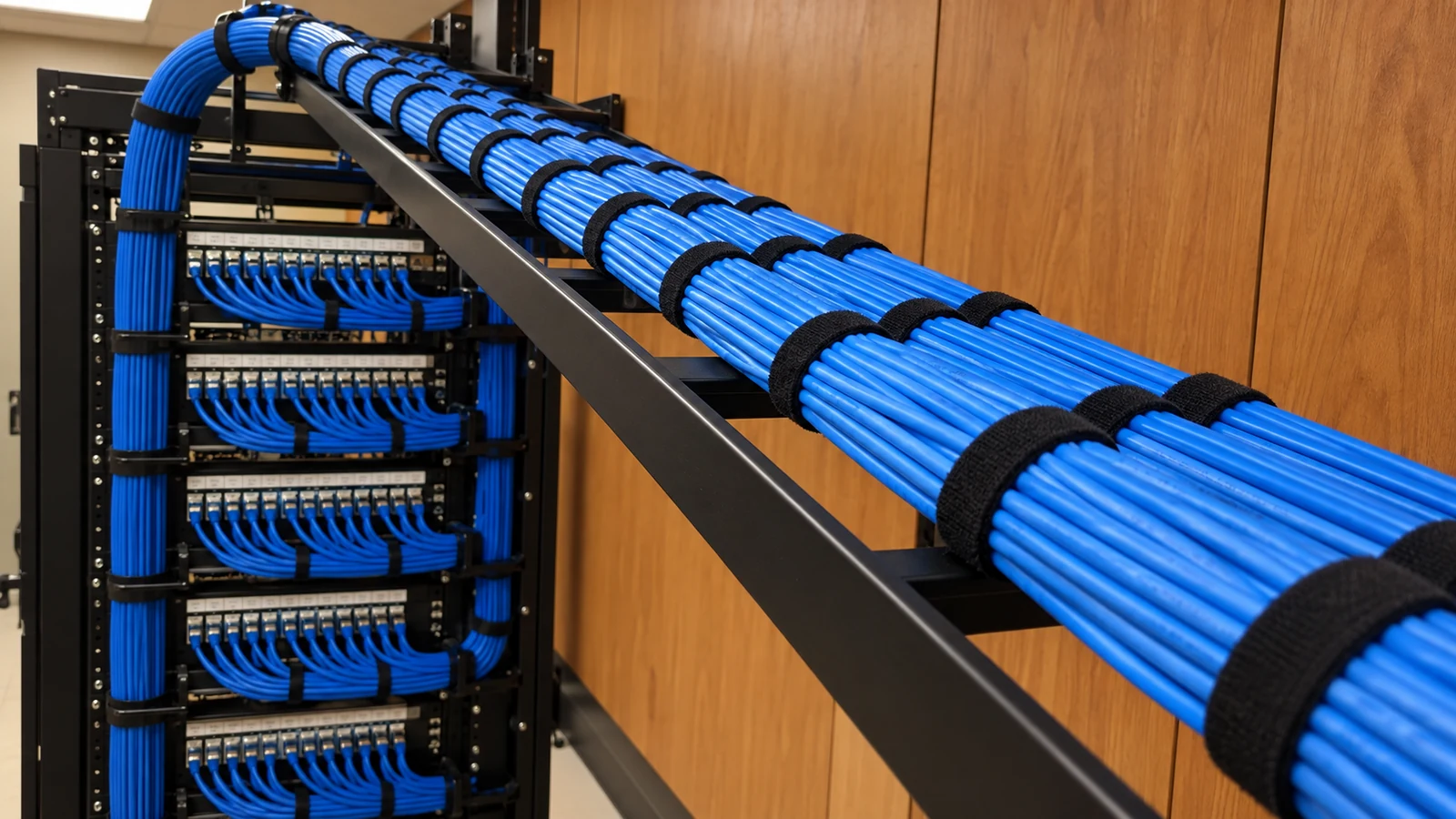
Labeled pathways and telecom-space organization for dependable system infrastructure.
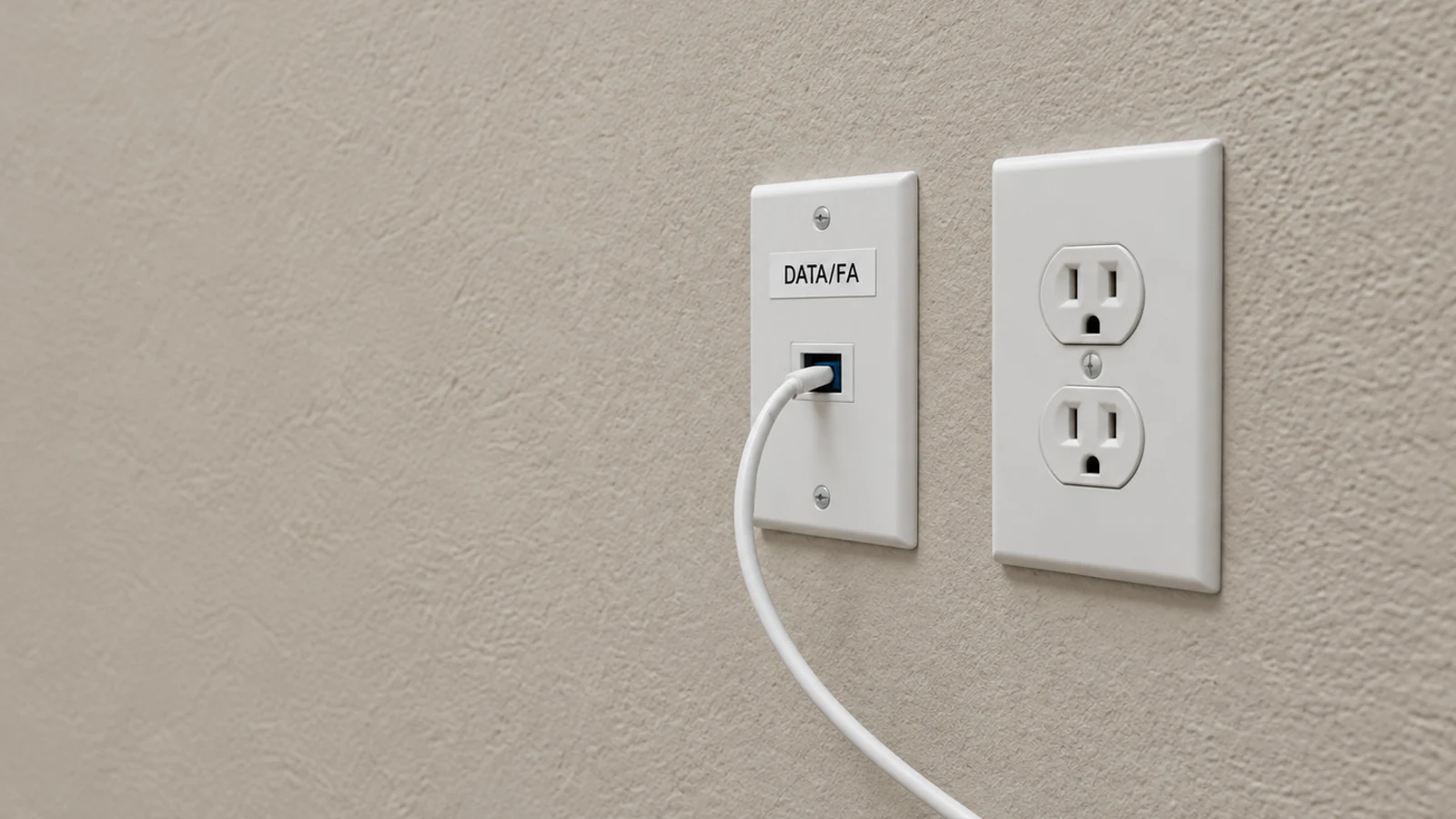
Switching locations, PoE capacity and network handoff coordinated with the responsible IT team.
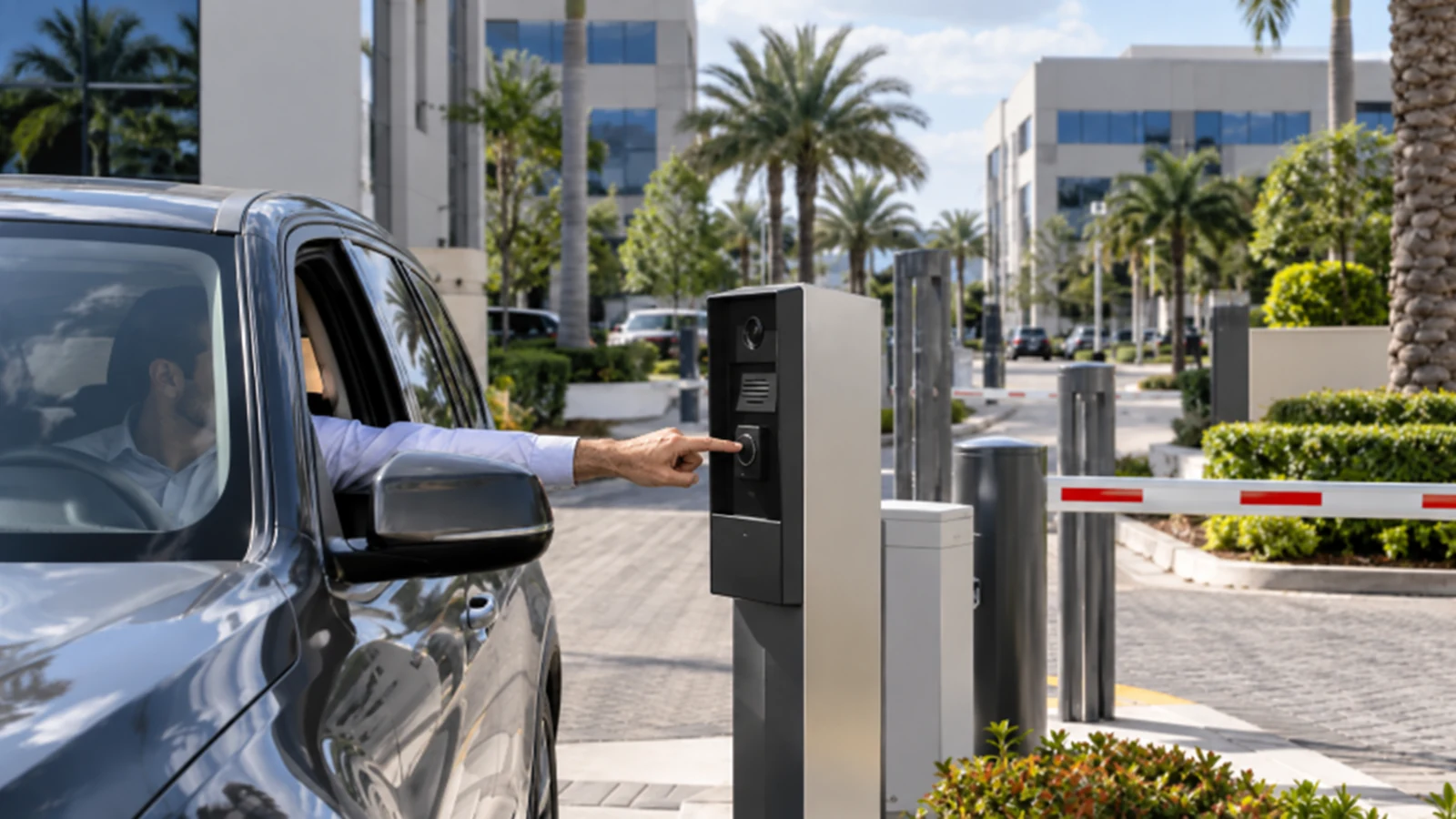
Credentialed doors with role, schedule, hardware and administrative coordination.
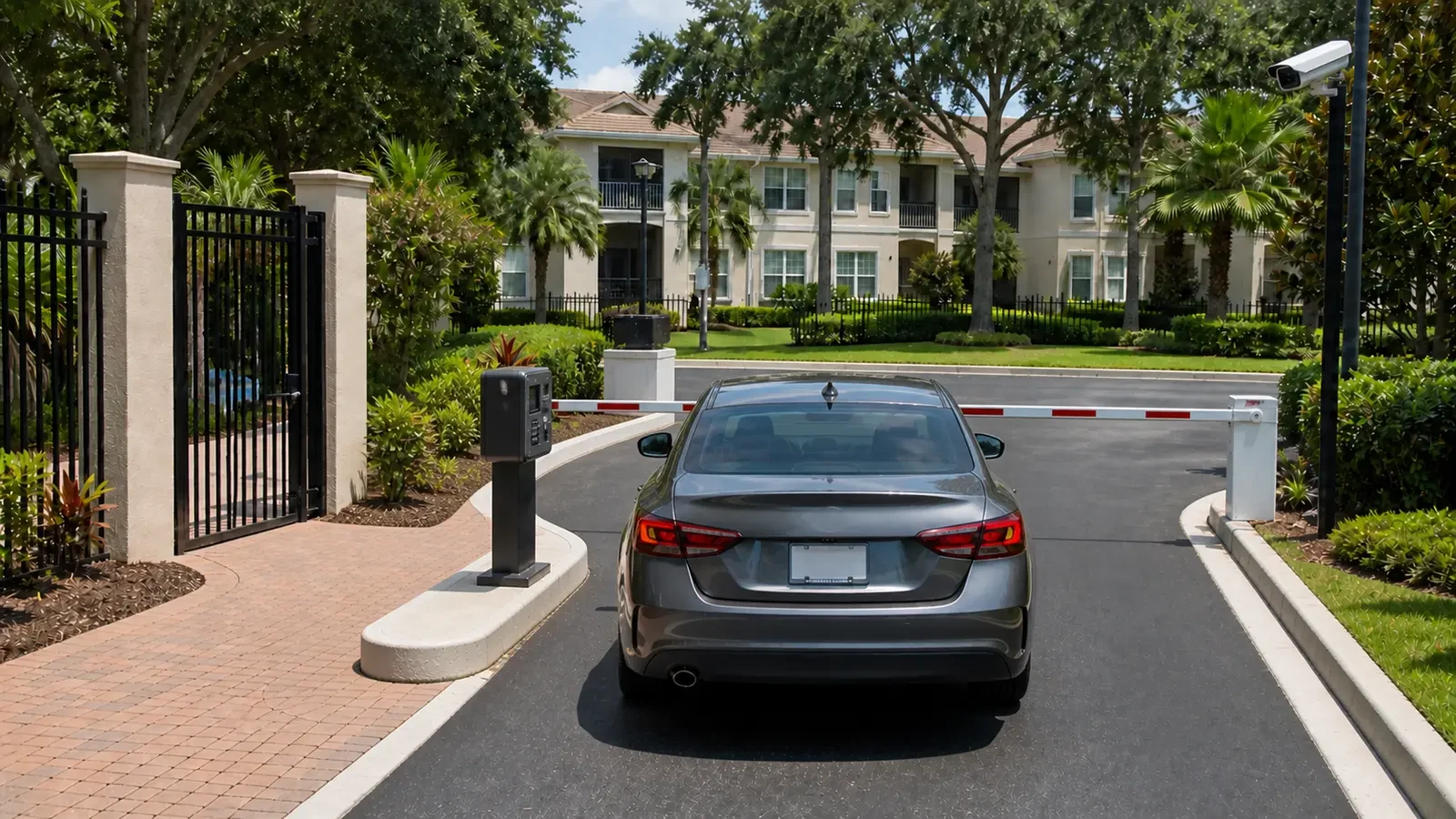
Visitor communication between designated arrival points and authorized staff.
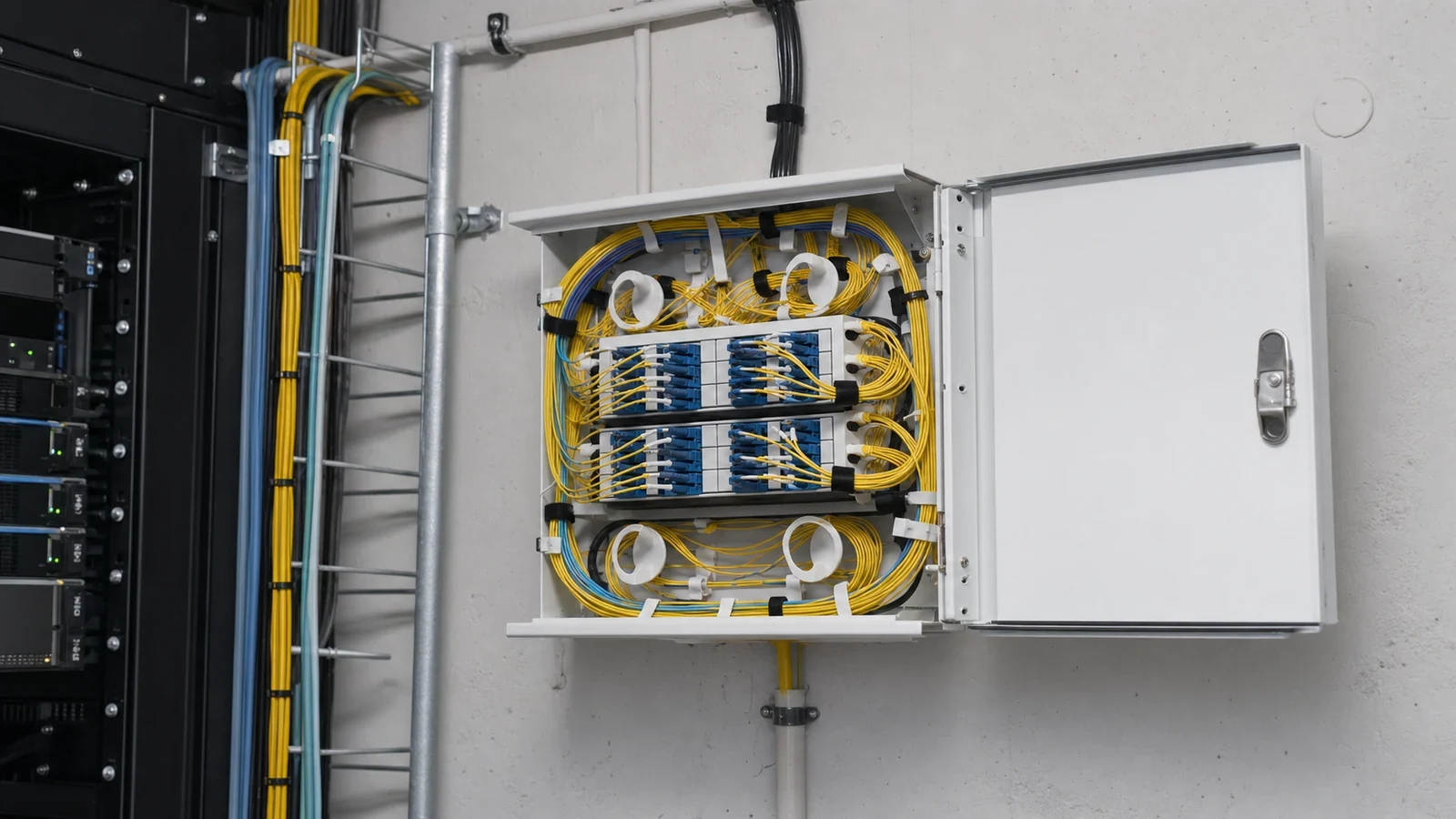
Fiber links for larger properties or buildings where distance and capacity require them.
INDUSTRIES SERVED
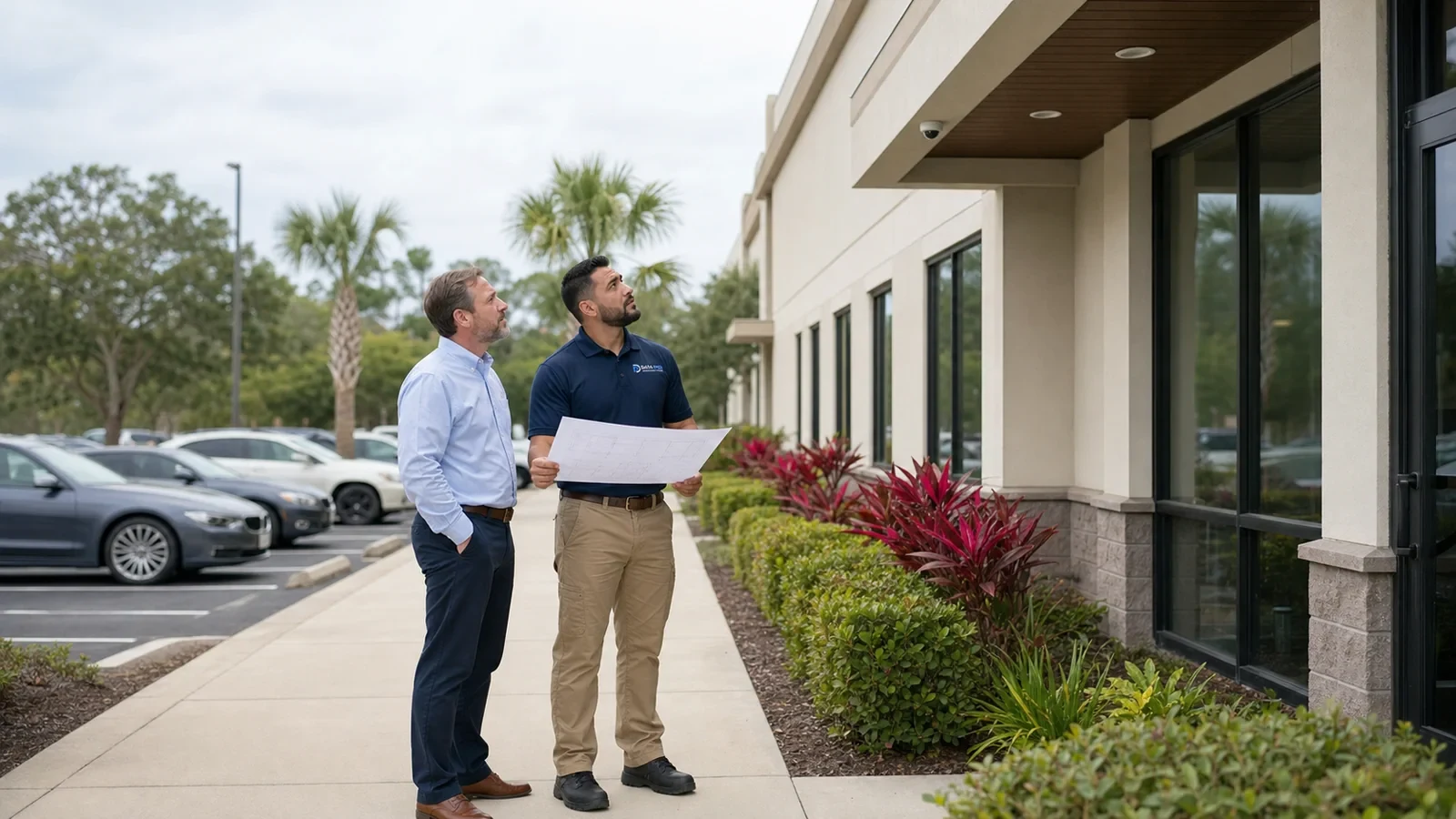
Customer-facing properties with active staff areas and public arrival workflows.
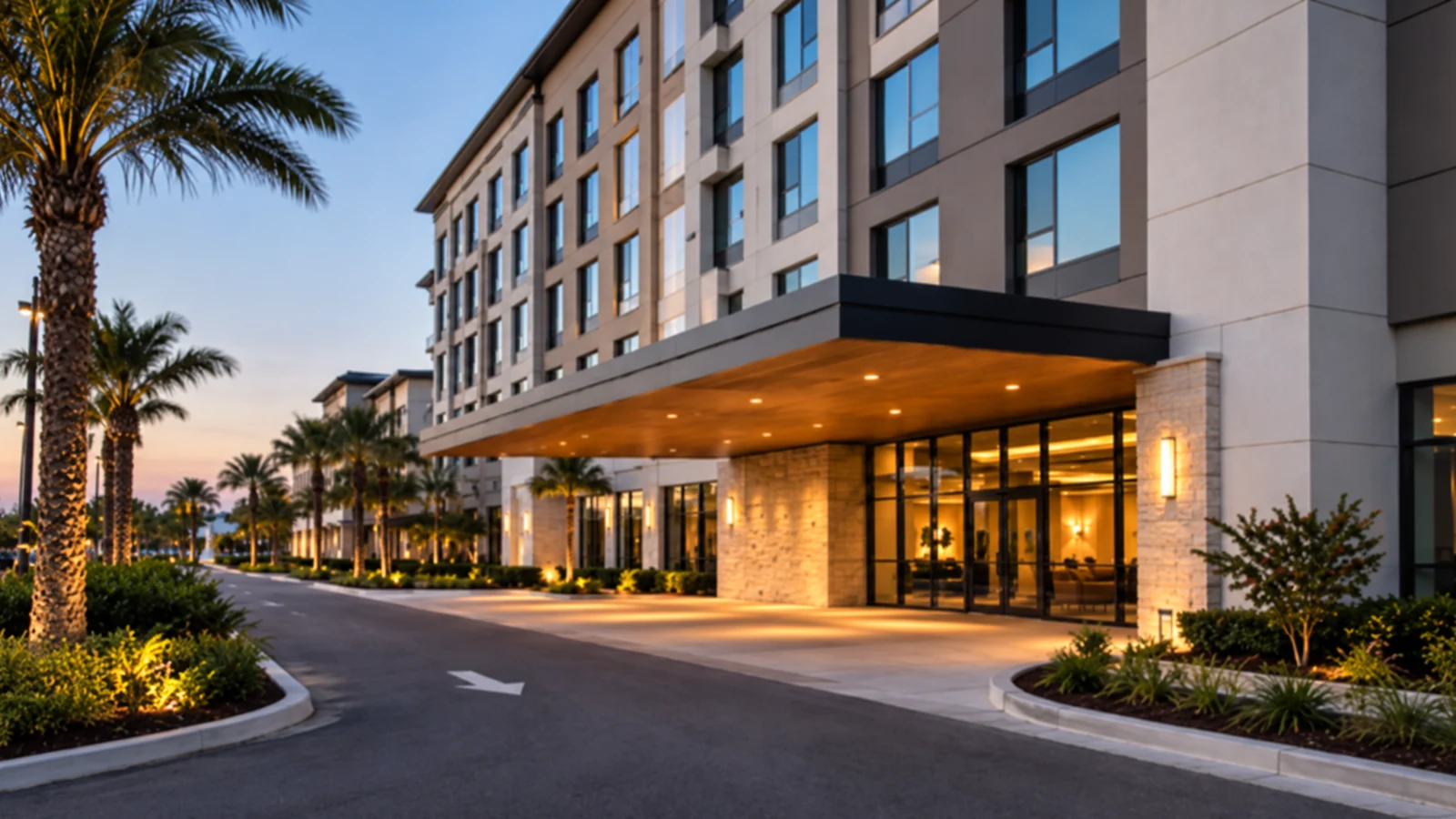
Guest properties with around-the-clock occupancy, parking and staff operations.
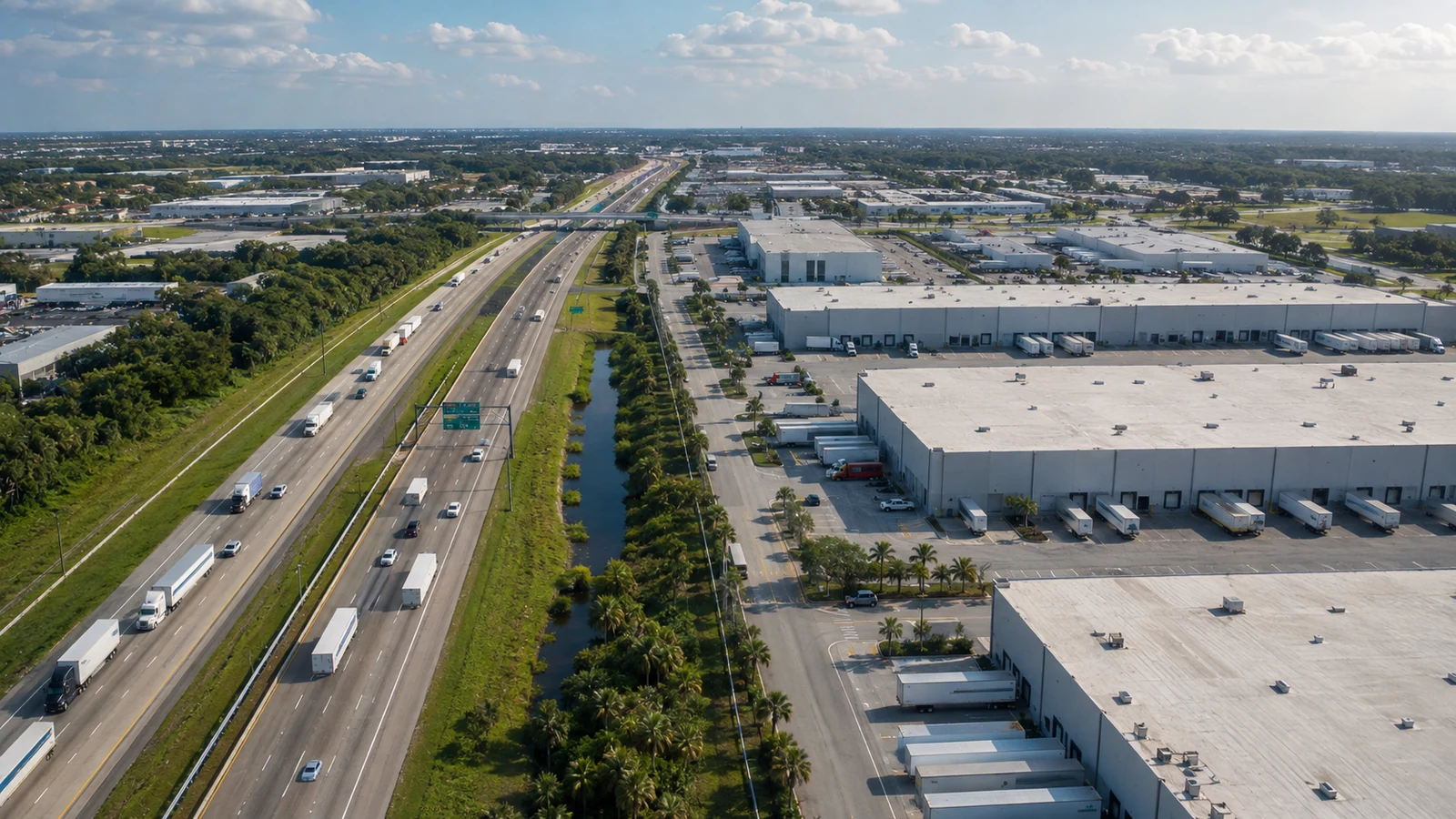
Distribution properties with yards, docks, long aisles and inventory movement.
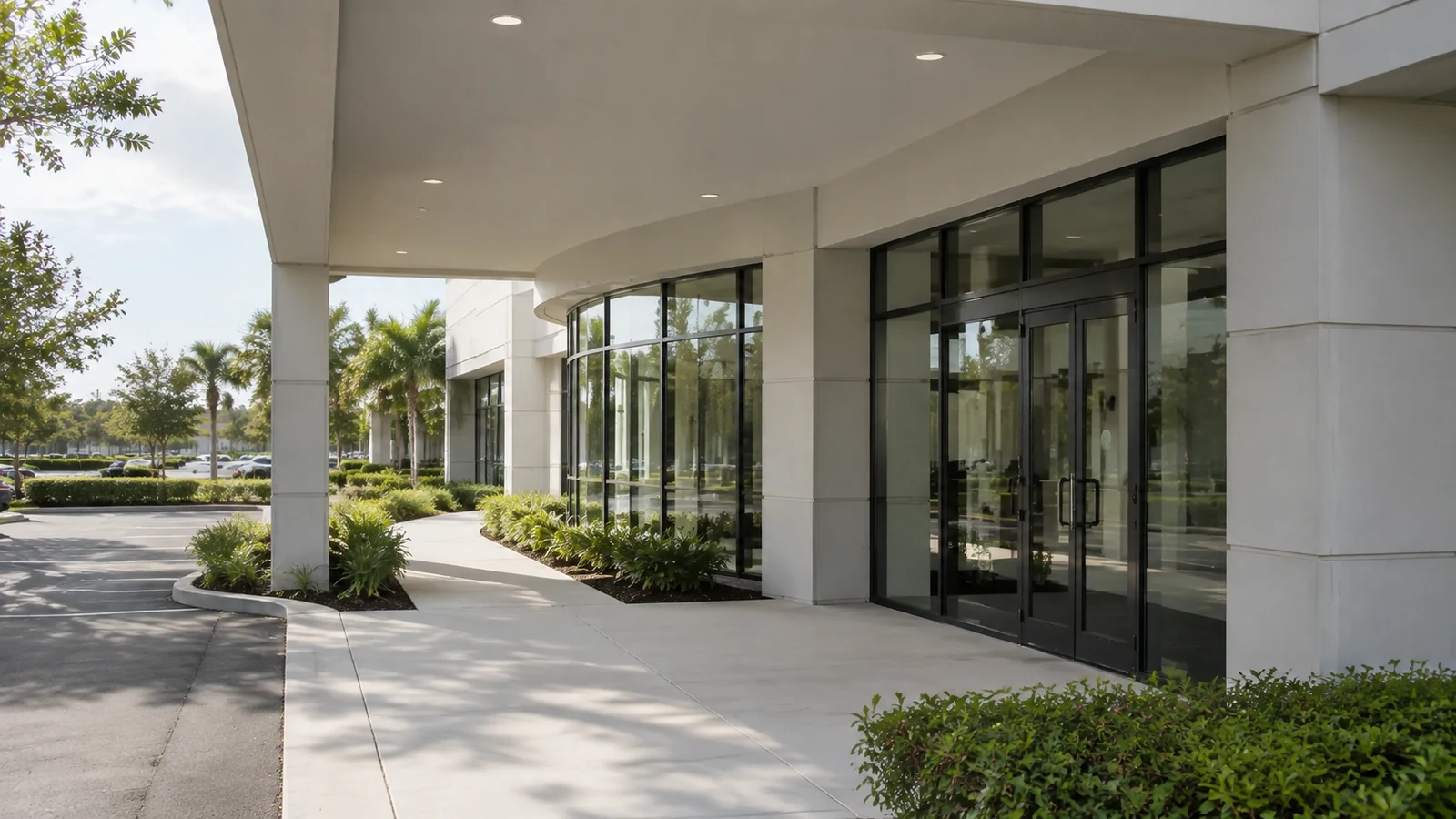
Occupied professional properties with visitor arrival and controlled staff areas.
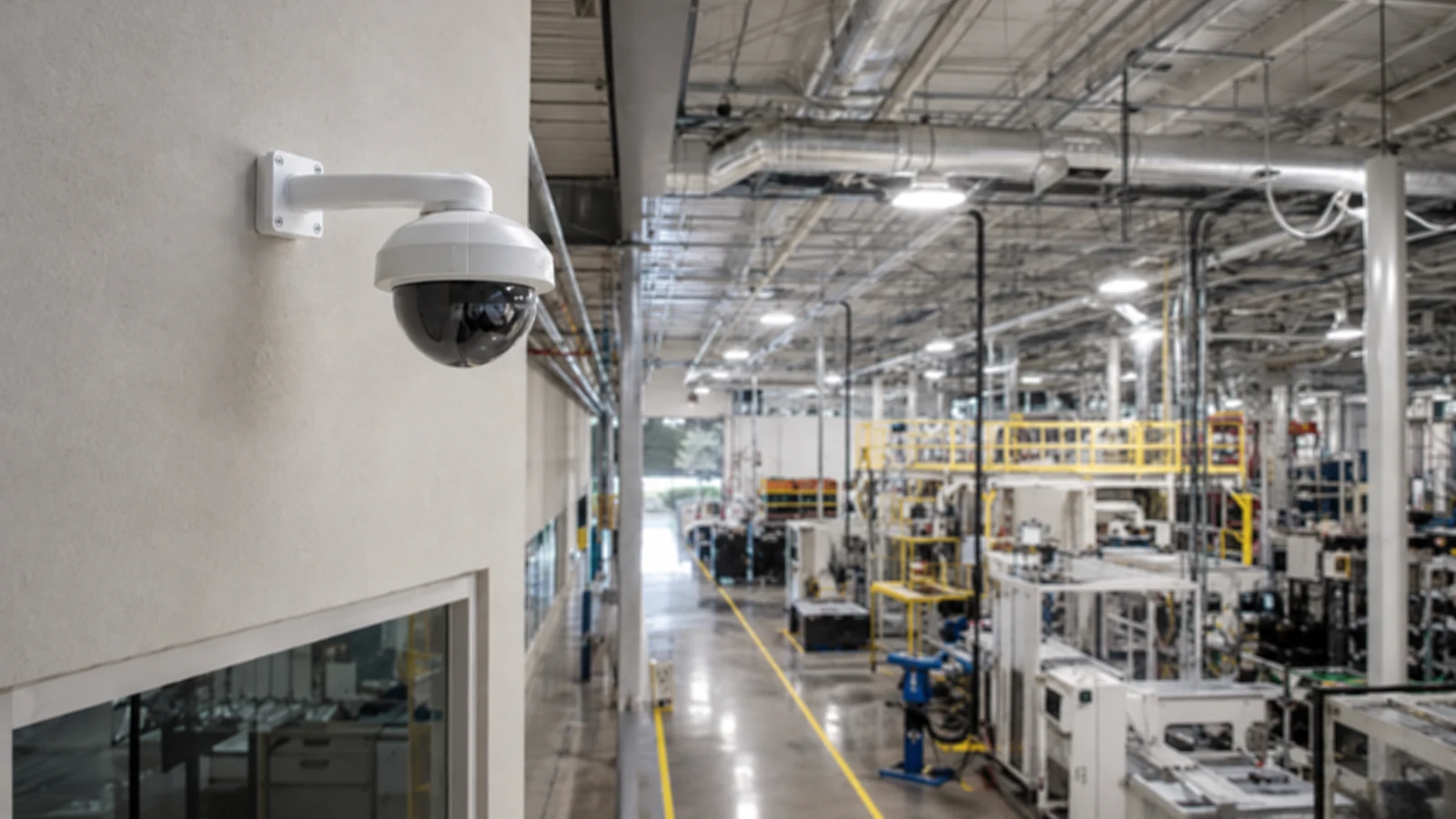
Production properties with equipment zones, shift changes and operational networks.
PROJECT PROCESS
Review vehicle and pedestrian gates, parking, marina offices, ramps, docks, common areas, service yards, waterfront exposure, building separation, operating schedules and network ownership.
Define authorized views, entry and intercom workflows, protected pathways, fiber or network links, weather-resistant equipment, power, responsibilities, phase limits and acceptance tests.
Coordinate work with dock access, tenants, vessel movement, weather and safe mounting conditions; protect active gates and office networks, label enclosures and test views and links in each phase.
Provide gate and camera schedules, property and pathway maps, fiber and port records, enclosure labels, test results, administrator ownership, environmental exceptions and service information.
LICENSED PROJECT SUPPORT
Data Pro Communications provides professionally scoped commercial low-voltage planning and installation under FL License #EC13016138. Licensing supports contractor accountability; it does not replace the owner's policy, regulatory, safety, network or operational responsibilities.
FAQ
Waterfront distances, sun, glare, darkness, humidity, corrosion, wind, mounting and maintenance access all affect design. Each zone requires field verification.
Fiber may suit long links, multiple buildings or high-capacity backhaul where approved pathways, power, enclosures and termination locations support it.
Yes, when ownership defines roles, schedules, temporary credentials, exceptions, intercom response and administrative responsibility.
Equipment, enclosures, connectors, pathways and mounting are selected for the approved environment, with service access and maintenance expectations documented.
It can be evaluated through a coverage and backhaul survey. Performance depends on geometry, interference, mounting, power, uplinks, capacity and the owner's network policy.
The responsible marine, electrical, structural, fire, environmental and property authorities do. Those approvals are not implied by a low-voltage proposal.
Reuse depends on pathway condition, moisture or corrosion exposure, enclosure integrity, labeling, compatibility, power, network reach and performance. Waterfront routes and equipment require inspection before they are accepted into the new scope.
The responsible marina technology team defines switching, accounts, cybersecurity and maintenance windows. The project documents office, gate, dock and service-yard connections, including fiber or supported links between structures and recovery steps for each cutover.
Yes. Gates, offices, ship stores, parking, docks and service areas can be separated into phases based on tenant access, vessel movement, weather and safe work conditions. Each phase includes connectivity and view testing.
Useful marina records include a property camera map, gate schedule, cable and enclosure labels, fiber and port details, weather-exposed equipment notes, test results, administrator ownership, exceptions and service contacts.
After-hours work may be planned when property access, staffing, safety, noise and the project sequence support it. Availability and special requirements are confirmed during planning.
Audio is not assumed. Recording or monitoring audio raises separate legal, policy and technical considerations and requires explicit customer authorization and appropriate legal review.
Prepare a property and dock plan, gate and tenant-access procedures, operating and service schedules, current camera and network details, pathway or enclosure concerns, building locations, network contacts and known waterfront conditions.
Findings become a waterfront-property scope covering gates, docks, offices, service areas, protected pathways, inter-building connectivity, weather exposure, responsibilities, sequencing, testing and handoff.
Request a site survey to coordinate marina gates, docks, offices, service areas, weather-exposed pathways and connectivity between property structures.