
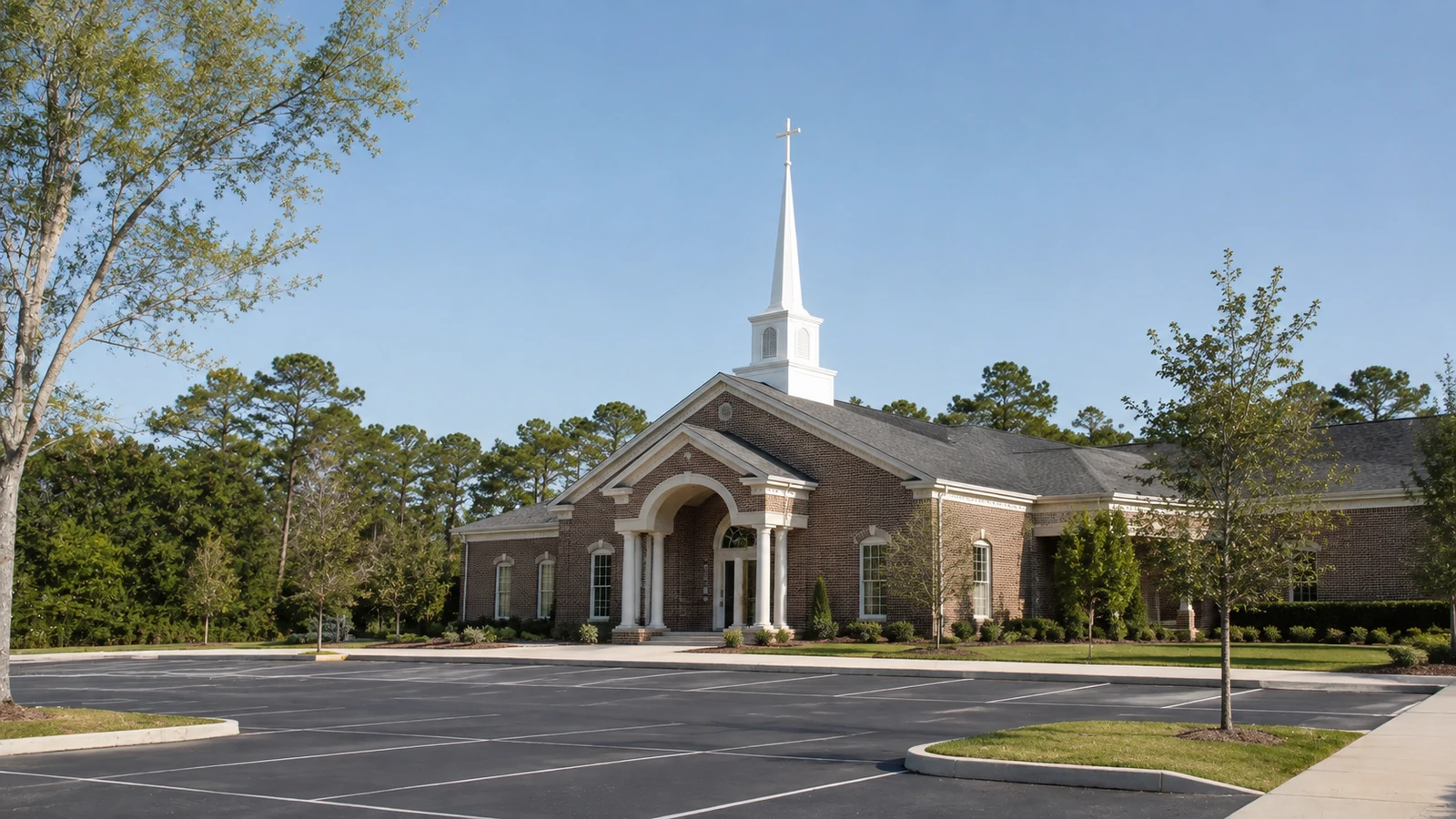
Occupied-Space Planning
Work zones and access windows are organized around the property's operating schedule and approved rules.
CONNECTED SYSTEMS FOR WORSHIP, EVENTS AND WEEKDAY PROGRAMS
Churches and houses of worship need systems that work across services, weekday programs, offices, classrooms, events and changing volunteer teams. Data Pro Communications plans cameras, controlled entry, intercom, structured cabling, network, Wi-Fi and commercial audio video infrastructure around the property's real schedule.
The survey maps public entrances, children and youth areas designated by leadership, offices, worship and event spaces, exterior approaches, telecom and AV locations, volunteer roles and after-hours access. Technology supports the approved operational plan but does not replace safeguarding policy, supervision, emergency procedure or legal review.
Work zones and access windows are organized around the property's operating schedule and approved rules.
Camera, access, intercom, cabling, network and related dependencies are reviewed as one property plan.
Cutovers and installation activities can be sequenced to protect active operations and network continuity.
Labels, schedules, pathway notes and test records support future service and administrator transitions.
Work is provided by a Florida licensed low-voltage contractor and systems integrator under EC13016138.
SERVICE OVERVIEW
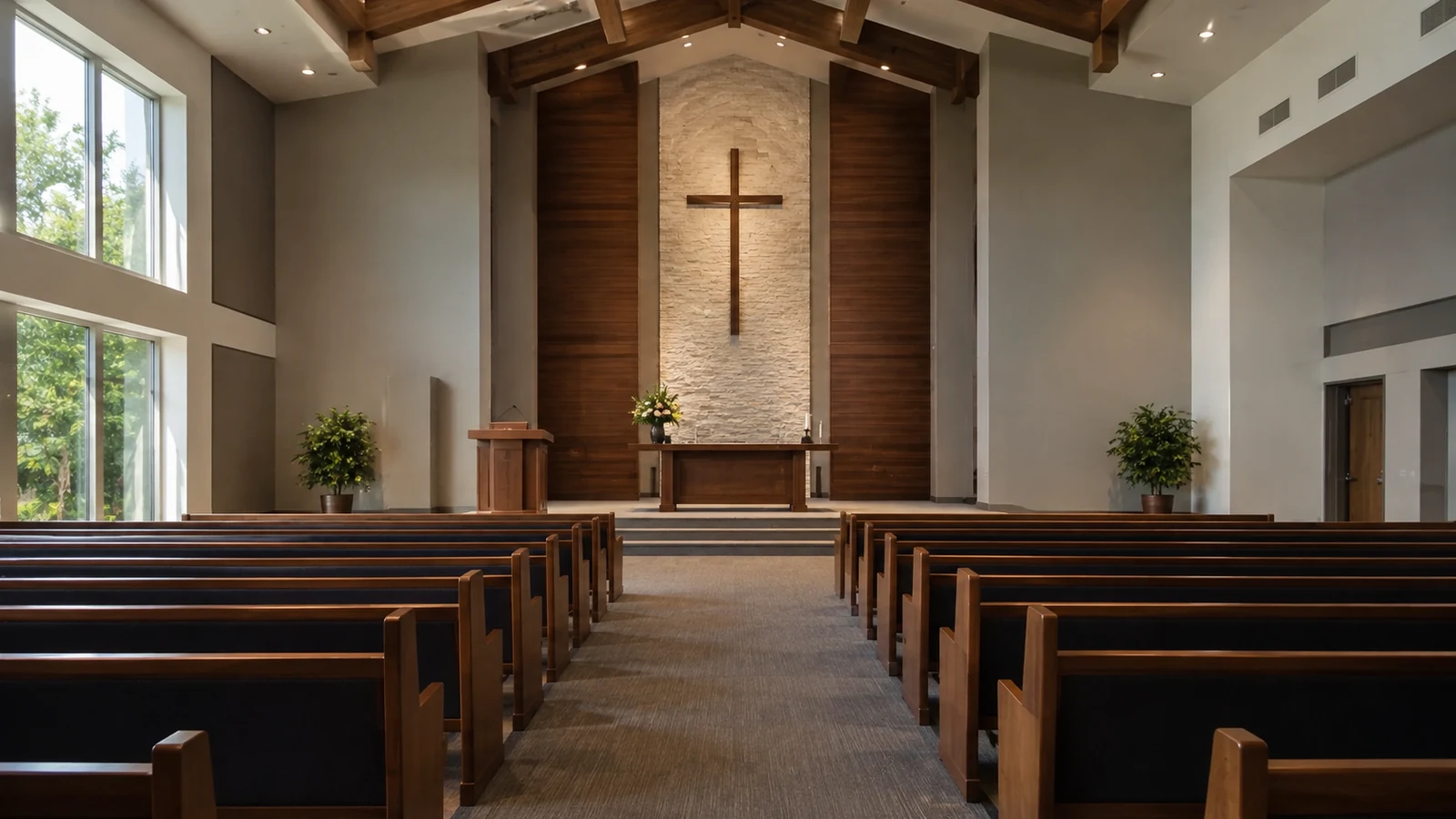
A house-of-worship plan should recognize that the same building changes use throughout the week. Entry, camera, Wi-Fi and AV needs during a main service differ from offices, rehearsals, counseling, community events or weekday programs. Infrastructure and administration must remain understandable to staff and volunteers after turnover.
PROJECT DETAILS
Large services, small meetings and weekday programs create different traffic and connectivity demands.
Doors used for services or events may need schedule-based control and clear visitor communication.
Changing teams require simple, documented ownership for credentials, AV and network access.
Leadership-defined access and visibility must align with supervision and safeguarding policy.
Streaming, presentation, Wi-Fi and security devices can compete for infrastructure.
Rental, rehearsal and community use requires defined access, support and reset procedures.
CORE CAPABILITIES
Select authorized views for entries, circulation, exterior approaches and designated common areas.
Organize doors around services, staff, volunteers, events and exception procedures.
Support staffed and after-hours arrival points with defined call and release authority.
Provide labeled links for security, network, AV and future room changes.
Coordinate coverage, switching, PoE and segmentation with the responsible administrator.
Plan displays, audio, control and transport pathways for supported worship and event workflows.
PROJECT DETAILS
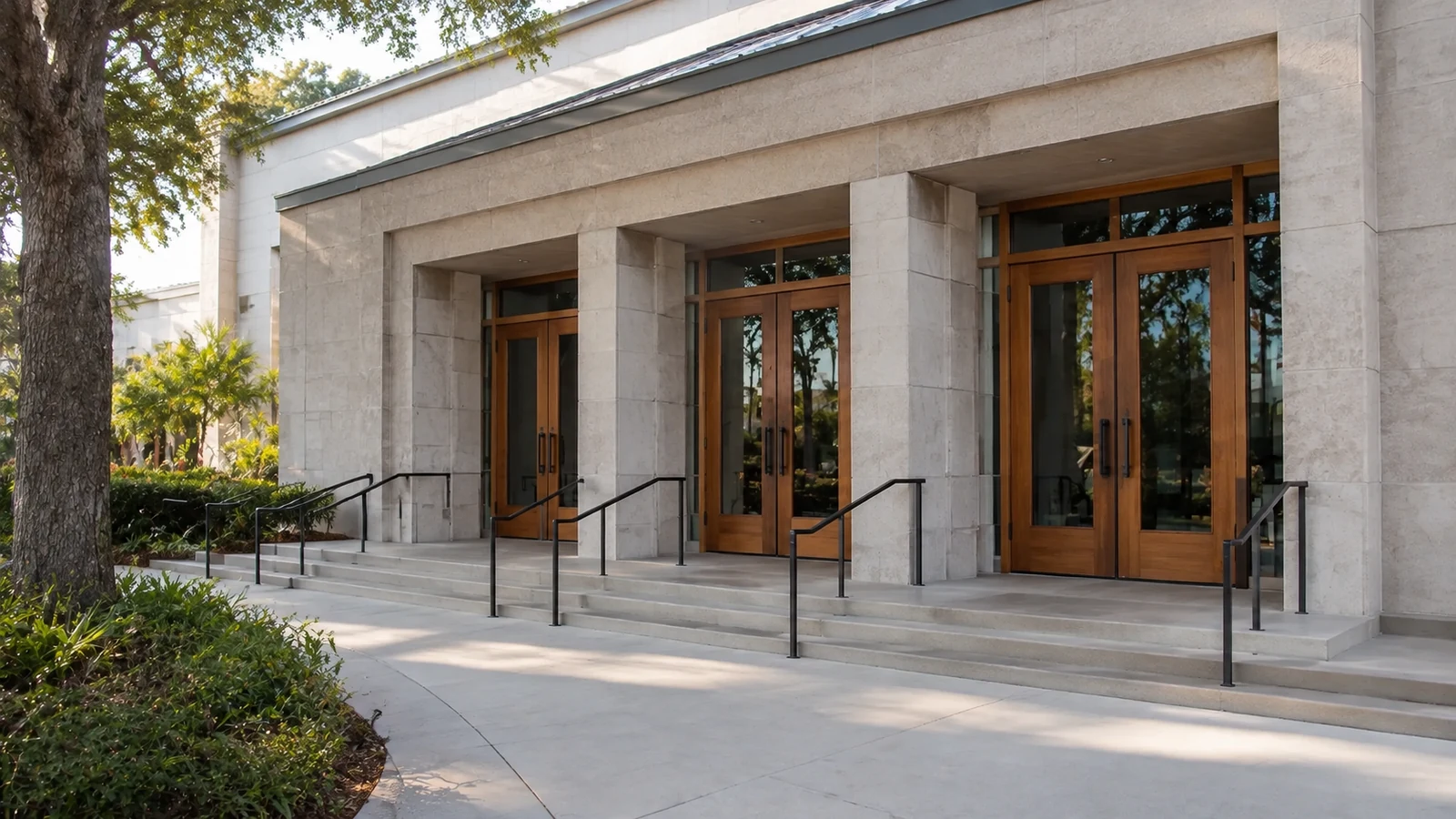
Coordinate arrival views, door schedules and staff response for service periods.
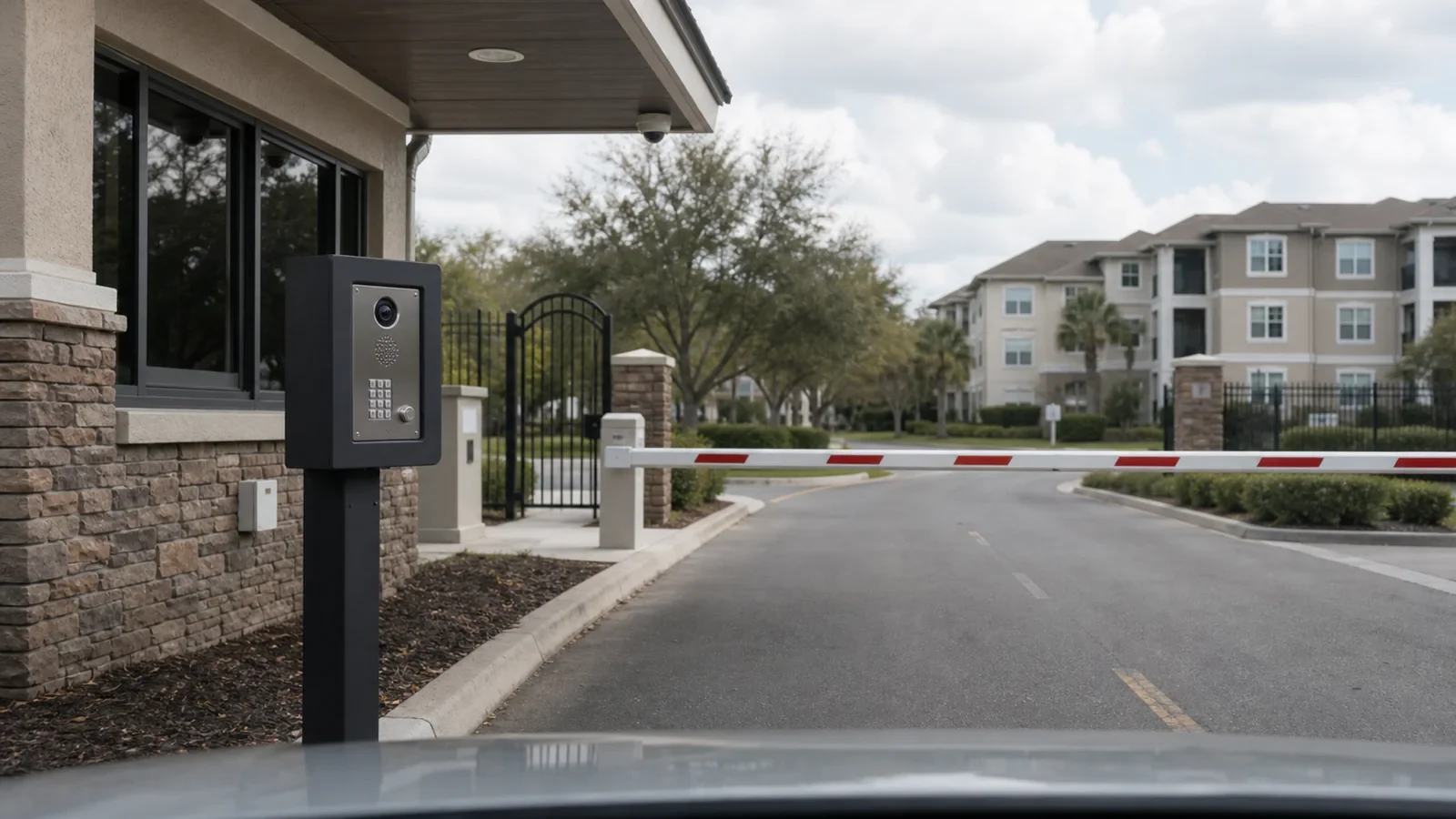
Support leadership-defined visibility and controlled arrival routes without substituting technology for supervision or check-in policy.
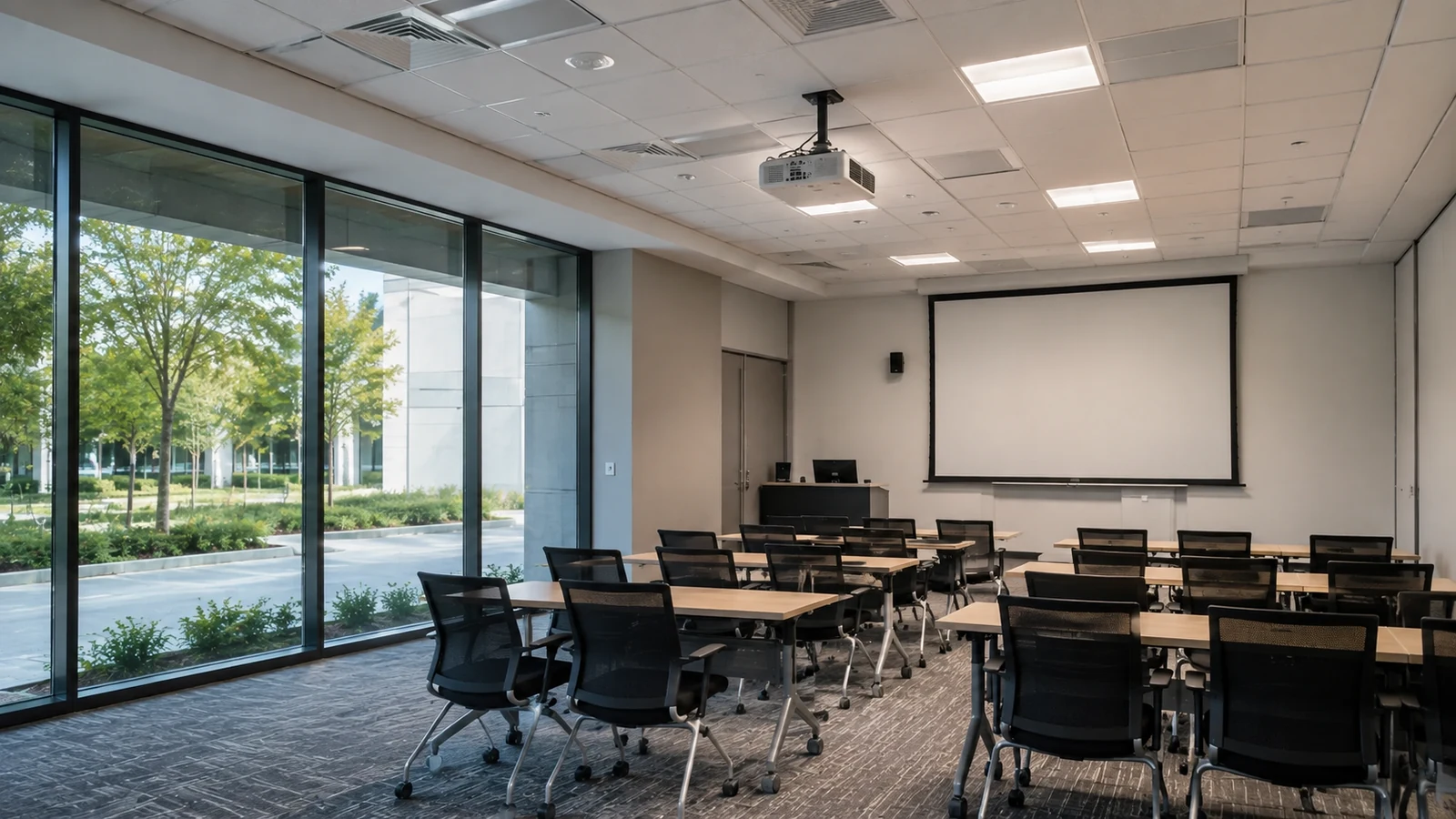
Coordinate AV, control, network and cable pathways for services and events.
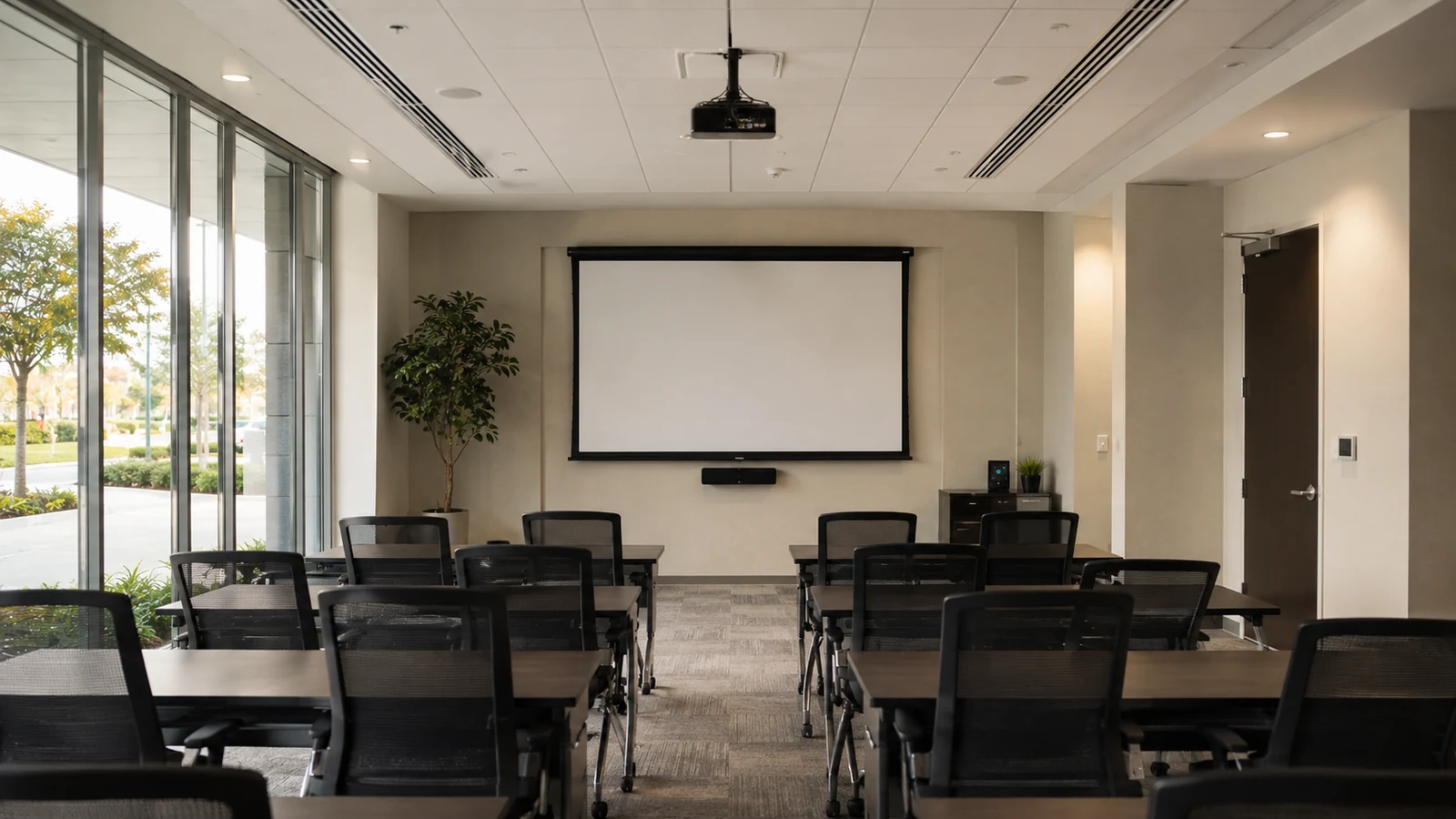
Support changing weekday uses with serviceable connectivity and controlled schedules.
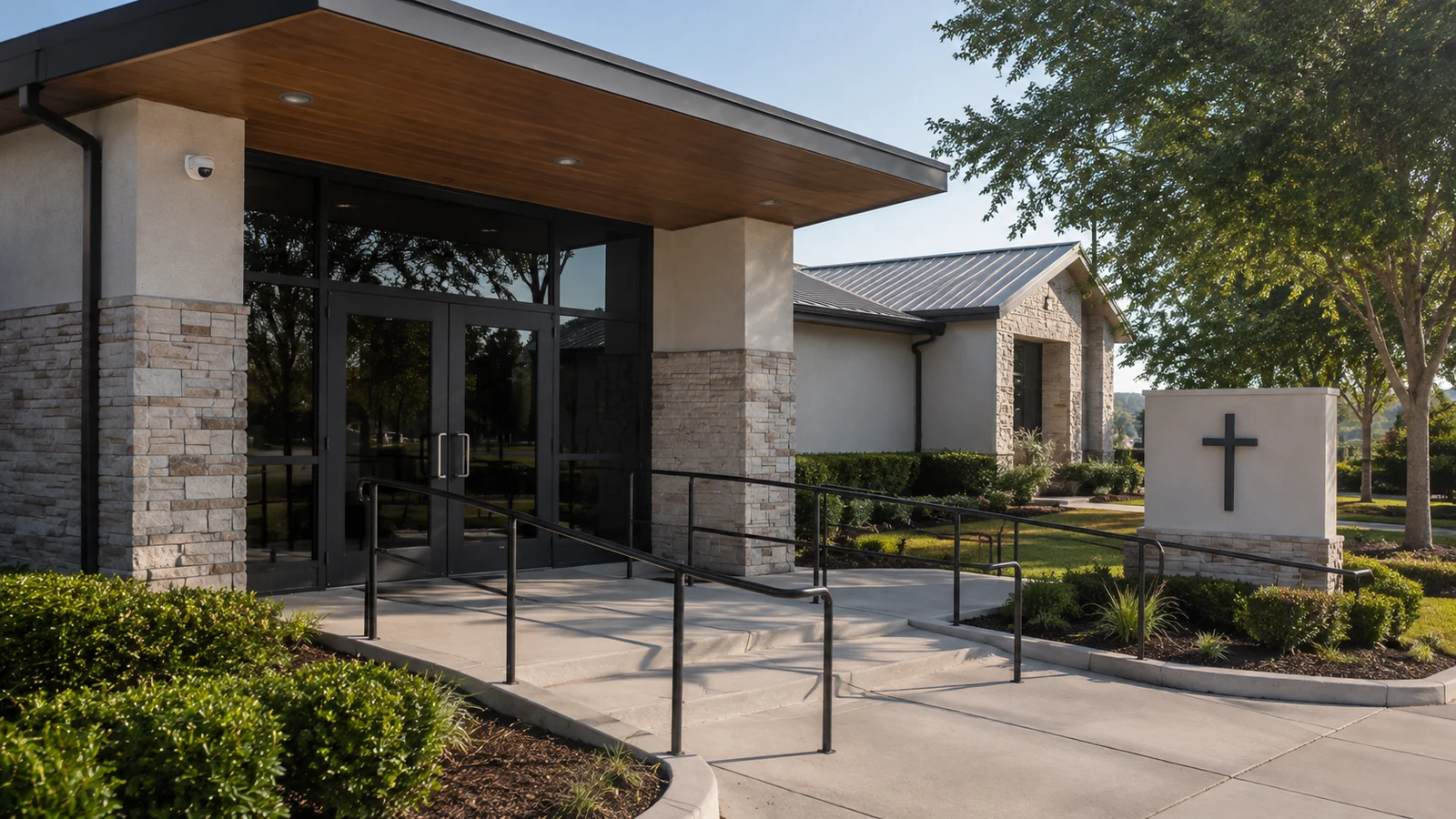
Separate public circulation from staff and records areas.
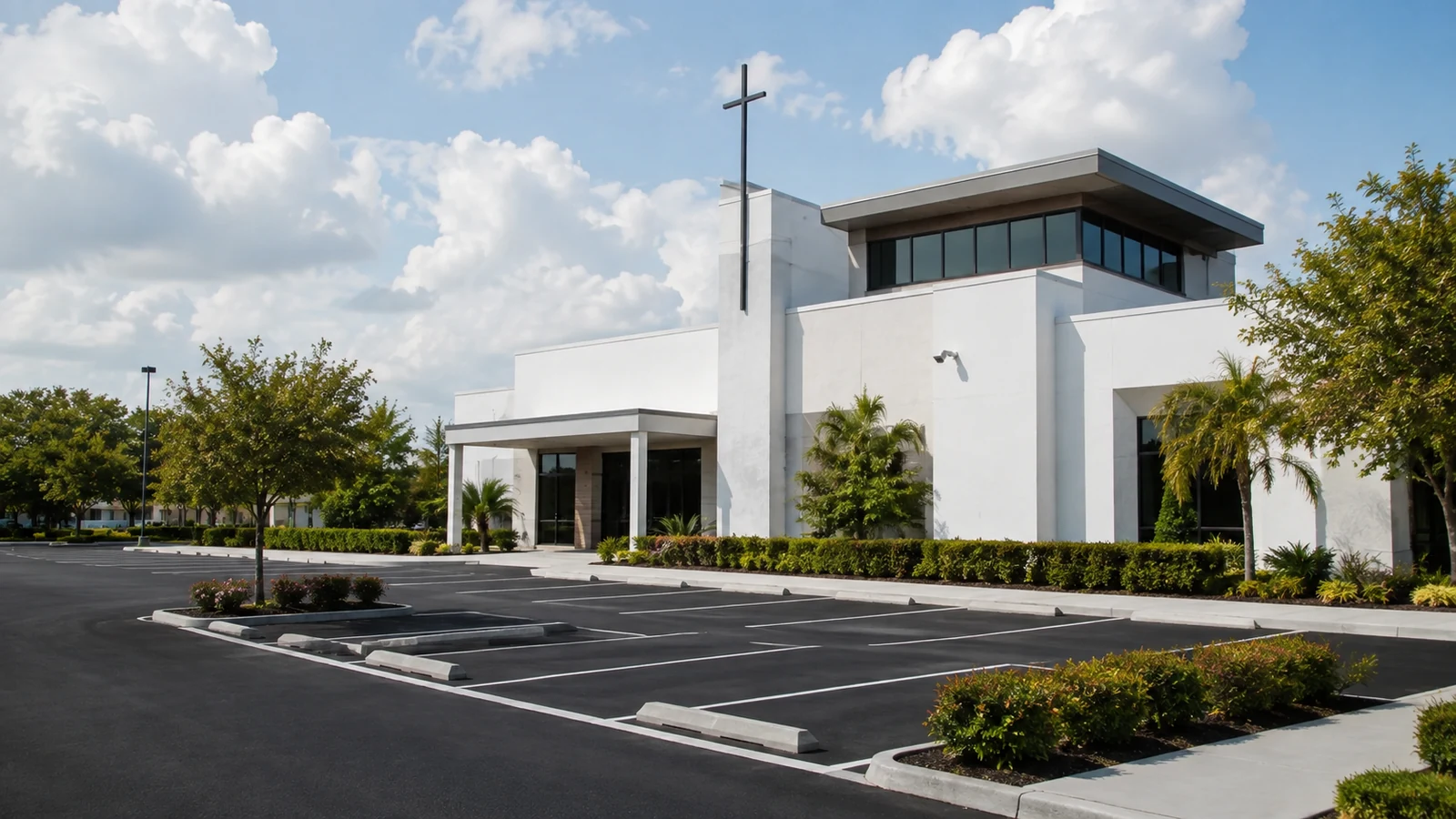
Plan lighting-aware views and network reach for actual site conditions.
TECHNICAL PLANNING
Document services, rehearsals, programs, office hours, rentals and maintenance windows.
Define who administers credentials, networks, AV, video and service requests.
Review uplinks, switching, Wi-Fi, streaming and device power with the responsible team.
Confirm normal, event and after-hours access procedures.
Provide labels, diagrams or schedules, tests, accounts ownership and exceptions.
CONNECTED SYSTEMS
Coordinate supported audio, video and streaming paths with network capacity and ownership.
Align door schedules with approved calendars and exception procedures.
Define call routing and release authority for staffed and after-hours arrivals.
Record responsibility for policy, supervision, networks, credentials and service.
ORLANDO SERVICE CONTEXT
Houses of worship in western Greater Orlando often operate as multiuse facilities, so security, AV and network planning should follow the weekly calendar rather than one peak event.
Treat worship, children and youth, office, classroom and event spaces as distinct workflows.
Document staff and volunteer administrative roles for credentials, AV and networks.
Coordinate streaming and commercial Wi-Fi requirements with the actual internet and switching design.
Use phased upgrades where services and programs must continue.
Western Greater Orlando worship properties benefit from planning around service schedules, weekday programs, childcare and youth areas, volunteer and staff access, parking, AV production and shared network infrastructure.
RELATED SERVICES
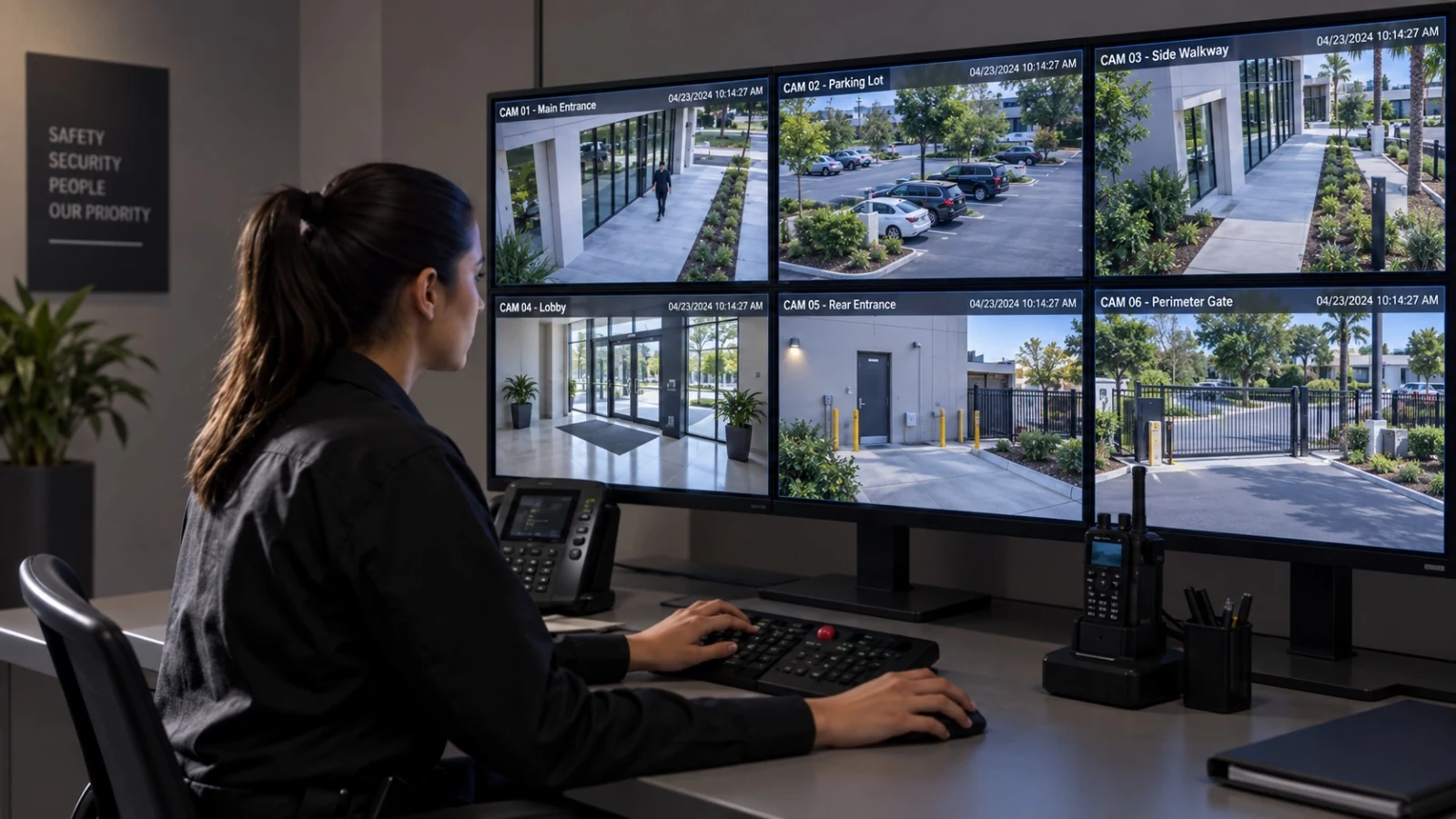
Purpose-planned camera views for entrances, circulation, exterior approaches and approved operational needs.
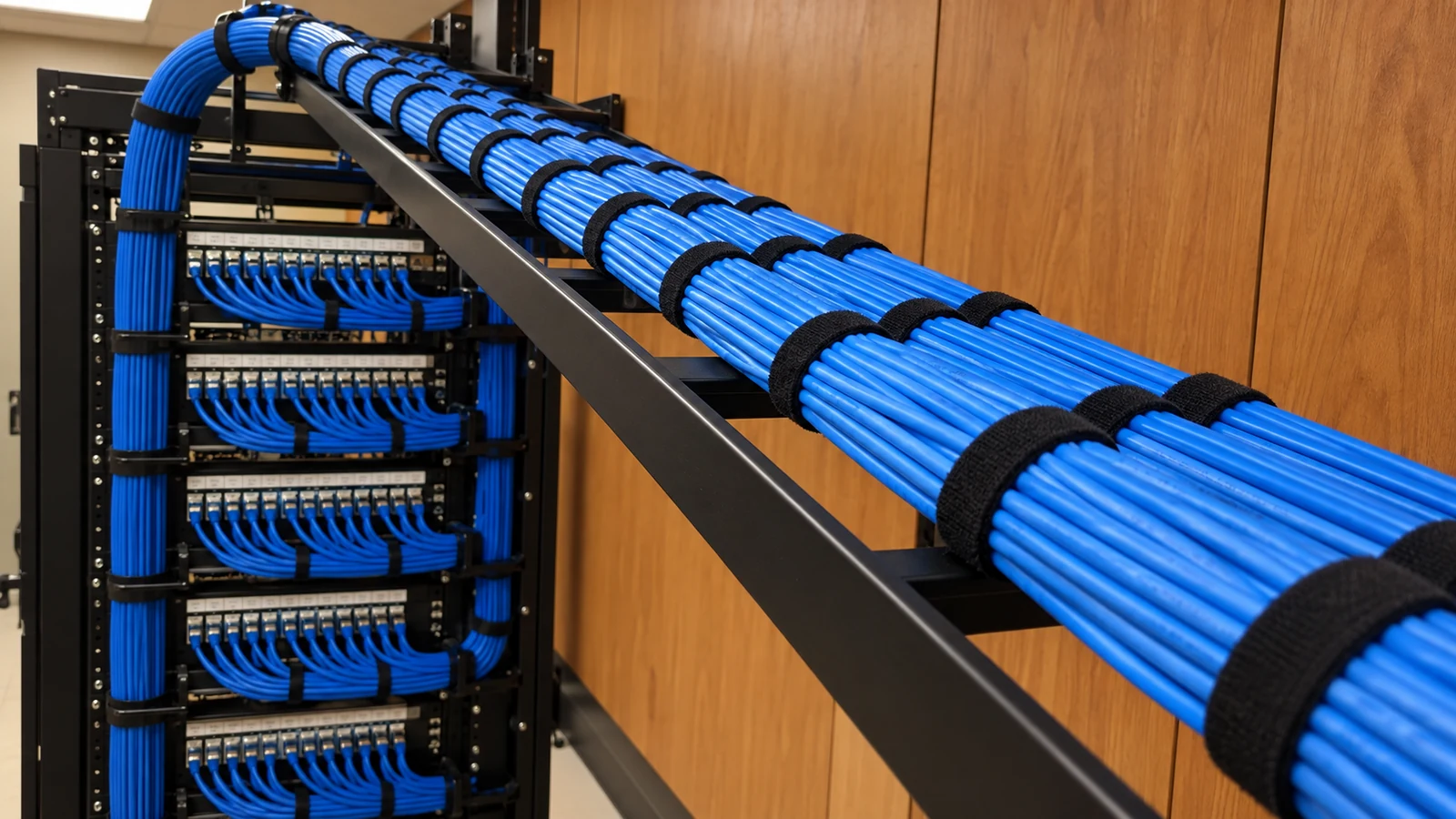
Structured Cabling
Labeled pathways and telecom-space organization for dependable system infrastructure.
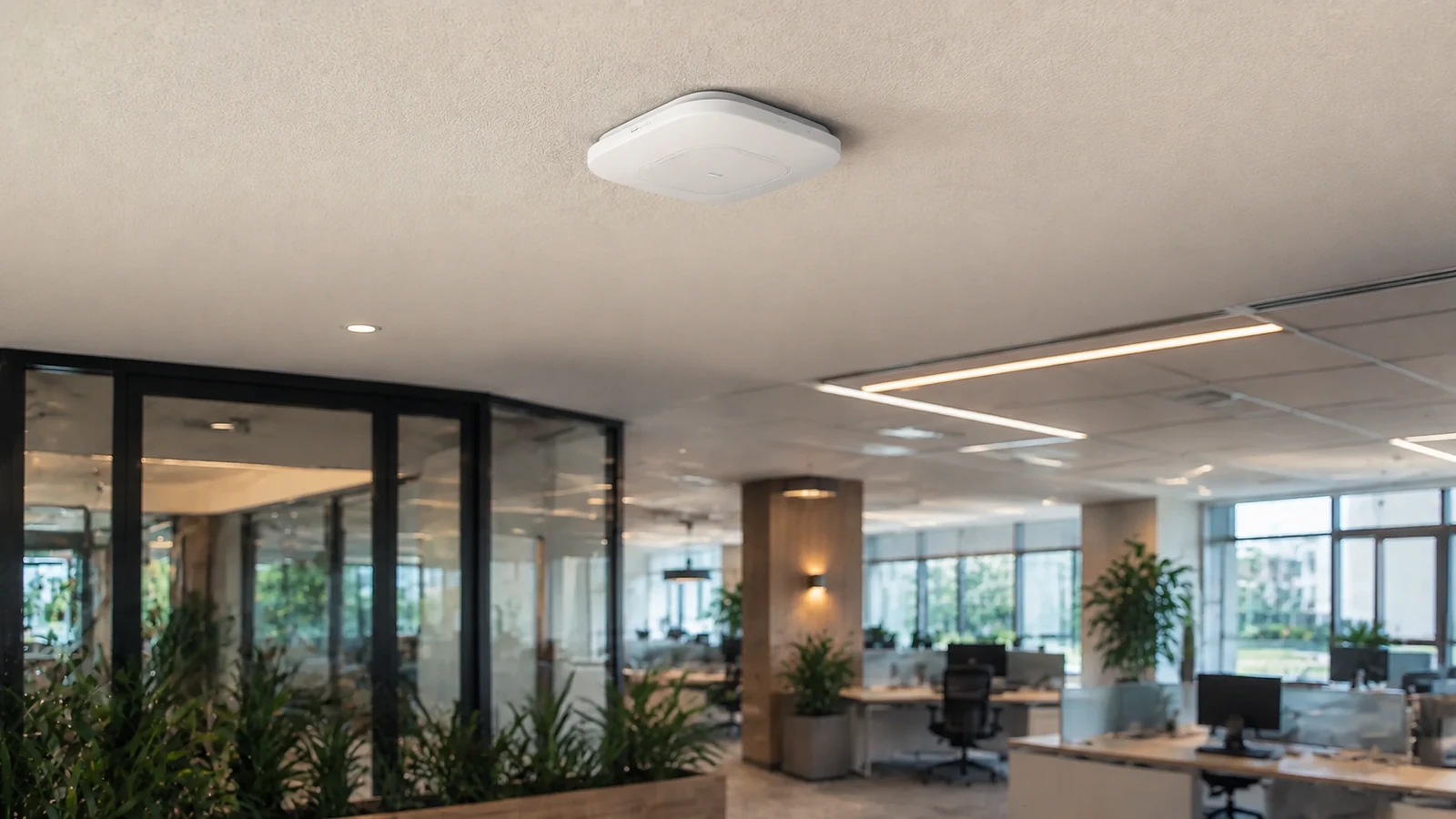
Switching locations, PoE capacity and network handoff coordinated with the responsible IT team.
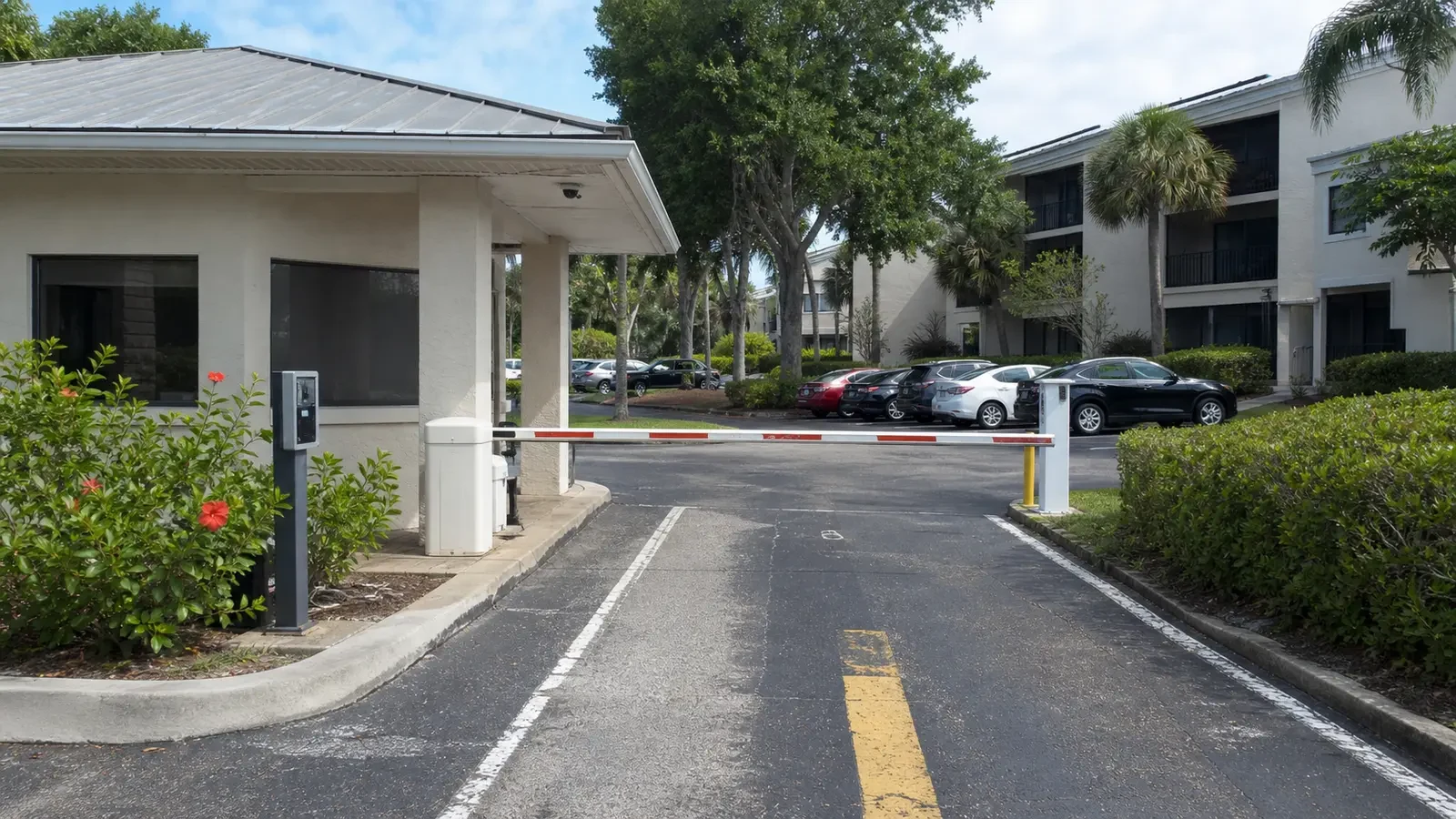
Credentialed doors with role, schedule, hardware and administrative coordination.
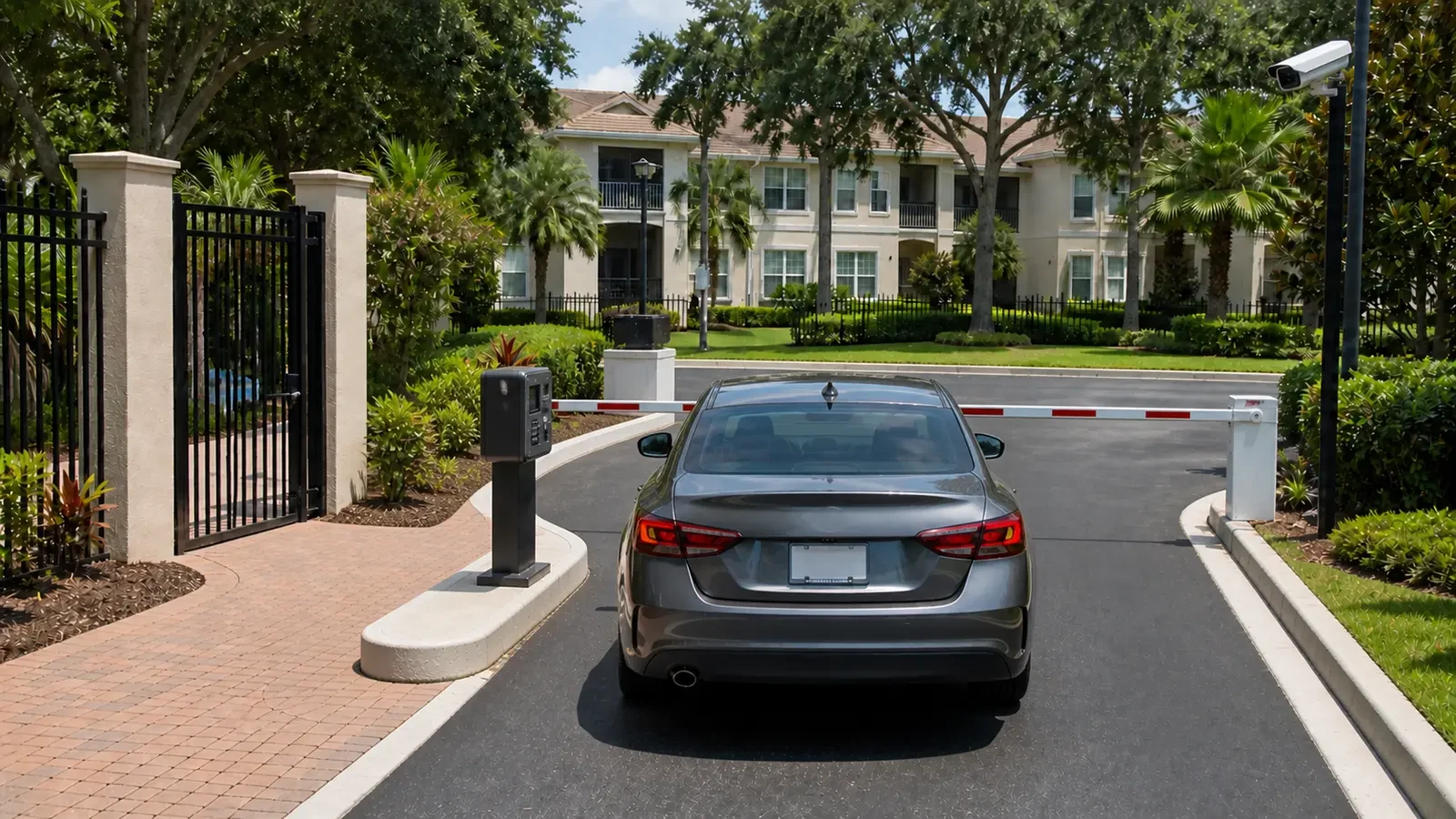
Visitor communication between designated arrival points and authorized staff.
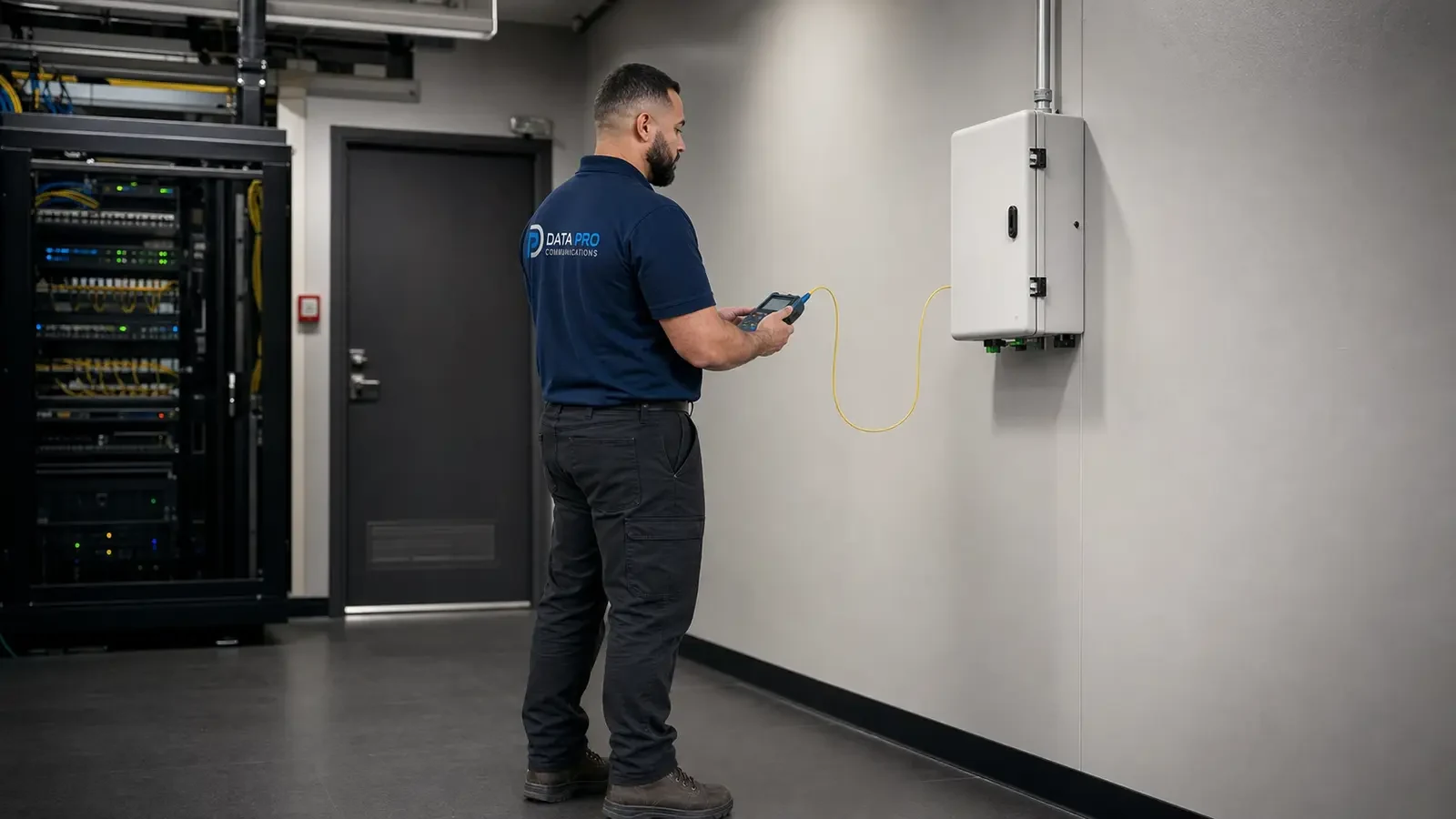
Fiber links for larger properties or buildings where distance and capacity require them.
INDUSTRIES SERVED
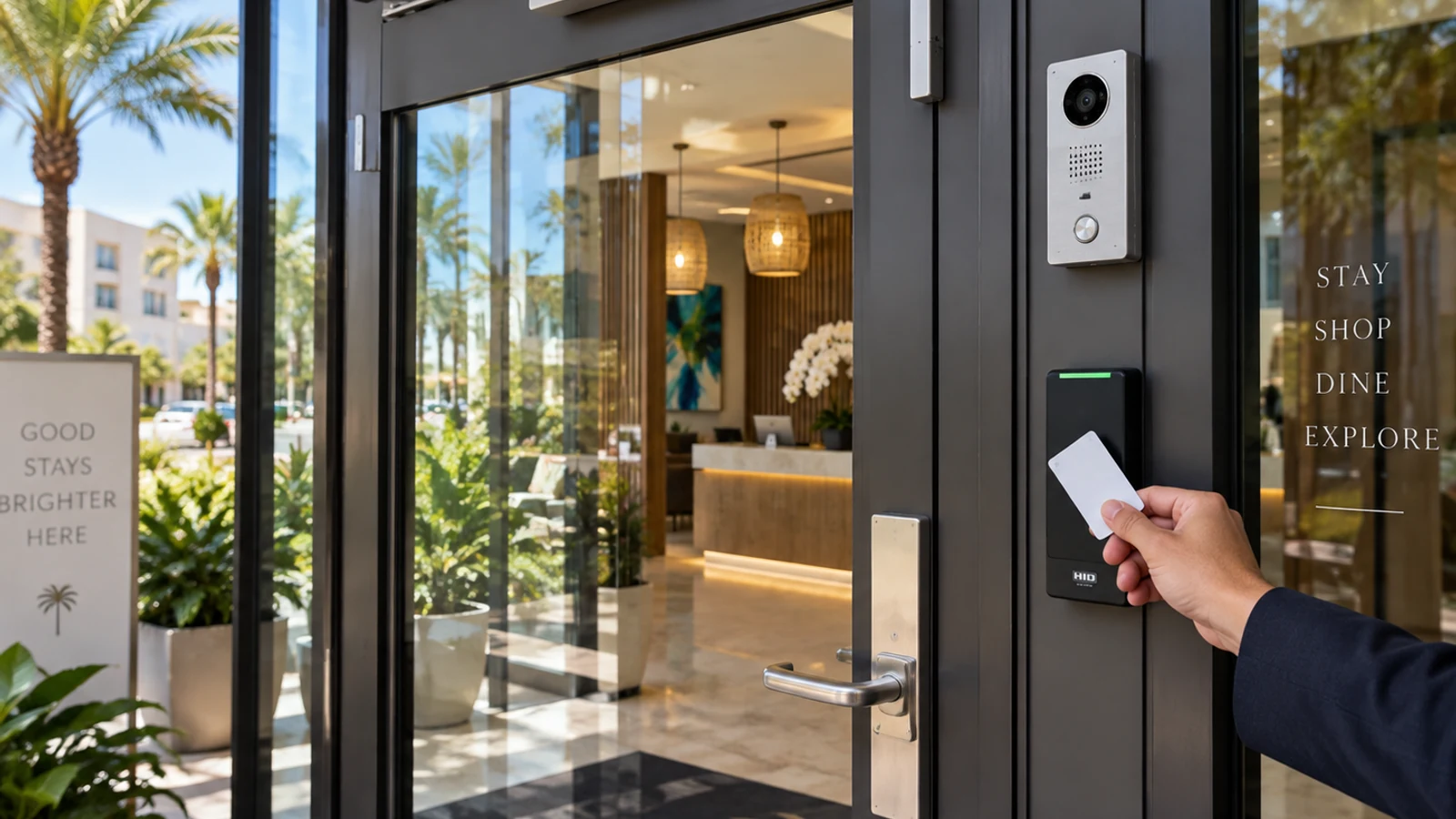
Customer-facing properties with active staff areas and public arrival workflows.
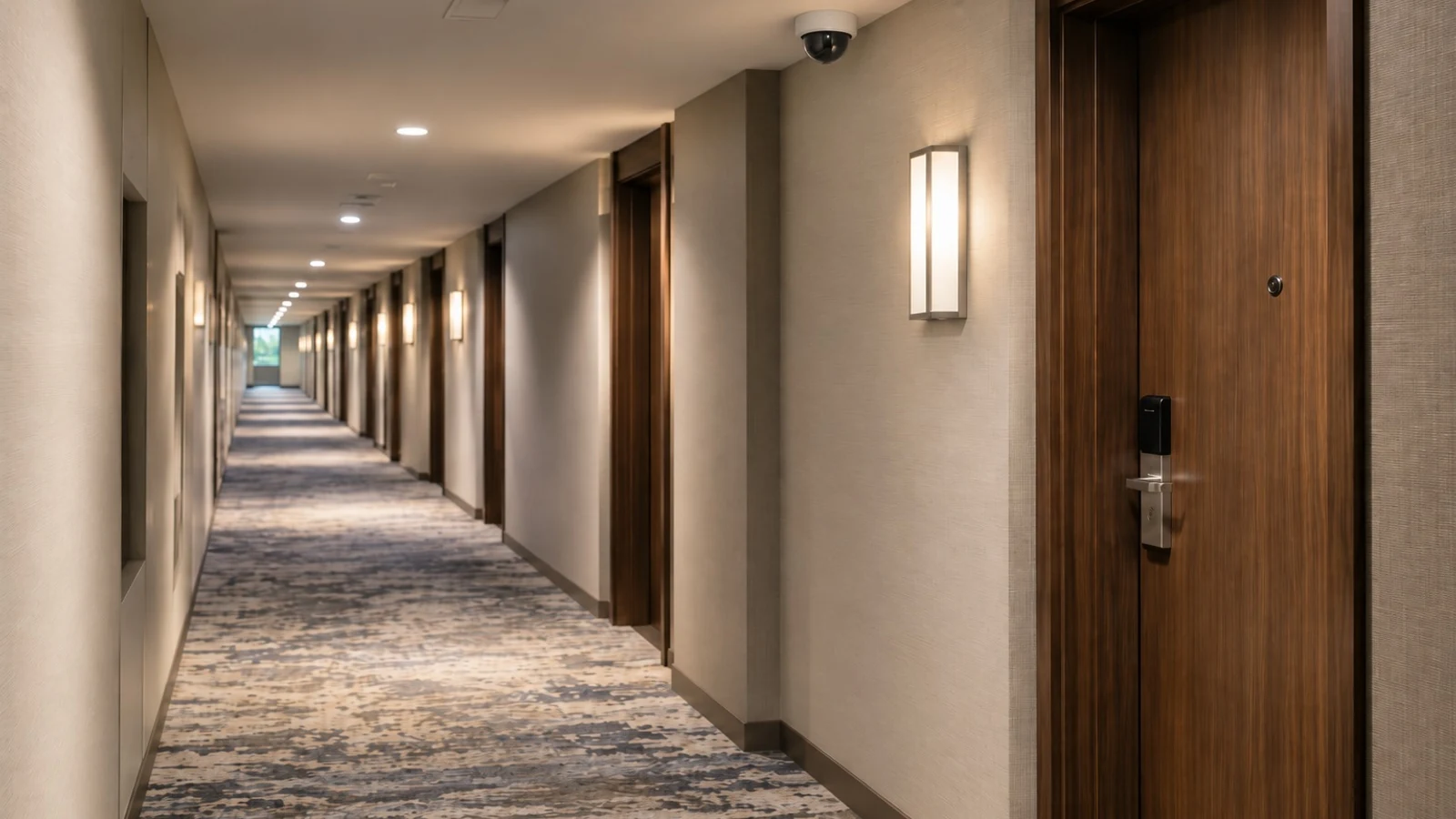
Guest properties with around-the-clock occupancy, parking and staff operations.

Distribution properties with yards, docks, long aisles and inventory movement.
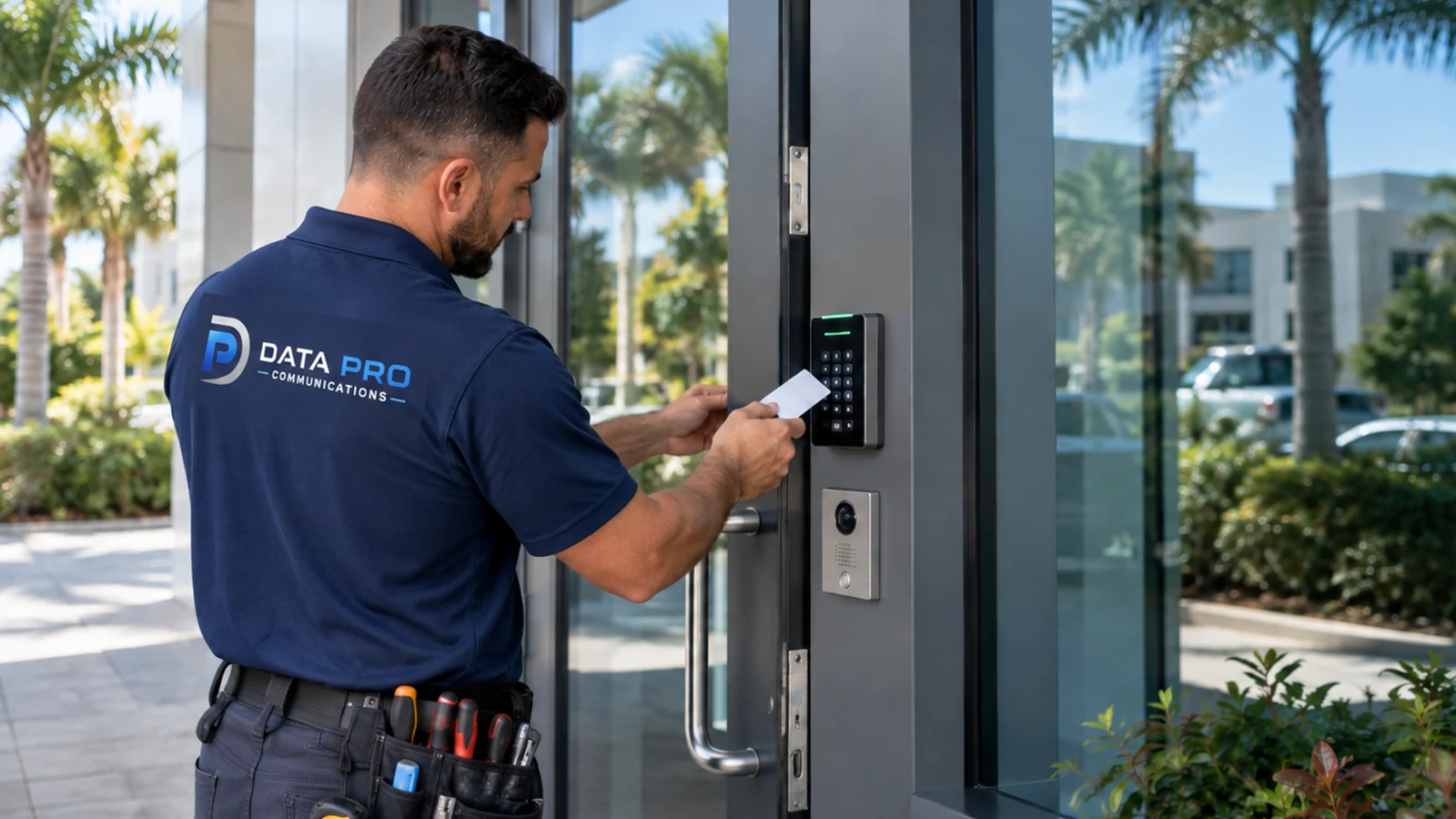
Occupied professional properties with visitor arrival and controlled staff areas.
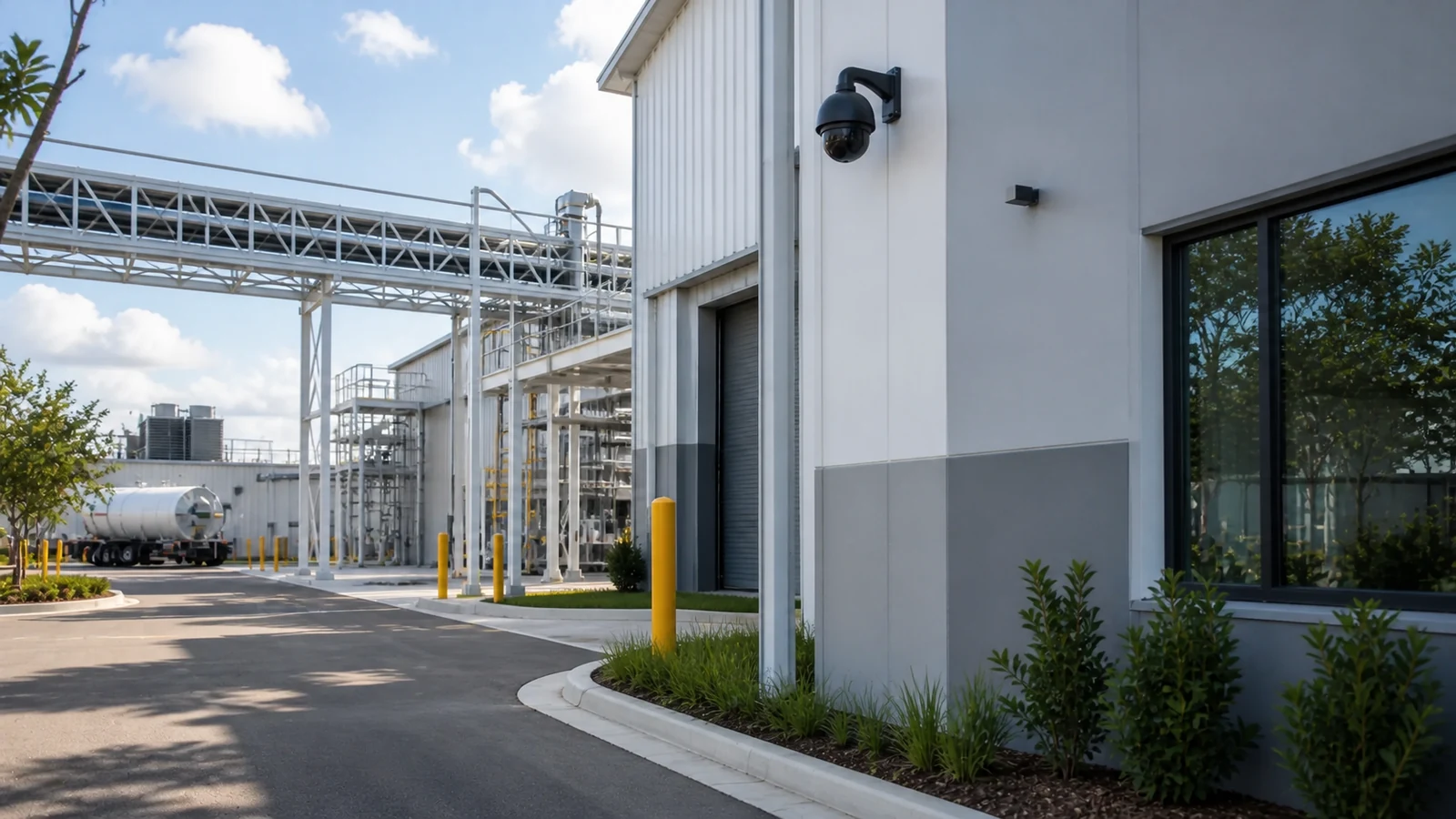
Production properties with equipment zones, shift changes and operational networks.
PROJECT PROCESS
Review worship services, weekday programs, childcare and youth activities, public entrances, offices, parking, AV spaces, volunteer responsibilities, network ownership and available work windows.
Define views, door schedules, communication workflows, cable pathways, AV and network boundaries, administrator roles, phased work and acceptance criteria with facility leadership.
Schedule lifts, ceiling access, noise and cutovers around services, rehearsals, classes and community events; protect active AV and network services, label infrastructure and test each phase.
Provide staff and designated volunteers with device and door schedules, cable labels, AV and network notes, test results, administrator ownership, exceptions and service information.
LICENSED PROJECT SUPPORT
Data Pro Communications provides professionally scoped commercial low-voltage planning and installation under FL License #EC13016138. Licensing supports contractor accountability; it does not replace the owner's policy, regulatory, safety, network or operational responsibilities.
FAQ
Yes. Shared pathways, racks, switching, power and network transport can be coordinated while preserving separate operational and administrative ownership for each system.
Leadership should define normal schedules, staff and volunteer roles, exceptions, rentals and after-hours procedures before doors and credentials are configured.
Any view must follow leadership policy, legal review, privacy expectations and the property's supervision plan. Installation does not decide or validate safeguarding policy.
Review occupancy, device demand, streaming, staff and guest use, coverage, uplinks, switching and segmentation with the responsible network administrator.
Yes, when the calendar, access, noise, room availability, temporary conditions and testing windows are defined in advance.
Clear labels, simplified role documentation, approved account ownership, device schedules, reset or escalation procedures and vendor contact records reduce dependence on one person.
Reuse may be appropriate after older pathways, ceiling routes, cable labels, AV infrastructure, power, network support and device compatibility are inspected and tested. The plan also accounts for sanctuary access and occupied childcare or classroom areas.
The responsible church technology team or approved provider defines switching, segmentation, accounts and change windows. Camera, access, intercom, Wi-Fi and AV demands are documented so services, streaming and office connectivity are protected.
Yes. Work can follow weekday access, service times, rehearsals, childcare use, classes and special events. Each phase identifies occupied areas, lift or noise restrictions, temporary conditions, testing and leadership acceptance.
Useful records include device and door schedules, cable labels, AV and network connections, administrator roles, approved access schedules, test results, known exceptions and clear service contacts.
After-hours work may be planned when property access, staffing, safety, noise and the project sequence support it. Availability and special requirements are confirmed during planning.
Audio is not assumed. Recording or monitoring audio raises separate legal, policy and technical considerations and requires explicit customer authorization and appropriate legal review.
Provide the weekly and event calendar, building and parking plans, entry and childcare-area lists, current camera, access, AV and network details, staff or volunteer technology contacts and preferred work windows.
Findings become a facility-specific scope covering entrances, youth and office areas, parking, AV and network dependencies, responsibilities, scheduling, testing and staff or volunteer handoff.
Request a site survey to coordinate entrances, youth and office areas, parking, AV and network needs around worship, program and event schedules.