
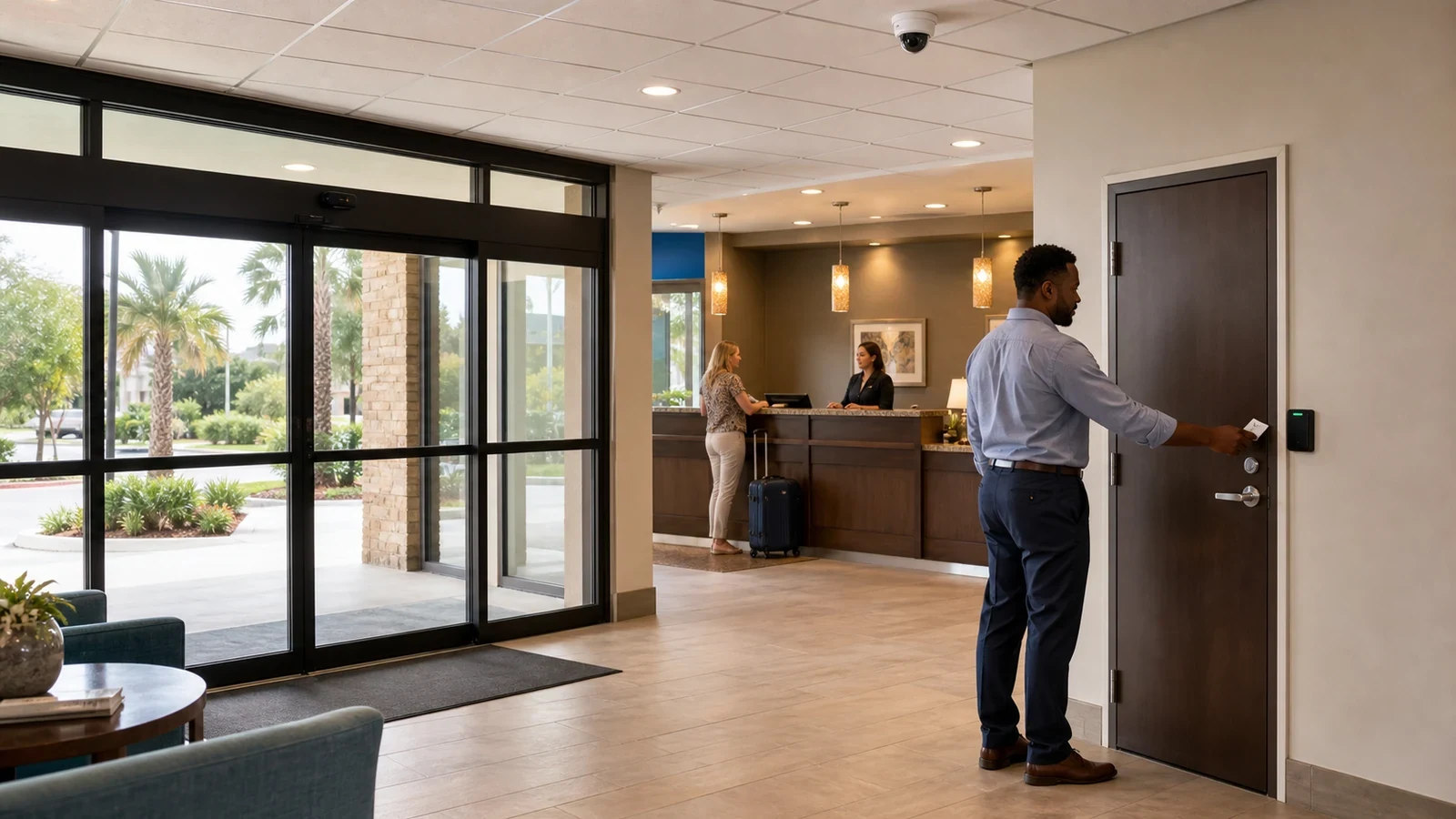
Occupied-Space Planning
Work zones and access windows are organized around the property's operating schedule and approved rules.
COORDINATED SYSTEMS FOR FINANCIAL SERVICE ENVIRONMENTS
Financial facilities need security and communications infrastructure that supports customer arrival, transaction areas, staff-only circulation, cash-handling workflows and dependable networks. Data Pro Communications plans cameras, access control, intercom, cabling, network and Wi-Fi work around the institution's authorized operational requirements.
The survey defines entrances, teller and service approaches, controlled doors, equipment and records areas, telecom spaces, retention ownership and cutover windows. Installation supports the approved facility plan without making banking-security, loss-prevention, cybersecurity or regulatory-compliance decisions for the institution.
Work zones and access windows are organized around the property's operating schedule and approved rules.
Camera, access, intercom, cabling, network and related dependencies are reviewed as one property plan.
Cutovers and installation activities can be sequenced to protect active operations and network continuity.
Labels, schedules, pathway notes and test records support future service and administrator transitions.
Work is provided by a Florida licensed low-voltage contractor and systems integrator under EC13016138.
SERVICE OVERVIEW
A financial-facility plan must connect physical zones with clear administrative ownership. Customer areas, staff doors, cash-handling spaces, back offices, drive-up lanes and network rooms each require different views and permissions. The scope should document network, retention, credentials, after-hours access, testing and handoff before work begins.
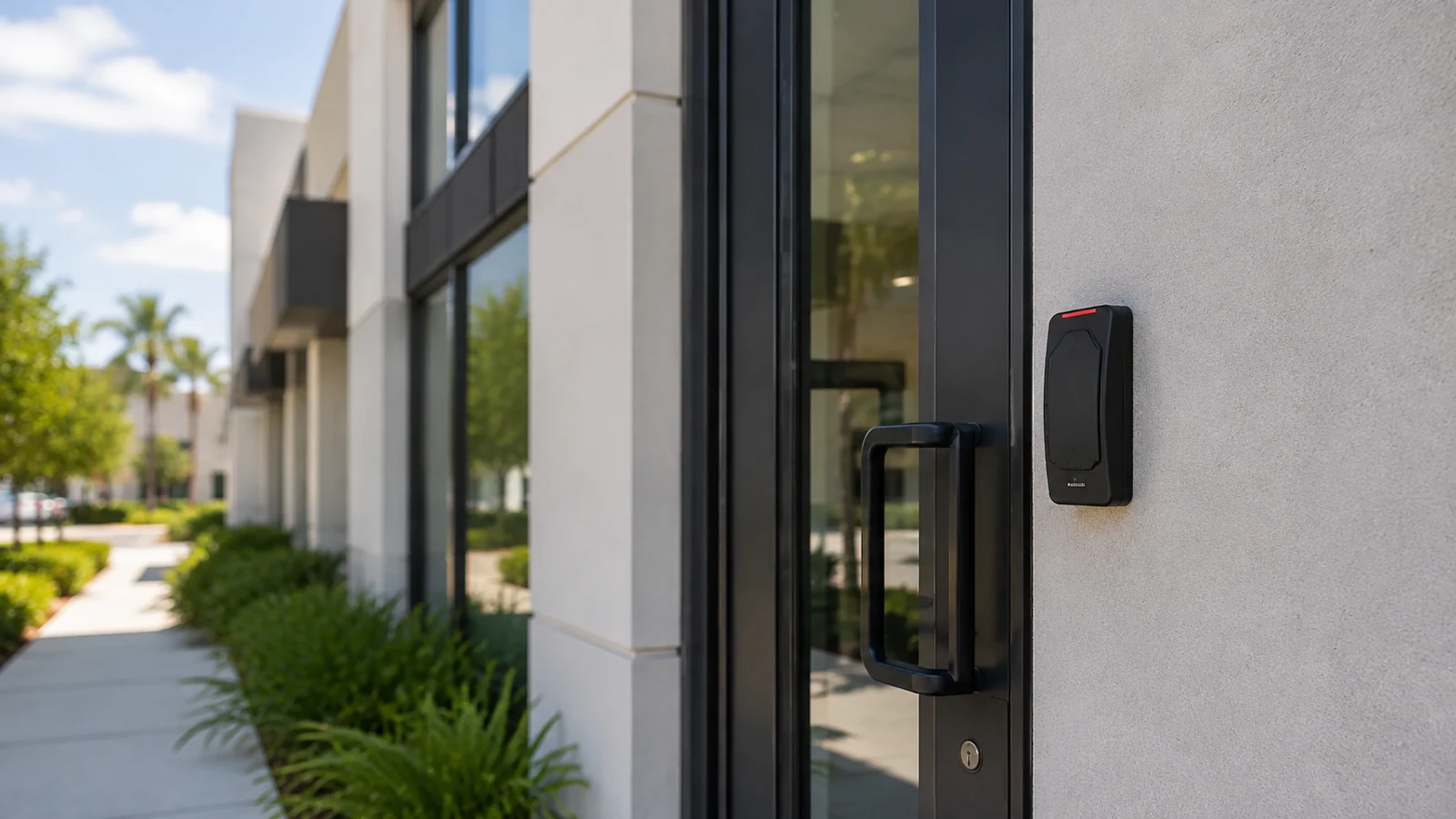
PROJECT DETAILS
Public service areas sit close to controlled operational and cash-handling zones.
Camera purpose and views need institution approval and careful placement around customer activity.
Staff roles, transfers, terminations and exceptions require documented access ownership.
Security and business services may depend on active switching, storage and remote-access controls.
Installation windows must account for secure opening, escort, cash procedures and branch operations.
The institution controls retention, export, user permissions and evidence-handling policy.
CORE CAPABILITIES
Coordinate authorized views for entries, transaction approaches, staff circulation, drive-up and exterior areas.
Organize doors around institution-approved staff groups, schedules and credential procedures.
Use intercom where a defined arrival, verification and release workflow exists.
Build labeled, serviceable links for security and network devices.
Align PoE, switching, segmentation and uplinks with responsible financial-institution IT teams.
Survey existing cameras, cabling and access systems for supported transition or replacement.
PROJECT DETAILS
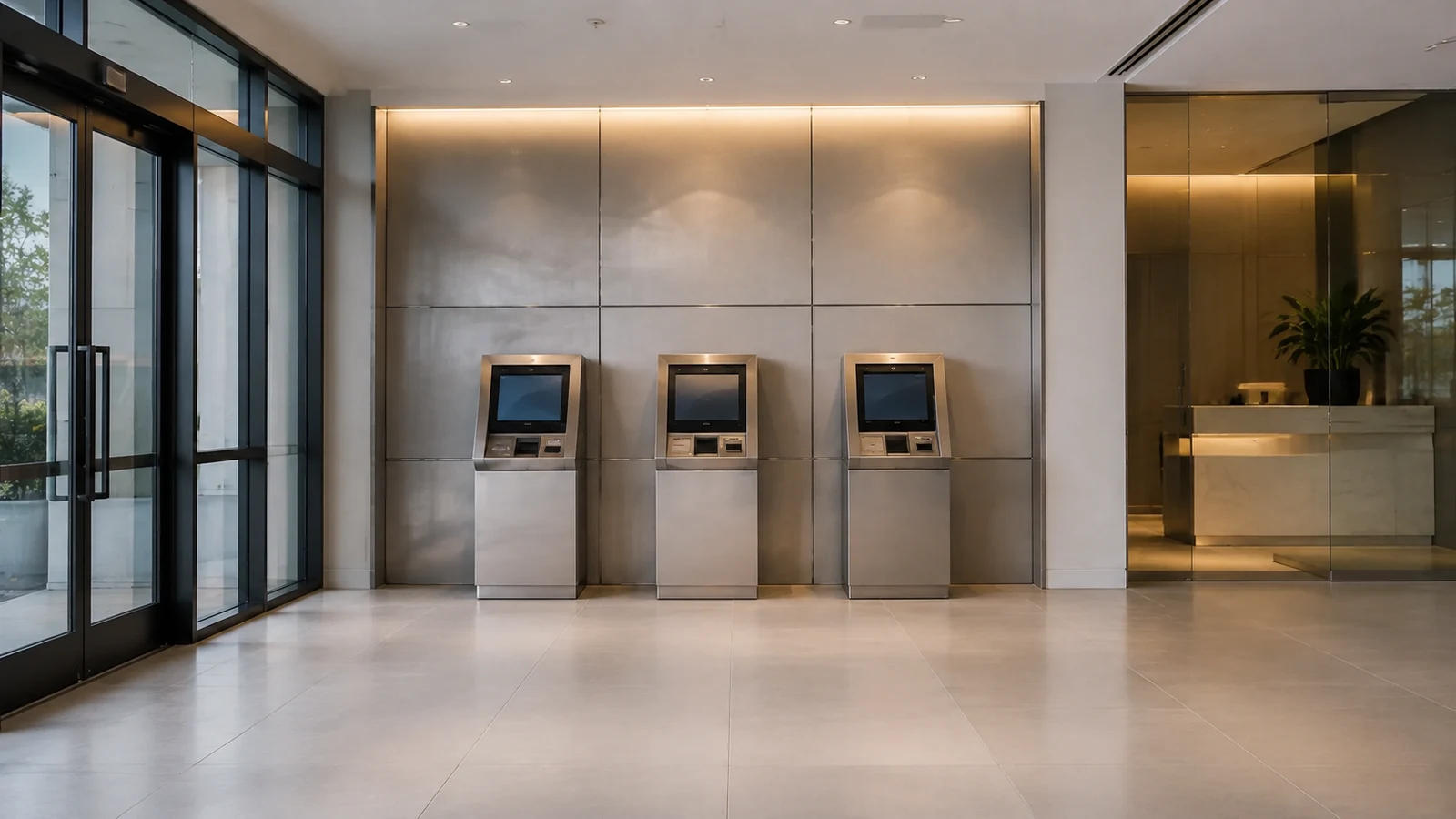
Coordinate customer circulation, ATM visibility, and service-counter approaches without obstructing public access or transaction flow.

Plan institution-authorized operational context while respecting privacy and policy.
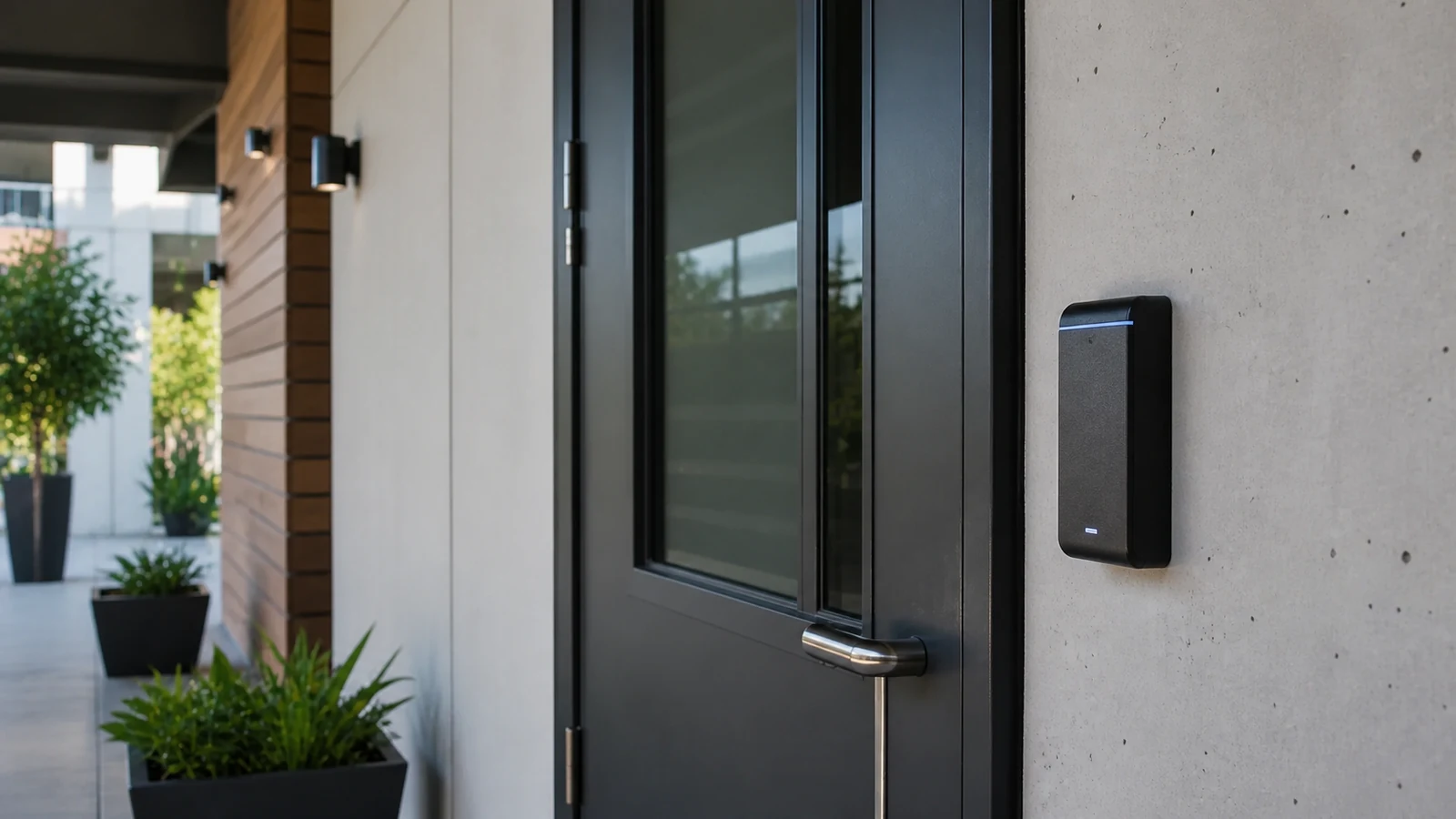
Apply role and schedule permissions to designated controlled openings.
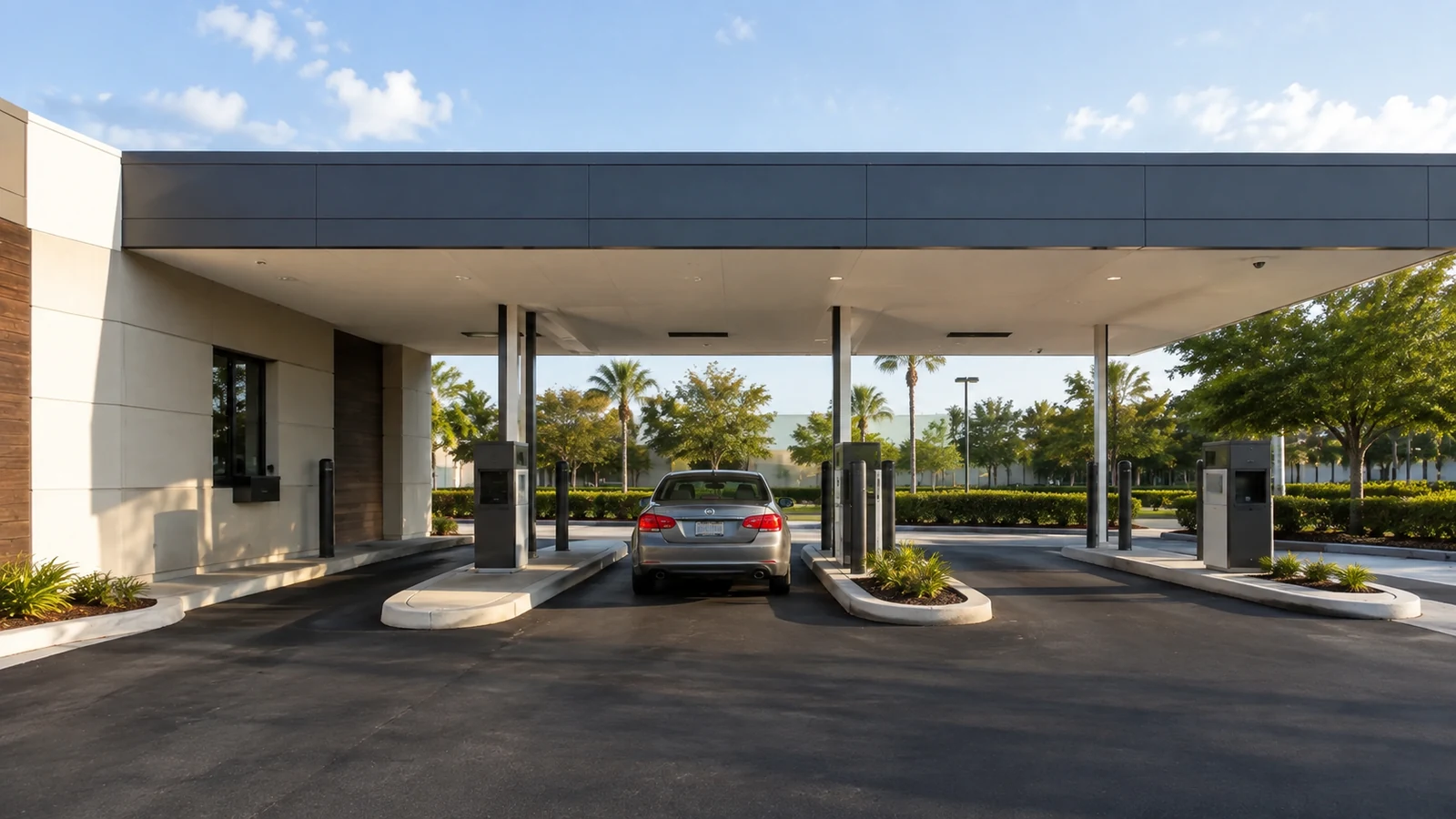
Address lighting, distance, vehicle movement and network reach.
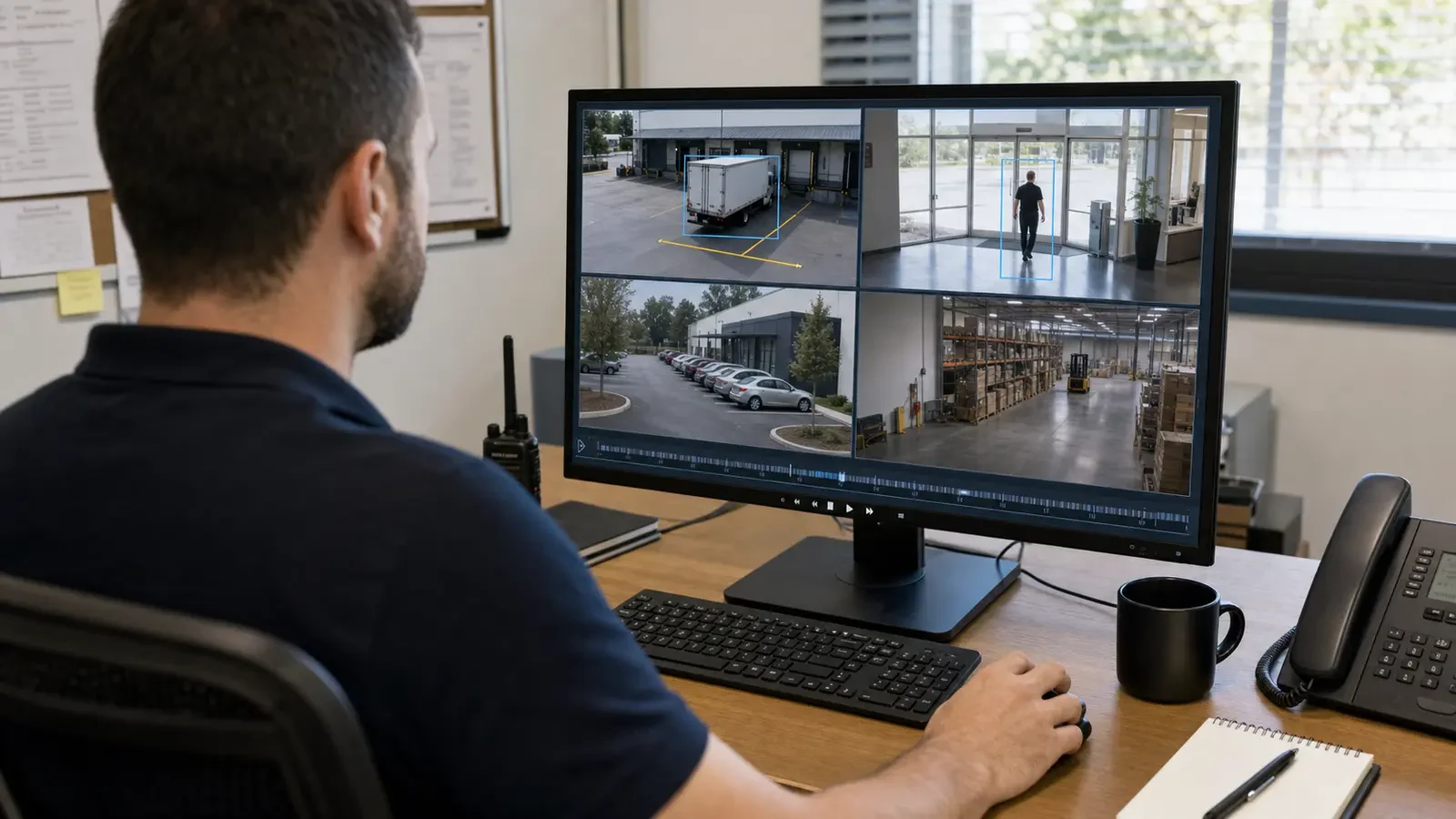
Support owner-designated restrictions with documented administrative responsibility.
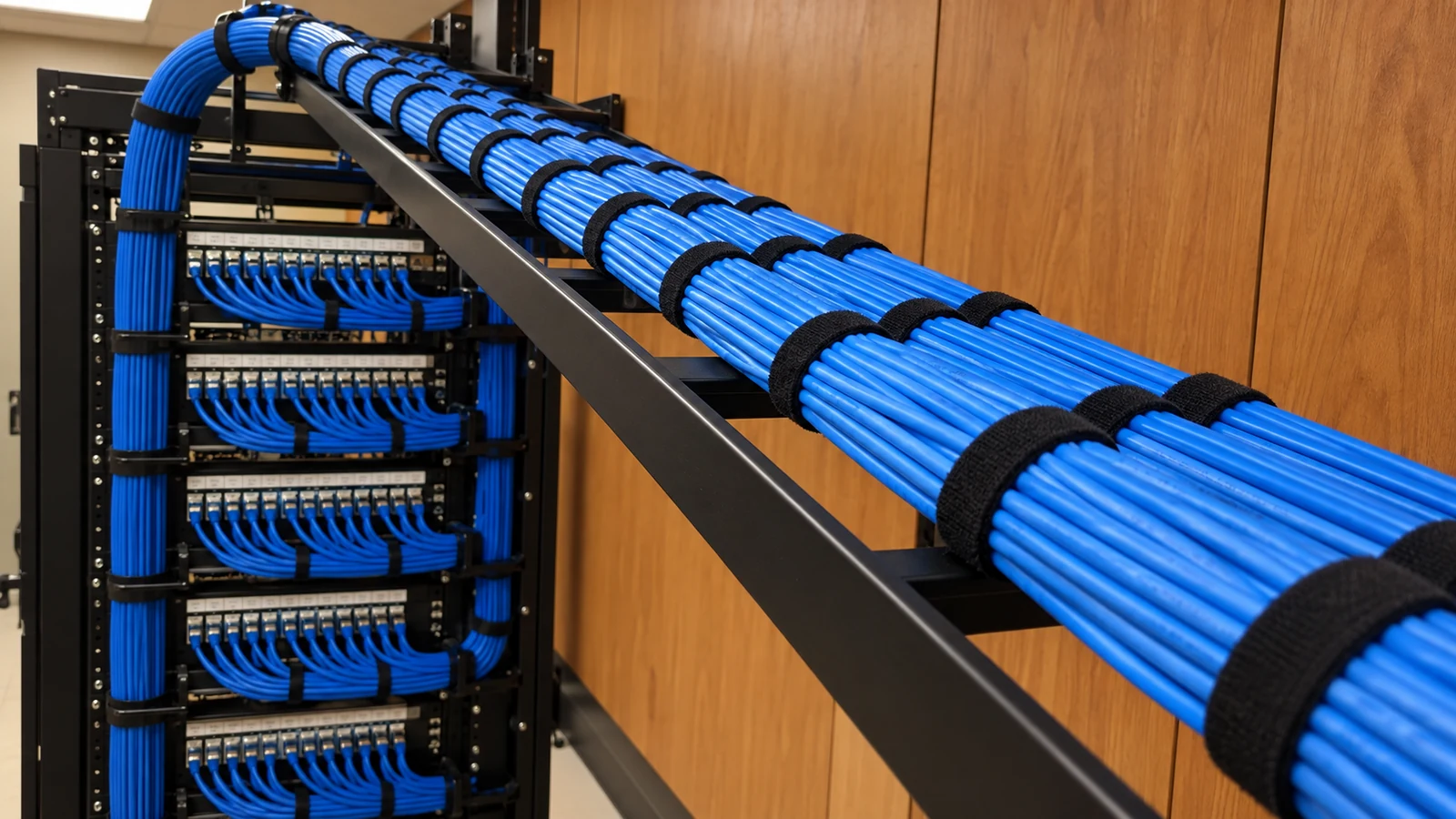
Organize labeled fiber and network patching in a secured technical space, with branch-system purpose and ownership confirmed separately.
TECHNICAL PLANNING
Obtain approved views, retention, user roles, remote-access and evidence-handling requirements.
Test cabling, cameras, recorders, doors, racks and network dependencies before reuse.
Coordinate access, escort, shutdown, temporary service and acceptance conditions.
Keep switching, segmentation, cybersecurity and credentials under authorized IT control.
Deliver agreed schedules, labels, test results, roles and exceptions.
CONNECTED SYSTEMS
Align authorized door events with nearby video context where platforms support it.
Do not assume integration; document vendor support, authorization and scope separately.
Financial-institution IT retains cybersecurity and remote-access authority.
Assign landlord pathways, door hardware, network and ongoing service ownership.
ORLANDO SERVICE CONTEXT
Financial service properties in western Greater Orlando may operate in freestanding, retail-center or professional-office settings with different landlord and secure-access constraints.
Separate customer arrival, transaction approach and staff circulation during planning.
Confirm retention, evidence export and credential ownership with authorized institution staff.
Coordinate exterior views with actual lighting, lanes and mounting conditions.
Use phased cutovers and documented rollback where recorder, access or network services must remain available.
Western Greater Orlando financial facilities require site-specific coordination across customer areas, restricted staff zones, drive-up lanes, equipment rooms, secure access procedures and institution-controlled networks.
RELATED SERVICES
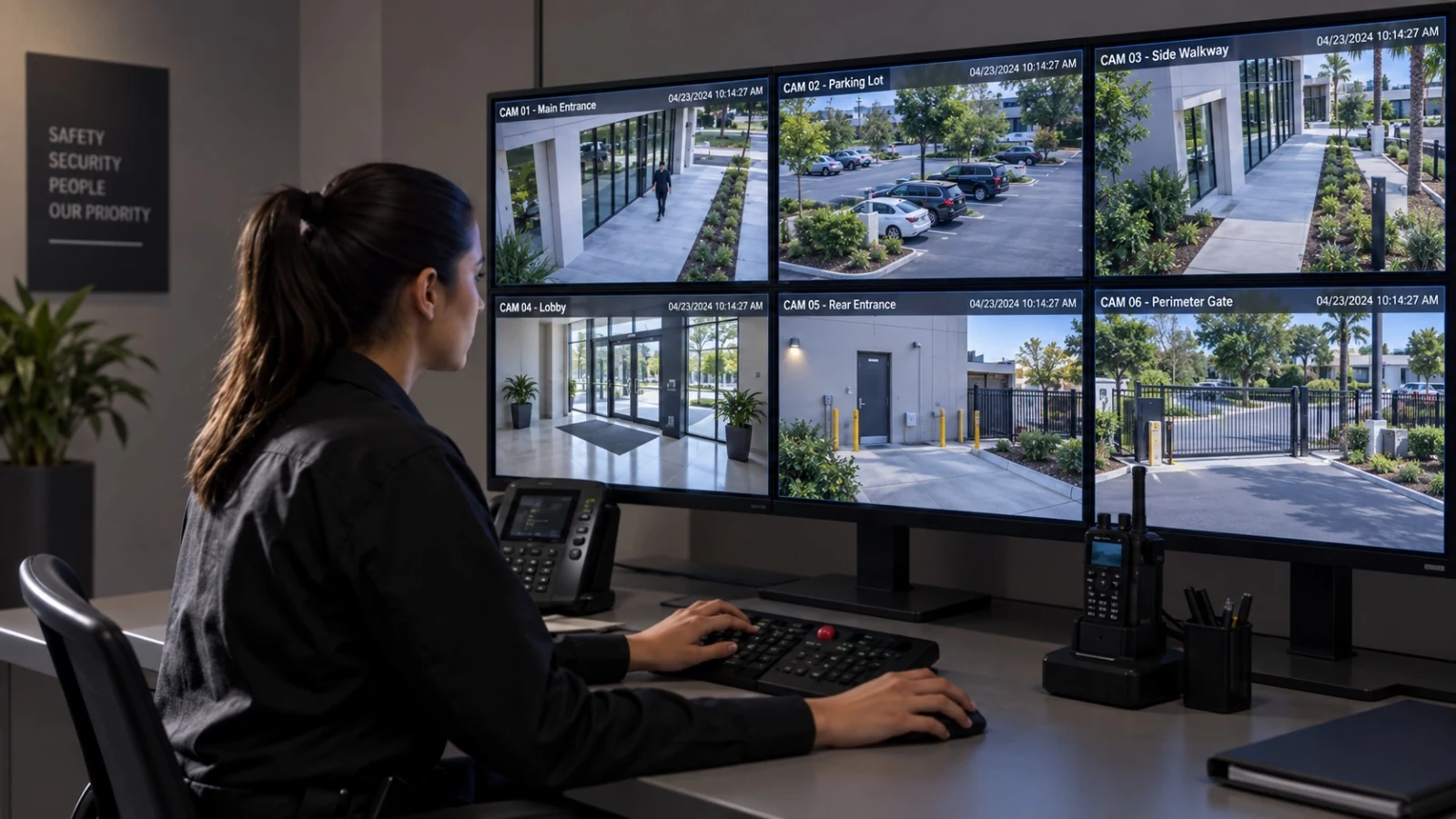
Purpose-planned camera views for entrances, circulation, exterior approaches and approved operational needs.
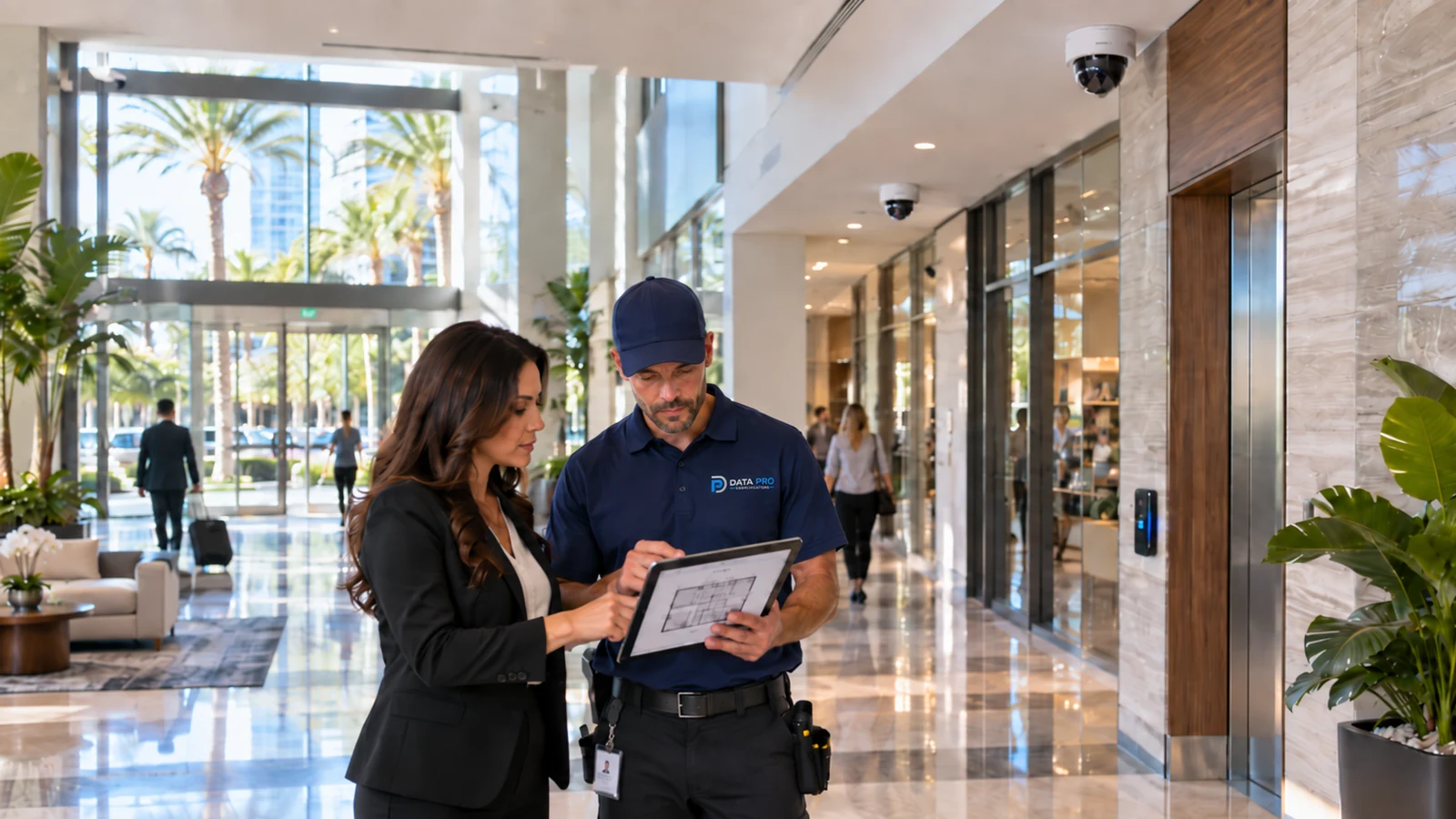
Labeled pathways and telecom-space organization for dependable system infrastructure.
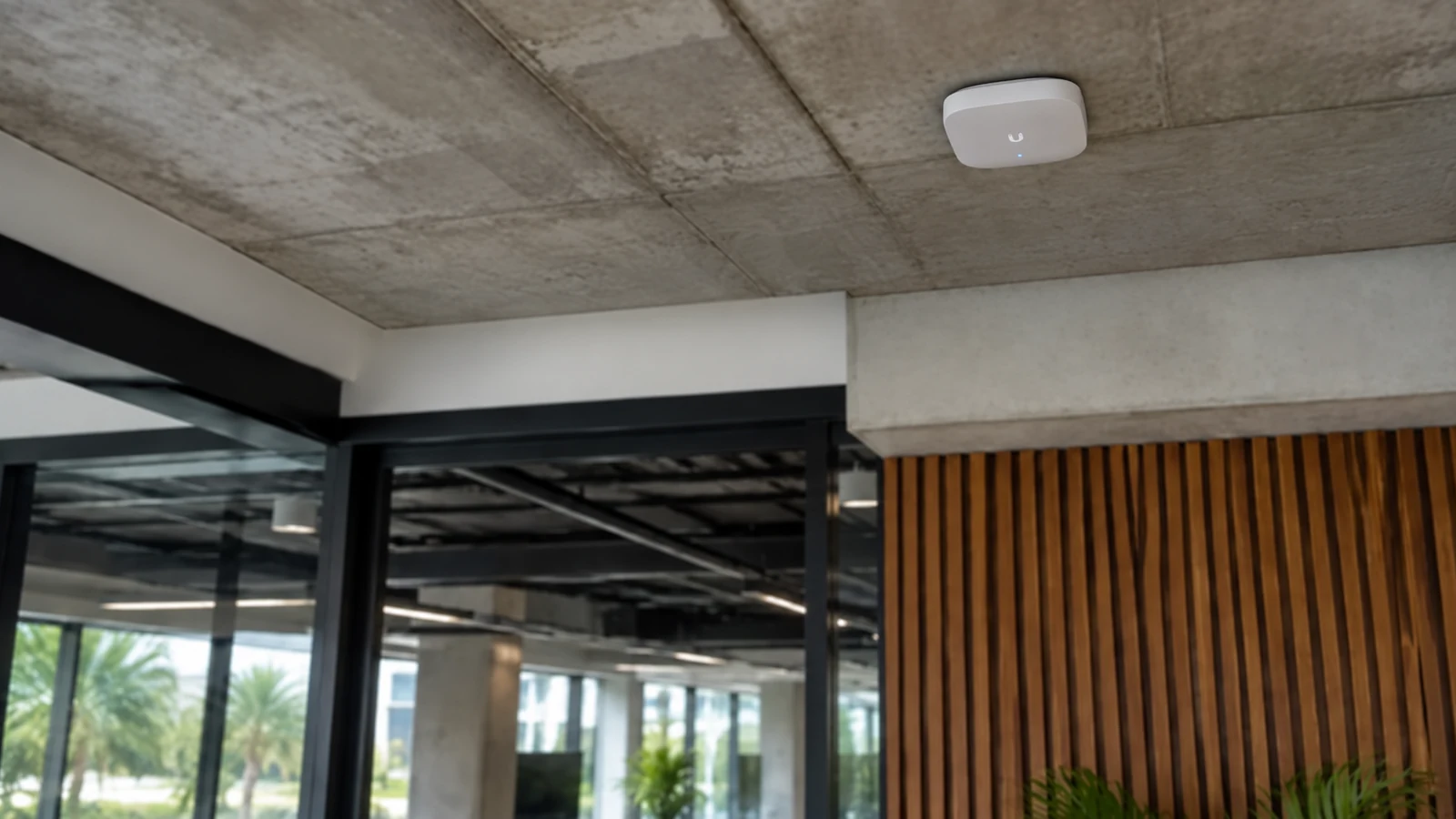
Switching locations, PoE capacity and network handoff coordinated with the responsible IT team.
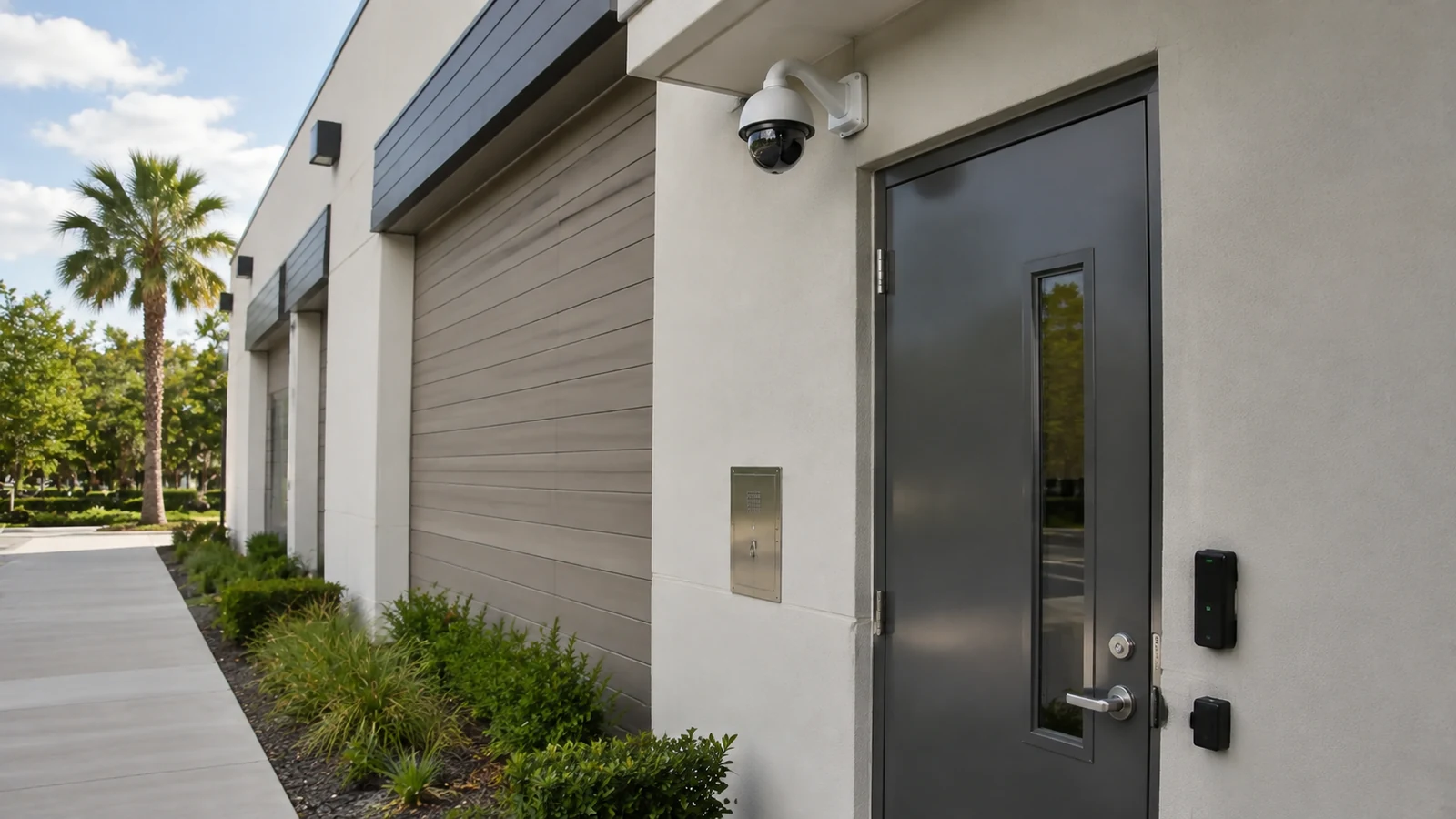
Credentialed doors with role, schedule, hardware and administrative coordination.
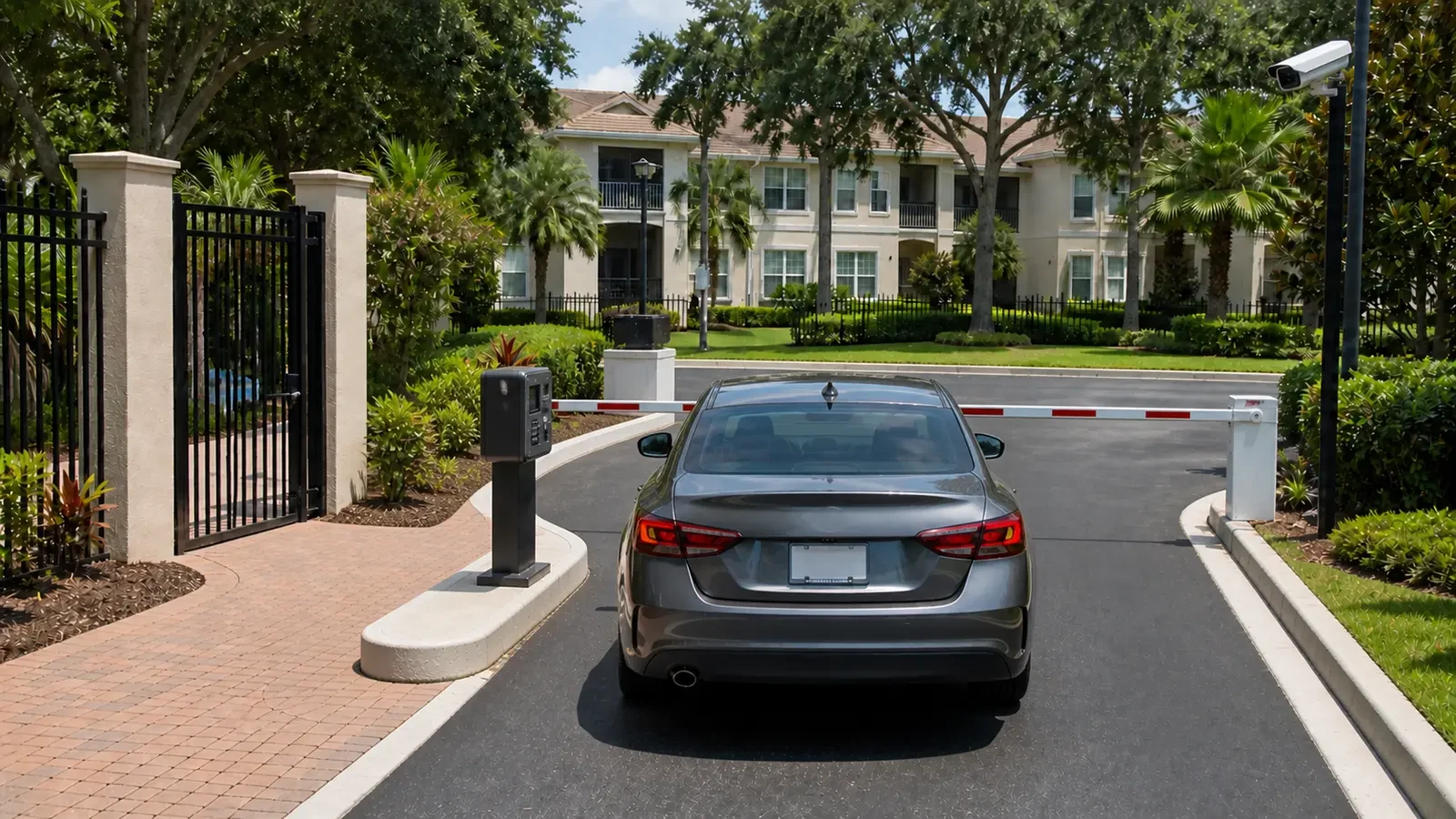
Visitor communication between designated arrival points and authorized staff.
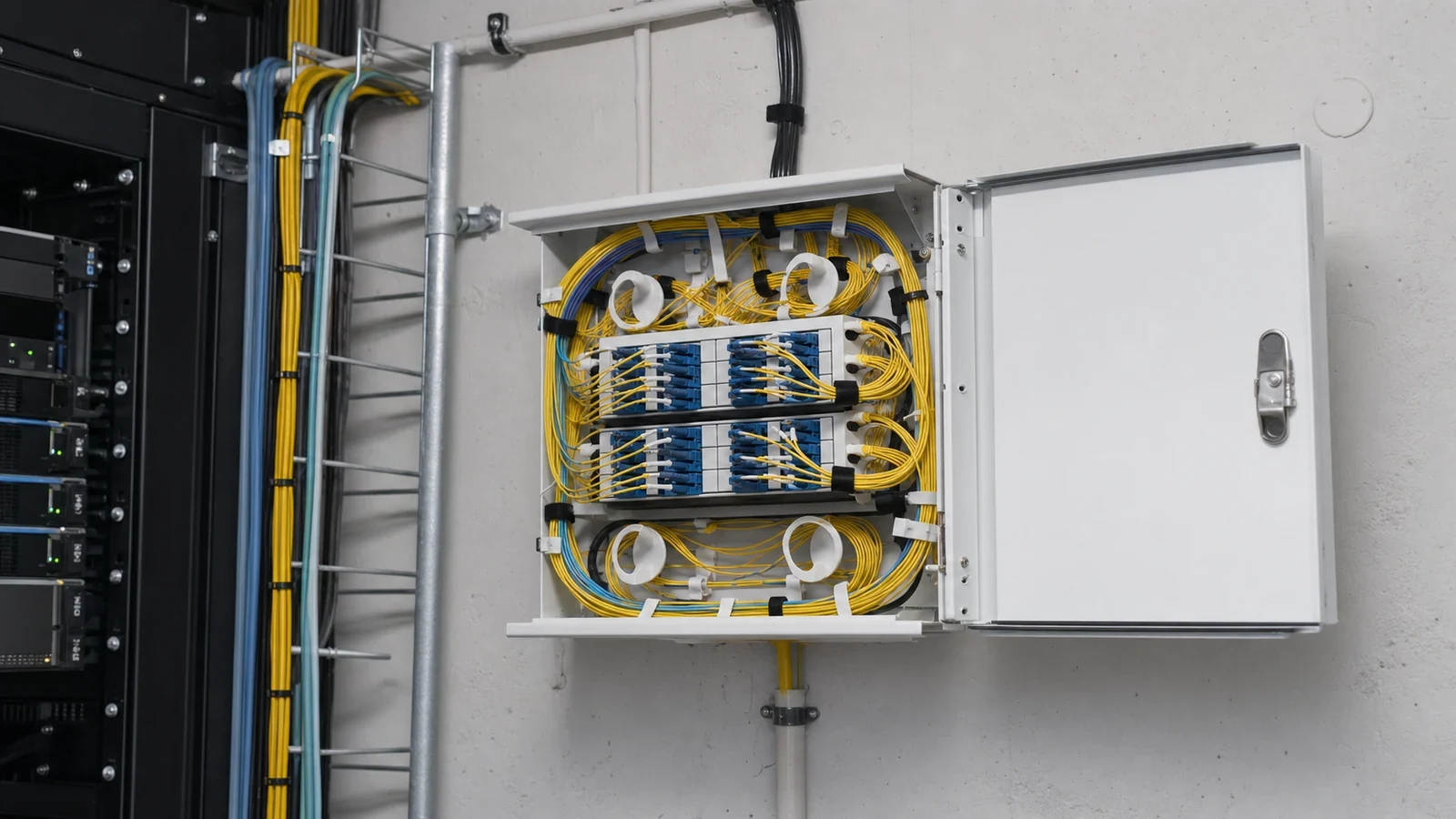
Fiber links for larger properties or buildings where distance and capacity require them.
INDUSTRIES SERVED
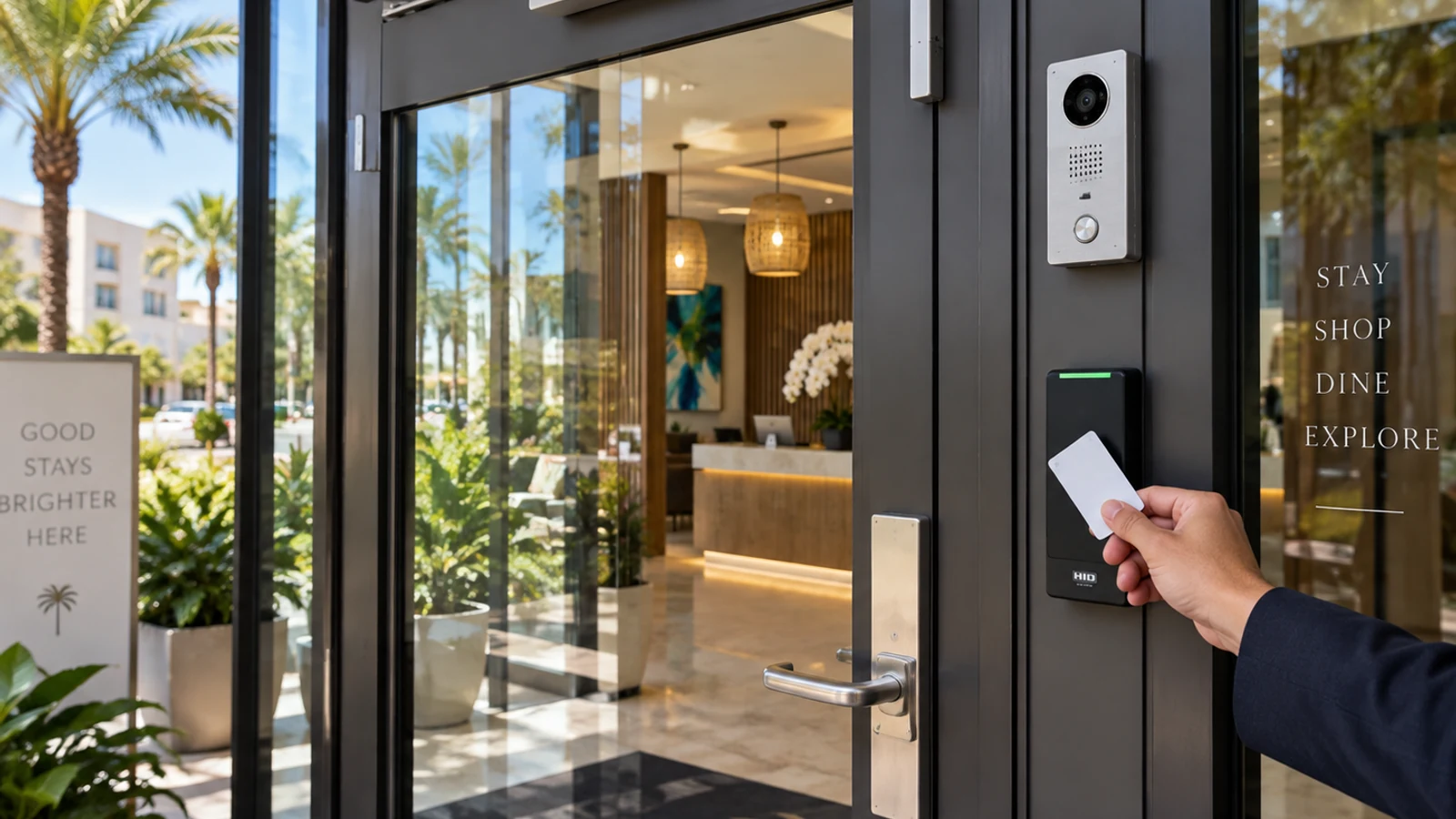
Customer-facing properties with active staff areas and public arrival workflows.
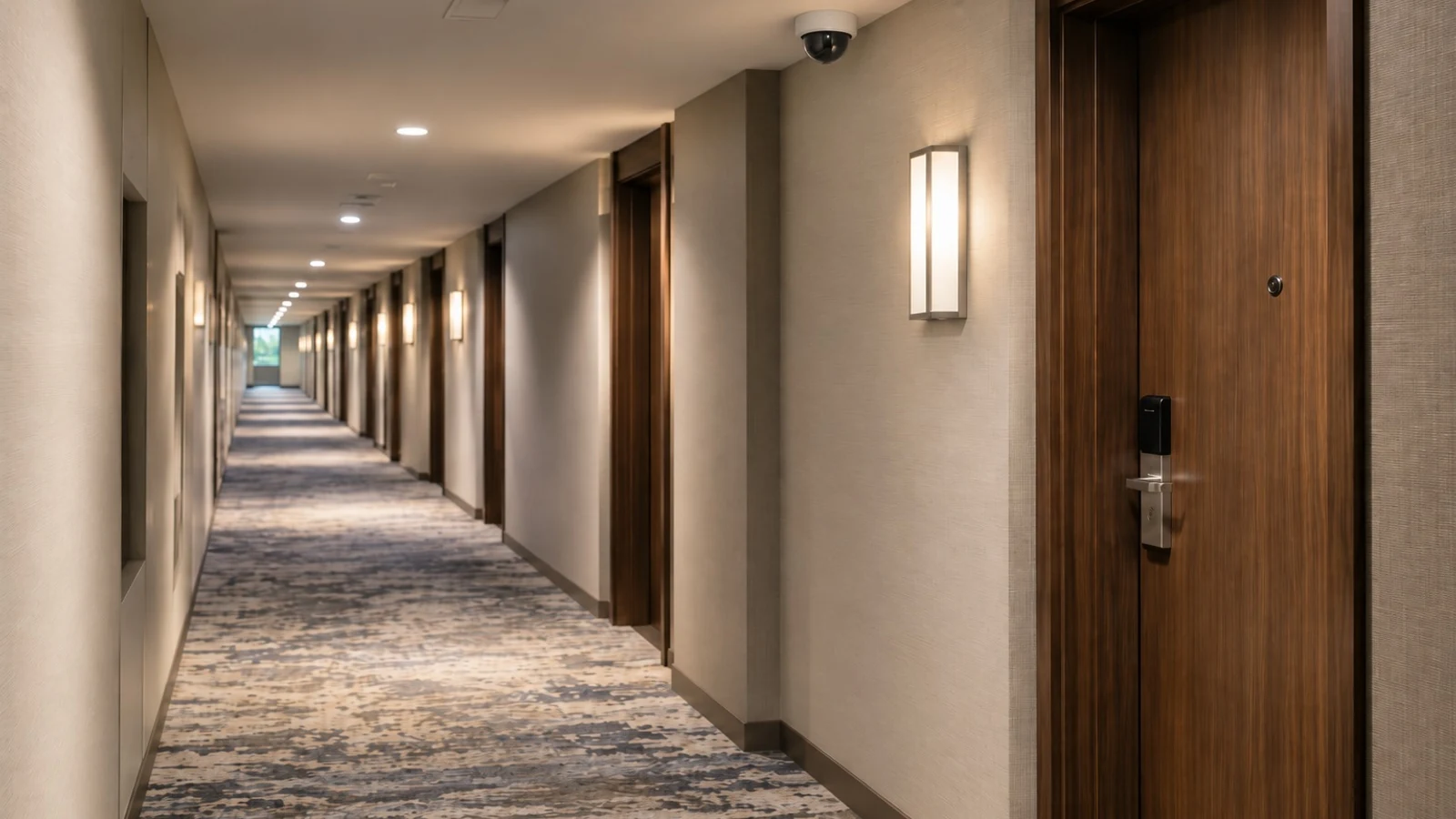
Guest properties with around-the-clock occupancy, parking and staff operations.
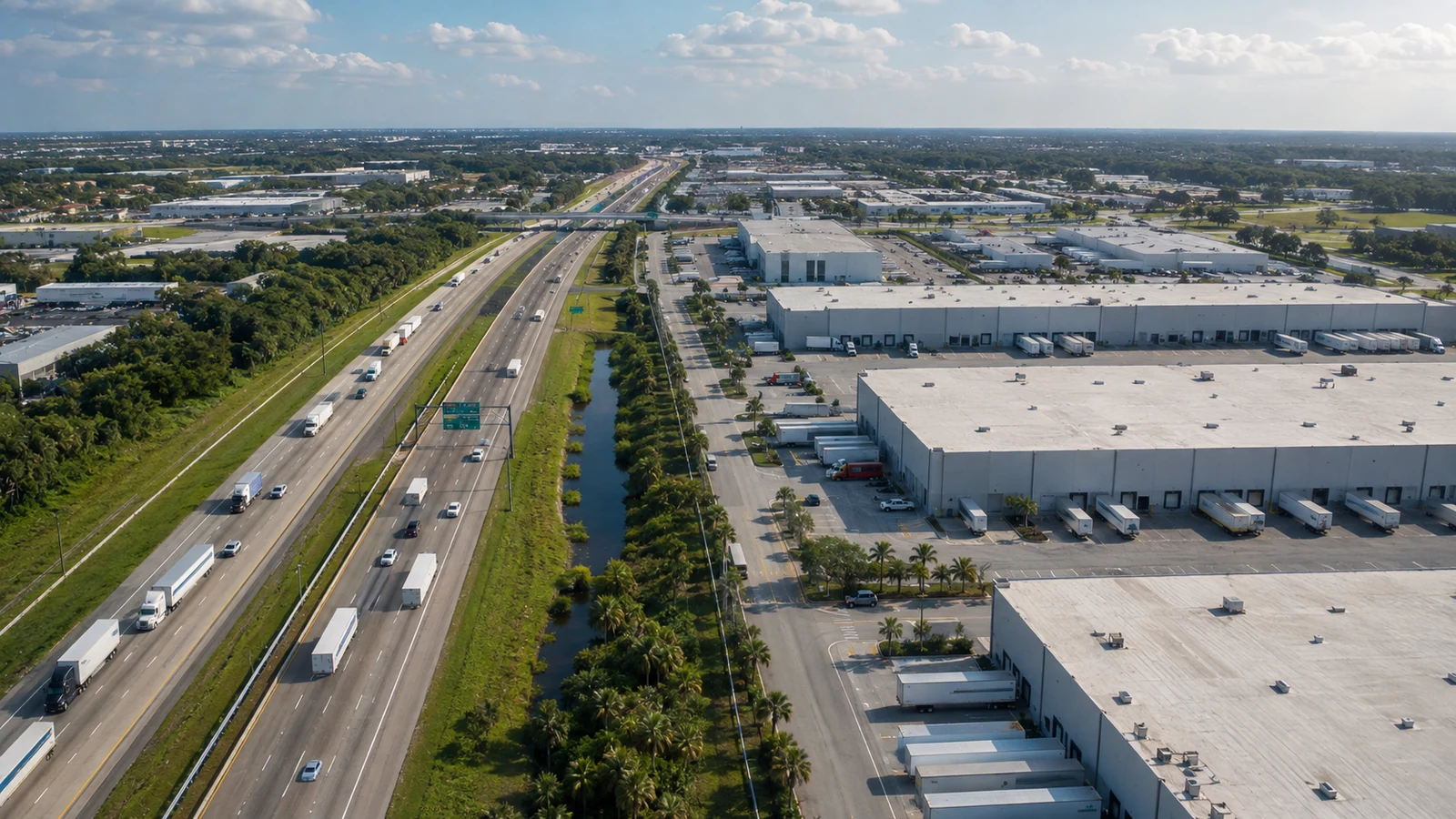
Distribution properties with yards, docks, long aisles and inventory movement.
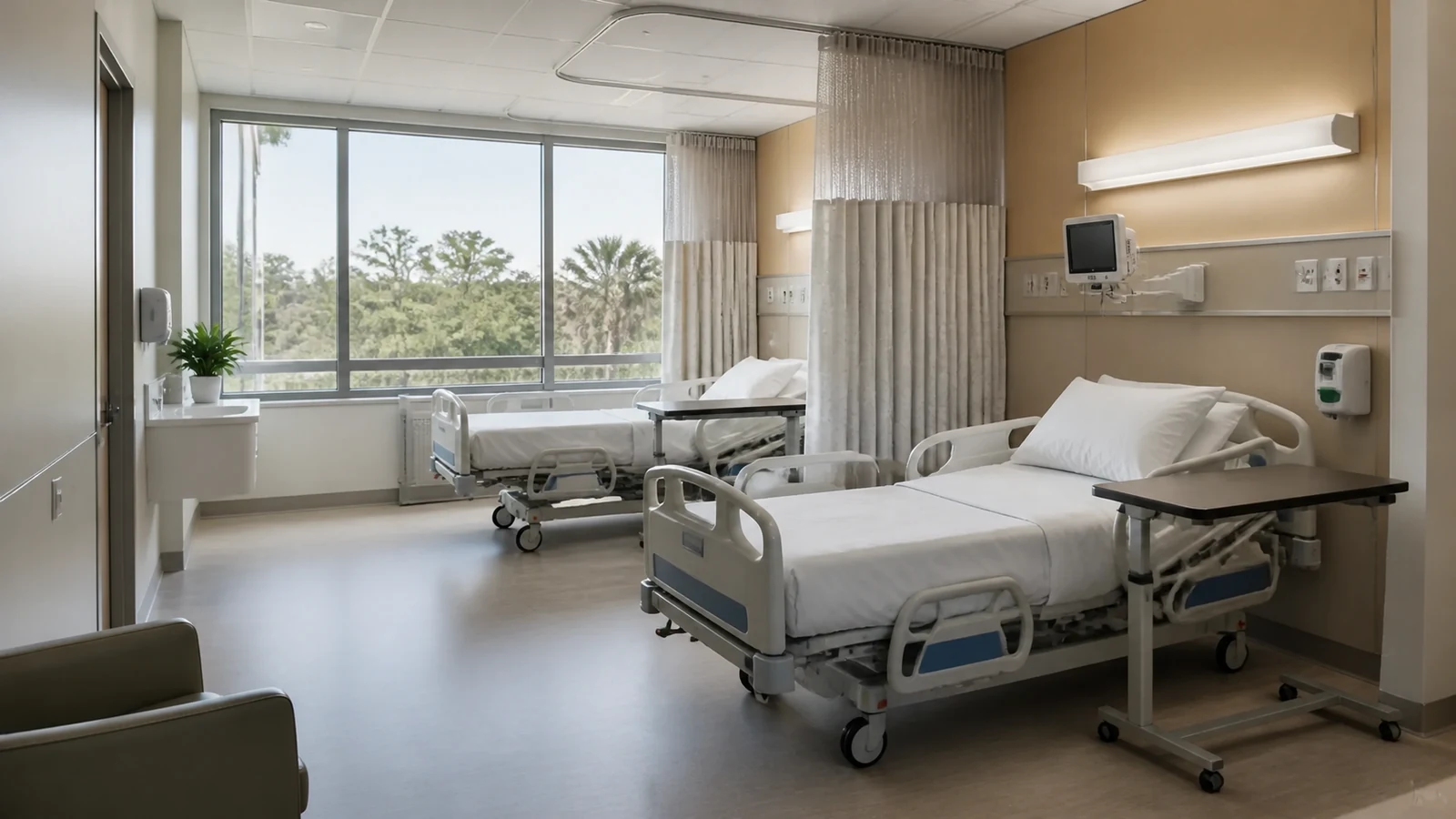
Occupied professional properties with visitor arrival and controlled staff areas.
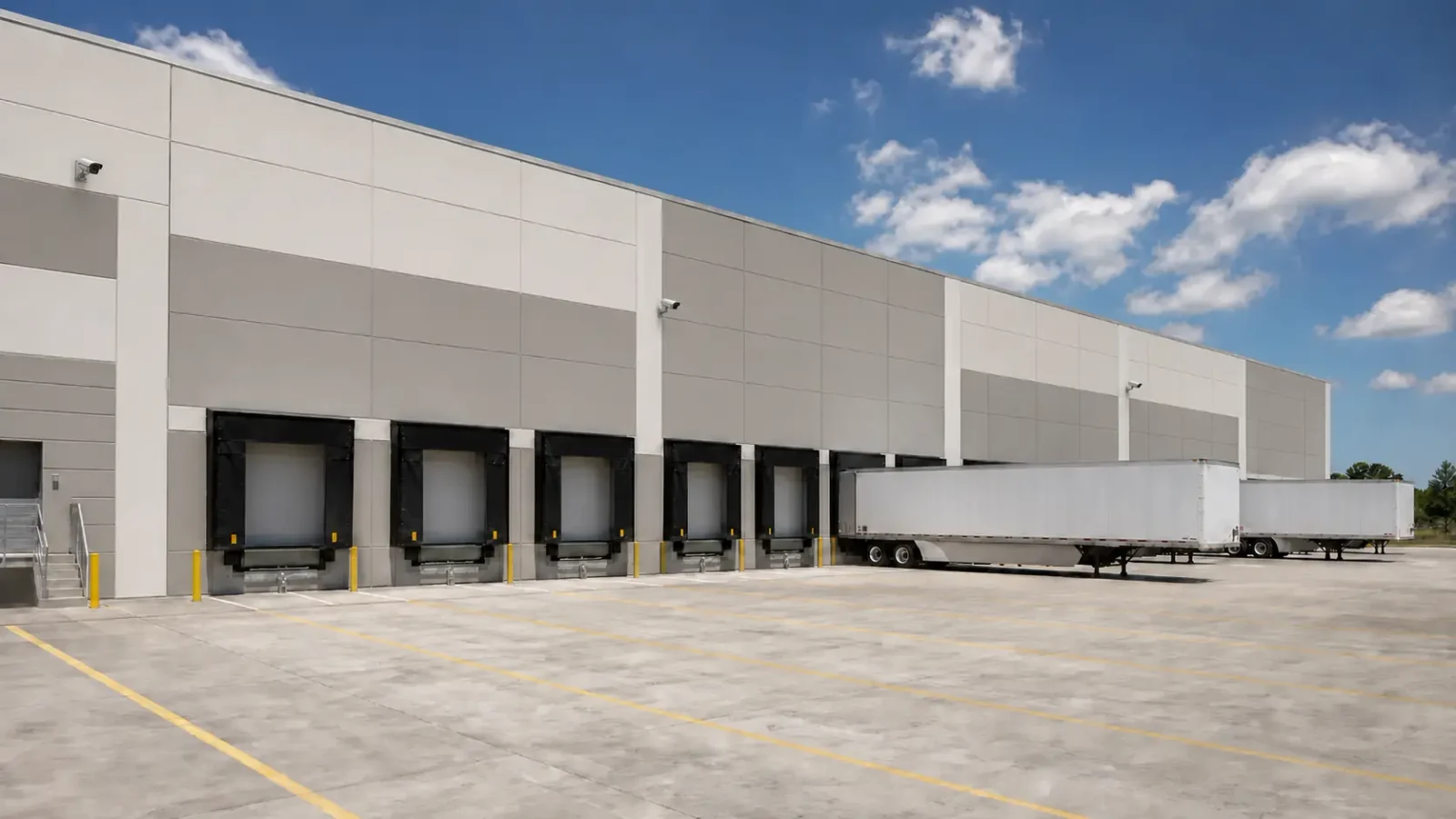
Production properties with equipment zones, shift changes and operational networks.
PROJECT PROCESS
Review customer arrival, teller and service approaches, staff-only areas, drive-up lanes, equipment spaces, secure-opening procedures, business hours and institution-controlled networks.
Define authorized camera views, controlled doors, pathways, recording and retention requirements, network dependencies, approval roles, implementation windows and acceptance criteria.
Complete work during approved secure-access windows, coordinate escorts and network changes, protect transaction and branch operations, then test each accepted view, door and recording function.
Provide device and door schedules, camera names, cable labels, rack and port records, test results, approved administrators, retention settings, exceptions and service contacts.
LICENSED PROJECT SUPPORT
Data Pro Communications provides professionally scoped commercial low-voltage planning and installation under FL License #EC13016138. Licensing supports contractor accountability; it does not replace the owner's policy, regulatory, safety, network or operational responsibilities.
FAQ
Institution-approved planning often considers entries, customer approaches, transaction context, staff circulation, drive-up lanes and exterior areas. Final views depend on purpose, privacy, lighting, retention and authorization.
The financial institution does. It should define retention, permissions, export procedure, custody and legal review; installation can implement approved technical settings without owning policy.
Yes. The institution defines groups, schedules, exceptions, issuance and revocation, and the system is configured around those approved rules.
Continuity depends on the existing design and scope. A phased plan should identify active channels, storage, network dependencies, temporary conditions, cutover and rollback before work.
No. Installation alone does not establish regulatory, cybersecurity, privacy or loss-prevention compliance. The institution remains responsible for policy and legal review.
Floor plans, door and camera lists, operating hours, secure-access procedures, retention requirements, network contacts, existing equipment and desired timing help define the survey.
Reuse requires inspection and testing for pathway condition, labeling, compatibility, power, image purpose, network support and recorder capacity. Evaluation must respect restricted-area access and avoid disrupting customer or transaction operations.
The institution's authorized IT and security teams define segmentation, cybersecurity, accounts, retention, remote access and change windows. Device demands, cutover order, testing and recovery steps are documented before work affects branch systems.
Yes. Customer areas, staff zones, drive-up lanes and equipment rooms can be scheduled separately under approved access and escort procedures. Each phase identifies recording continuity, network impact, testing and branch acceptance.
Useful records include camera and door schedules, approved view names, cable and rack labels, port details, retention settings, administrator ownership, test results, access exceptions and the final accepted branch scope.
After-hours work may be planned when property access, staffing, safety, noise and the project sequence support it. Availability and special requirements are confirmed during planning.
Audio is not assumed. Recording or monitoring audio raises separate legal, policy and technical considerations and requires explicit customer authorization and appropriate legal review.
Prepare floor and site plans, customer and staff workflows, branch hours, restricted-area rules, drive-up details, current equipment and retention information, facilities contacts, security contacts and authorized IT participants.
Findings become a branch-specific scope covering views, controlled areas, pathways, recording, network requirements, approval roles, secure work windows, testing and documented handoff.
Request a site survey to coordinate customer areas, restricted zones, drive-up coverage, branch networks and controlled implementation windows.