
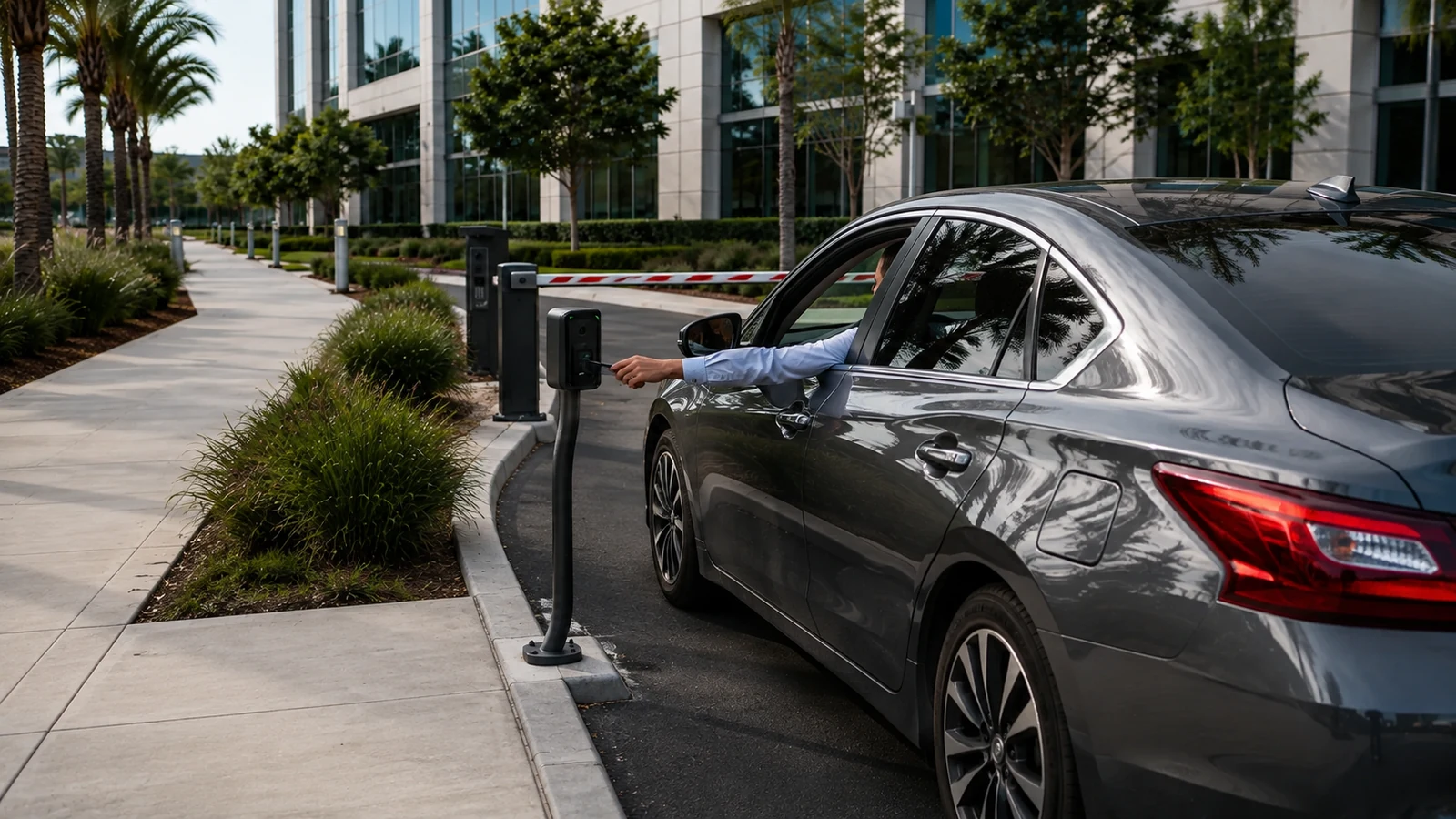
Entry and Call Station Planning
Select locations and station types around visitor approach, mounting conditions, accessibility coordination, weather exposure, acoustics, visibility, directory needs, and expected call volume.
COMMUNICATION AT COMMERCIAL DOORS AND GATES
Commercial intercom systems let staff, tenants, residents, or designated operators communicate with visitors at doors, gates, loading entrances, reception points, and other managed entries. Data Pro Communications plans audio and video intercom infrastructure for Orlando properties that need clear calling workflows, suitable entry and interior stations, documented network or cabling dependencies, and a practical handoff.
An intercom can support visitor communication and, when the selected system and approved design allow it, coordinate with access control, door release, cameras, or gate equipment. Communication does not by itself authorize entry. Mobile answering, remote release, recording, directory, and integration functions depend on the chosen platform, licensing, network, permissions, and operating policy.
PROJECT PLANNING
A site survey can map who calls, who answers, what an operator sees, how entry decisions are made, which opening is released, and what happens when the network, mobile app, or primary answering station is unavailable.
SERVICE OVERVIEW
A commercial intercom system may combine exterior or vestibule entry stations, interior answering stations, audio or video communication, directories, call routing, network interfaces, PoE or local power, door or gate relay coordination, camera views, management software, and commissioning records. The final design should match the number of entries, users, tenant or department structure, answering responsibilities, environmental conditions, and approved release workflow.
CORE CAPABILITIES
Select locations and station types around visitor approach, mounting conditions, accessibility coordination, weather exposure, acoustics, visibility, directory needs, and expected call volume.
Define which desk, guard station, tenant, department, device, or approved operator receives calls and how unanswered, transferred, or after-hours calls are handled.
Coordinate microphones, speakers, cameras, displays, lighting, field of view, privacy expectations, and network capacity according to the approved platform and entry condition.
Connect an approved intercom action to compatible access-control or door-release equipment only when egress, locking hardware, permissions, wiring, and responsible trades have been reviewed.
Plan communication with gate operators, access systems, vehicle loops, gate controls, cameras, and network links while keeping gate safety and vehicle-control responsibilities with the appropriate specialists.
Document station addresses, switch ports, PoE loads, VLAN inputs, call routes, credentials, licenses, controller relationships, labels, and designated administrators.
COMMERCIAL USE CASES
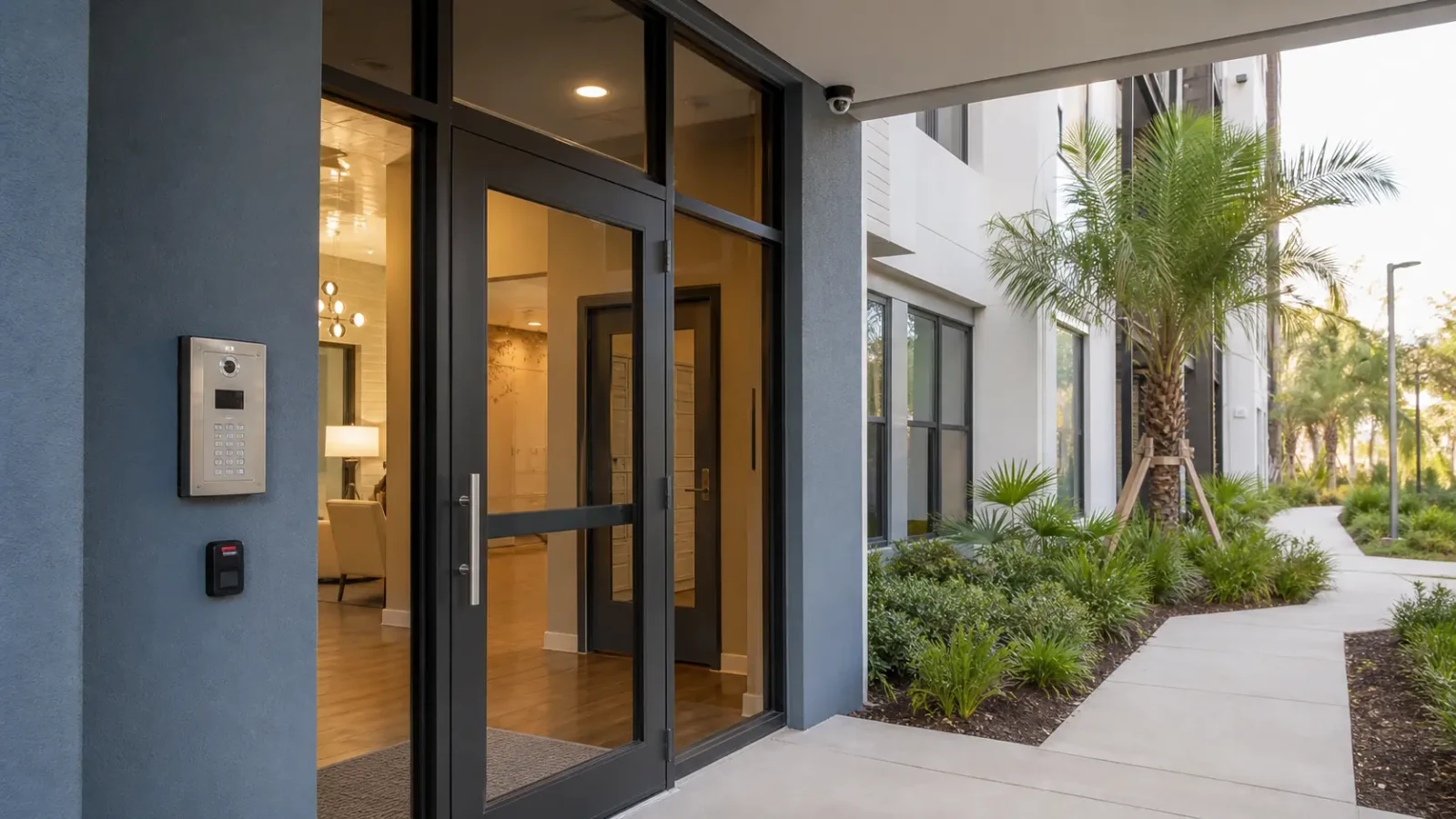
Support visitor communication at finished lobby and reception entrances with defined answering positions, clear station identification, and approved release procedures.
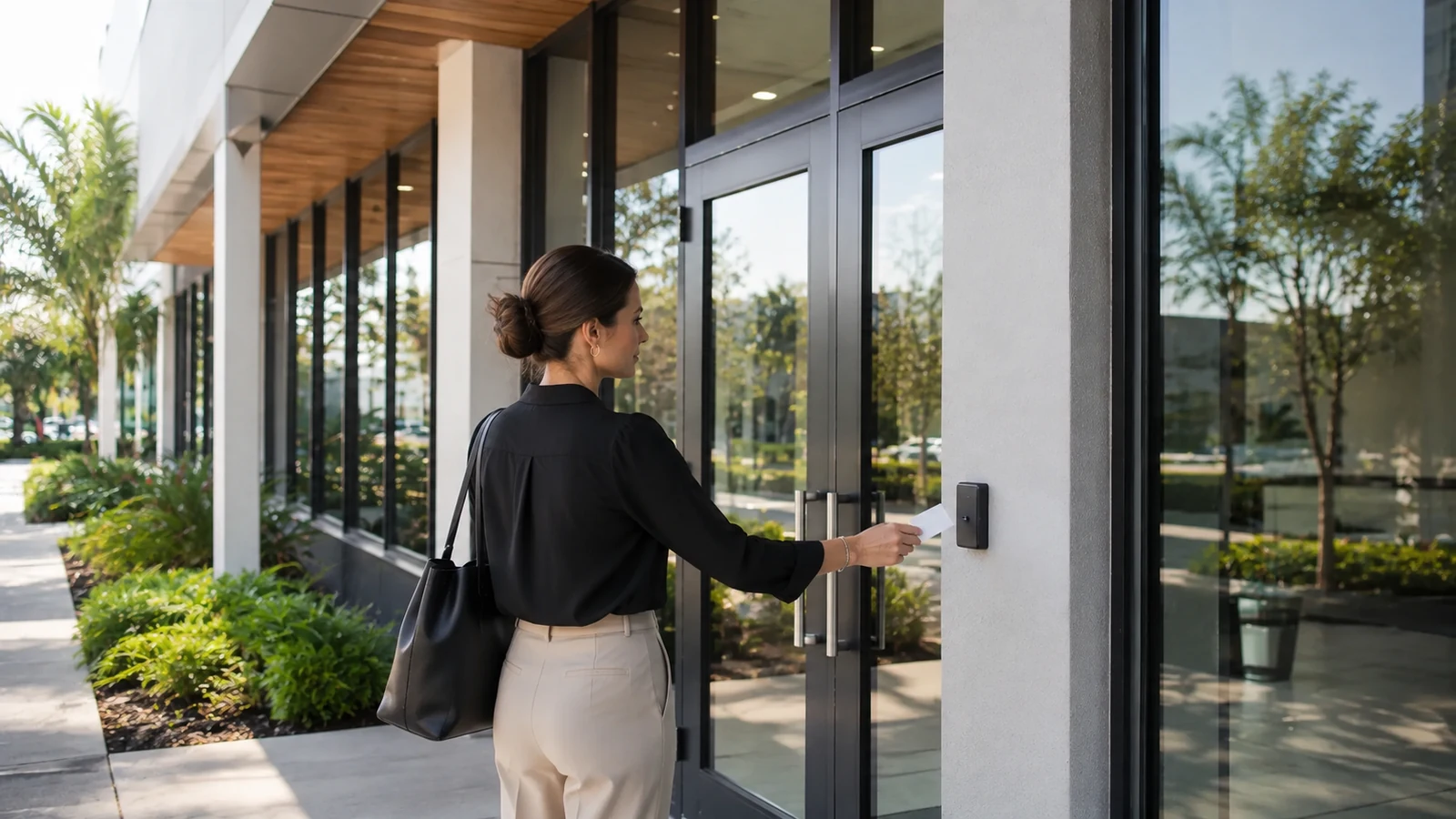
Route visitor calls to reception, security, tenants, or departments while coordinating lobby doors, directories, cameras, and after-hours workflows.
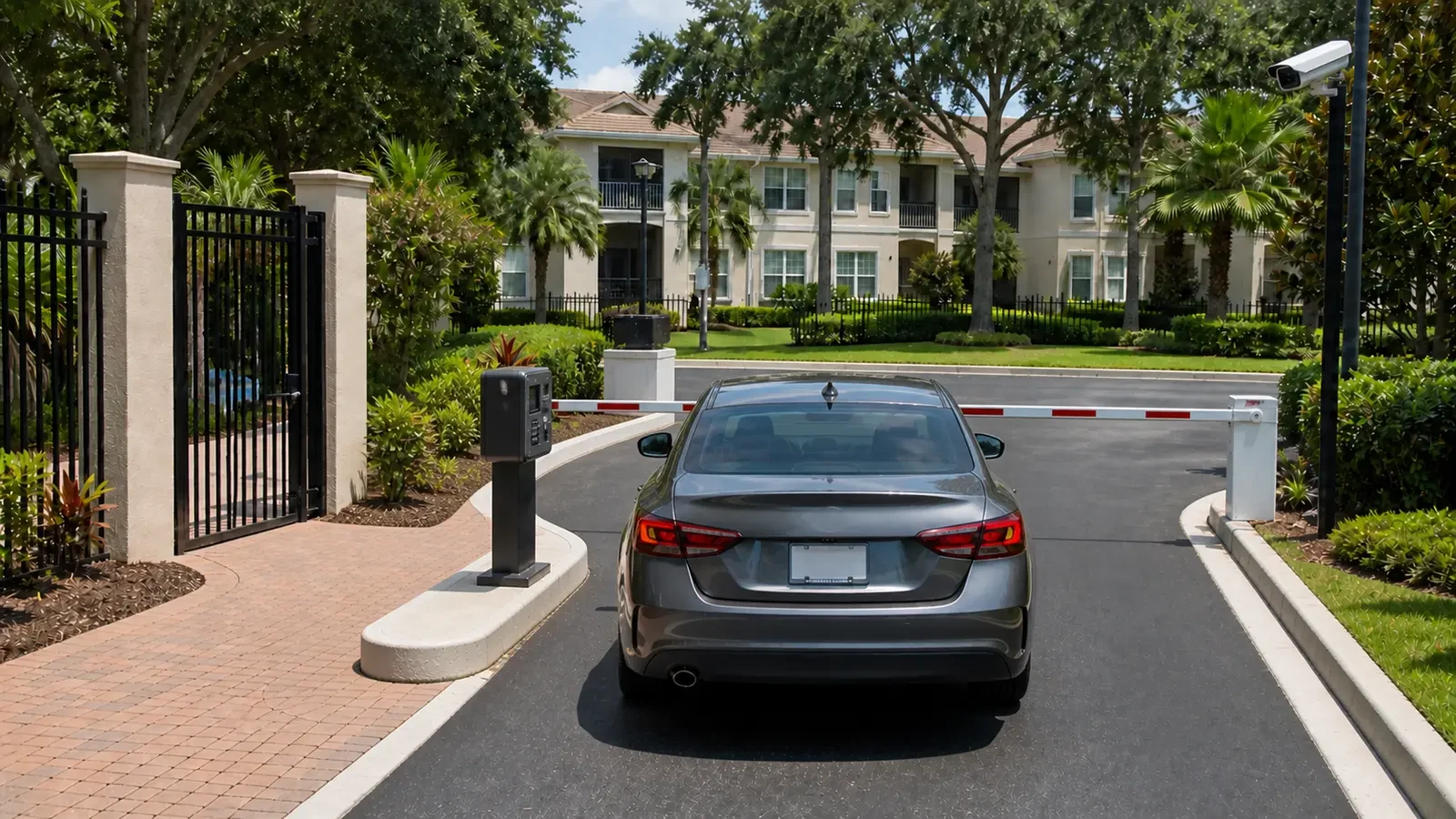
Plan multi-tenant calling, amenity entries, management offices, gates, and credentialed-access relationships around resident turnover and administrative ownership.
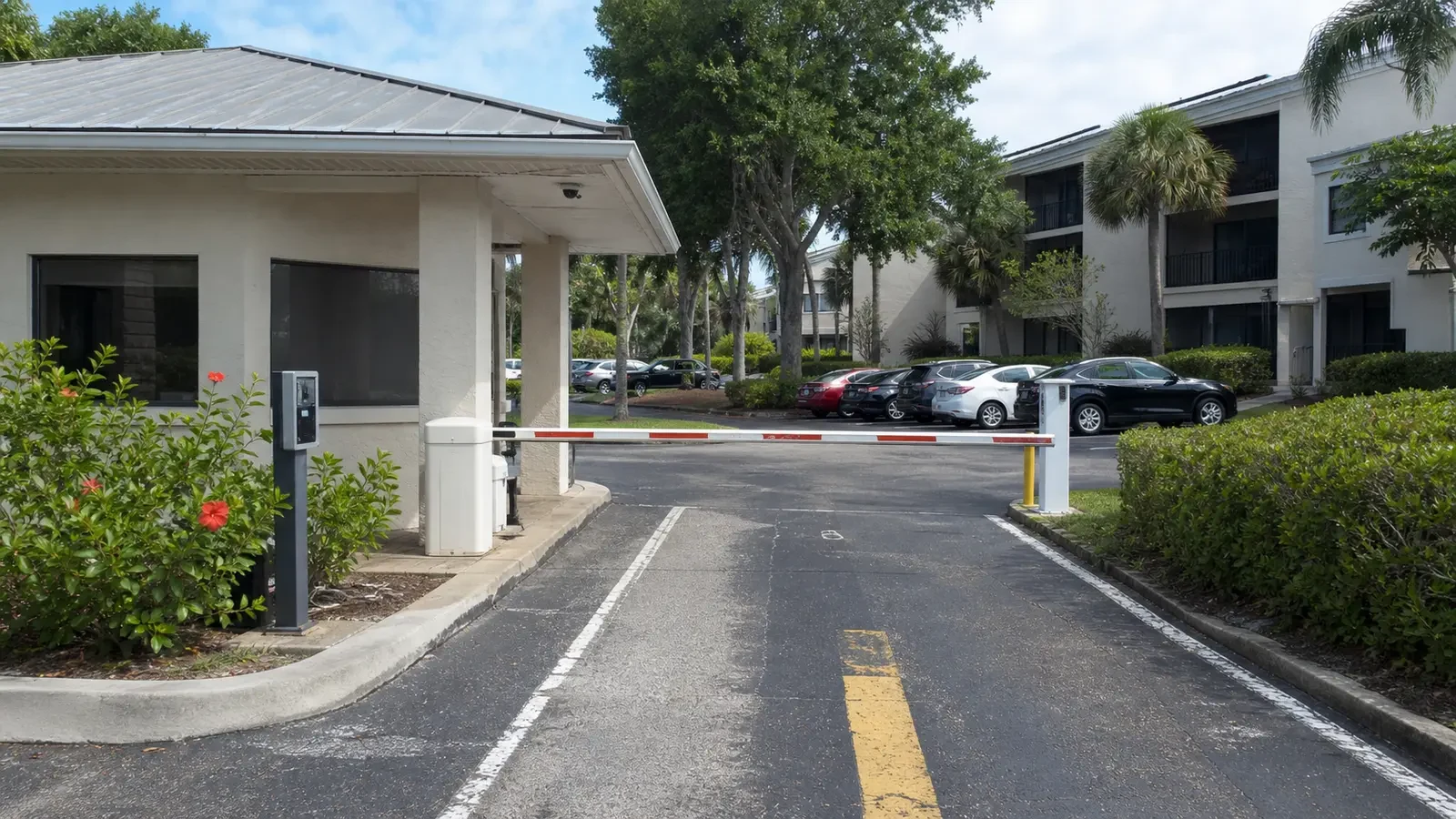
Provide communication at vehicle gates, personnel doors, receiving areas, and controlled yards where noise, distance, weather, and shift coverage affect station selection.
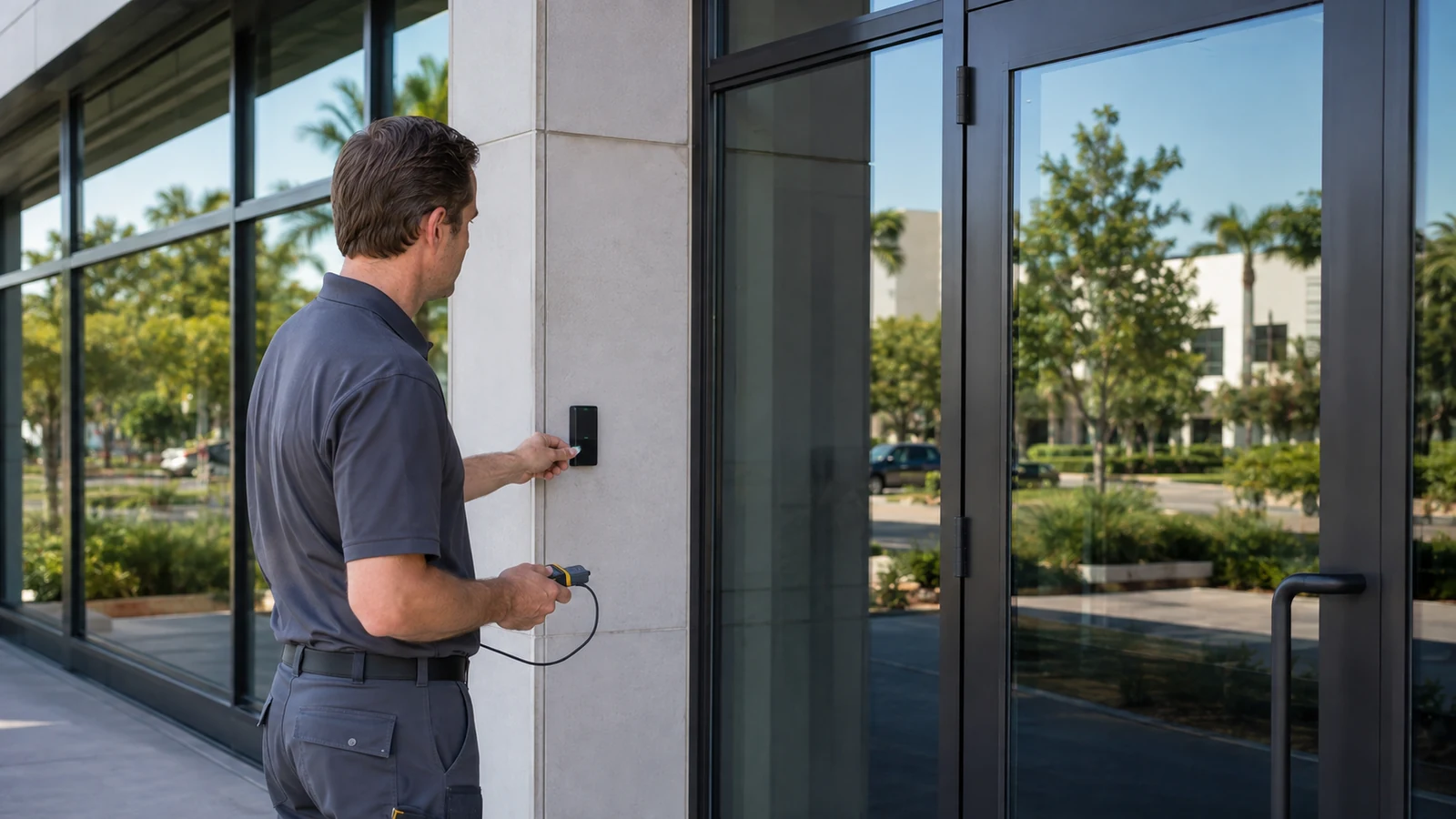
Coordinate visitor communication at selected entries while leaving privacy, clinical, operational, and regulatory policies to the responsible organization.
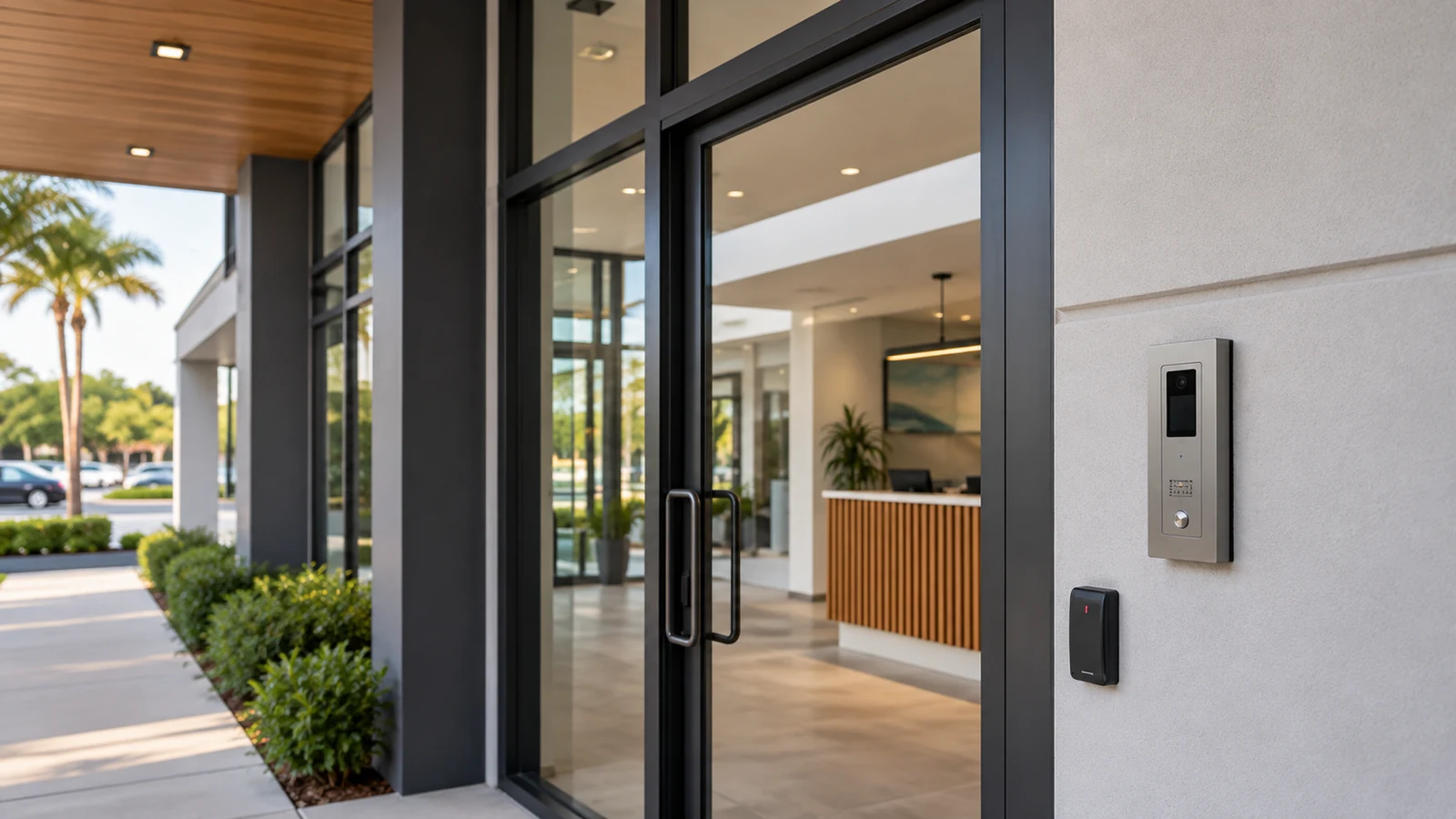
Organize desk answering, station naming, call routing, answer groups, entry identification, and service responsibility for managed commercial entrances.
TECHNICAL PLANNING
Write the call-flow and release matrix before configuration, including primary, overflow, after-hours, and failure-state handling. Name every station and opening consistently across drawings, software, labels, camera views, and staff procedures.
Final operation depends on station power, PoE capacity where used, wired backhaul, network addressing, VLAN and firewall decisions, compatible door or gate interfaces, controller inputs, software licensing, mobile services where supported, and designated administrators.
Intercom communication does not guarantee visitor identity, entry authorization, response, connectivity, audio quality, mobile compatibility, or successful remote release. Door, gate, access-control, network, life-safety, and cybersecurity responsibilities must be assigned in the project scope.
CONNECTED SYSTEMS
The intercom may request or signal a release through an approved access-control workflow, while credentials, permissions, schedules, door states, and event policy remain part of the access-control system.
A compatible intercom camera or separate surveillance view may help an operator understand the entry context. Video availability, recording, privacy, and event association depend on the selected systems and approved integration.
Vehicle gates may require separate gate controls, safety devices, long-distance links, network equipment, and specialist coordination. IP stations also depend on switch, PoE, VLAN, addressing, and uplink decisions.
ORLANDO SERVICE CONTEXT
Lakehurst and International Drive properties include hotels, commercial offices, retail and entertainment spaces, managed communities, warehouses, healthcare facilities, and multi-building sites with different visitor patterns and staffing models. Effective intercom planning considers occupied operations, multiple entrances, back-of-house routes, parking and gate approaches, evening workflows, tenant or department routing, outdoor exposure, and the teams responsible for answering and release decisions.
RELATED SERVICES
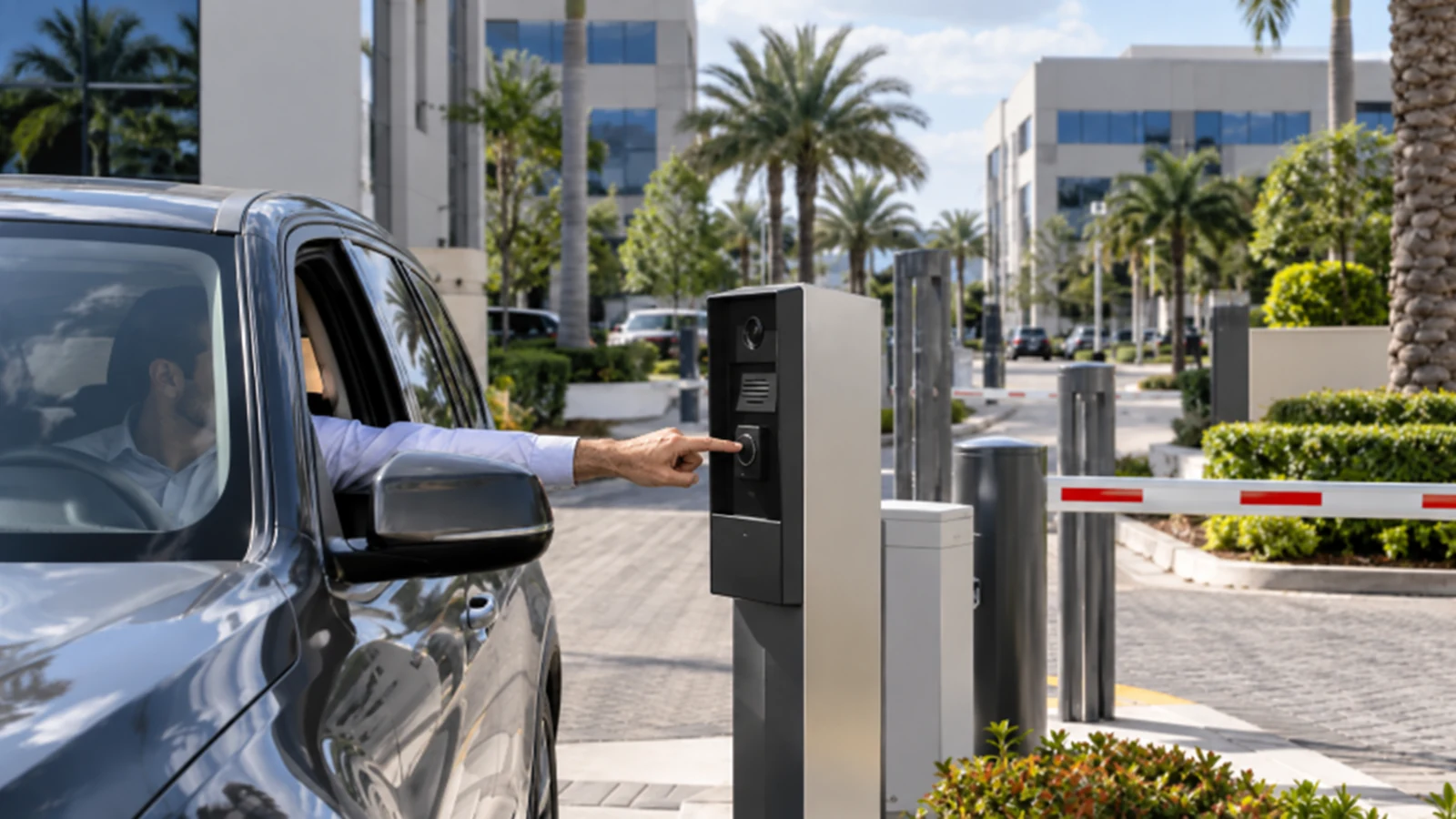
Credentials, door controllers, permissions, schedules, and event records provide the authorization layer that an intercom may coordinate with.
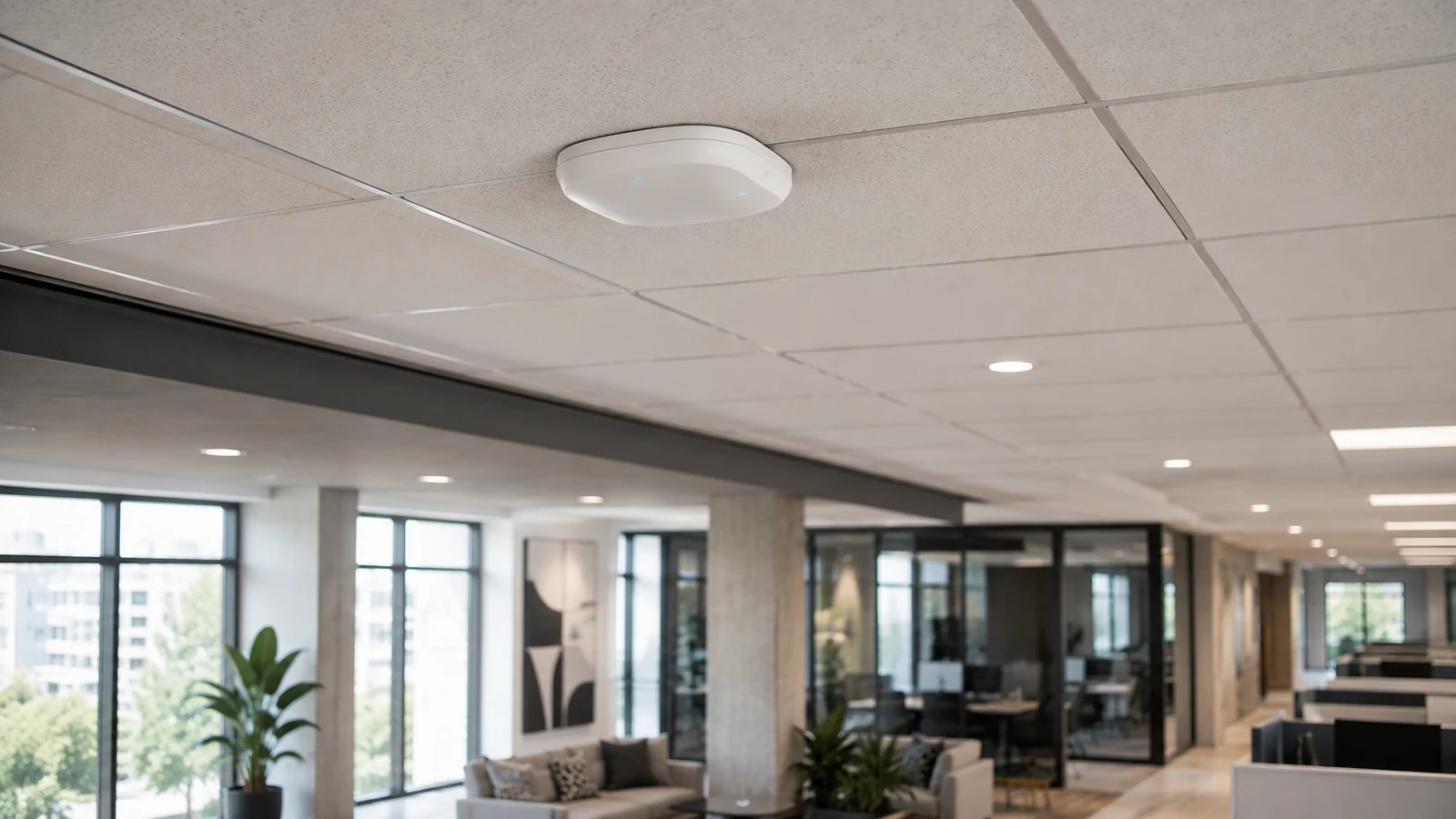
IP stations, PoE, VLANs, addressing, uplinks, and management appliances depend on a documented network architecture.
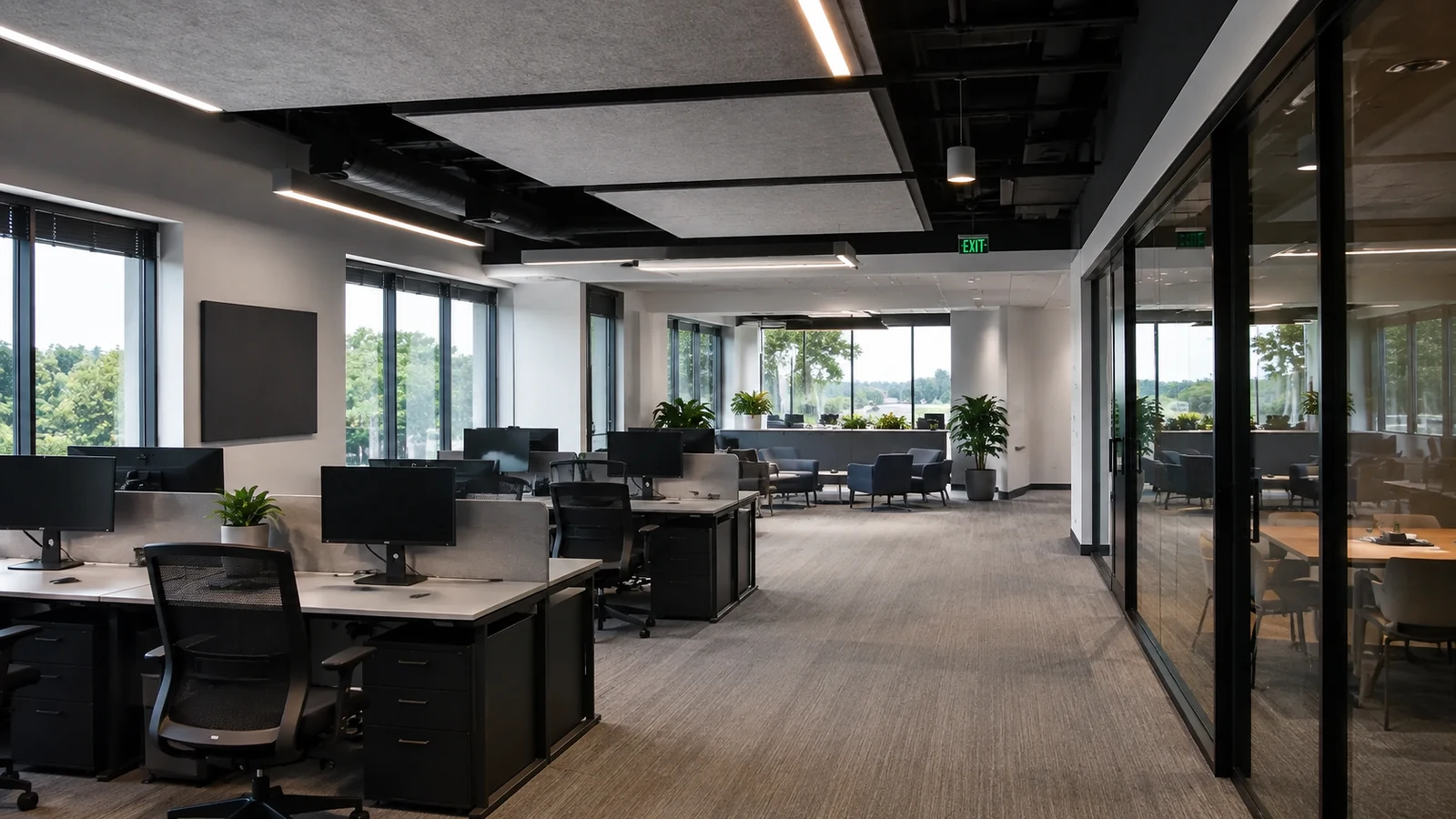
Wireless may support approved mobile or device workflows, but entry stations should not assume wireless compatibility or coverage without platform and site validation.
INDUSTRIES SERVED
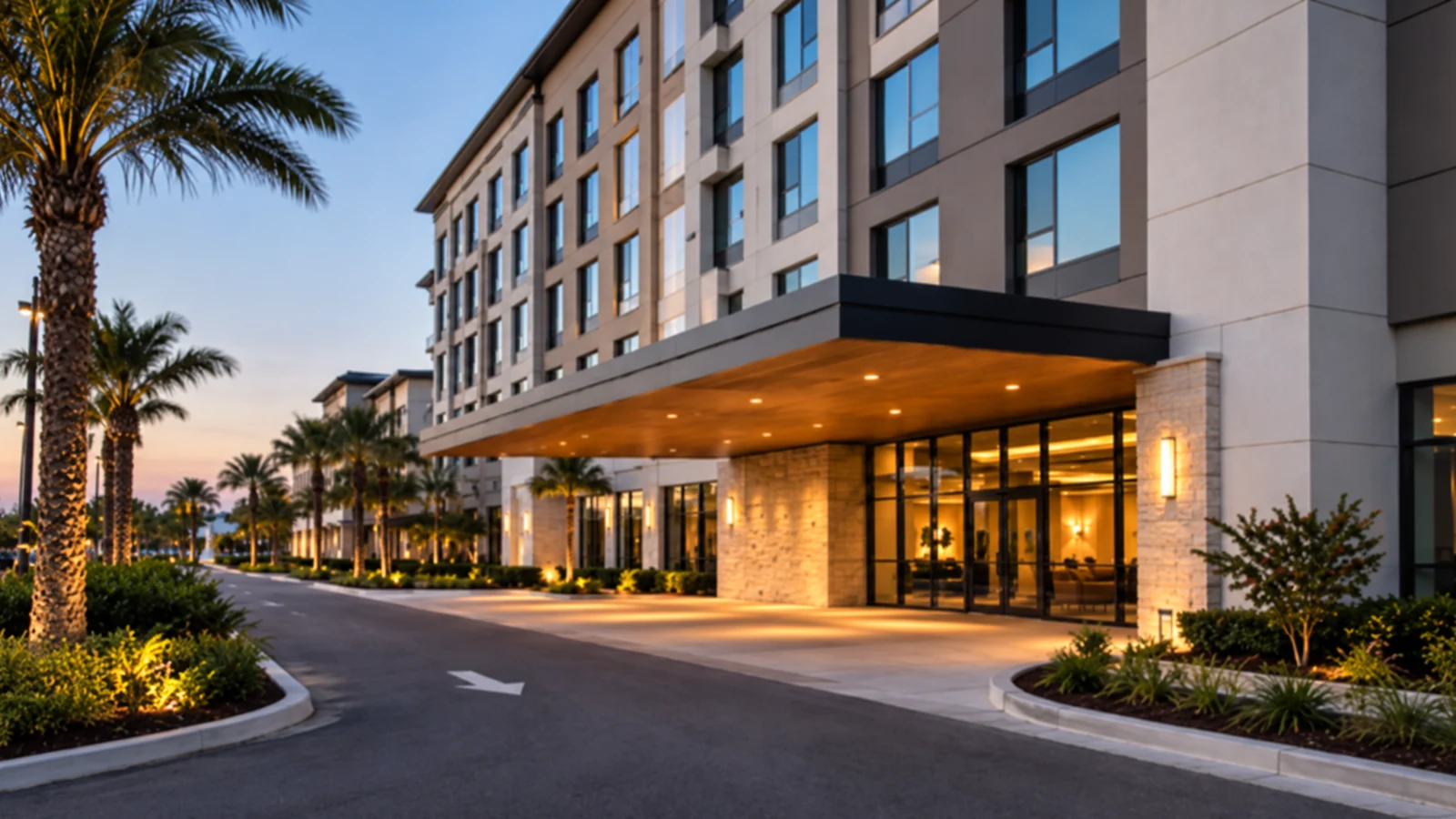
Visitor, vendor, parking, and service-entry communication.
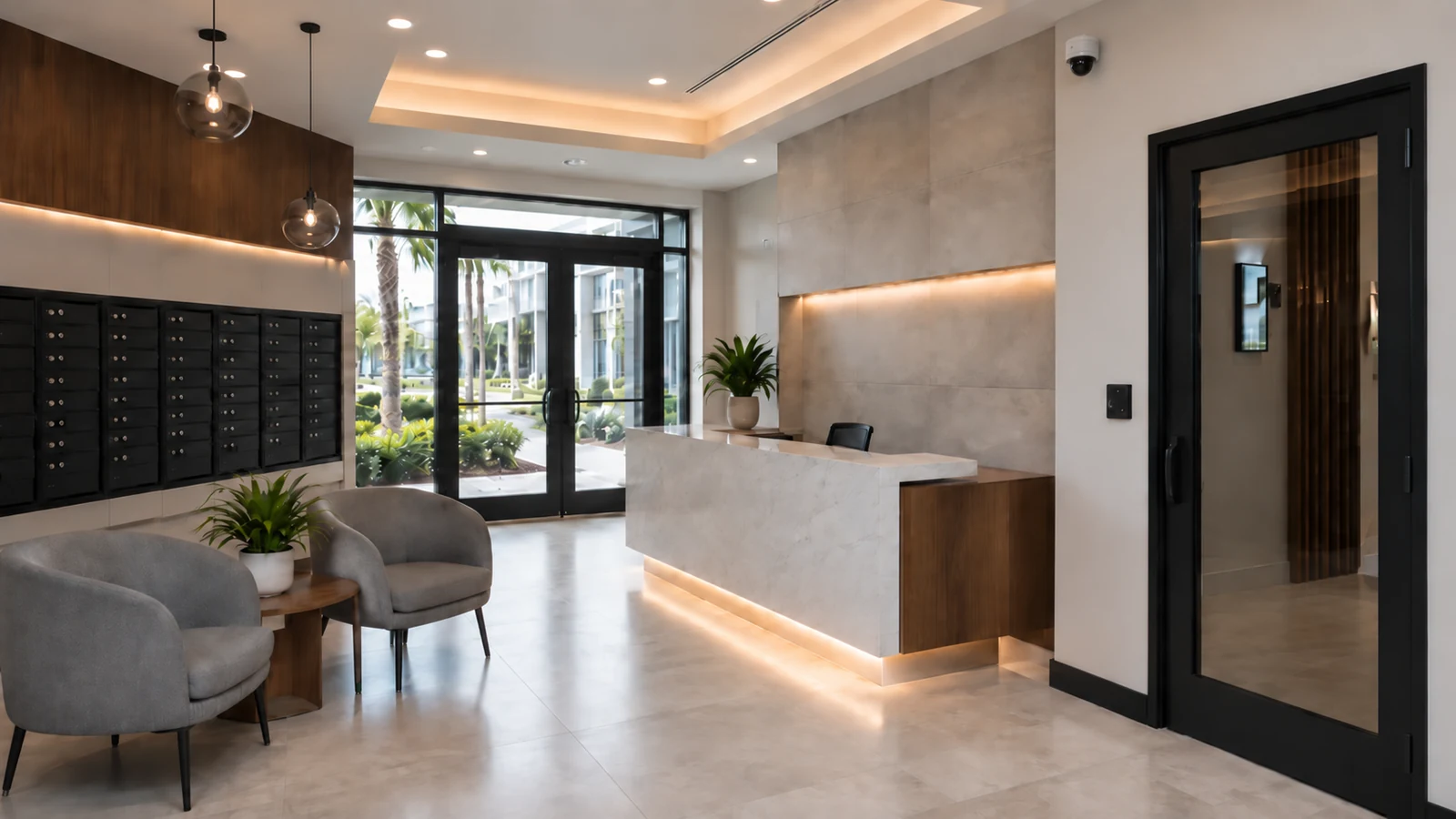
Reception, tenant, amenity, and after-hours calling workflows.
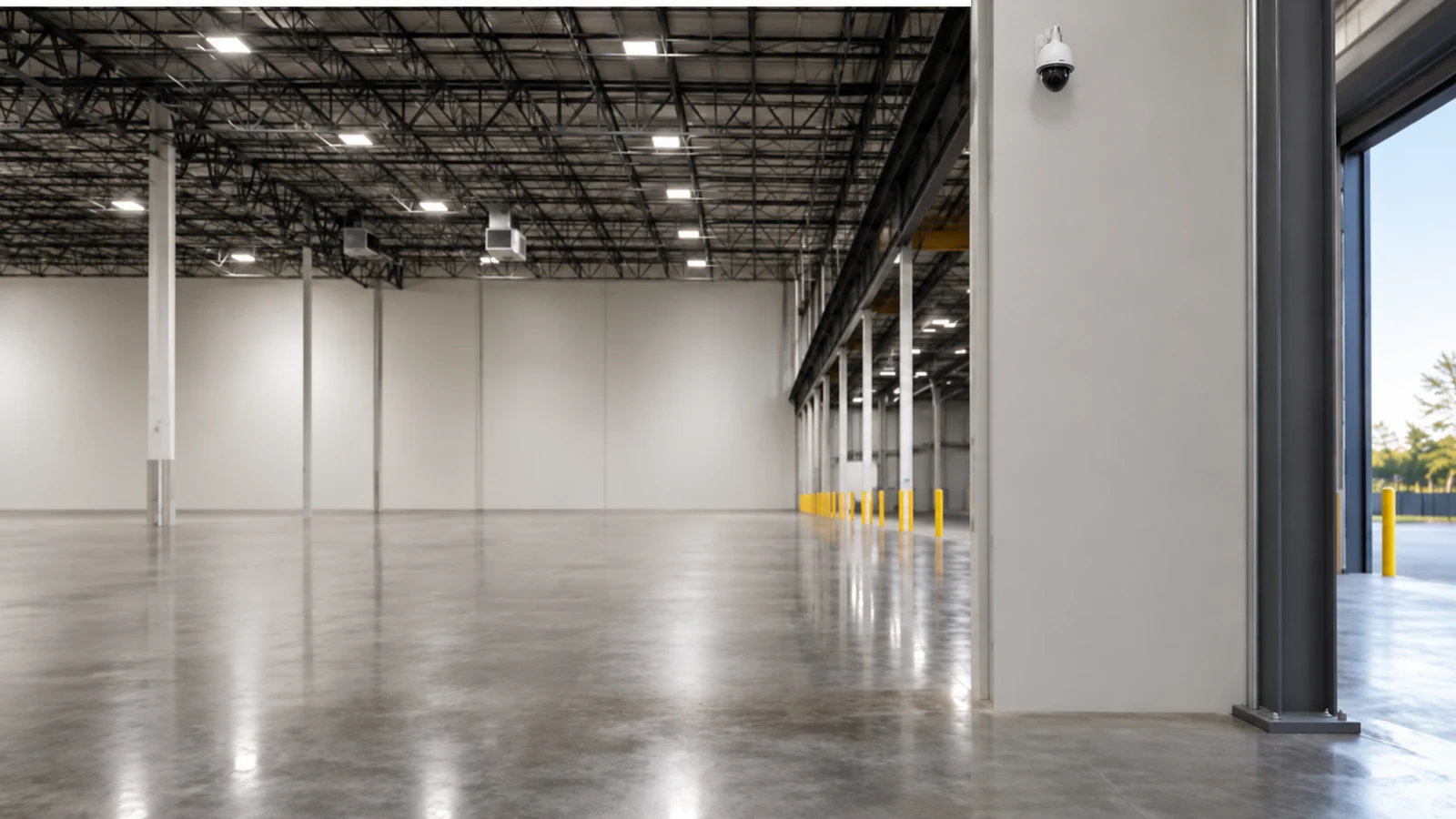
Gate, receiving, personnel-door, and distributed-entry communication.
PROJECT PROCESS
Review openings, visitors, users, answering locations, door or gate equipment, network and power conditions, environmental factors, and operating schedules.
Define stations, audio or video functions, routing, directories, release relationships, integrations, network inputs, permissions, and failure-state procedures.
Install the approved low-voltage scope, coordinate related trades, label devices, configure documented call routes, and prepare test scenarios.
Test calling, audio or video, routing, approved release functions, failure handling, and records; then review administrator and operator responsibilities.
LICENSED PROJECT SUPPORT
Data Pro Communications - West Orlando is a regional website of Data Pro Communications. Commercial projects are coordinated through the West Orlando / Lakehurst Branch at 5950 Lakehurst Dr, #234, Orlando, FL 32819; (407) 994-3227; FL License #EC13016138. Project requirements, access, schedule, connected systems, and responsibility boundaries are reviewed before the final scope is established.
FAQ
A project may include door or gate entry stations, interior answering stations, audio or video communication, directories, call routing, network and power interfaces, approved release coordination, management software, labels, testing, and administrator handoff. The final scope depends on the property and selected platform.
An intercom supports communication with a visitor or caller. Access control manages authorization through credentials, permissions, schedules, controllers, and door states. The systems may coordinate, but communication alone does not authorize entry.
Some approved systems can signal a compatible door-release or access-control workflow. Suitability depends on the intercom, controller, locking hardware, egress requirements, wiring, permissions, programming, and responsible project professionals.
Mobile answering may be available on selected platforms with compatible apps, services, licenses, accounts, network access, notifications, and supported devices. It should not be promised until the exact platform and operating conditions are verified.
Recording capabilities vary by product, software, storage, licensing, privacy policy, and integration. A video station may provide a live view without recording, so the required workflow must be confirmed during design.
Yes, when the station, mounting, weather rating, audio environment, network or cabling path, gate-controller interface, vehicle approach, and safety responsibilities are appropriate. Gate equipment and safety functions remain separate scopes.
Useful inputs include switch and PoE capacity, port assignments, VLAN and addressing standards, firewall or cloud-service requirements, uplinks, remote-access policy, time services, credentials, and the IT contact authorized to approve changes.
Supported systems can use directories, buttons, codes, groups, schedules, or call rules. The property should define naming, destination ownership, unanswered-call handling, tenant changes, and who maintains the directory.
Reuse may be possible after reviewing cable type, topology, condition, distance, power, interfaces, mounting, station compatibility, software support, and the desired call workflow. Reuse should not be assumed before a field assessment.
Helpful information includes an entry list, floor or site plans, visitor types, answering locations, staffing schedules, door and gate equipment, network contacts, mobile-answering goals, existing system details, integration needs, and future expansion plans.
Share your entry list, visitor flow, answering locations, door or gate equipment, network conditions, mobile goals, and operating schedule. The Lakehurst team can review the communication path and define the next site-survey step.