
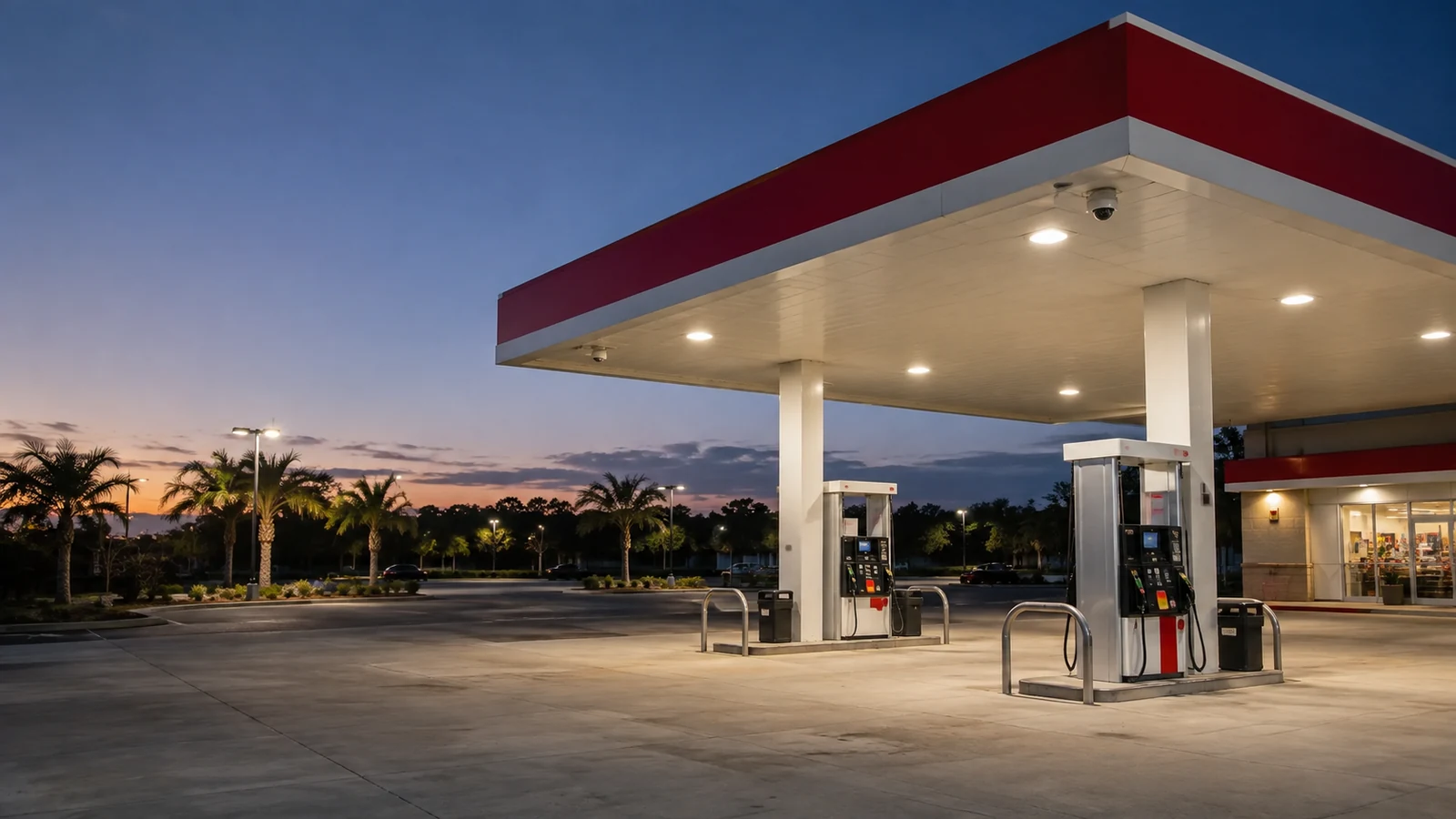
Occupied-Space Planning
Work zones and access windows are organized around the property's operating schedule and approved rules.
SECURITY INFRASTRUCTURE FOR FORECOURT AND STORE OPERATIONS
Gas stations and convenience stores need camera, network and entry infrastructure that addresses fuel islands, store entrances, transaction areas, stock rooms, delivery activity and around-the-clock operating conditions. Data Pro Communications plans authorized low-voltage work around the property's layout and operating model.
A survey documents forecourt distances, lighting, mounting, store views, recorder and network capacity, cable routes and environmental restrictions. Device placement near fuel-dispensing areas requires coordination with the responsible site, electrical, fire and safety authorities; standard low-voltage planning does not authorize work in classified or hazardous locations.
Work zones and access windows are organized around the property's operating schedule and approved rules.
Camera, access, intercom, cabling, network and related dependencies are reviewed as one property plan.
Cutovers and installation activities can be sequenced to protect active operations and network continuity.
Labels, schedules, pathway notes and test records support future service and administrator transitions.
Work is provided by a Florida licensed low-voltage contractor and systems integrator under EC13016138.
SERVICE OVERVIEW
A fuel-and-retail property combines outdoor vehicle movement with compact indoor operations. Camera purpose, lighting, field of view, network reach, recorder storage, delivery access and staff areas need separate treatment. The scope must also identify where specialized site-safety or electrical authority is required before routing or mounting is approved.
PROJECT DETAILS
Wide outdoor areas, headlights, weather and changing light affect camera and network planning.
Routing and equipment near dispensing areas require responsible-authority review of classified or restricted locations.
Compact interiors need purposeful views without obstructing customer or staff movement.
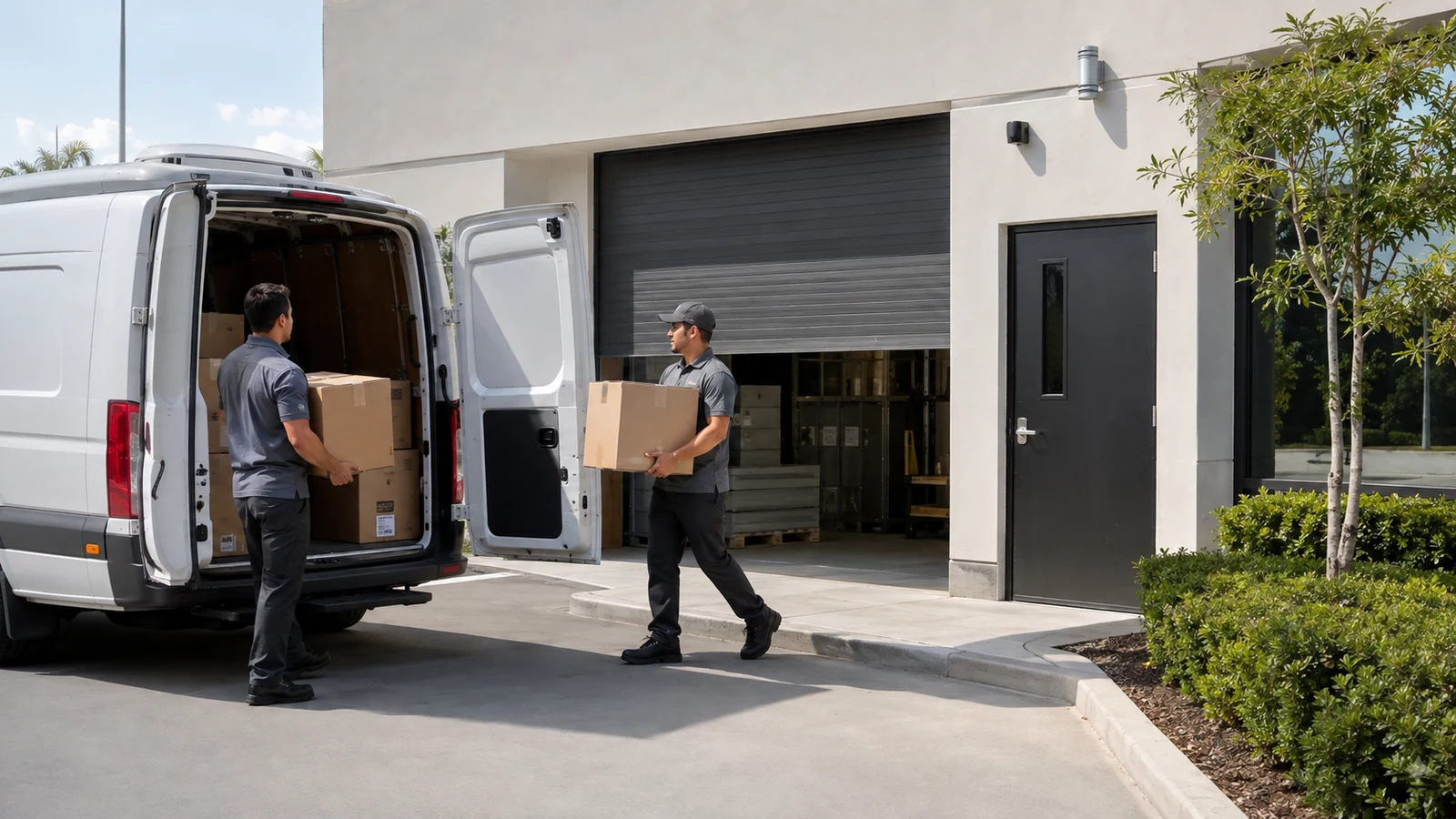
Back doors, stock rooms and vendor activity require defined access and operational context.
High camera counts and exterior resolution needs can affect storage, switching and uplinks.
Work may need phased zones and secure cutovers around extended operating hours.
CORE CAPABILITIES
Coordinate approved views of fuel islands, vehicle approaches and exterior circulation.
Plan views for public entry, queue, transaction approach and designated operational areas.
Apply owner-defined permissions to offices, stock rooms and delivery doors.
Use serviceable routes and supported media appropriate to distance and approved site conditions.
Coordinate storage, PoE, switching and remote access with owner IT and retention requirements.
Document repeatable labels, views, administrative roles and exceptions without forcing identical layouts.
PROJECT DETAILS
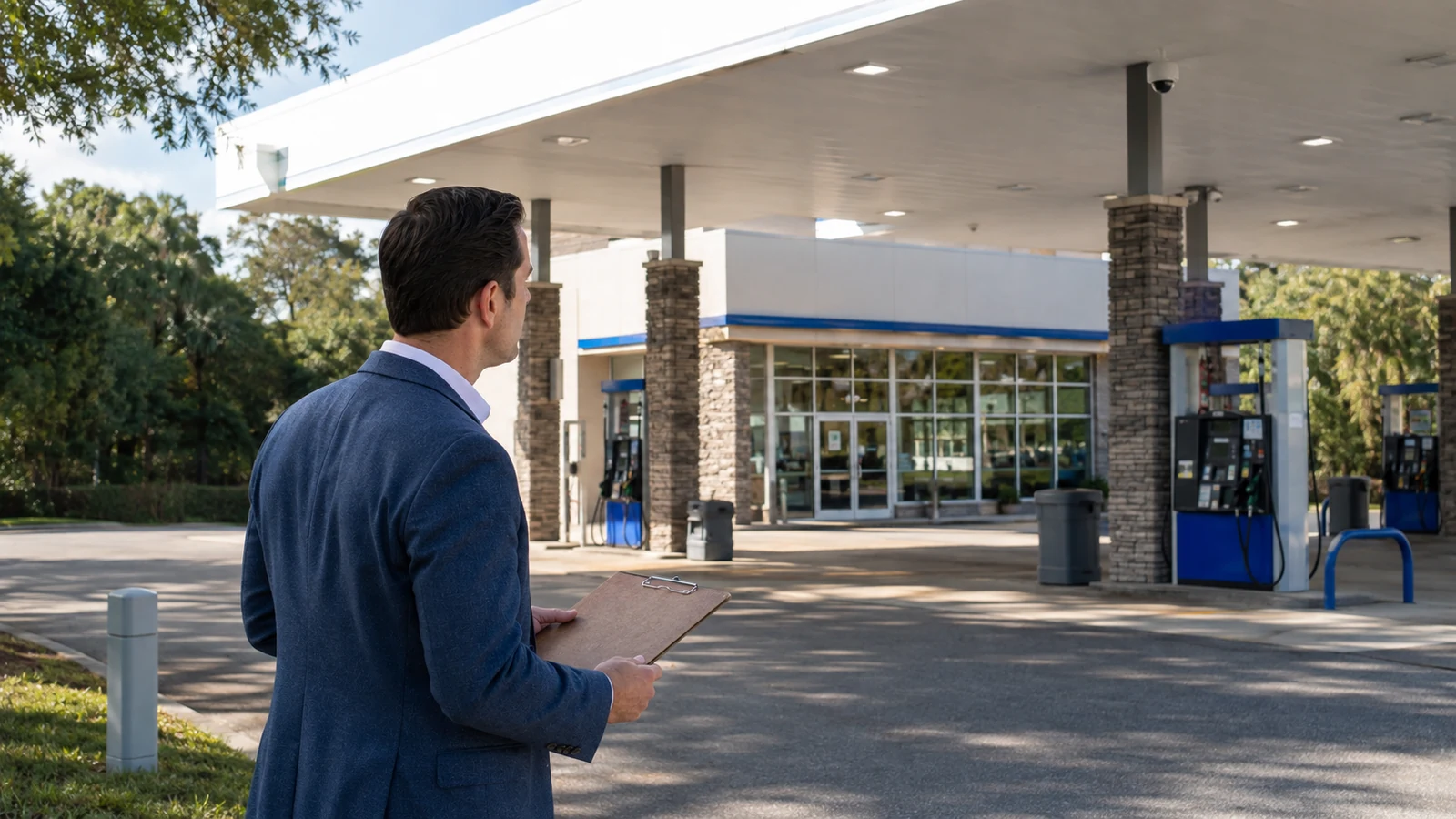
Address lane geometry, pump spacing, lighting and authorized mounting outside restricted conditions.

Support transaction and queue context with clear, owner-approved purpose.
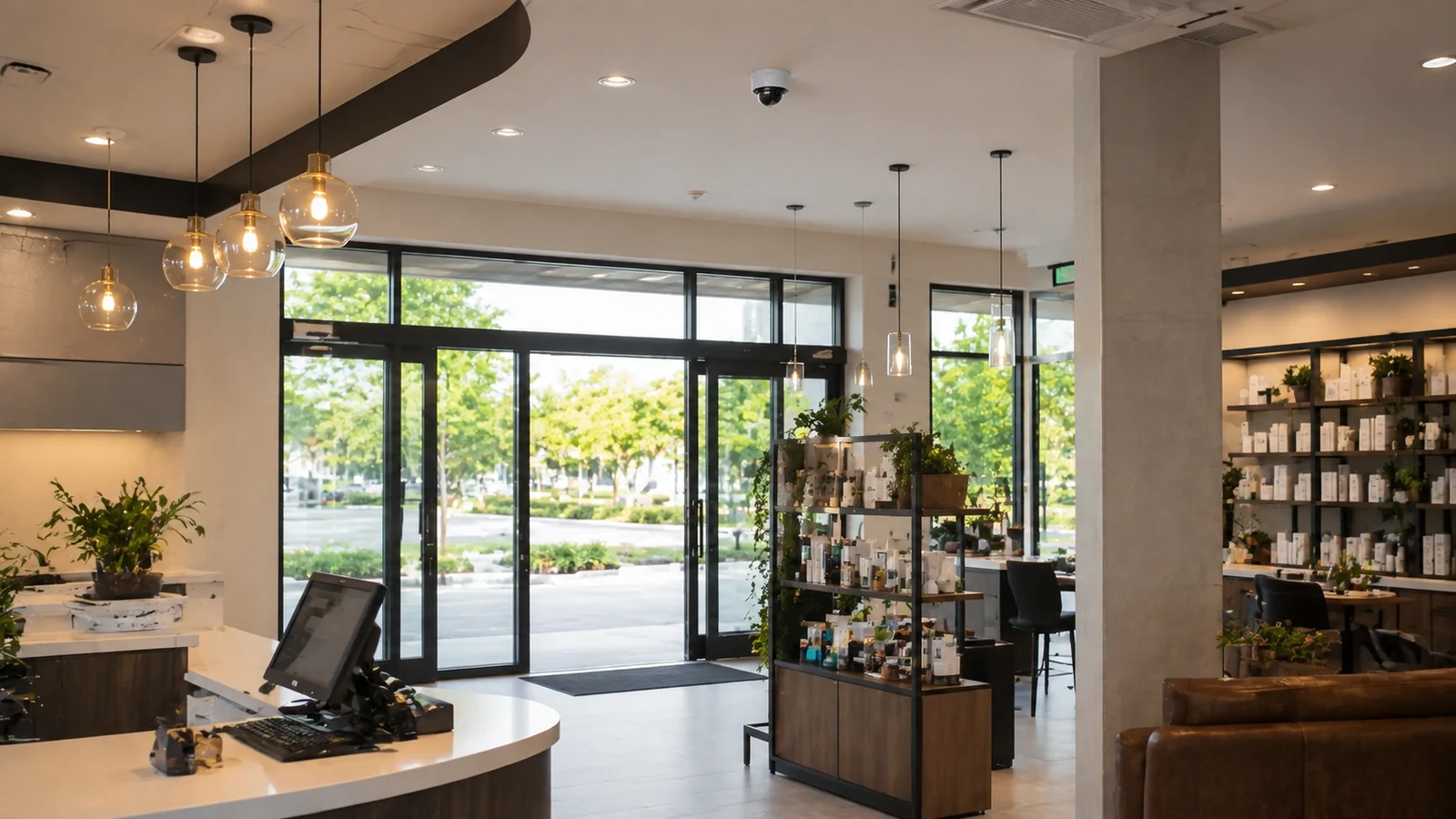
Plan customer-area visibility and operational context while leaving privacy and loss-prevention policy to the operator.
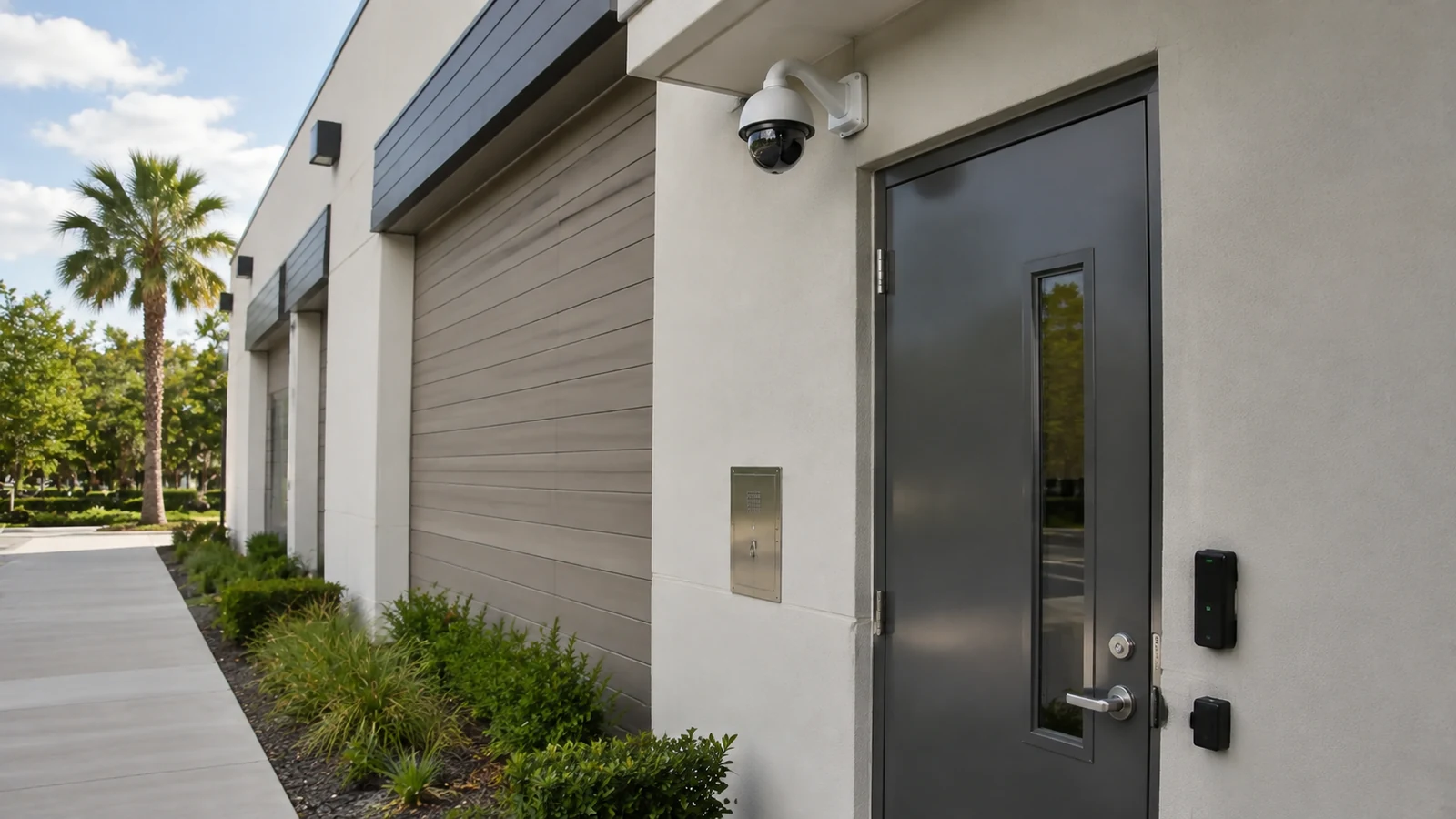
Coordinate controlled entry and delivery activity with staff workflows.
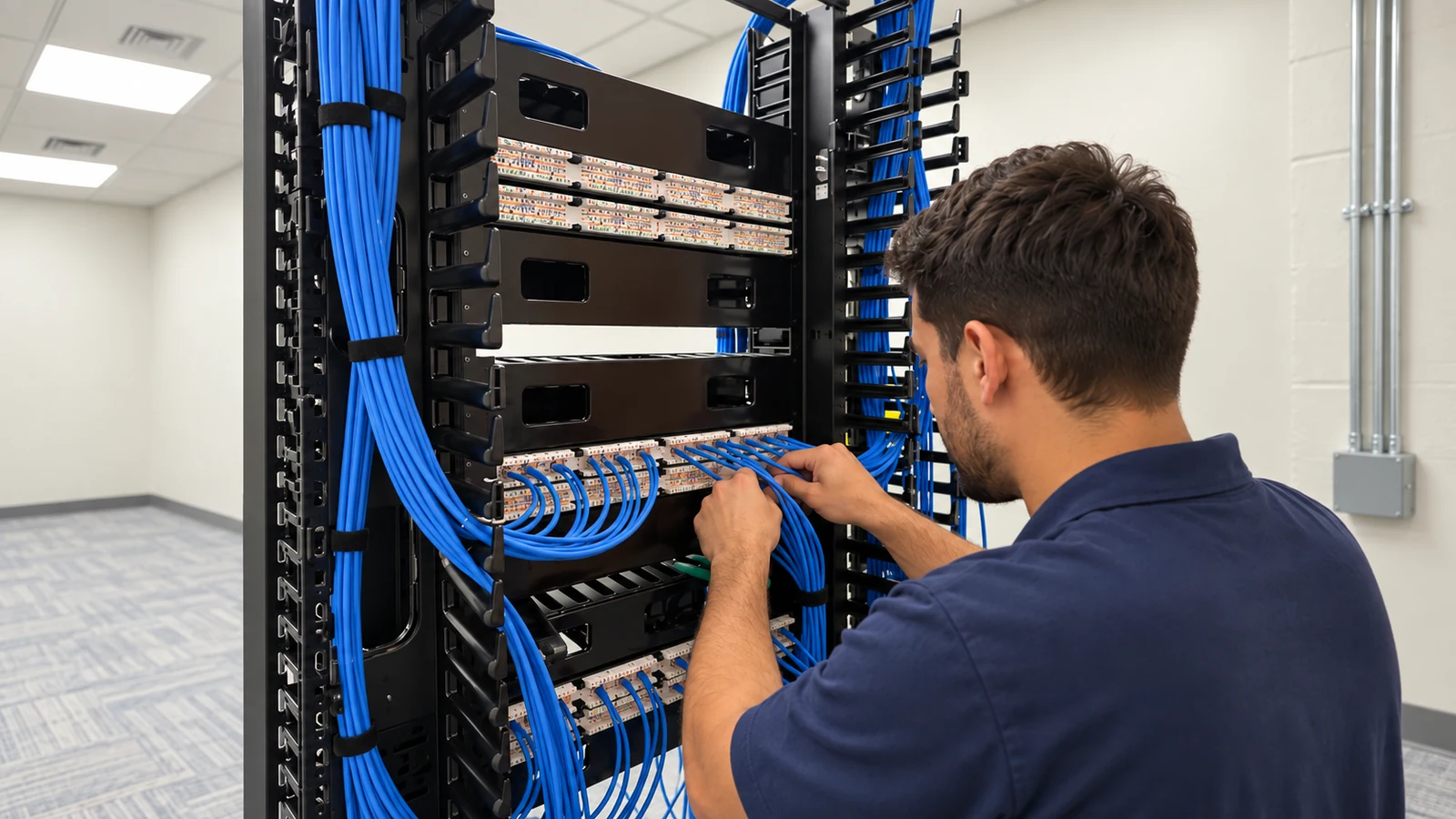
Select the commercial recorder platform first, then document its switching, power, cabinet location, cable labels, access permissions, and service requirements.
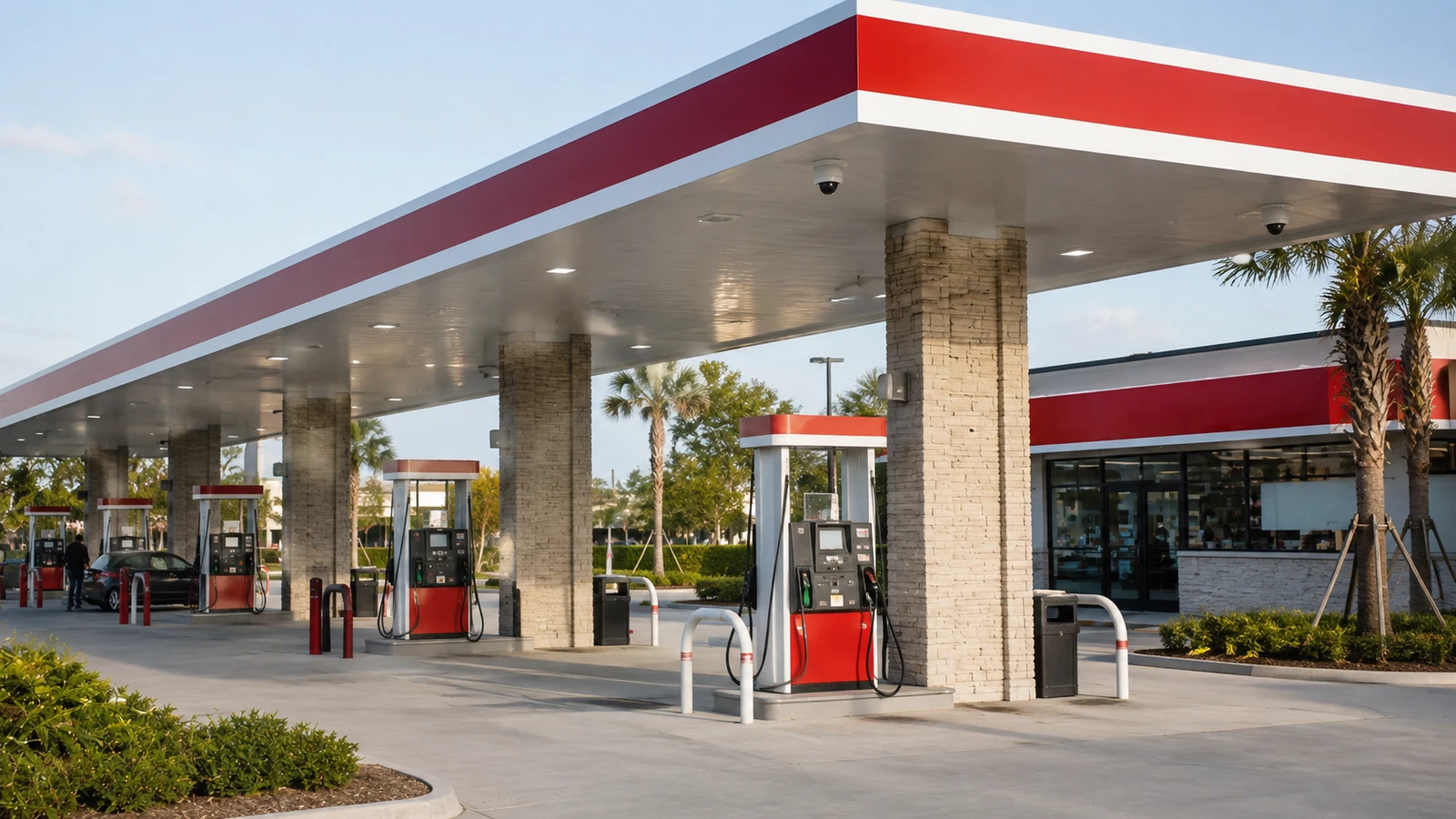
Phase camera or network transitions while maintaining agreed store operations.
TECHNICAL PLANNING
Obtain responsible site and electrical direction before routing or mounting near fuel equipment.
Document day/night conditions, lanes, mounting, network reach and maintenance access.
Match owner-approved resolution and retention requirements to recorder, switching and power capacity.
Define active cameras, temporary conditions, network change, rollback and acceptance.
Provide site-specific schedules, labels, settings ownership, tests and exceptions.
CONNECTED SYSTEMS
Any association with transaction systems requires separate vendor support and explicit authorization.
Align staff or vendor doors with owner-approved schedules and exception handling.
Owner IT controls remote access, accounts, segmentation and security policy.
Separate low-voltage, electrical, fuel-system, fire-safety and property authority.
ORLANDO SERVICE CONTEXT
Gas stations and convenience stores across western Greater Orlando vary in forecourt size, lighting, store layout and operating hours, so each site needs a physical survey.
Separate fuel-island, exterior, store, stock and transaction-area requirements.
Obtain responsible-authority direction for any work near classified or restricted fuel-site conditions.
Confirm storage, network and remote-access ownership before recorder changes.
Plan phased work where extended-hour operations must continue.
Western Greater Orlando fuel and convenience properties need coordinated visibility across the forecourt, store entrance, transaction area, delivery door, perimeter lighting and weather-exposed network pathways.
RELATED SERVICES
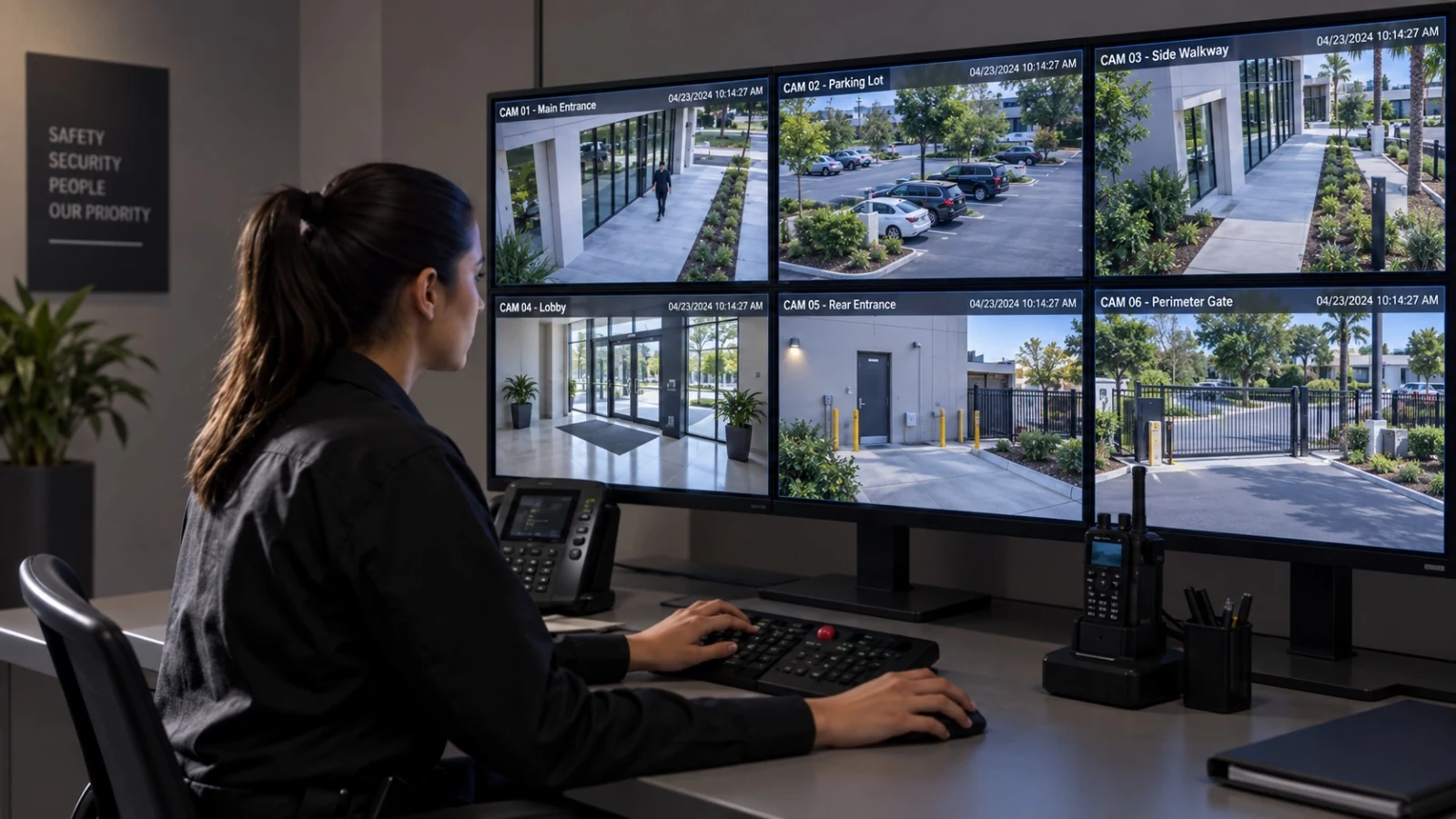
Purpose-planned camera views for entrances, circulation, exterior approaches and approved operational needs.
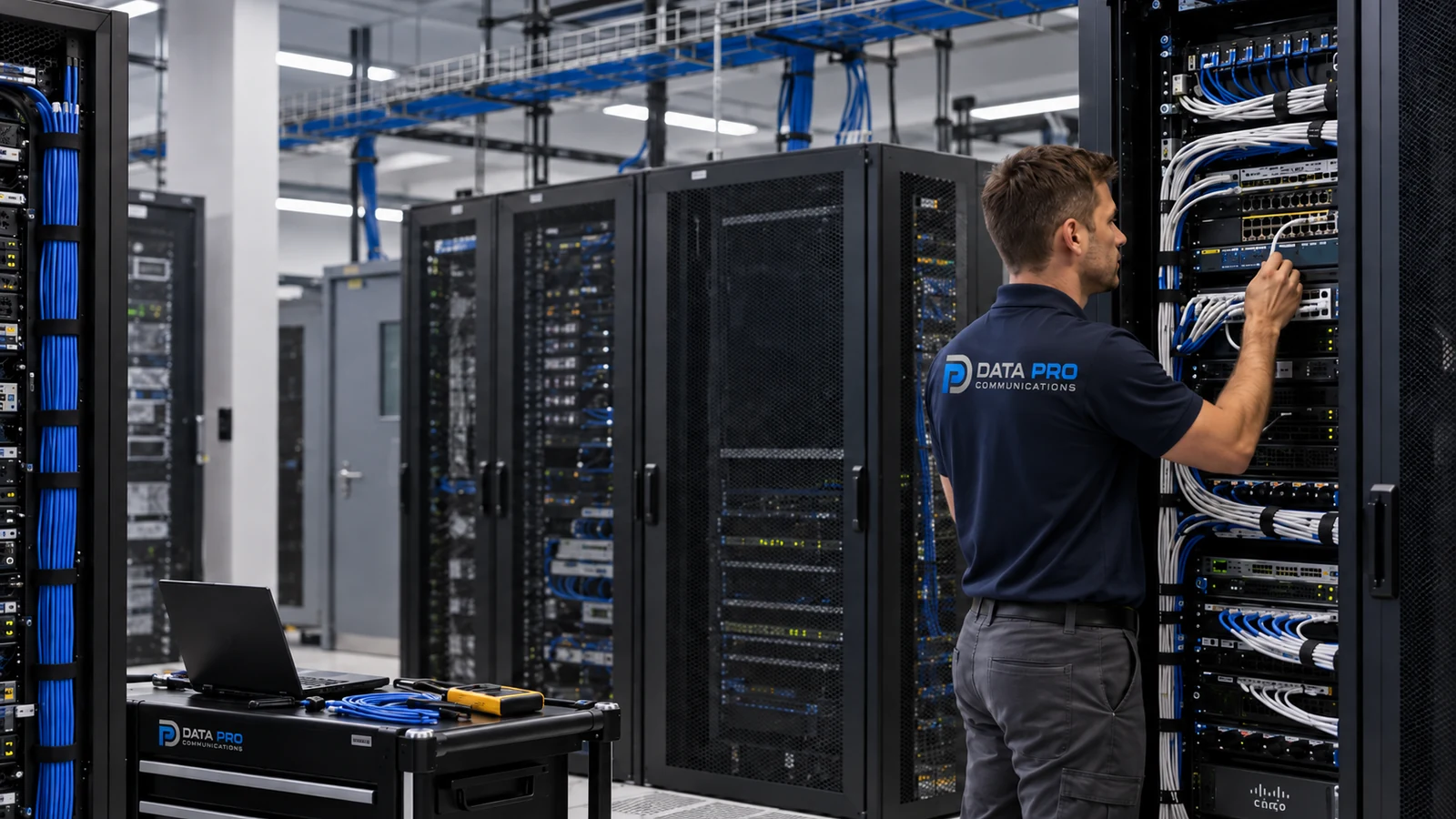
Labeled pathways and telecom-space organization for dependable system infrastructure.
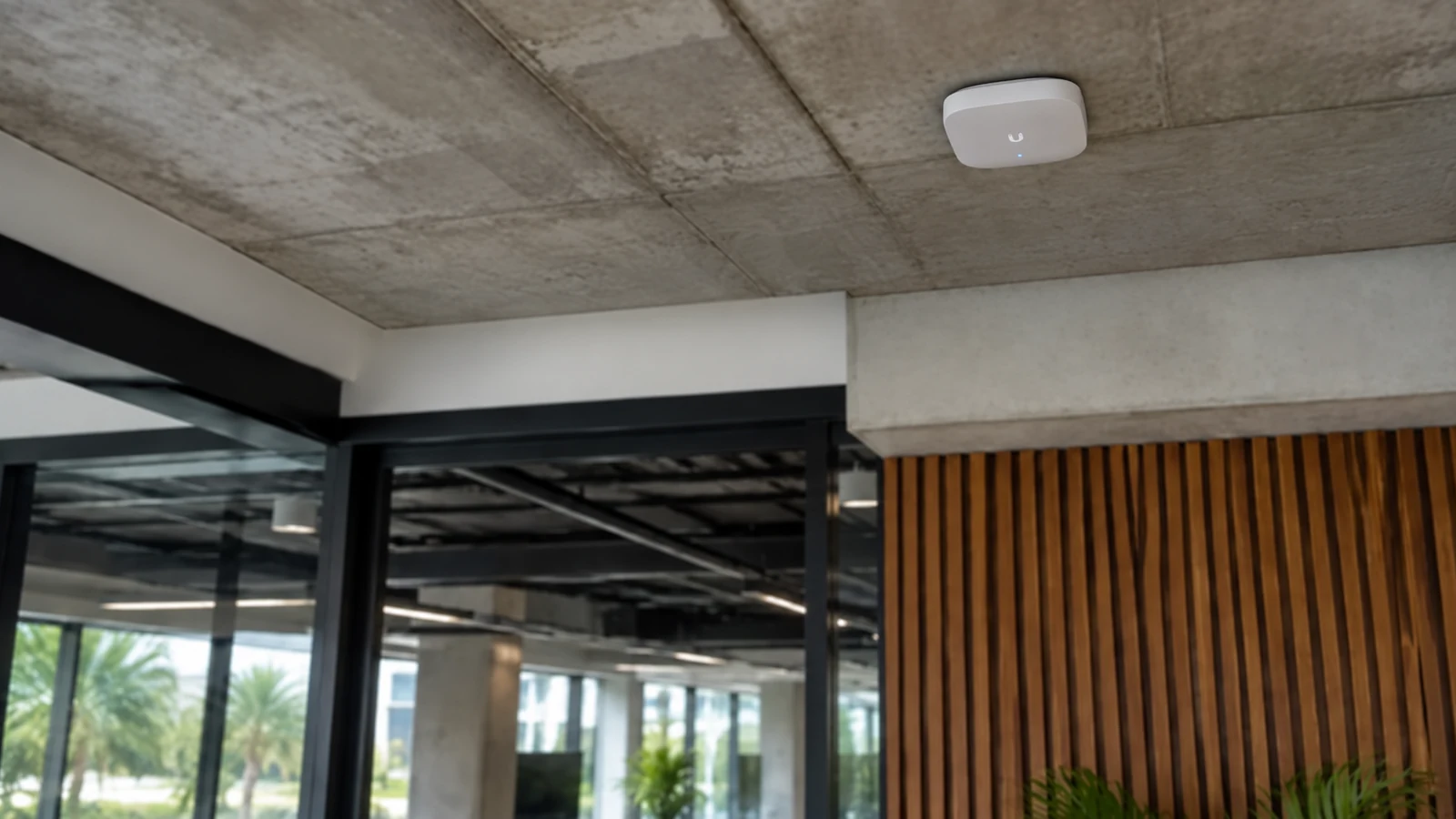
Switching locations, PoE capacity and network handoff coordinated with the responsible IT team.
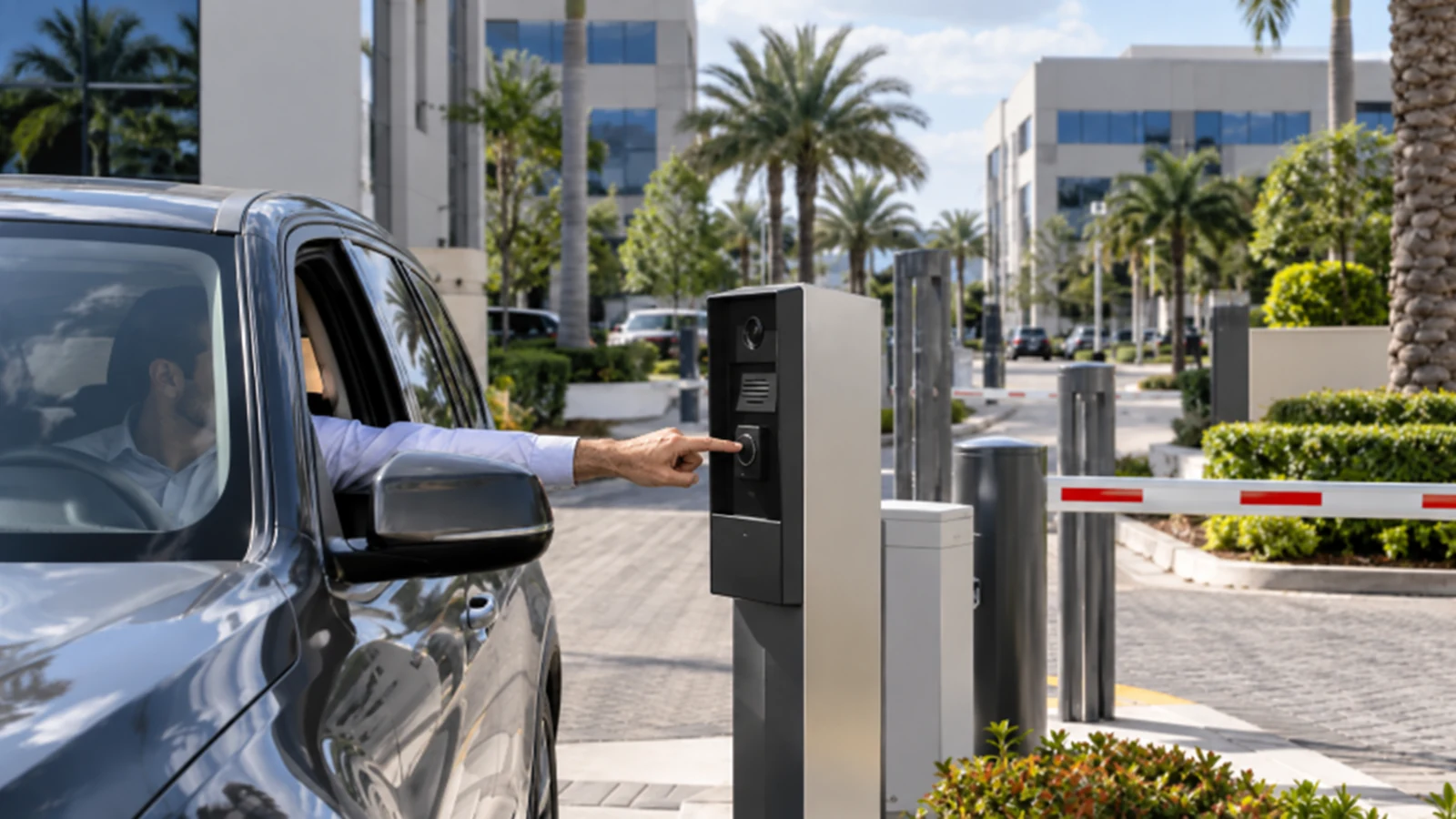
Credentialed doors with role, schedule, hardware and administrative coordination.
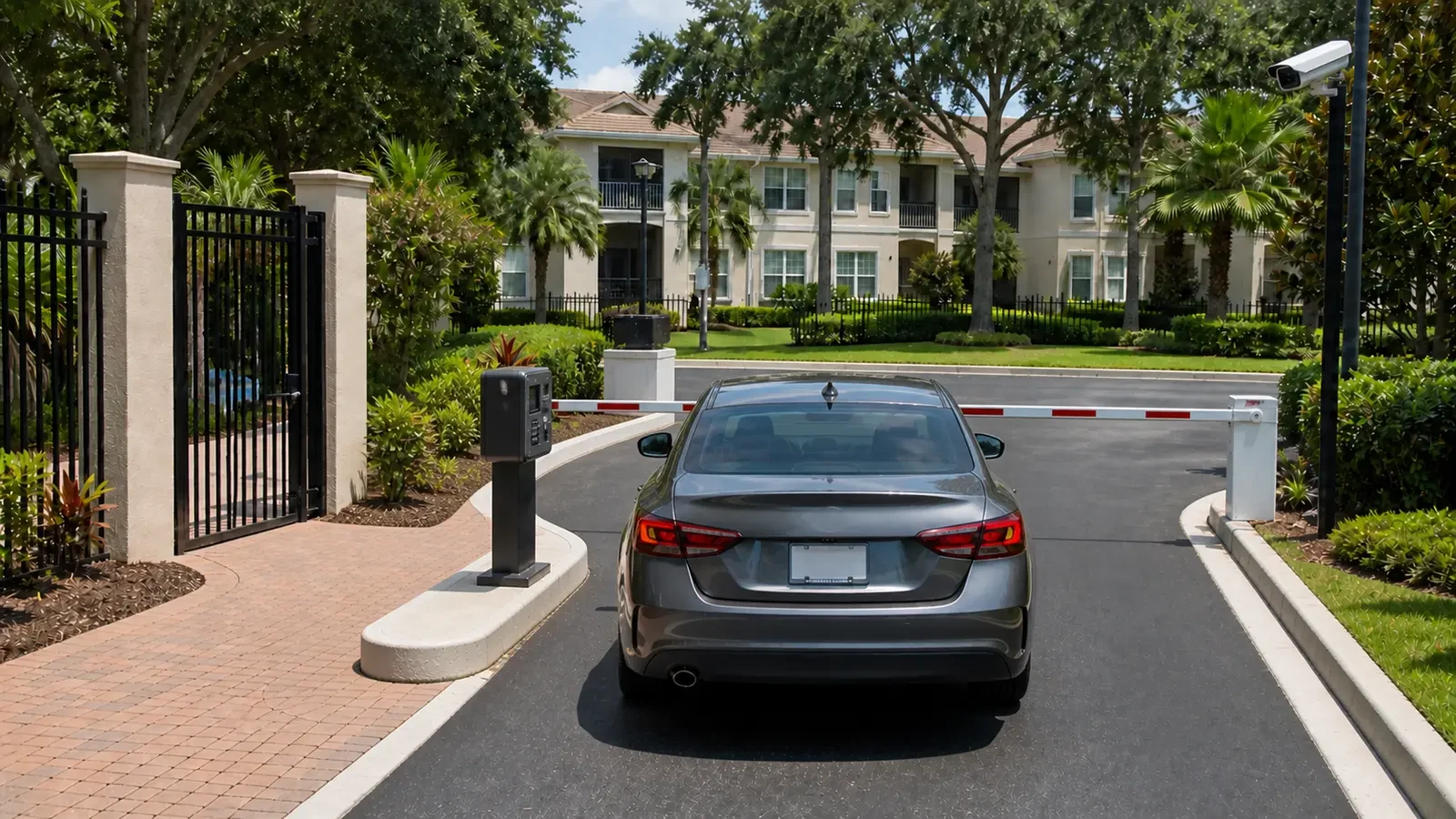
Visitor communication between designated arrival points and authorized staff.
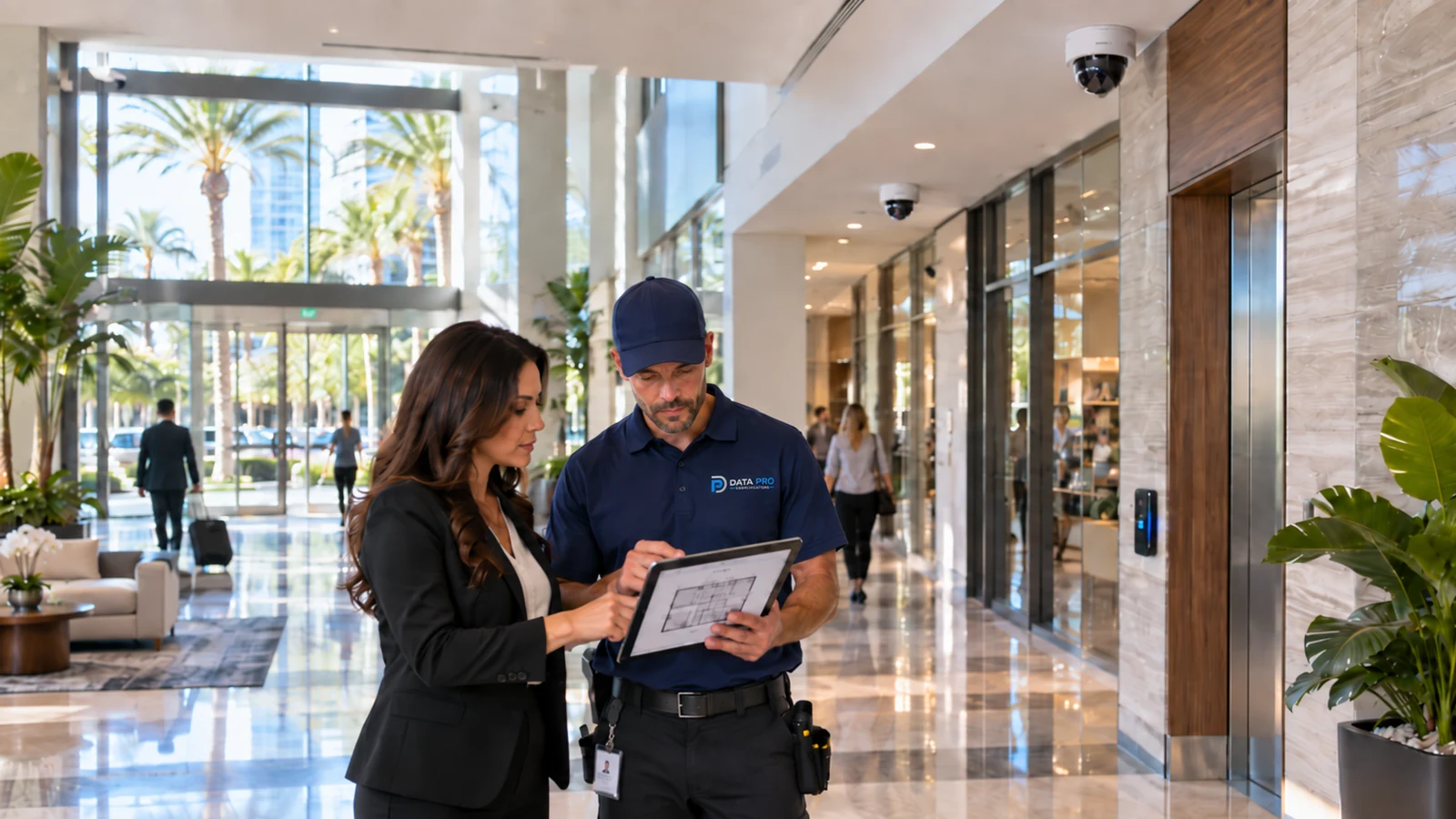
Fiber links for larger properties or buildings where distance and capacity require them.
INDUSTRIES SERVED
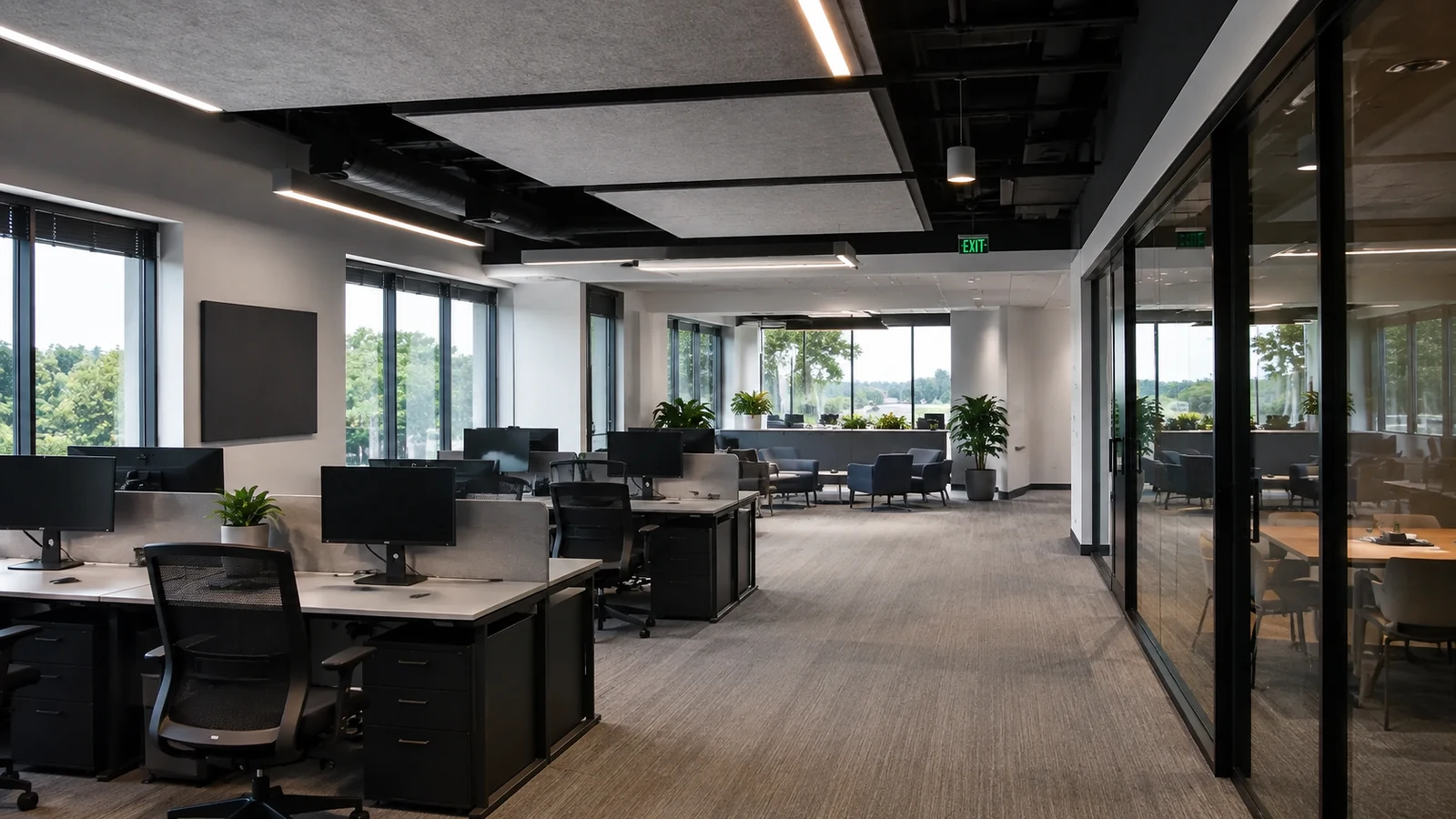
Customer-facing properties with active staff areas and public arrival workflows.
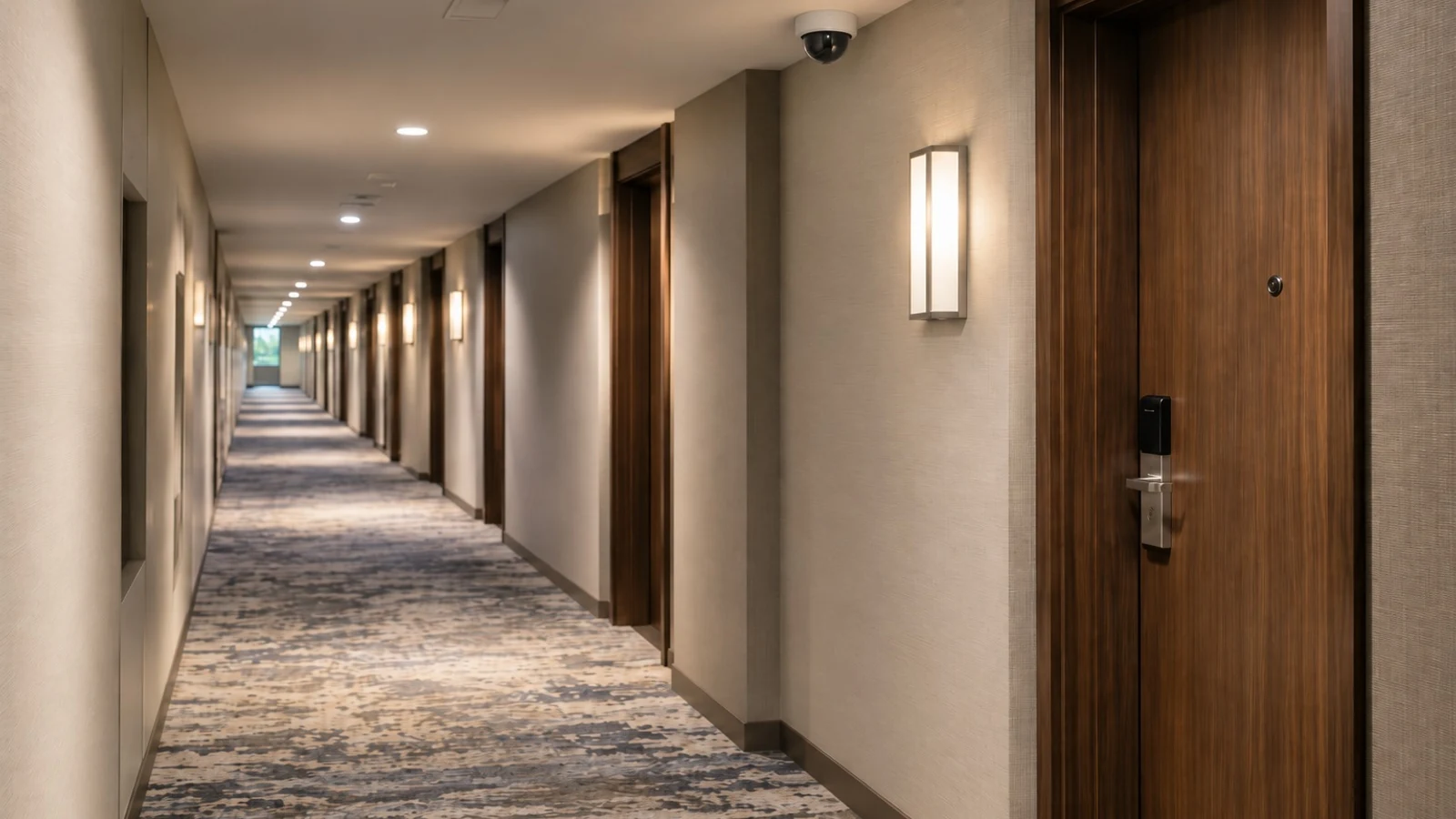
Guest properties with around-the-clock occupancy, parking and staff operations.
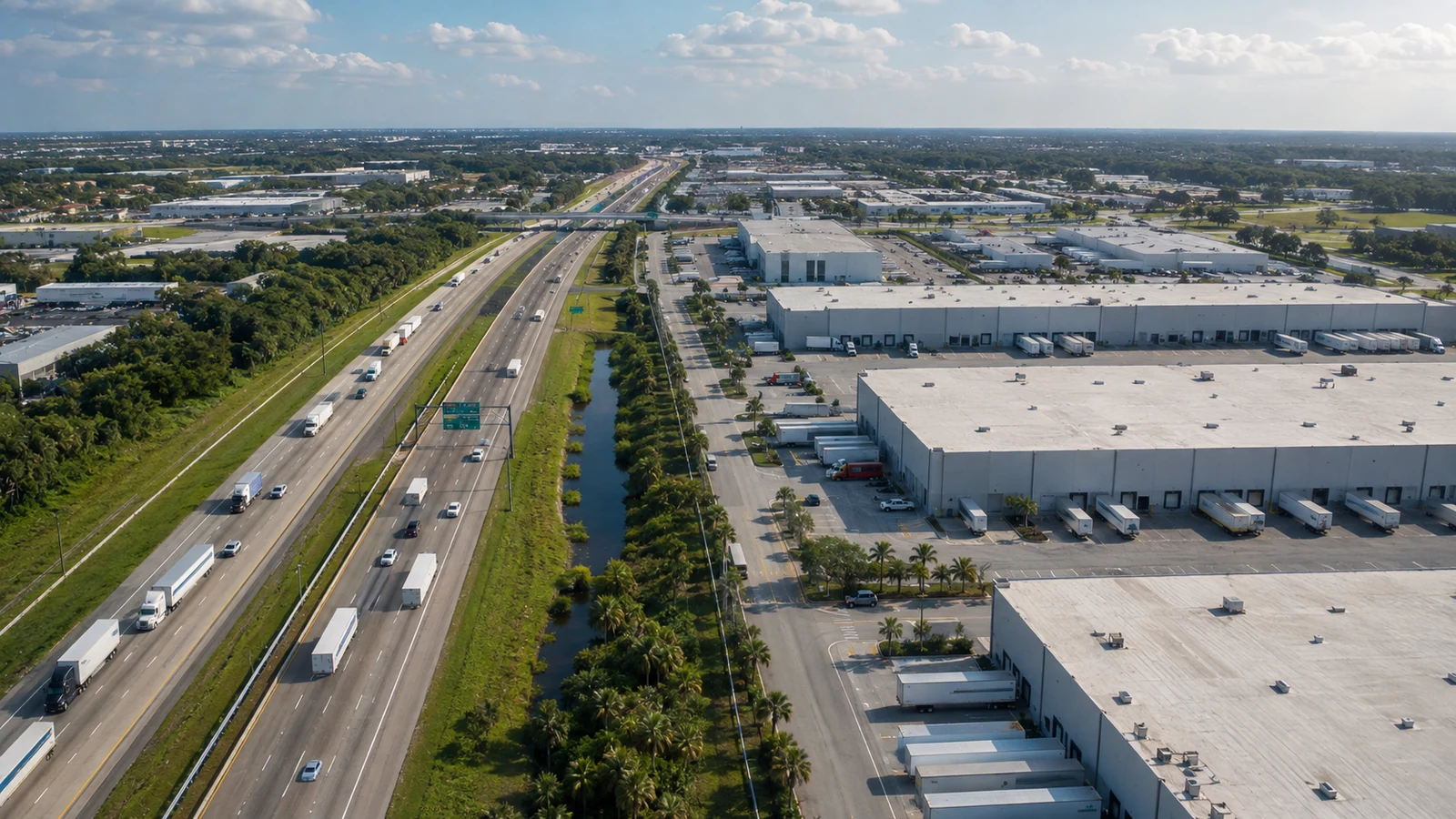
Distribution properties with yards, docks, long aisles and inventory movement.
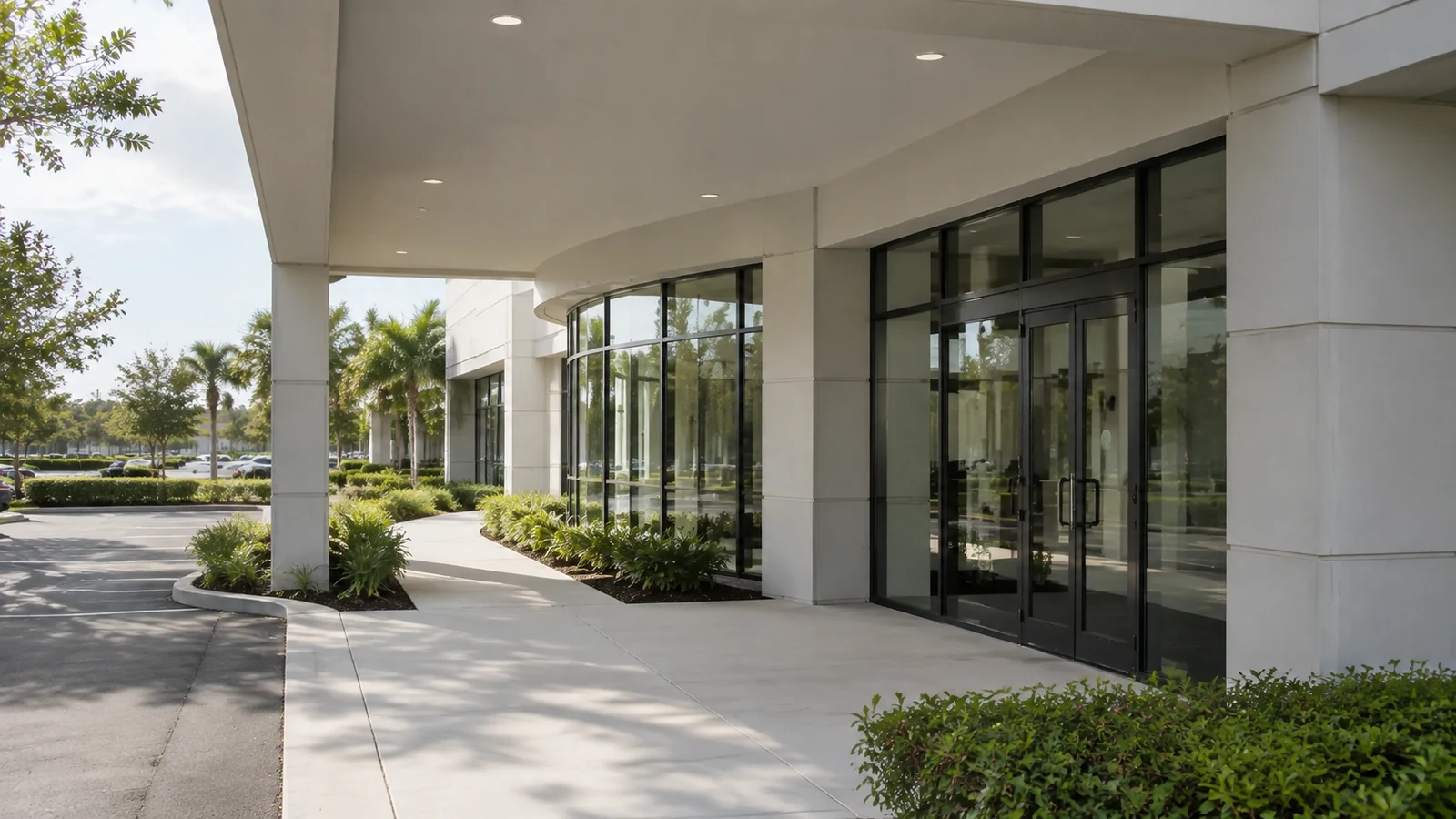
Occupied professional properties with visitor arrival and controlled staff areas.
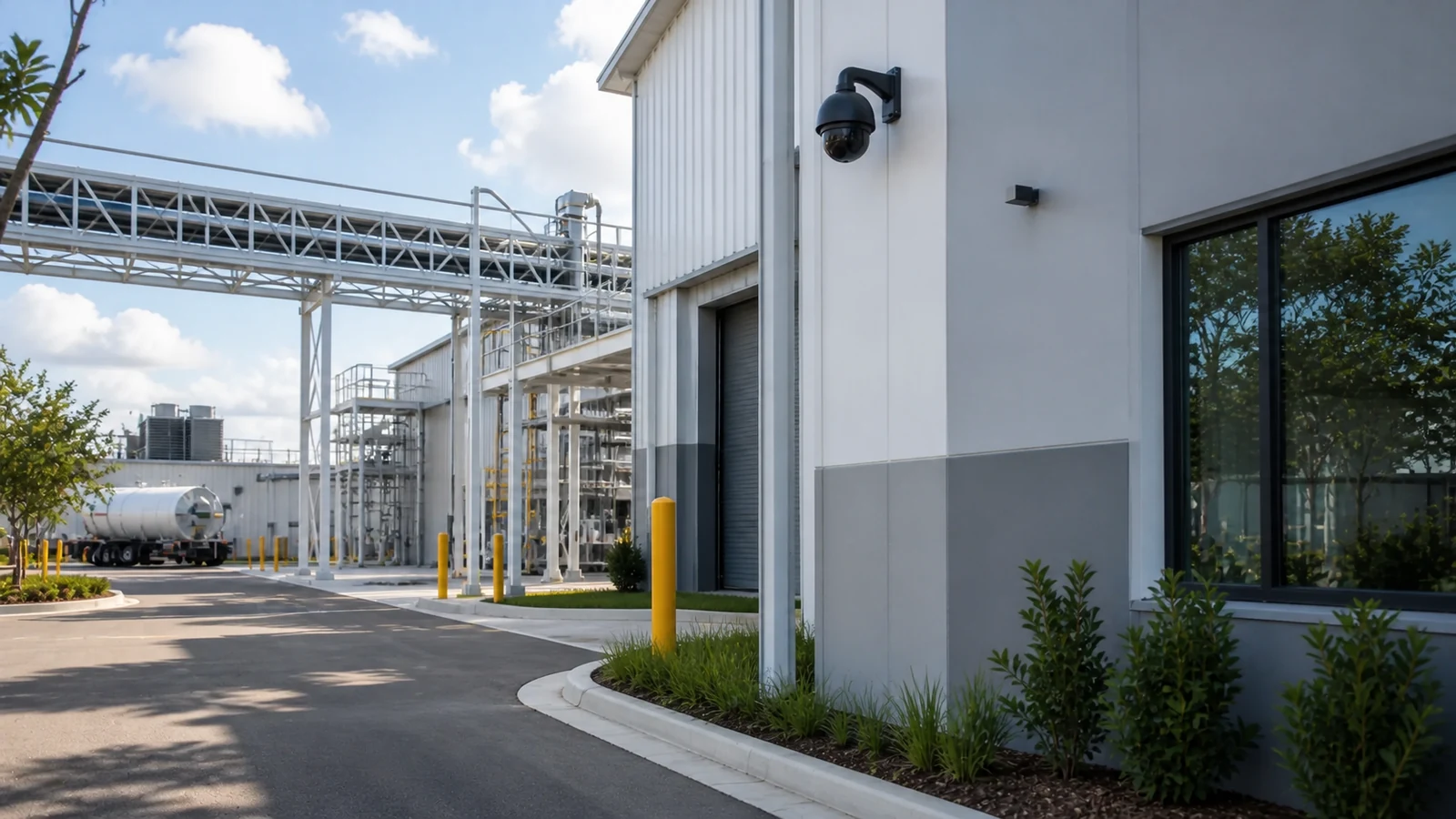
Production properties with equipment zones, shift changes and operational networks.
PROJECT PROCESS
Review fuel-island geometry, vehicle lanes, store entry and transaction areas, delivery points, exterior lighting, equipment locations, operating hours, network ownership and hazardous-area boundaries.
Define camera purposes, mounting and weather requirements, pathways, recording and retention, network dependencies, store and forecourt work zones, responsibilities and acceptance tests.
Sequence exterior and interior work to protect customer circulation, store service, fuel operations and network continuity; use authorized mounting locations, label infrastructure and test day and night views.
Deliver a camera and area map, device schedule, cable labels, recorder and switch details, retention settings, test results, administrator ownership, exceptions and service information.
LICENSED PROJECT SUPPORT
Data Pro Communications provides professionally scoped commercial low-voltage planning and installation under FL License #EC13016138. Licensing supports contractor accountability; it does not replace the owner's policy, regulatory, safety, network or operational responsibilities.
FAQ
The responsible site, electrical, fire and safety authorities must identify classified or restricted conditions and approve routing and equipment methods. A standard low-voltage scope does not authorize work in those areas.
Survey lane geometry, mounting, distance, headlights, canopy and ambient lighting, desired evidence detail, network reach and maintenance access before selecting views and equipment.
Possibly, if channel count, storage, bandwidth, power, supported resolution and owner retention requirements fit the design. Capacity is calculated rather than assumed.
It can be considered when the platform, connectivity and owner cybersecurity policy support it. Authorized IT staff retain control of accounts, remote access and segmentation.
The plan identifies active cameras, zones, secure work periods, temporary conditions, recorder or network cutover, rollback and acceptance before each phase.
No. Cameras can support owner-defined operations, but installation does not guarantee outcomes or establish loss-prevention, fuel-site, privacy or regulatory compliance.
Reuse requires inspection for weather exposure, enclosure condition, pathway safety, labeling, compatibility, power, network support and day-and-night image performance. Equipment near fuel operations must remain within approved mounting and trade boundaries.
The responsible operator or managed-network provider defines switching, segmentation, accounts and change windows. Camera and recorder demands are documented separately from point-of-sale and other store systems so cutovers do not assume shared ownership.
Yes. Fuel islands, parking, store entry, transaction areas, stock rooms and delivery zones can be scheduled separately. Each phase addresses customer circulation, exterior conditions, store continuity, recording transition, testing and acceptance.
Useful records include a forecourt and store camera map, device names, cable labels, recorder and switch details, retention settings, day-and-night test results, administrator ownership, exceptions and service contacts.
After-hours work may be planned when property access, staffing, safety, noise and the project sequence support it. Availability and special requirements are confirmed during planning.
Audio is not assumed. Recording or monitoring audio raises separate legal, policy and technical considerations and requires explicit customer authorization and appropriate legal review.
Prepare a site and store layout, fuel-island and lane details, operating and delivery schedules, lighting concerns, current camera and recorder information, network contacts, retention goals and authorized equipment-access windows.
Findings become a site-specific scope covering forecourt and store views, exterior mounting, pathways, recording, network boundaries, work zones, day-and-night testing and operator handoff.
Request a property security assessment for fuel islands, vehicle lanes, store interiors, delivery areas, exterior lighting, recording and network infrastructure.