
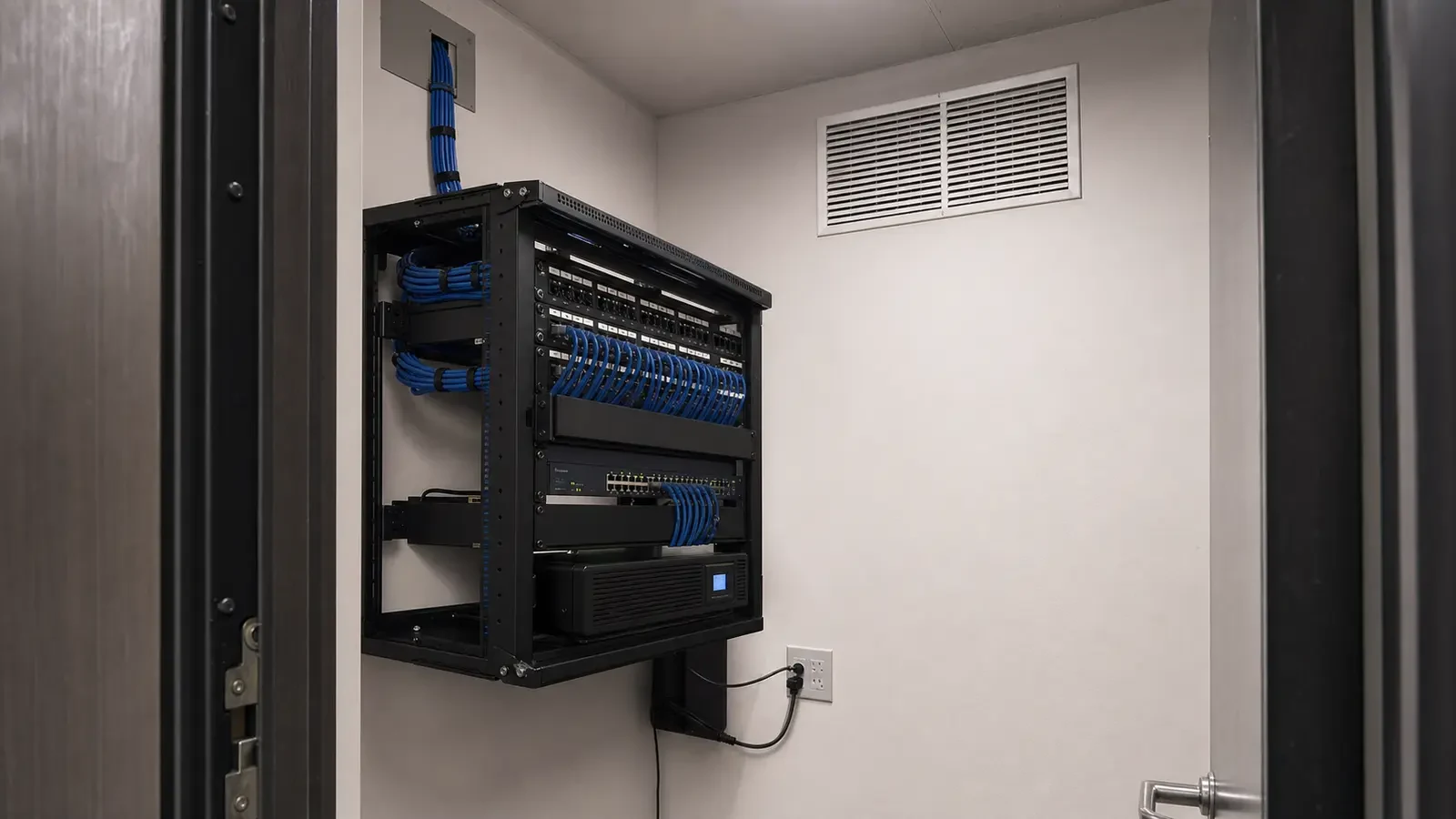
Commercial-First Scope
Planning centers on operating businesses, shared technology rooms, equipment access, and accountable change control.
Organized infrastructure for serviceable commercial systems
Network cleanup and rack organization turns a difficult-to-trace equipment area into a documented, serviceable environment. Data Pro Communications evaluates cable paths, patching, labels, equipment access, rack space, and power coordination for commercial properties in Orlando.
The work is planned around operating systems and equipment risk. Some changes require a maintenance window, stakeholder coordination, or staged execution; the objective is safer access and clearer supportability, not cosmetic rearrangement at the expense of uptime.
PROJECT PLANNING
A useful cleanup plan begins with the current equipment, cable routes, business-hours constraints, and systems sharing the rack. A site survey establishes what can be reorganized in place, what requires controlled disconnection, and what documentation will support the next service event or expansion.
Planning centers on operating businesses, shared technology rooms, equipment access, and accountable change control.
Camera, access-control, network, intercom, and audio-video connections are traced as related systems rather than treated as anonymous cables.
Labels, port relationships, rack elevations, and closeout notes are defined according to the contracted scope.
Work that can affect live services is identified before changes begin and coordinated with the responsible property or IT contact.
Projects use the approved Data Pro Communications identity and FL License #EC13016138 without promising a universal outcome.
SERVICE OVERVIEW
Commercial rack cleanup is a technical organization service for network and low-voltage environments where patching, cable slack, labeling, equipment placement, or shared-system growth has made support difficult. The scope can include an existing-state survey, identification of active connections, cable routing improvements, patch-panel organization, label replacement, rack-space planning, and documentation.
The service does not assume that every cable can be moved or every device can be disconnected. Unknown circuits, brittle patch leads, unsupported equipment, insufficient rack capacity, power limitations, and business-critical connections may change the sequence. Findings are separated into work that can proceed safely, work that needs a maintenance window, and work that needs an equipment or pathway decision.
Network cleanup differs from a new structured cabling build. It focuses on the serviceability of the installed rack environment while coordinating with broader cabling, switching, testing, camera, access-control, intercom, and audio-video dependencies.
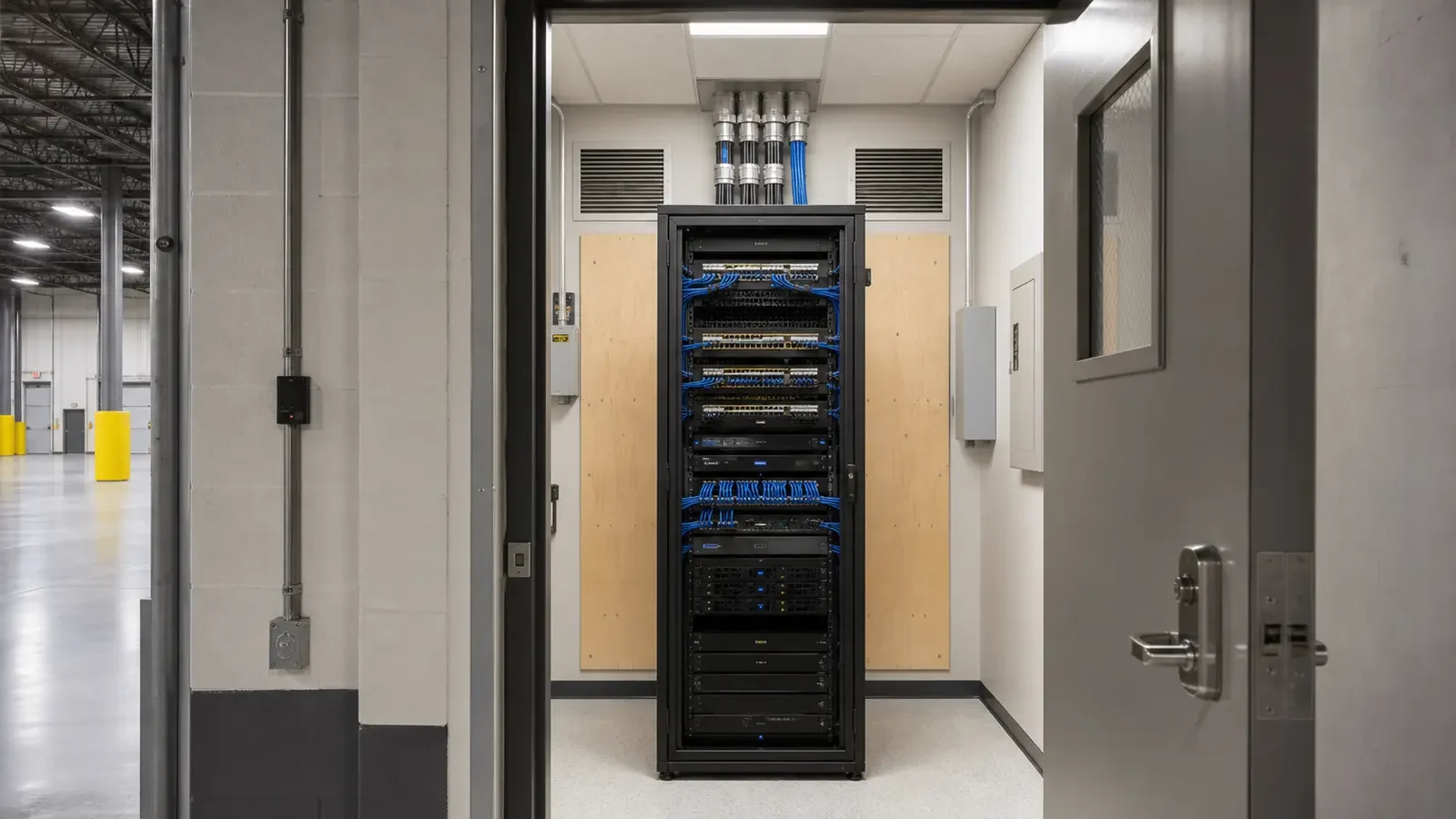
CORE CAPABILITIES
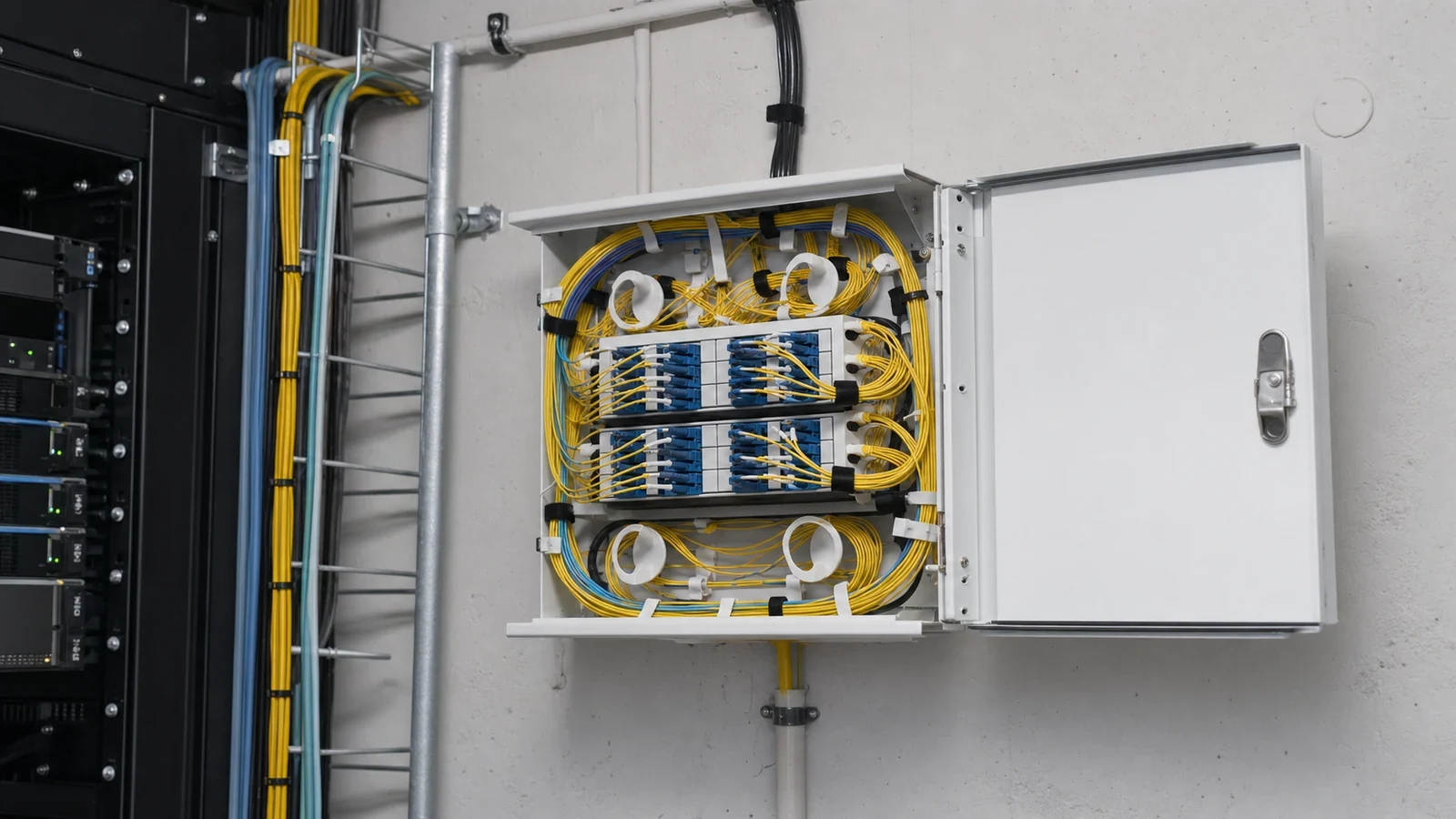
Document equipment, patch panels, managers, cable entry points, available rack units, visible power distribution, and access limitations before proposing changes.
Re-route service loops and patch cords through appropriate horizontal or vertical management where conditions permit, keeping bend, strain, ventilation, and access needs visible.
Organize patching so panel, port, switch, and endpoint relationships are easier to trace during support, moves, additions, and changes.
Apply consistent rack, panel, port, cable, and endpoint identifiers and record the information needed for future service under the approved scope.
Identify disconnected or questionable cabling for review without representing uncertain cables as removable until ownership and active-state checks are complete.
Review rack-unit availability, device clearances, UPS/PDU relationships, cable-entry space, and service access before expansion or equipment relocation.
COMMERCIAL USE CASES
Restore traceability where repeated additions have crowded managers, concealed labels, or made routine service unnecessarily risky.
Create an accurate baseline before adding switches, patch panels, cameras, access-control controllers, wireless equipment, or other connected systems.
Separate current business connections from obsolete or unverified cabling when suites, departments, or tenants change.
Improve support access in properties where guest services, operations, cameras, Wi-Fi, phones, and audio-video systems may converge.
Clarify connections where network, camera, access-control, intercom, and audio-video equipment share rack space and pathways.
Document existing connections and physical constraints before a switch refresh, UPS change, recorder replacement, or controlled system move.
TECHNICAL PLANNING
The physical appearance of a rack is only one signal. The work plan must account for uptime, cable function, equipment condition, pathway capacity, power, ventilation, and the people responsible for each connected system.
Active patching may support point-of-sale, phones, cameras, door systems, wireless access, or business applications. Connections are traced and change windows are agreed before any action that could interrupt service.
Unlabeled cables are treated as unknown until verified. A cleanup scope may leave certain connections in place when tracing is inconclusive, equipment is fragile, or a service owner is unavailable.
Existing patch leads and horizontal cables may not support a cleaner route without replacement or re-termination. Bend radius, strain relief, entry points, and spare pathway capacity remain technical constraints.
Rack organization accounts for power-cord separation, service access to UPS and PDU equipment, device clearances, ventilation, and the impact of moving powered equipment.
CONNECTED SYSTEMS
Rack cleanup is most useful when connections are documented in the context of the systems they support. The plan protects operational boundaries while improving shared visibility.
Switch uplinks, patch-panel assignments, wireless access-point runs, and network-service dependencies are documented without turning rack cleanup into a switching or VLAN redesign.
Recorder, PoE, controller, gateway, and intercom connections are identified so security and entry systems remain traceable during organization work.
DSPs, amplifiers, control processors, displays, and other specialty devices are coordinated where they share rack space, patching, network access, or power.
ORLANDO SERVICE CONTEXT
Commercial properties around Lakehurst, International Drive, Sand Lake Road, Doctor Phillips, the Universal Orlando area, and nearby west Orlando corridors often support several technology systems within limited back-of-house space. Hospitality, entertainment, retail, office, and mixed-use environments can accumulate patching changes as operations, tenants, vendors, and connected devices evolve.
A local rack assessment focuses on the actual property: available access, business-hour sensitivity, shared closets, equipment ownership, service-provider boundaries, and the sequence required to protect operations. The page does not imply that Data Pro Communications maintains an office in every served area; it describes project service from the approved West Orlando / Lakehurst Branch context.
For multi-system environments, the most valuable outcome is often a clear operating baseline: known panels, known ports, labeled connections, documented exceptions, and enough service access to support the next repair, expansion, or equipment change.
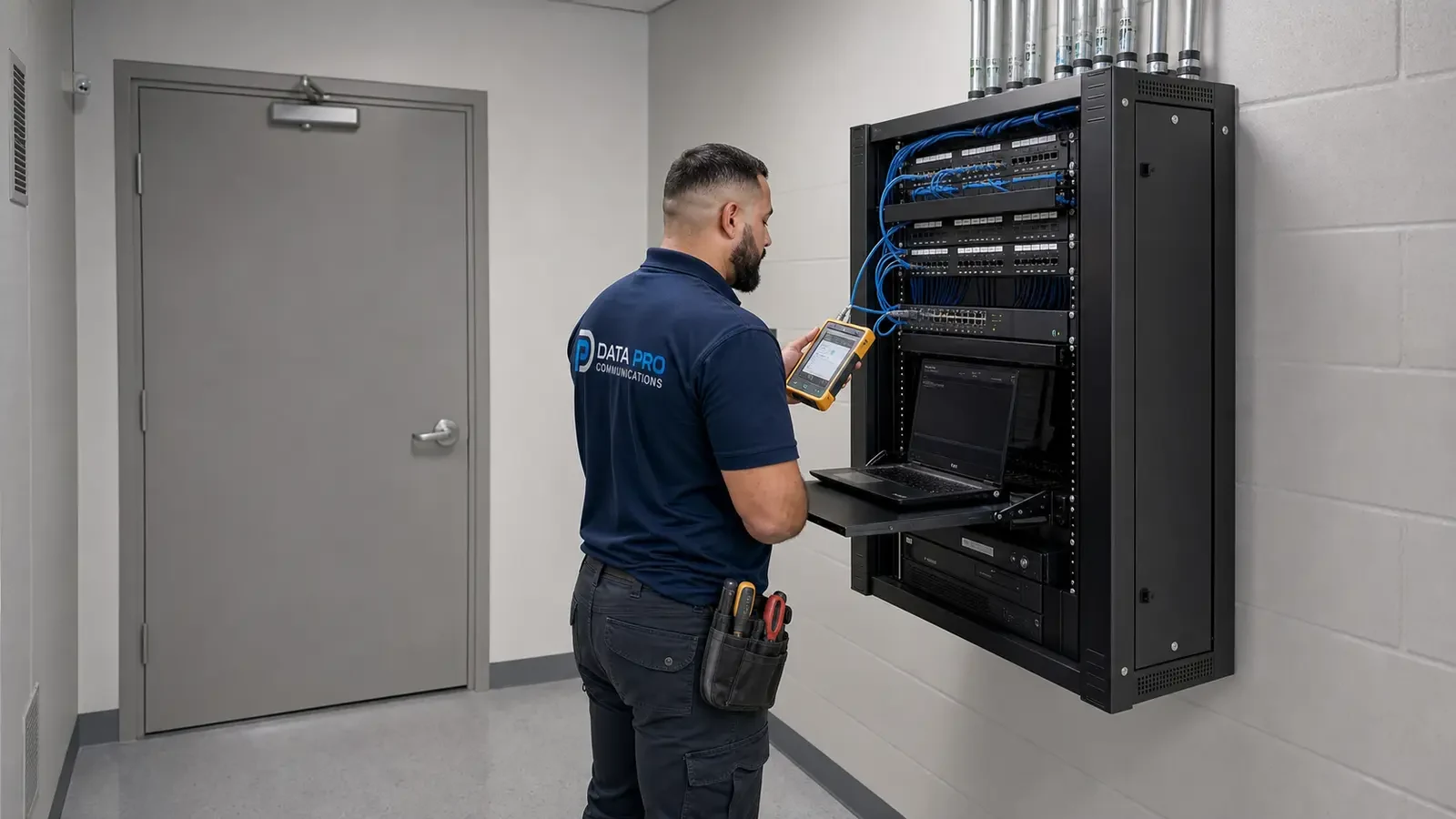
RELATED SERVICES
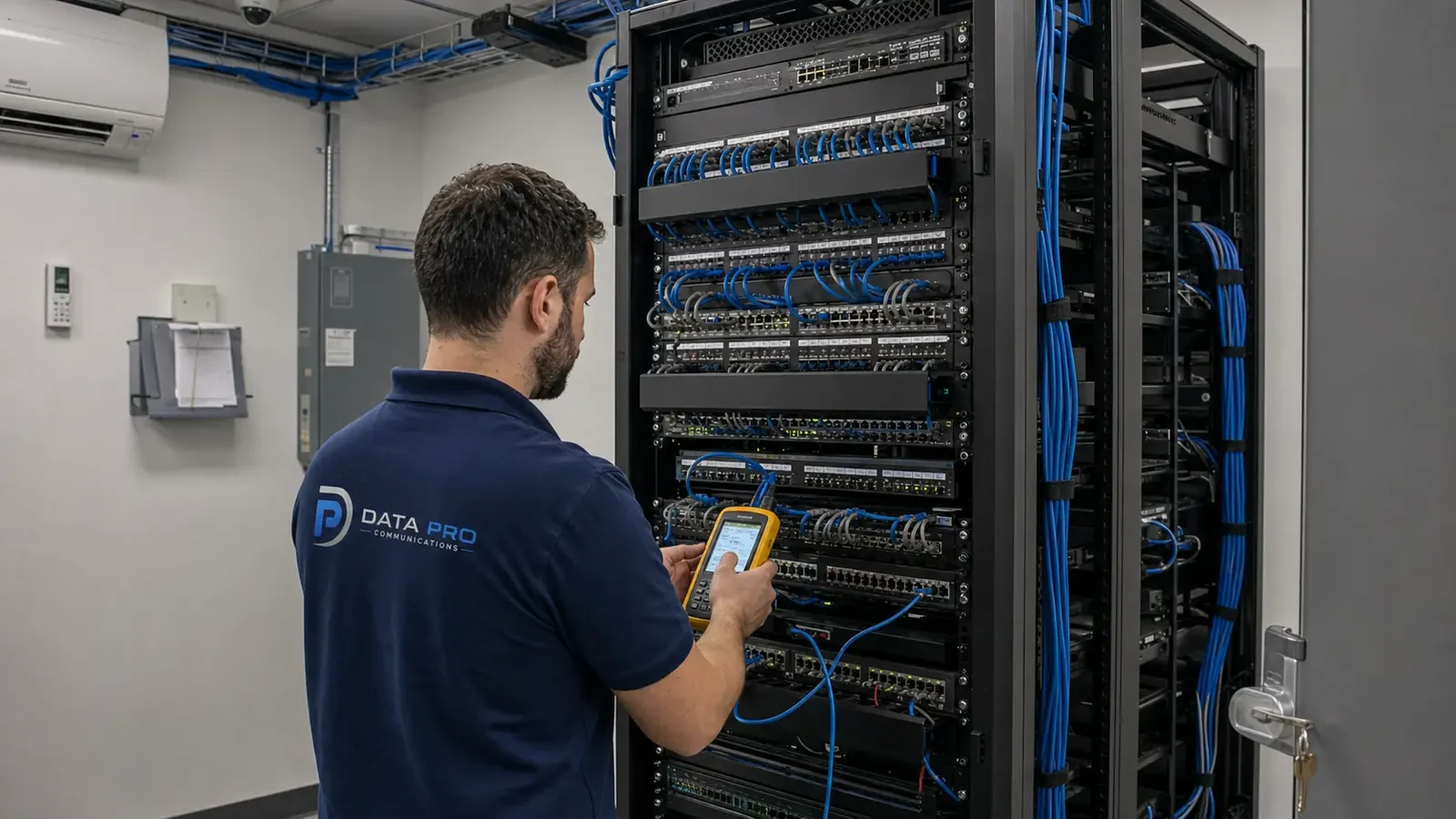
Use broader structured cabling planning when pathways, permanent links, racks, patch panels, and multi-system infrastructure require coordinated design or expansion.
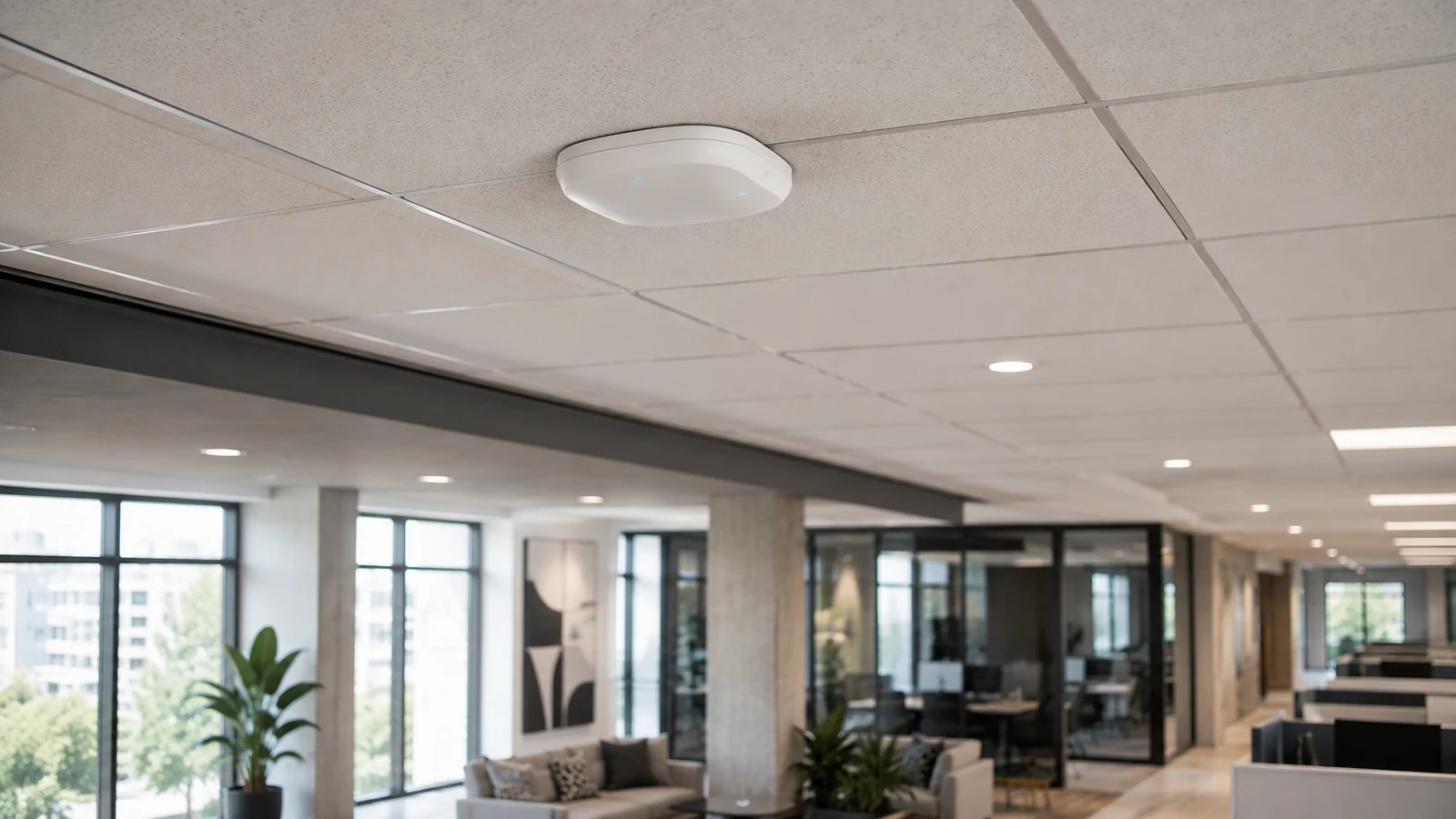
Use network infrastructure services when the project includes switching, uplinks, topology, VLAN coordination, or connected network equipment beyond physical rack organization.
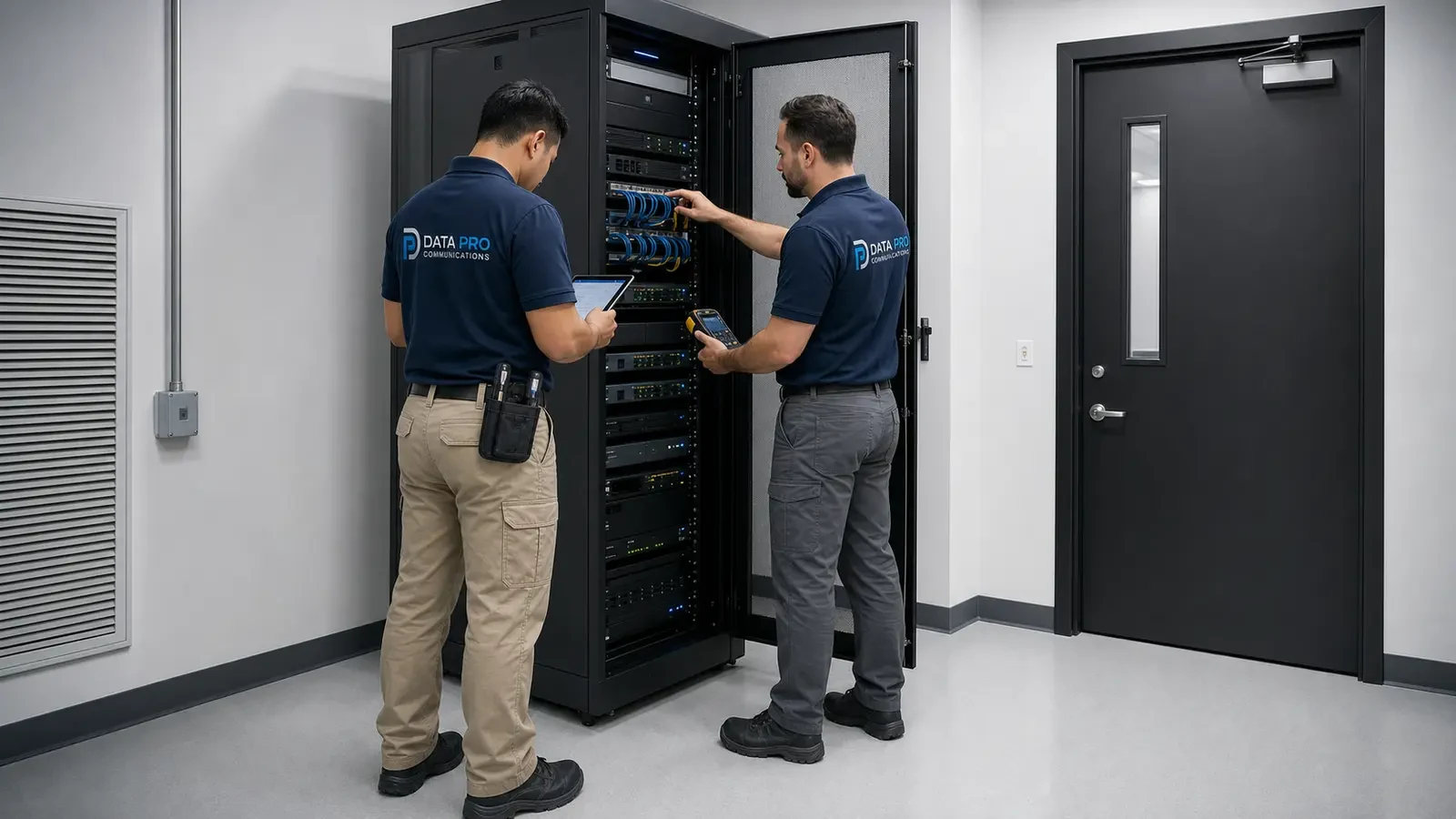
Use cable testing when copper links require measured performance evidence, fault isolation, or certification under a contracted test scope.
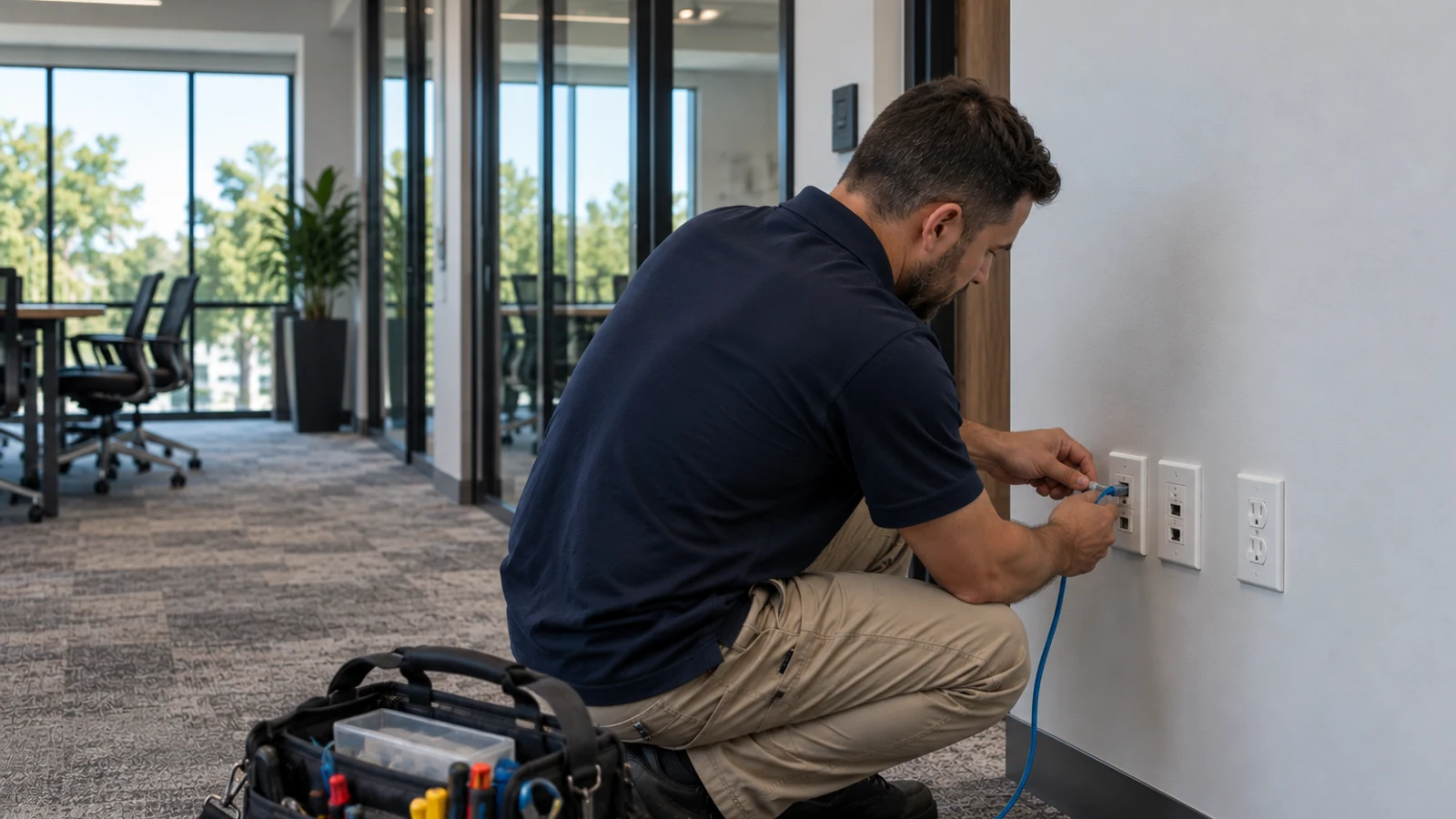
Use service and maintenance for troubleshooting, corrective work, or planned support that extends beyond an organization project.
INDUSTRIES SERVED

Hotels, attractions, venues, and food-service properties may share tight back-of-house rooms across guest, operational, camera, network, and audio-video systems.
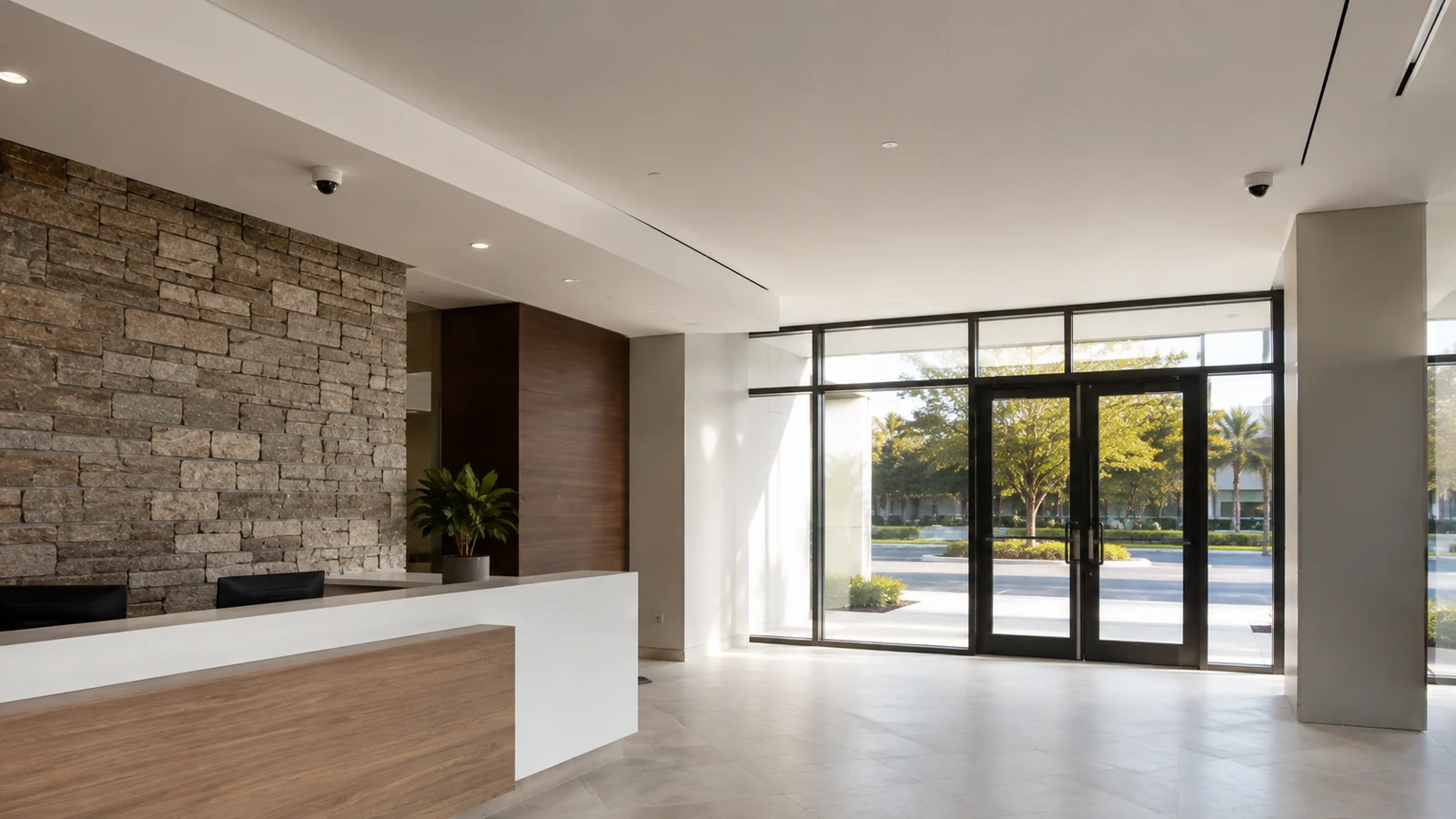
Office changes, tenant turnover, and department moves can leave patching relationships unclear without consistent labels and closeout records.

Retail operations depend on accessible network, payment, camera, phone, and wireless connections where change windows require careful coordination.
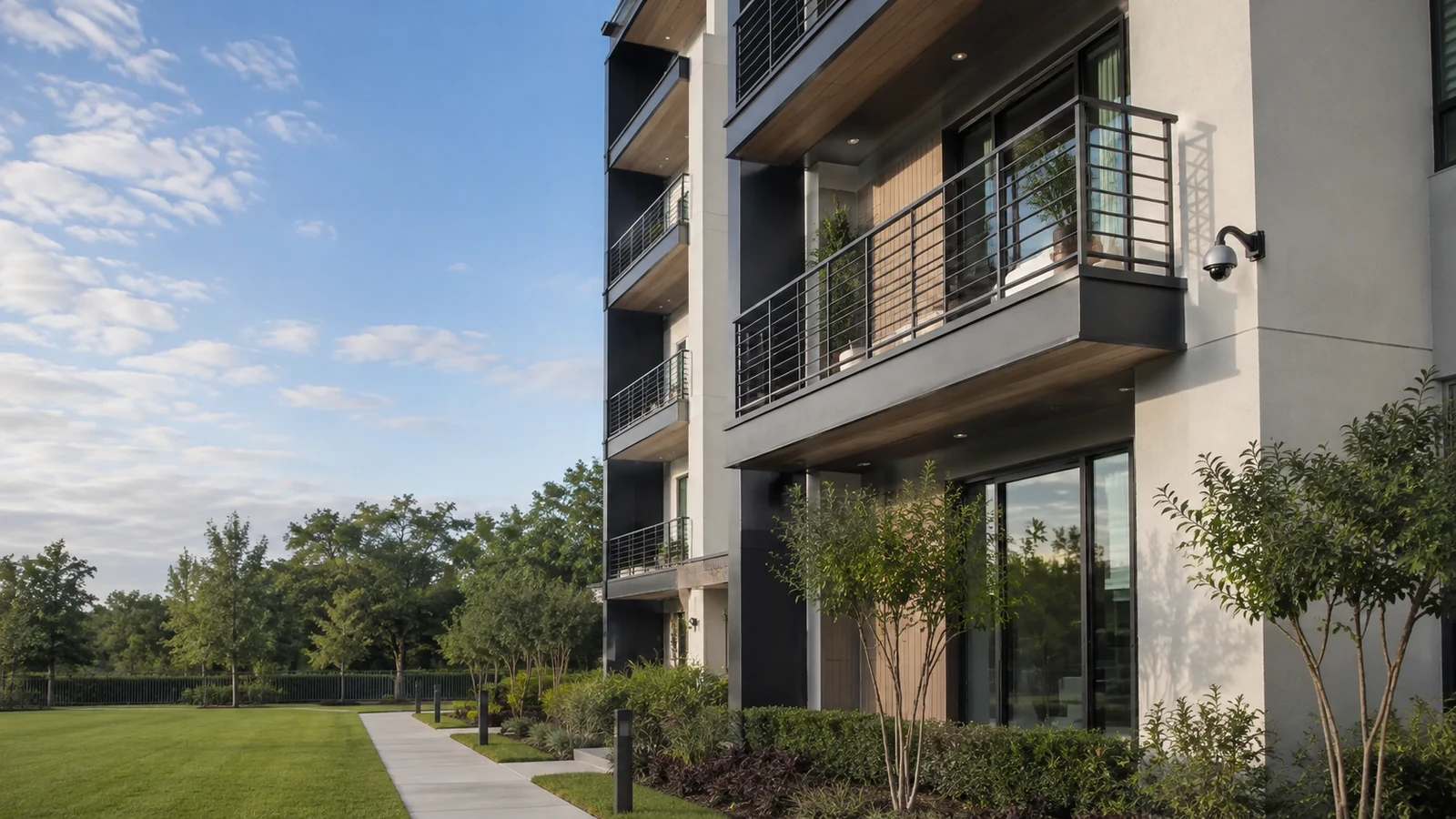
Shared technology rooms can support cameras, access, intercom, network, and administrative systems across common areas and management operations.
PROJECT PROCESS
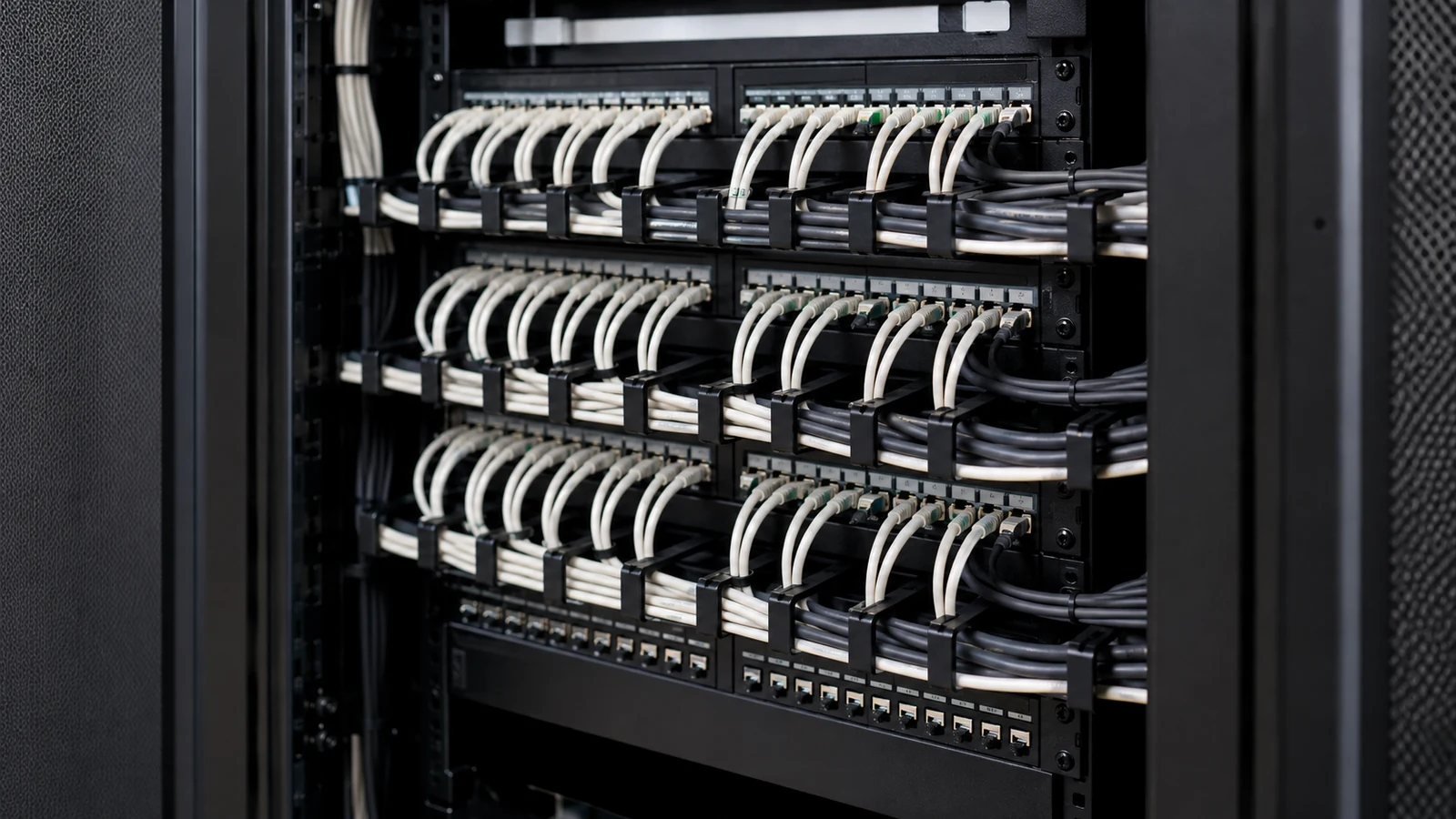
Survey the rack, equipment, patching, cable-entry paths, active systems, available space, power relationships, and operating constraints.
Separate low-risk organization work from tasks requiring tracing, replacement, stakeholder approval, a service window, or additional equipment.
Route, label, patch, secure, and document work in an agreed sequence while protecting connections that remain active or uncertain.
Confirm accessible equipment, visible labels, agreed service checks, documentation, exceptions, and recommendations for later expansion or corrective work.
LICENSED PROJECT SUPPORT
Data Pro Communications - West Orlando serves commercial properties from the West Orlando / Lakehurst Branch using the approved branch identity, 5950 Lakehurst Dr, #234, Orlando, FL 32819, (407) 994-3227, and FL License #EC13016138.
Rack organization is defined by the surveyed conditions and contracted work. License information supports provider identification; it does not guarantee uninterrupted operation, suitability of existing equipment, or a particular security or network outcome.
FAQ
Cleanup is worthwhile when technicians cannot trace connections efficiently, labels are missing, cable managers are overloaded, equipment access is restricted, or an expansion is approaching. A site assessment distinguishes organization issues from cabling, equipment, power, or network-design problems.
Some physical organization can occur around live systems, but moving patch cords, powered equipment, uplinks, or shared-system connections may require a controlled service window. The plan identifies potential interruptions before work begins rather than assuming every change is risk-free.
Questionable cabling is documented and separated for review when possible. A cable is not represented as removable until active-state, ownership, pathway, and project-scope checks support that decision.
Yes, labeling can cover racks, panels, ports, cables, endpoints, and documentation according to the contracted scope. The label format is selected to remain readable and useful during later service.
Often they can, but panel condition, cable slack, port usage, rack access, and active-service constraints determine the method. Damaged, overloaded, or poorly placed panels may require a separate corrective or replacement scope.
Yes, an accurate rack baseline can reveal available ports, rack units, pathway constraints, power considerations, and unclear connections before new equipment or drops are added. It reduces avoidable guesswork during expansion planning.
Documentation may include rack and panel identifiers, port or cable schedules, rack elevations, photographs, exceptions, and closeout notes as defined in the proposal. The exact record set follows the systems and depth included in the project.
No. Short cables, damaged managers, insufficient rack space, unsupported equipment, poor ventilation, and power limitations can prevent a complete reorganization using existing materials. The assessment identifies those constraints and separates feasible work from recommended upgrades.
Yes, shared racks can be assessed across systems, but each connection is handled according to its operational owner and risk. Specialty configuration or equipment work remains within the separately defined service scope.
No. Many projects improve labeling, routing, documentation, and service access while retaining functioning equipment. Replacement is recommended only when condition, capacity, compatibility, safety, or project goals justify it.
Power relationships are documented and coordinated with equipment access, service windows, and manufacturer requirements. Powered-device moves or electrical work outside the low-voltage scope require the appropriate plan and qualified responsibility.
Clear labels, accessible ports, and current documentation can shorten the physical tracing portion of troubleshooting. They do not resolve switch configuration, carrier service, endpoint software, or damaged cabling unless those issues are included in a separate diagnostic scope.
Organization alone does not increase bandwidth. It can expose damaged patching, questionable cable routes, or capacity constraints that merit testing or network review, but performance claims require measured evidence and the appropriate service.
The survey records access hours, critical operations, responsible contacts, shared rooms, noise or dust limits, and acceptable change windows. Work is then staged to fit the approved operating plan.
Request a site survey with photographs, rack location, known systems, recent changes, and the problem you want to solve. Data Pro Communications can then define assessment depth, access needs, sequencing, and a practical scope.
Request a site survey for a commercial rack in Lakehurst, International Drive, Doctor Phillips, west Orlando, or surrounding approved service areas. The assessment will document current conditions, operational constraints, and the organization work that can proceed responsibly.