
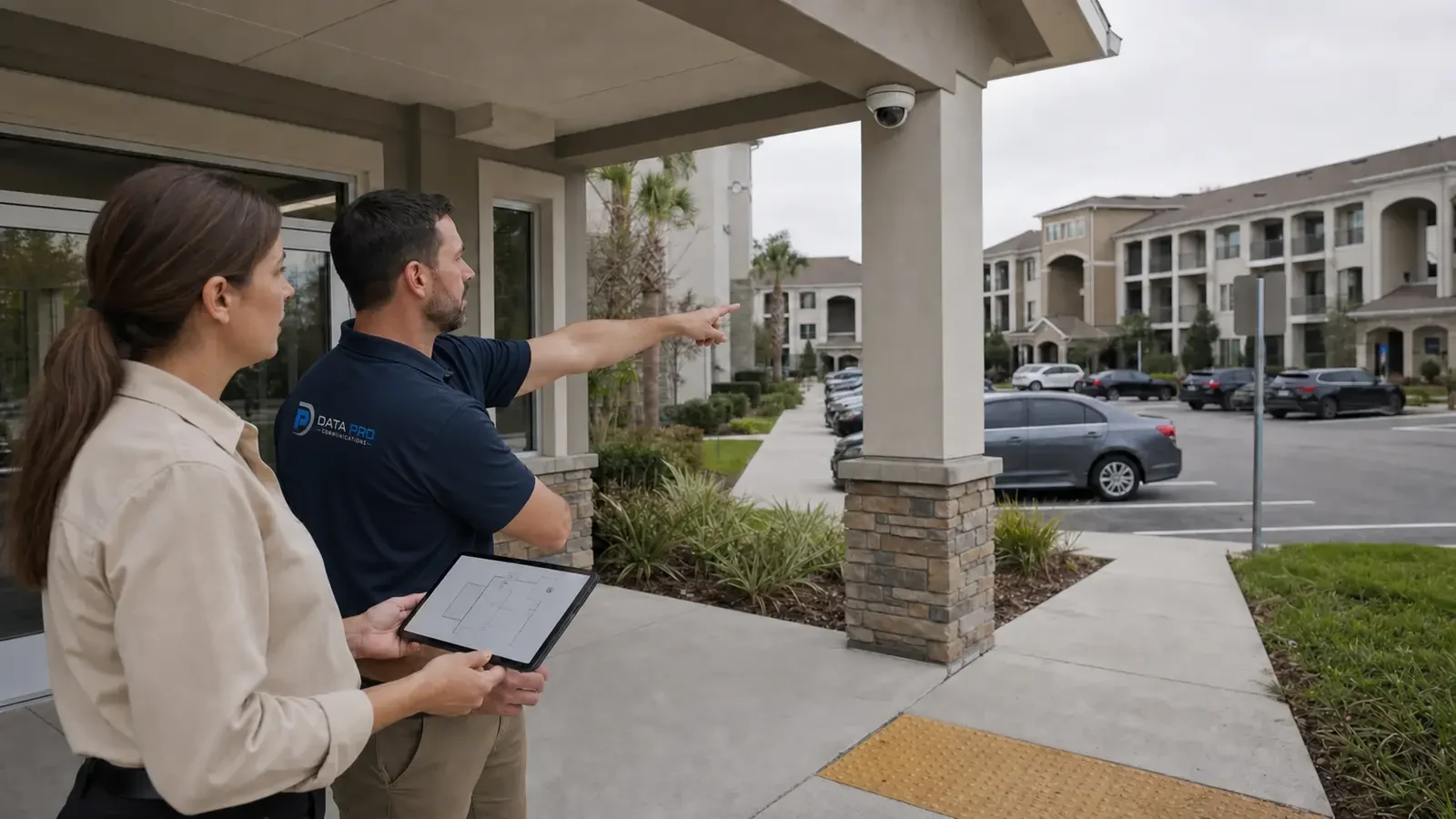
Site-Specific Scope
Planning starts with property areas, users, field conditions and responsible decision-makers.
SECURITY AND LOW-VOLTAGE PLANNING FOR MANAGED PROPERTIES
Property management teams need repeatable standards without pretending that every building is the same. Data Pro Communications helps managers document site baselines, coordinate vendors and tenants, define system ownership and plan supportable systems across a portfolio.
The scope connects each operational purpose to field conditions, infrastructure, authorized ownership, phased work and a documented handoff.
Planning starts with property areas, users, field conditions and responsible decision-makers.
Cameras, access, intercom, cabling and networks are reviewed as connected dependencies.
Work windows, access, temporary controls and restoration are coordinated before field activity.
Labels, schedules, accounts, tests and accepted exceptions support future service.
Commercial low-voltage work is provided under FL License #EC13016138.
SERVICE OVERVIEW
A management company may oversee offices, retail, multifamily, mixed-use, warehouse or association properties with different owners, tenants, networks and service histories. A useful program separates portfolio standards from site exceptions.
The handoff matters as much as the installation. Device naming, account ownership, approved contacts, test records and open issues should survive personnel, tenant and vendor changes.
PROJECT DETAILS
Confirm who can authorize cameras, access changes, network work and spending at each property.
Separate common-area responsibility from tenant-controlled or private spaces.
Inventory devices, cabling, rooms, credentials and network dependencies before standardization.
Define temporary access, escort, after-hours work, key control and credential removal.
Assign who may review footage, export incidents and preserve records.
Make accounts, documentation and exception logs portable when responsible parties change.
CORE CAPABILITIES
Create a consistent inventory of systems, rooms, pathways, accounts, teams and exceptions for each property.
Define entrance, parking, service and shared-circulation views according to each site's response process.
Coordinate staff, tenant, vendor and temporary credentials with documented approvers and turnover.
Use repeatable labeling, patching and test records while recording site-specific conditions.
Assign responsibility for addressing, PoE, segmentation, remote support and maintenance windows.
Record completed work, tests, configuration ownership and open issues for future service.
COMMERCIAL USE CASES
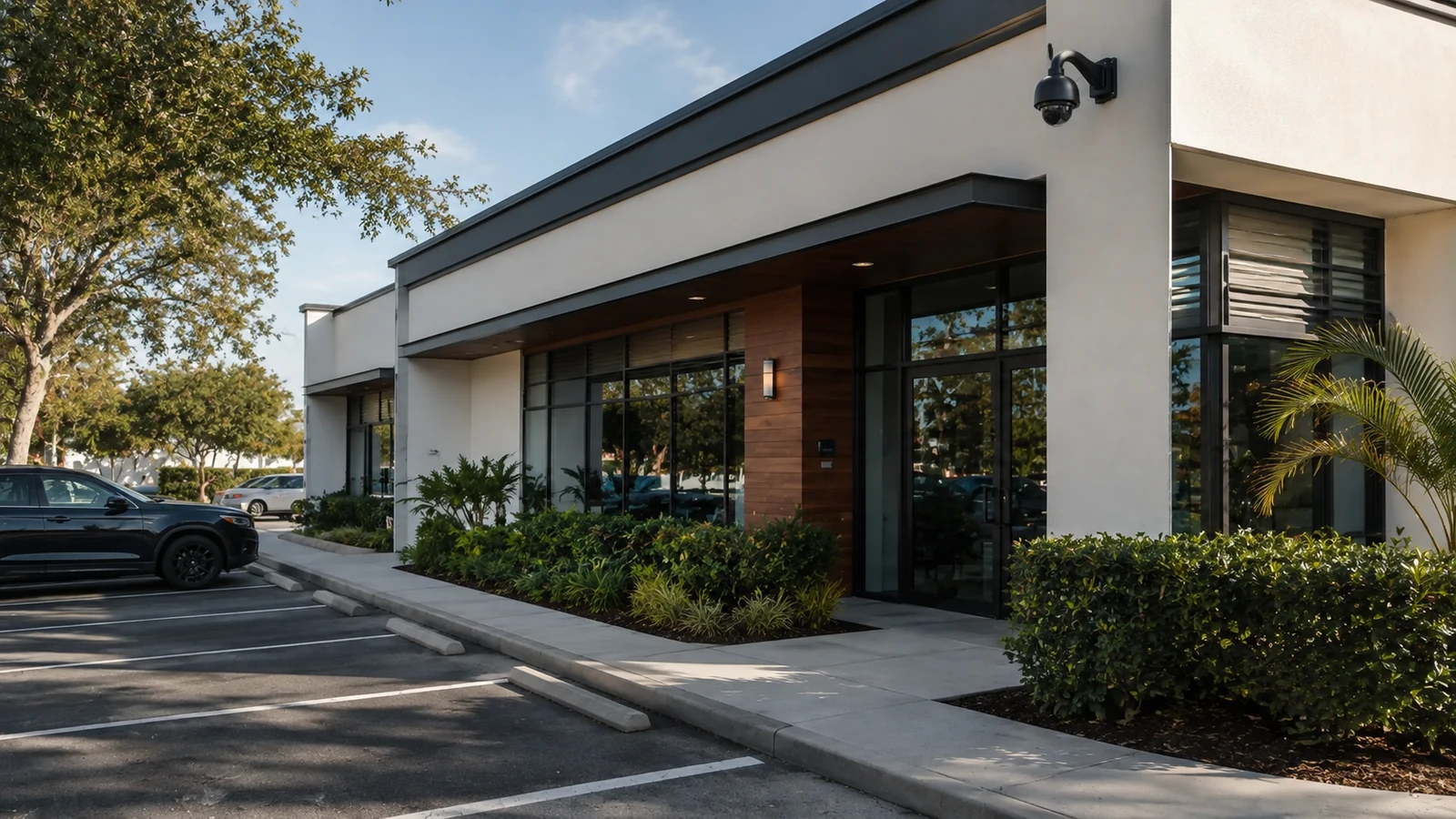
Coordinate lobby, loading, parking and corridors while respecting tenant networks and leased-space boundaries.
Separate storefront responsibility from shared parking, service lanes and property-office workflows.
Align common-area cameras, access, amenities and package operations with owner policy.
Plan dock, yard, office and perimeter views alongside tenant operations and long pathways.
Document association approval, gates, amenities and common-area responsibility.
Establish a technology baseline, account ownership and open-issue list before responsibility changes.
TECHNICAL PLANNING
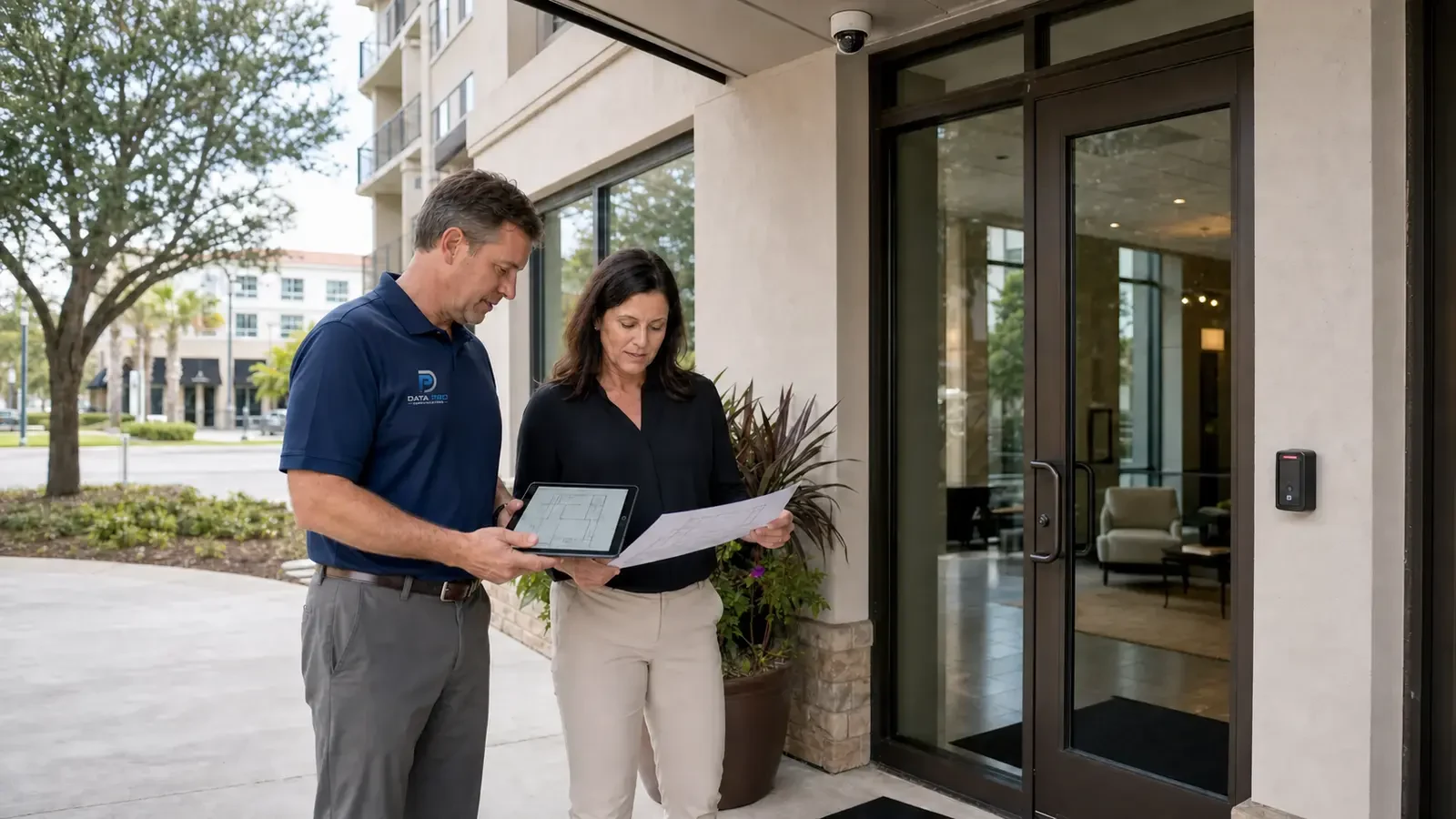
Record installed systems, pathways, account owners, network dependencies and unresolved conditions.
Define portfolio naming and testing rules, then document why a building needs a different approach.
Assign access by job responsibility and property instead of shared credentials.
Identify whether the owner, tenant or service provider controls networking and remote access.
Use consistent checks for view purpose, door behavior, cable performance and account transfer.
Record temporary conditions, deferred repairs, accepted reuse and responsible approvers.
CONNECTED SYSTEMS
Integration begins with the event and responsible user: what occurs, which approved person needs information or control, and what record should remain. Compatibility, licensing, versions, network boundaries and failure behavior must be verified before any integration is promised.
Assign administrator accounts, credential authority, recording access, network changes and service approvals to named customer roles.
Verify the accepted door, gate, camera, intercom or export behavior under realistic operating conditions and document exceptions.
ORLANDO SERVICE CONTEXT
Lakehurst and western Greater Orlando portfolios can span visitor-facing sites, offices, managed communities, retail, warehouses and renovation projects. Accurate property records and coordinated site access matter more than treating diverse addresses as interchangeable.
RELATED SERVICES
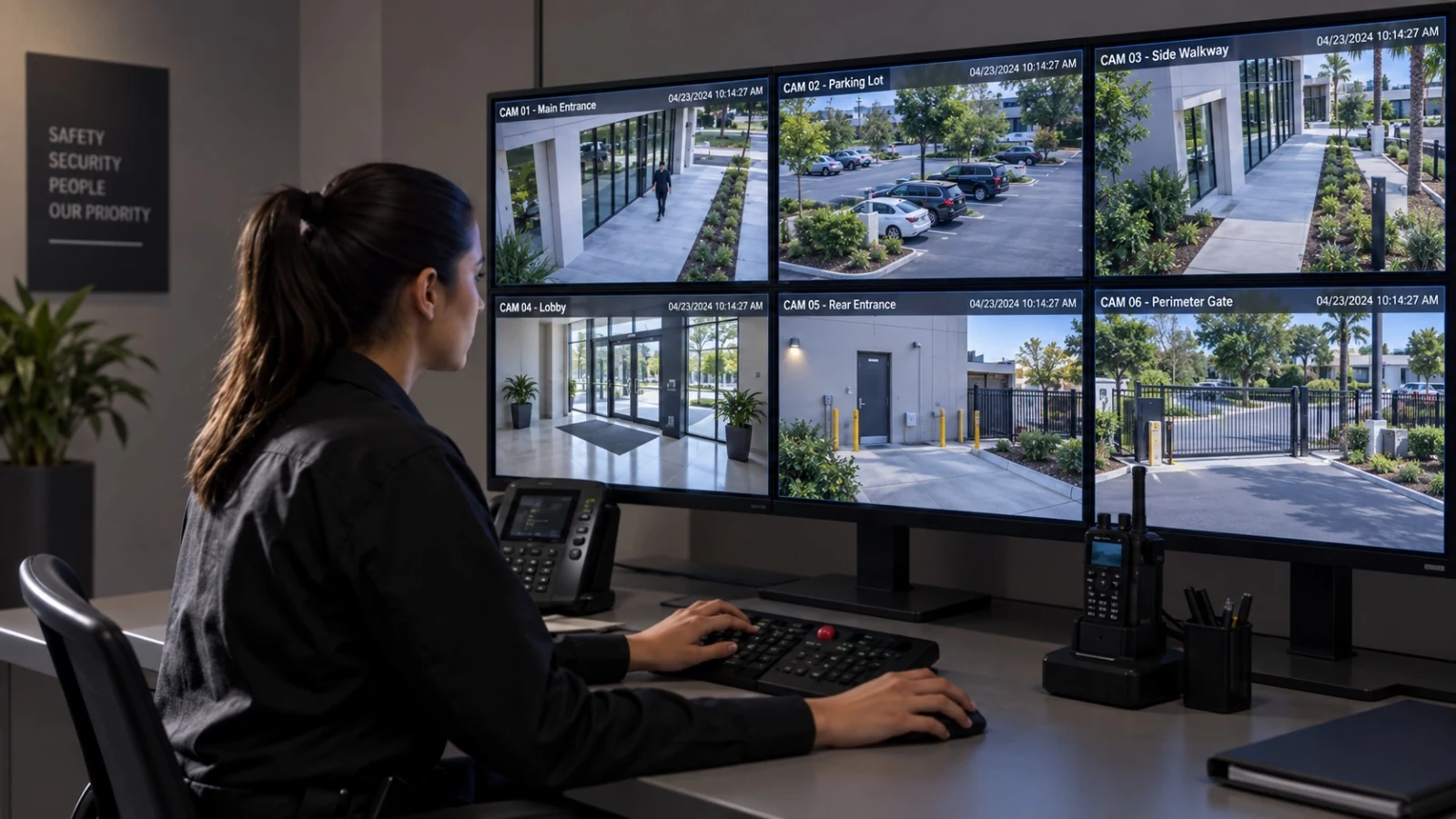
Translate authorized views, lighting and recording responsibilities into site scope.
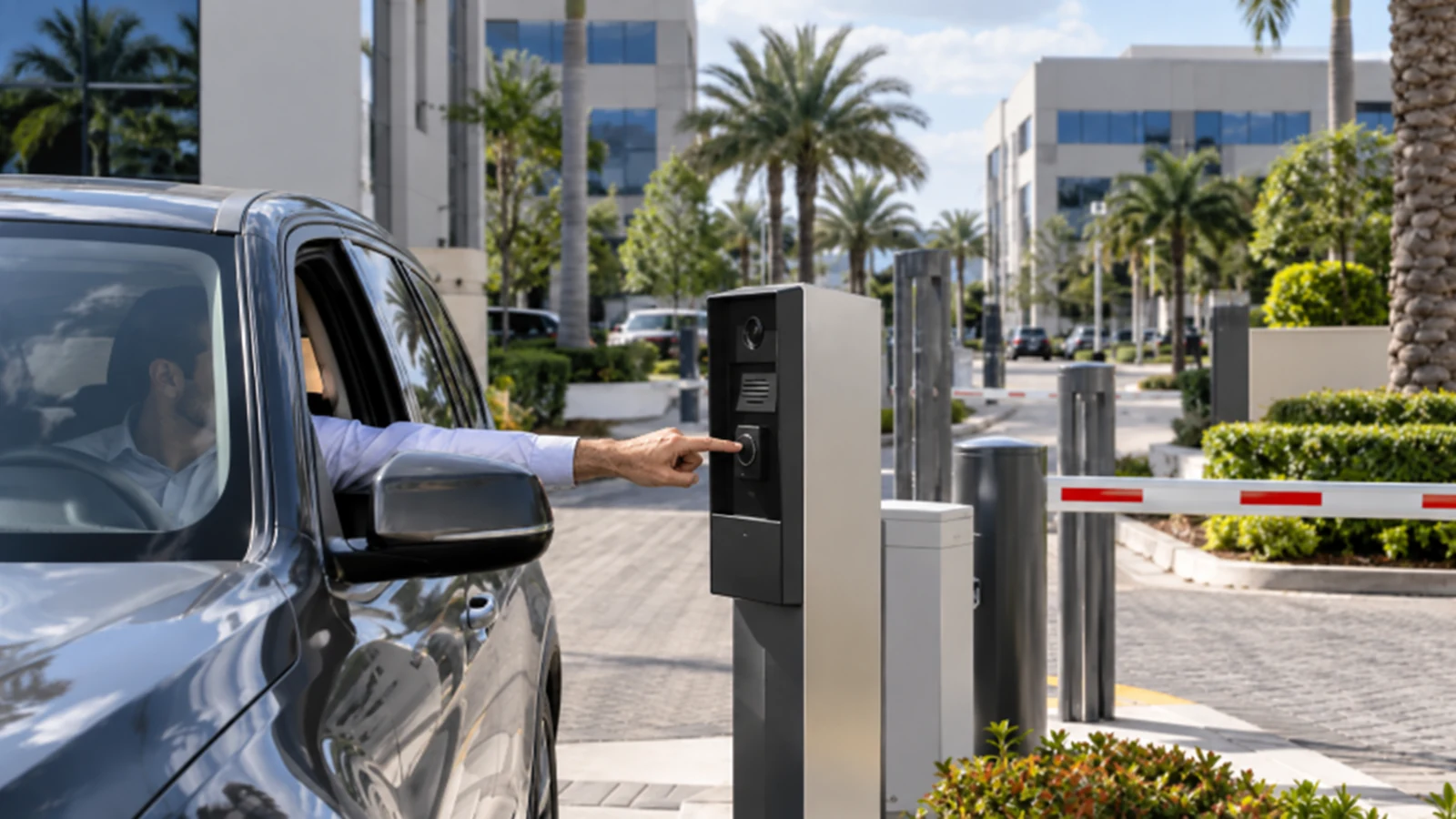
Manage staff, tenant, vendor and temporary permissions with documented approvers.
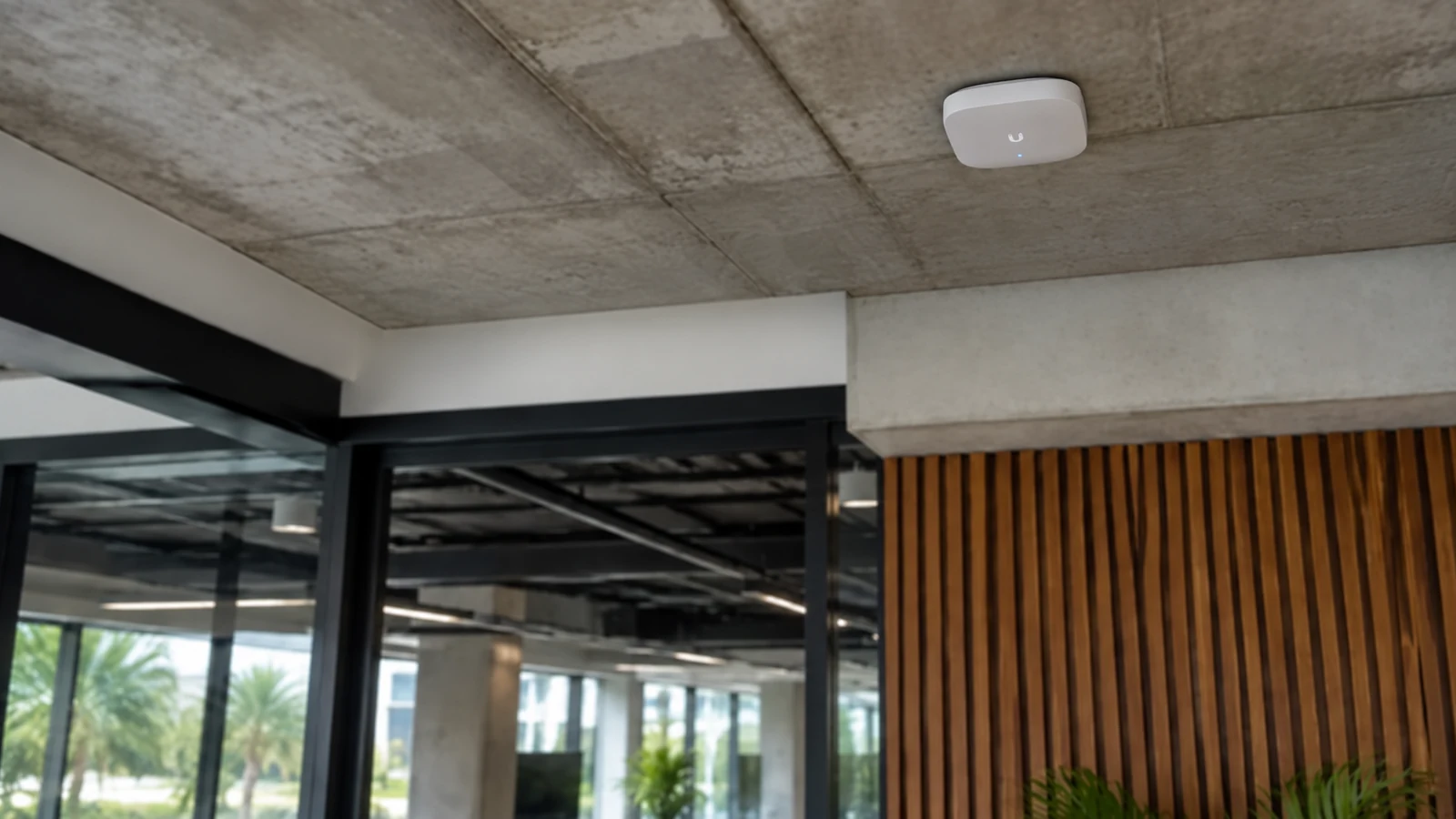
Clarify switching, PoE, segmentation and remote-support ownership.
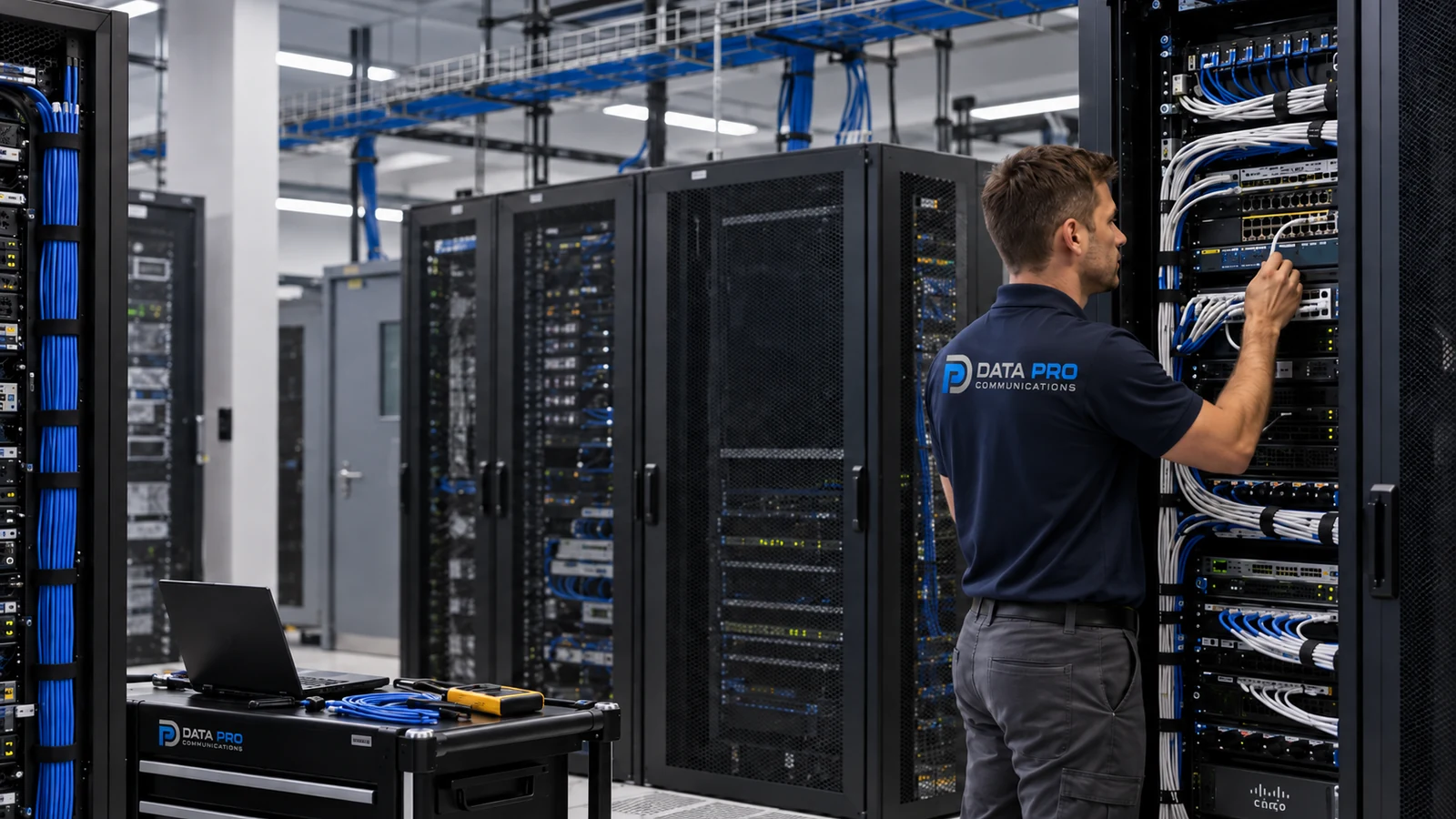
Standardize labels, patching and tests while respecting building pathways.
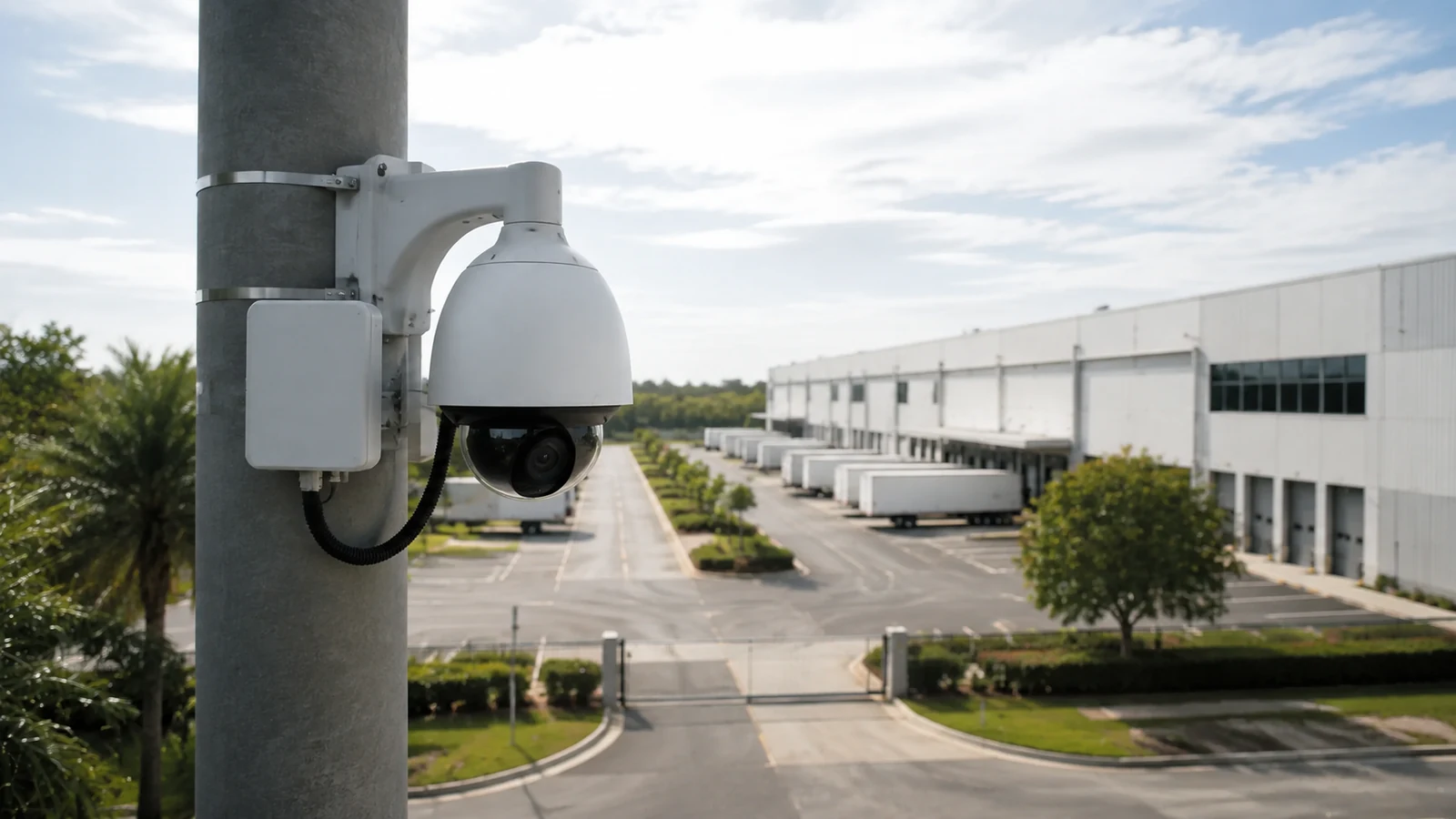
Plan recording, health monitoring, access and incident export.
INDUSTRIES SERVED
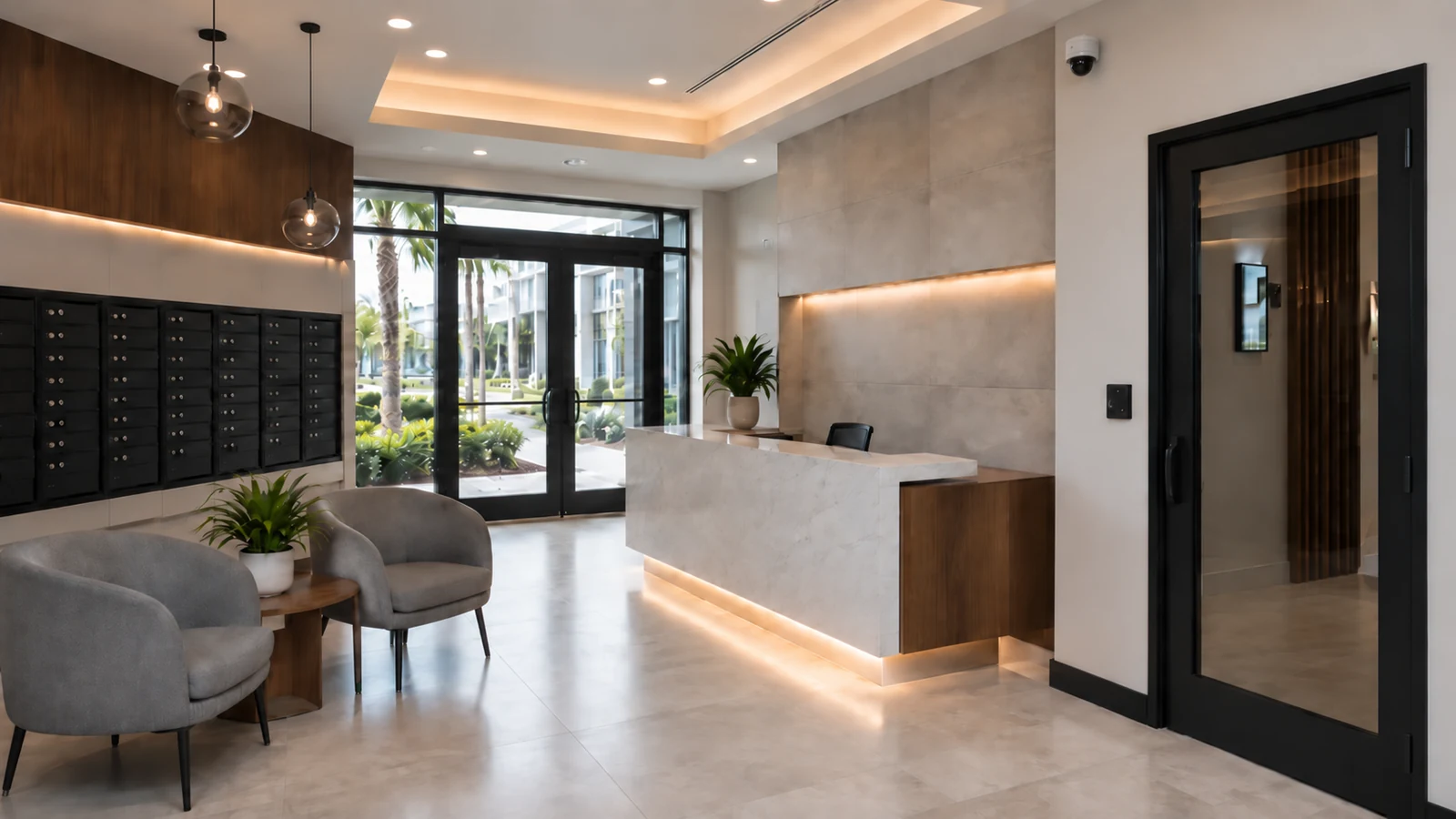
Resident, guest, package, amenity and common-area workflows.

Association approvals, common areas, amenities and gates.
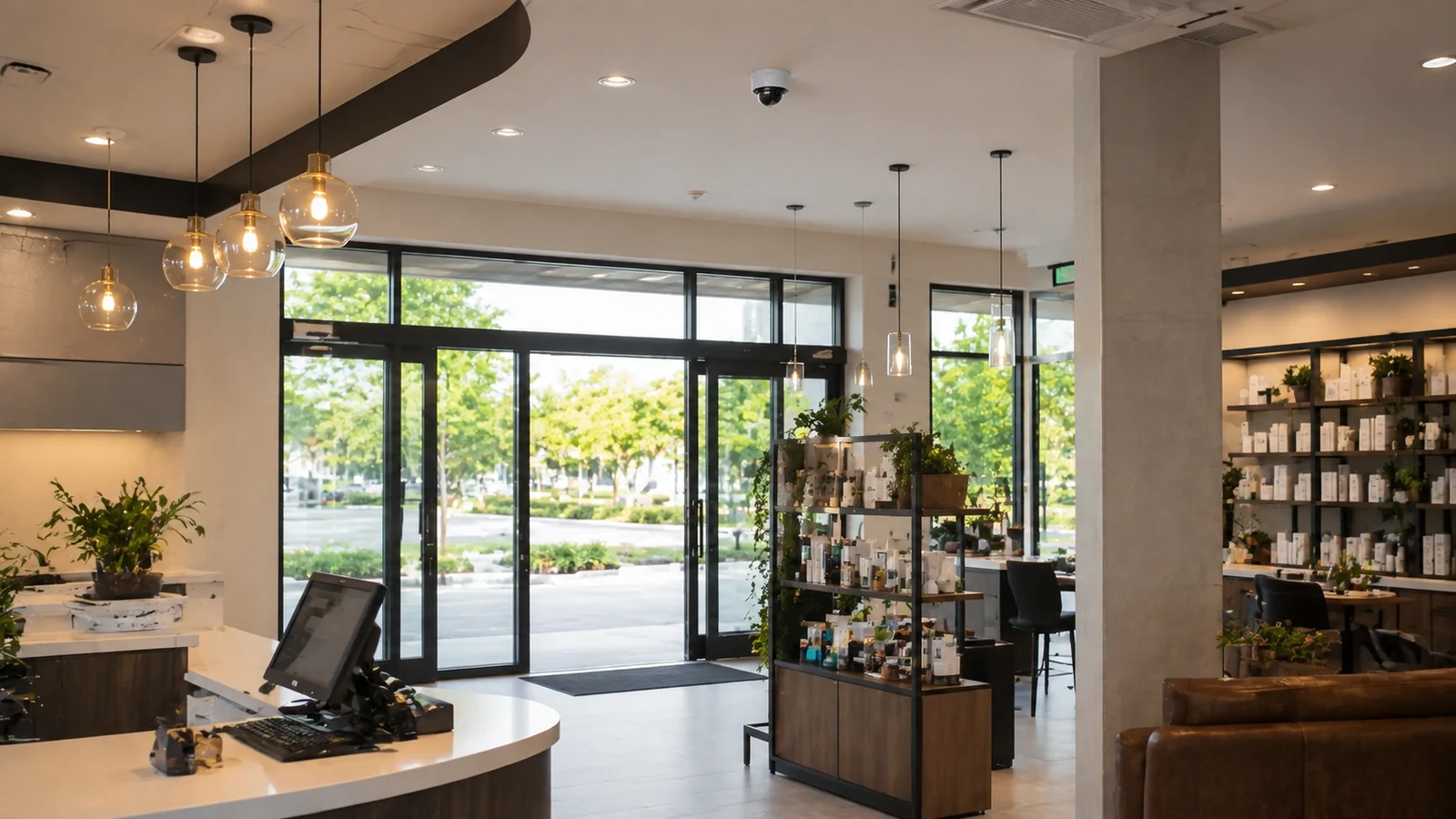
Tenant, customer, parking, reception and service operations.
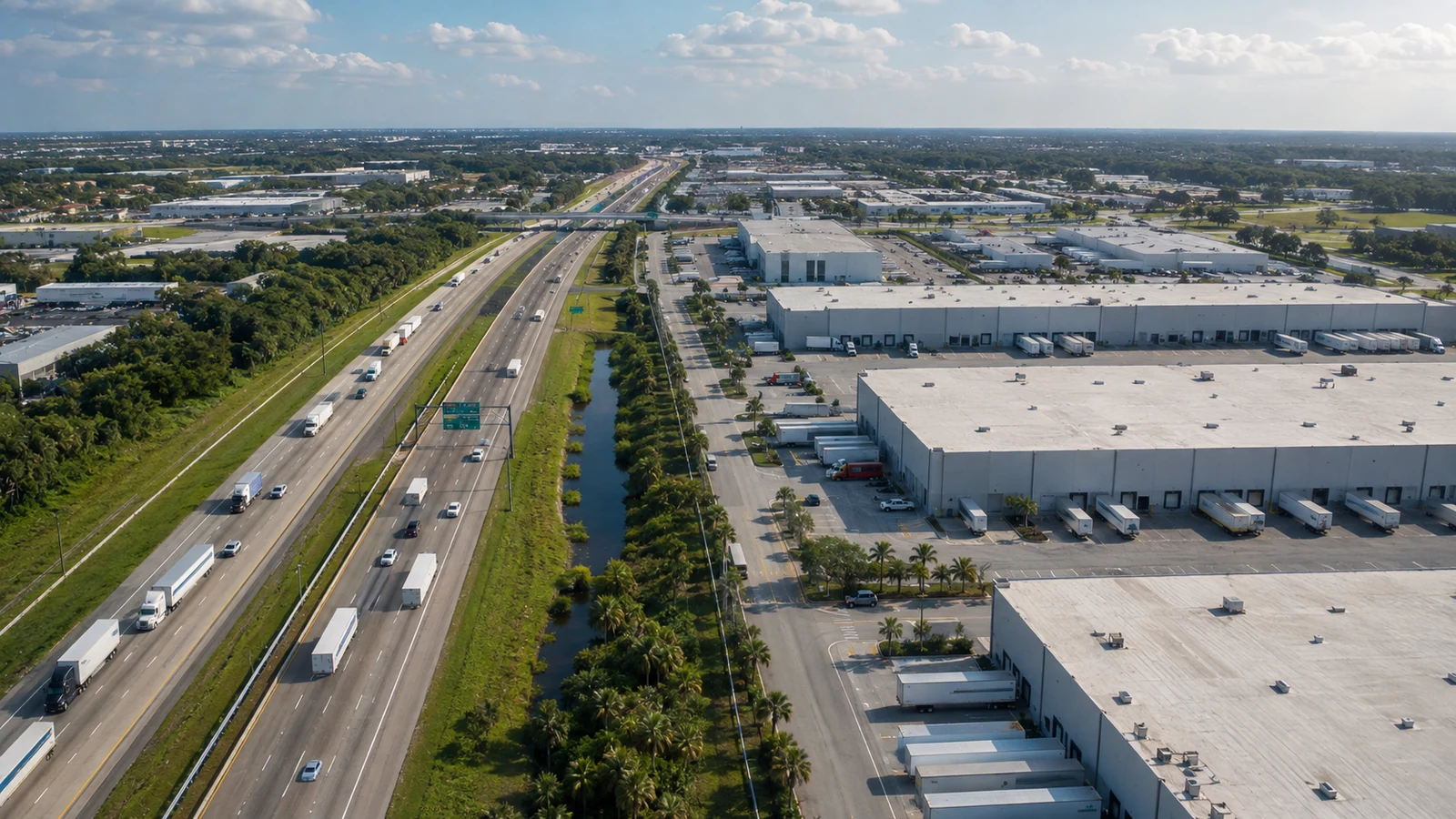
Docks, yards, fleet access and larger managed sites.
PROJECT PROCESS
Identify owners, approved contacts, priority properties and decisions that remain site-specific.
Inventory systems, rooms, pathways, networks, accounts and operating constraints.
Schedule tenants, vendors and IT, then record deviations from the portfolio standard.
Transfer tests, labels, account ownership, site schedules, change history and unresolved items.
LICENSED PROJECT SUPPORT
Data Pro Communications plans and installs commercial low-voltage systems under FL License #EC13016138. Scope, responsible trades, permits where applicable, customer policies and acceptance criteria are documented before work proceeds.
FAQ
A portfolio can share naming, documentation, testing and account-control standards, but placement, pathways, networks and tenant boundaries must be verified at each site.
Record cameras, recorders, controlled doors, intercoms, racks, switches, cabling, uplinks, account owners and known exceptions.
Confirm owner and tenant authority, access windows, escort requirements, network contacts and affected operations.
The authorized owner or property representative should approve purpose and areas. The installer should not create property policy.
Use approved temporary permissions, define schedules and approvers, and remove access when the assignment ends.
It may be possible, but ownership, permissions, bandwidth, cybersecurity policy and licensing must be confirmed.
Consistent camera naming, accurate time, documented user roles and known retention settings reduce confusion.
Test condition, compatibility, credentials, licensing, cable performance, network support and recording behavior.
Transfer account ownership, site records, vendor contacts, open issues and credential procedures through an authorized handoff.
Yes. Survey priority sites in phases while maintaining one portfolio record format.
Name the party controlling switching, addressing, segmentation, remote access and maintenance windows at each property.
No. Lighting, layout, distance, network conditions and maintenance vary, so standardization cannot guarantee outcomes.
Agreed records may include site inventories, schedules, rack and port labels, tests, account owners and change logs.
Select a priority property, identify authorized stakeholders and request a site survey to establish a baseline.
Start with the property areas, users, infrastructure, operating constraints and decisions that need a coordinated plan.