
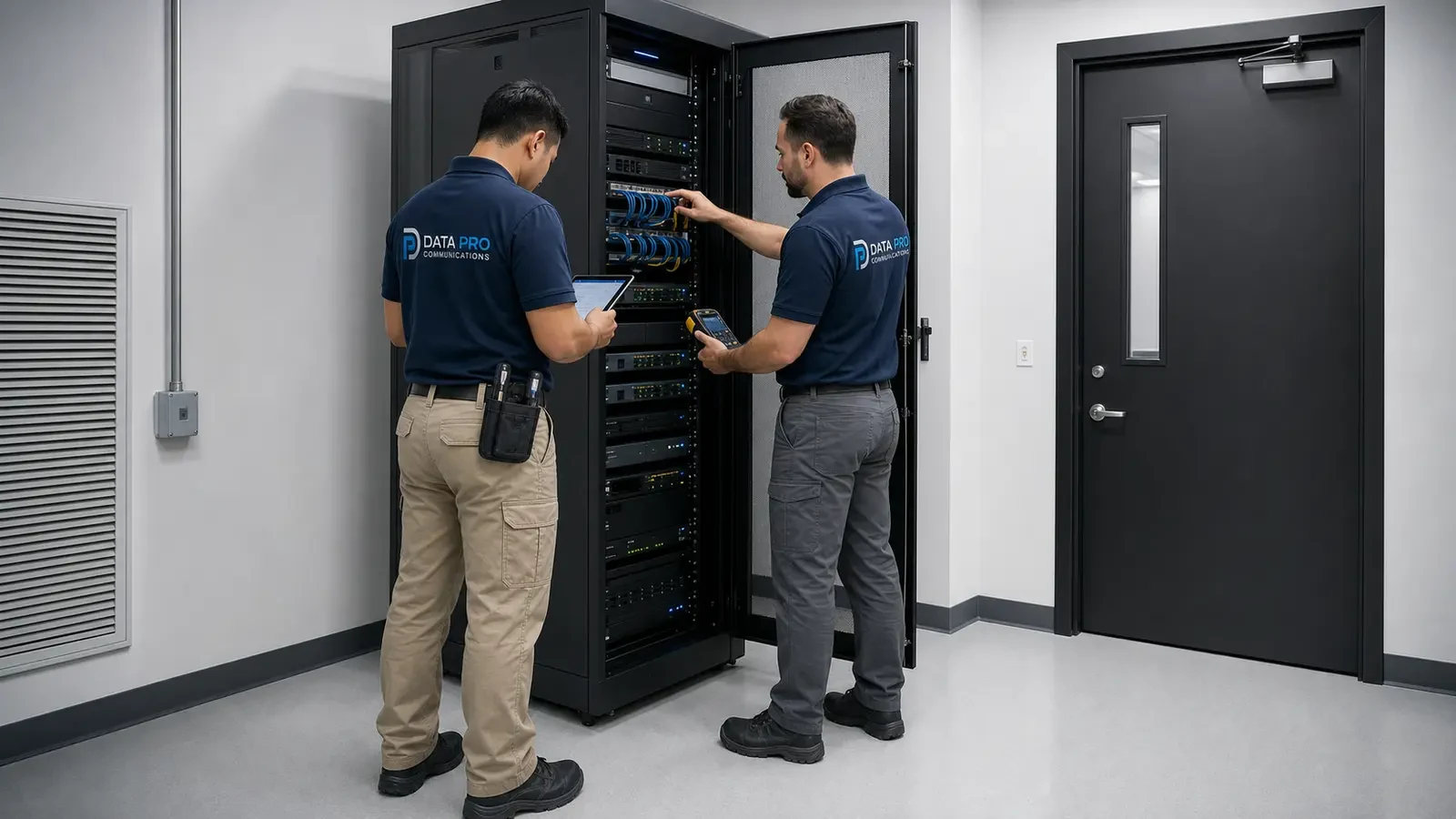
Switching and Port Architecture
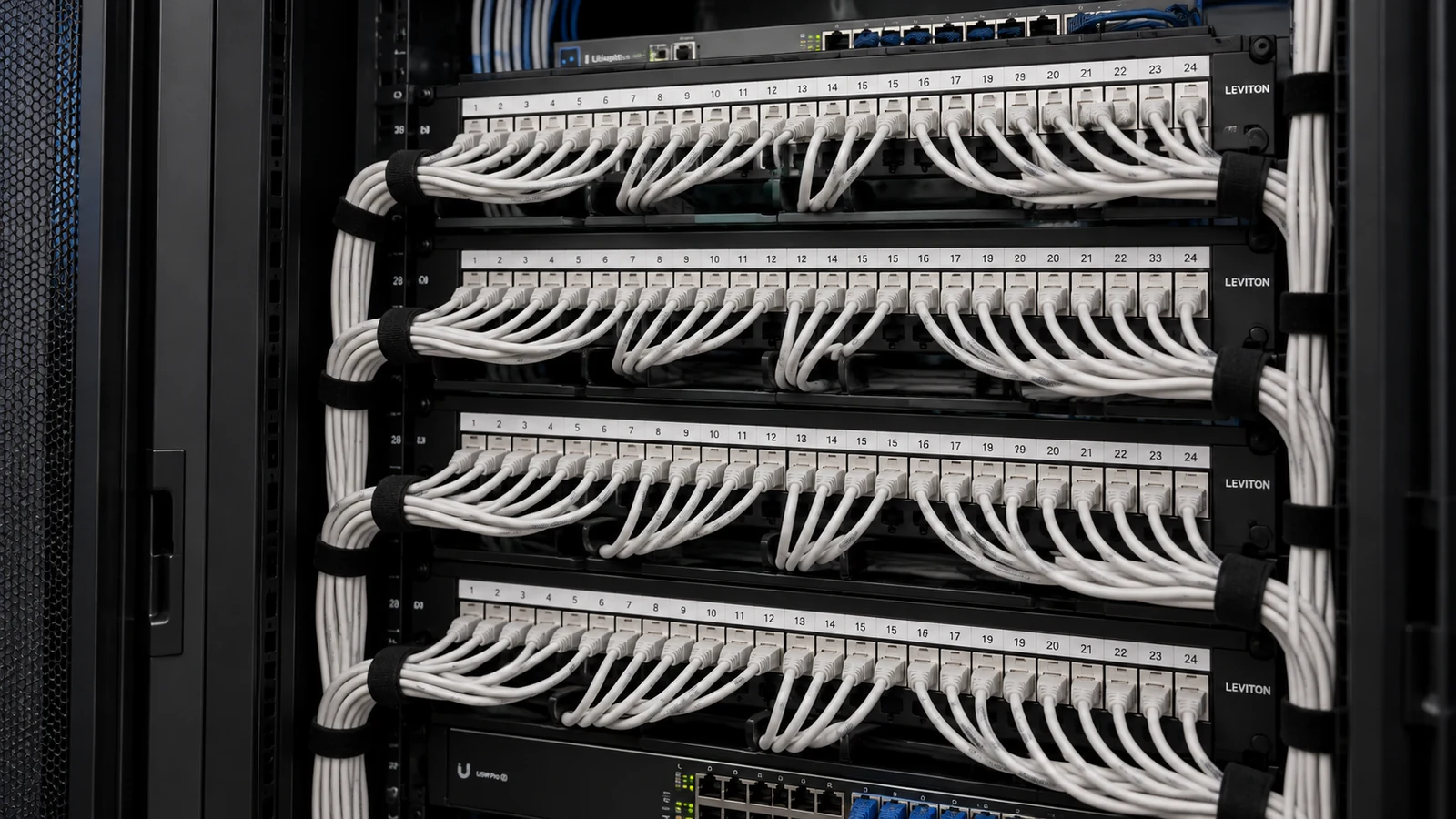
Map device counts, access and uplink ports, speed requirements, redundancy expectations, physical rack positions, and realistic spare capacity by distribution location.
CONNECTED INFRASTRUCTURE FOR BUSINESS SYSTEMS
Commercial network infrastructure connects switches, uplinks, wireless systems, cameras, access control, intercom, work areas, and other operational devices through a planned architecture. Data Pro Communications helps Orlando properties coordinate rack connectivity, PoE capacity, VLAN requirements, device counts, backbone dependencies, and documentation before equipment is placed into service.
The work is infrastructure-focused rather than generic managed IT support. It addresses the physical and logical dependencies that allow connected building systems to communicate reliably, while owner or IT policies continue to control credentials, cybersecurity, applications, endpoints, internet service, and ongoing administration.
PROJECT PLANNING
A network-infrastructure survey can identify switch-port demand, PoE budgets, uplink needs, rack constraints, segmentation decisions, cable readiness, wireless dependencies, and responsibility boundaries before deployment.
SERVICE OVERVIEW
Network infrastructure planning aligns switching, Power over Ethernet, uplinks, rack connectivity, segmentation, device capacity, and records with the systems a property intends to operate. The design should explain where devices connect, how traffic is separated, what power is available, how distribution points communicate, and which decisions belong to the owner, IT provider, internet carrier, or system integrator.
CORE CAPABILITIES
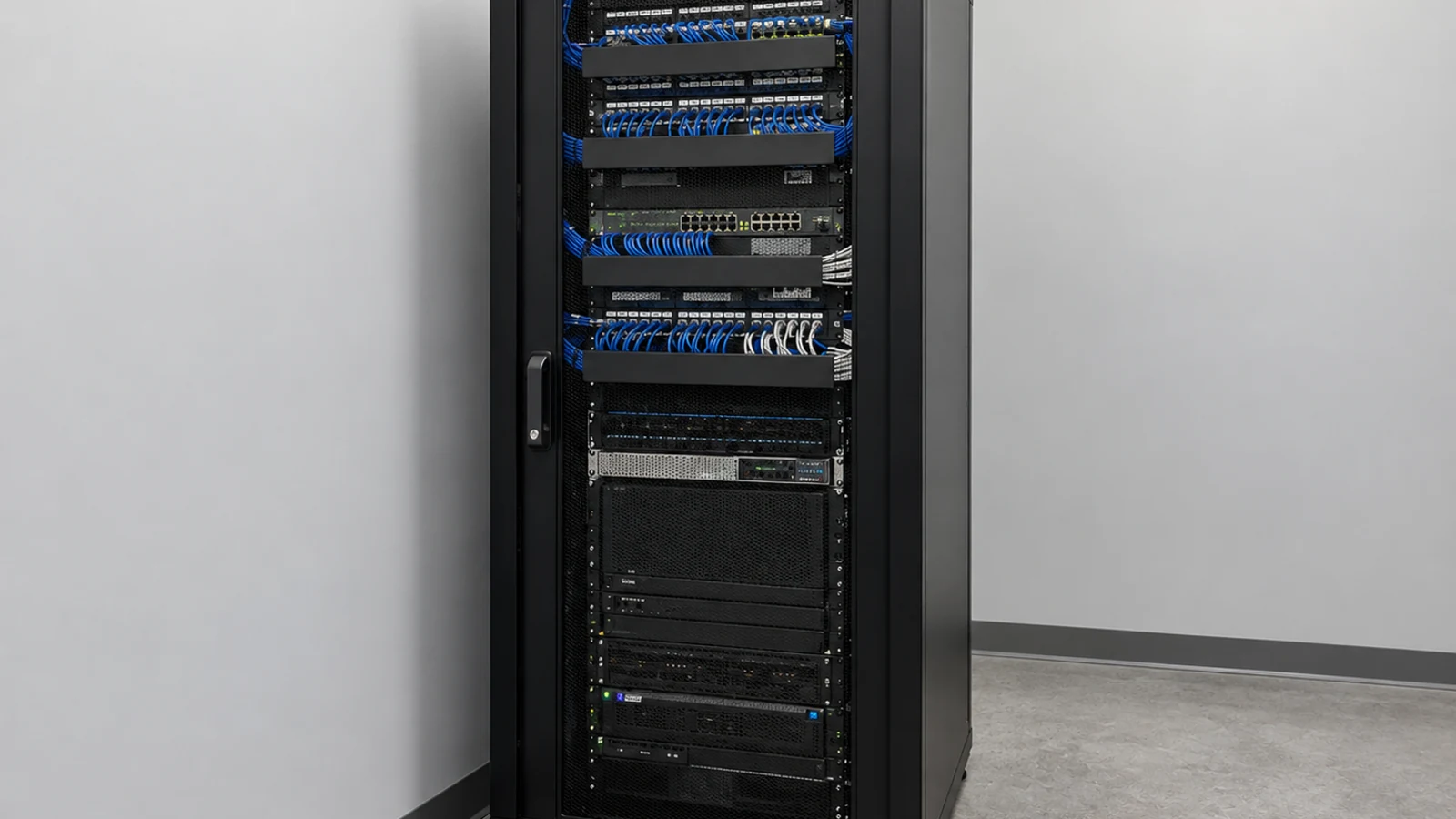
Map device counts, access and uplink ports, speed requirements, redundancy expectations, physical rack positions, and realistic spare capacity by distribution location.
Coordinate per-port and total power budgets for cameras, access points, intercoms, readers, controllers, and other supported devices, including startup and future-load considerations.
Define required network segments, handoff responsibilities, addressing inputs, permitted communications, and owner or IT approvals without representing segmentation alone as a security guarantee.
Review copper or fiber uplinks, distances, interfaces, pathway conditions, distribution-room relationships, bandwidth goals, and single points of dependency.
Coordinate network requirements for cameras, access control, intercom, wireless, audiovisual endpoints, management platforms, and remote-service pathways.
Create device, port, switch, uplink, VLAN, rack, and responsibility records that support commissioning, troubleshooting, planned growth, and later changes.
COMMERCIAL USE CASES
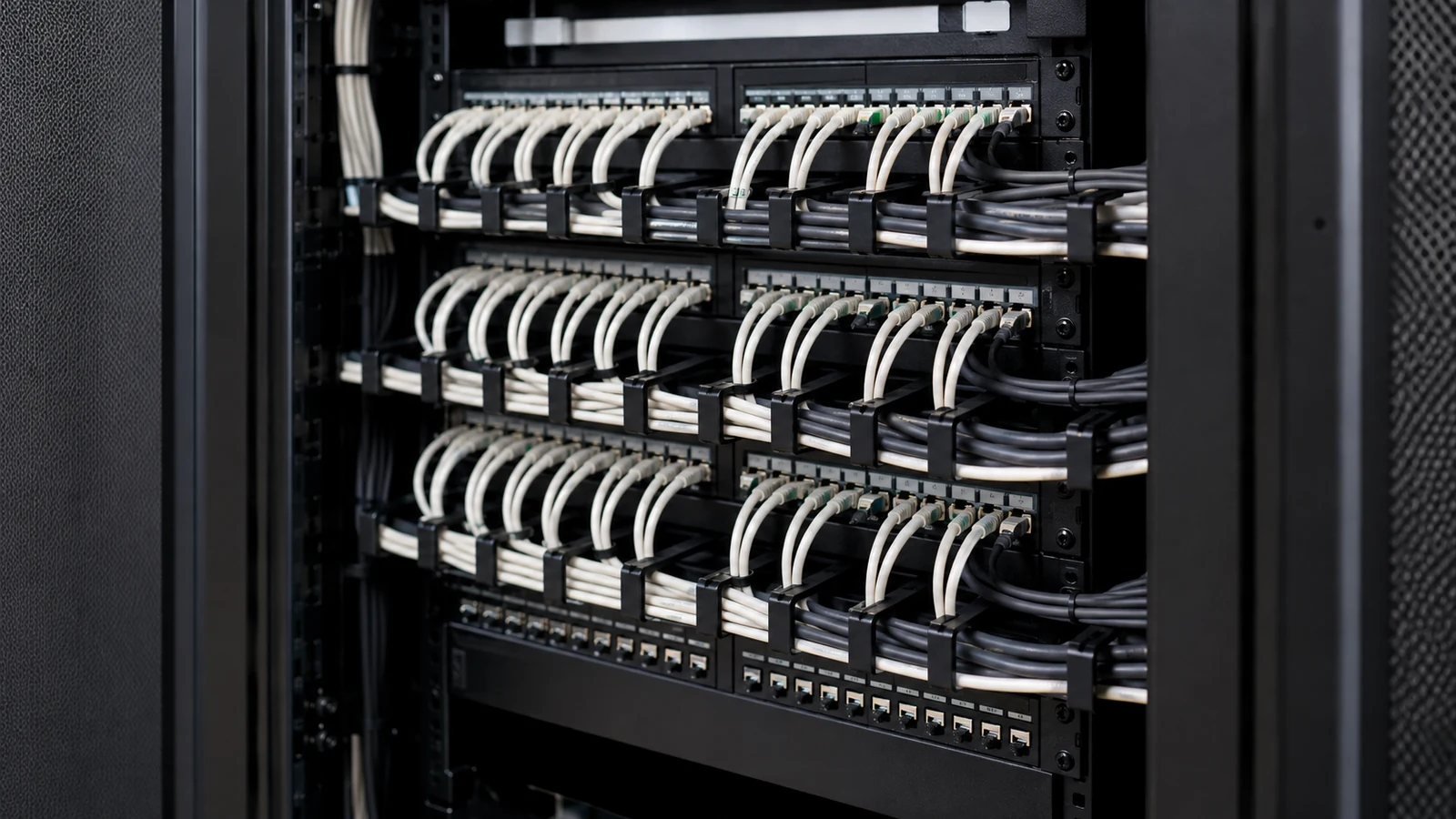
Coordinate front-of-house and back-of-house device groups, wireless dependencies, cameras, access systems, management interfaces, and phased renovation constraints.

Plan switch capacity, conference and wireless connections, tenant or department separation, shared building systems, and telecommunications-room uplinks.
Organize network dependencies for point-of-service environments, cameras, access systems, guest or tenant services, property operations, and management visibility.
Support scanners, workstations, wireless coverage, cameras, gate or door systems, loading areas, long uplinks, and device growth across large footprints.
Coordinate connected low-voltage systems with the property's approved network policies, controlled work windows, documentation needs, and responsible IT stakeholders.
Plan distribution locations, interbuilding links, equipment interfaces, device segments, capacity, and failure dependencies across multiple structures.
TECHNICAL PLANNING
Create a port and PoE budget from actual device schedules before switch selection. Record VLAN, addressing, credential, firewall, and remote-access ownership so commissioning does not stall between vendors.
Final performance depends on structured cabling, fiber or copper uplinks, equipment-room power and environment, carrier service, compatible transceivers, wireless design, approved addressing, and owner-controlled network policies.
Network infrastructure work does not automatically include endpoint support, cloud administration, cybersecurity monitoring, internet-service guarantees, application troubleshooting, or ongoing managed IT. Those responsibilities must be assigned in the project scope.
ORLANDO SERVICE CONTEXT
West Orlando properties often combine guest-facing spaces, offices, retail operations, managed communities, warehouses, and multi-building sites with cameras, access control, wireless, and intercom systems sharing the same physical network environment. Planning around International Drive and Lakehurst should account for occupied operations, multiple vendors, equipment rooms of different ages, long backbone routes, phased upgrades, seasonal access constraints, and the need for a clear handoff to the owner’s IT team.
RELATED SERVICES
The following relationships help buyers distinguish adjacent scopes.
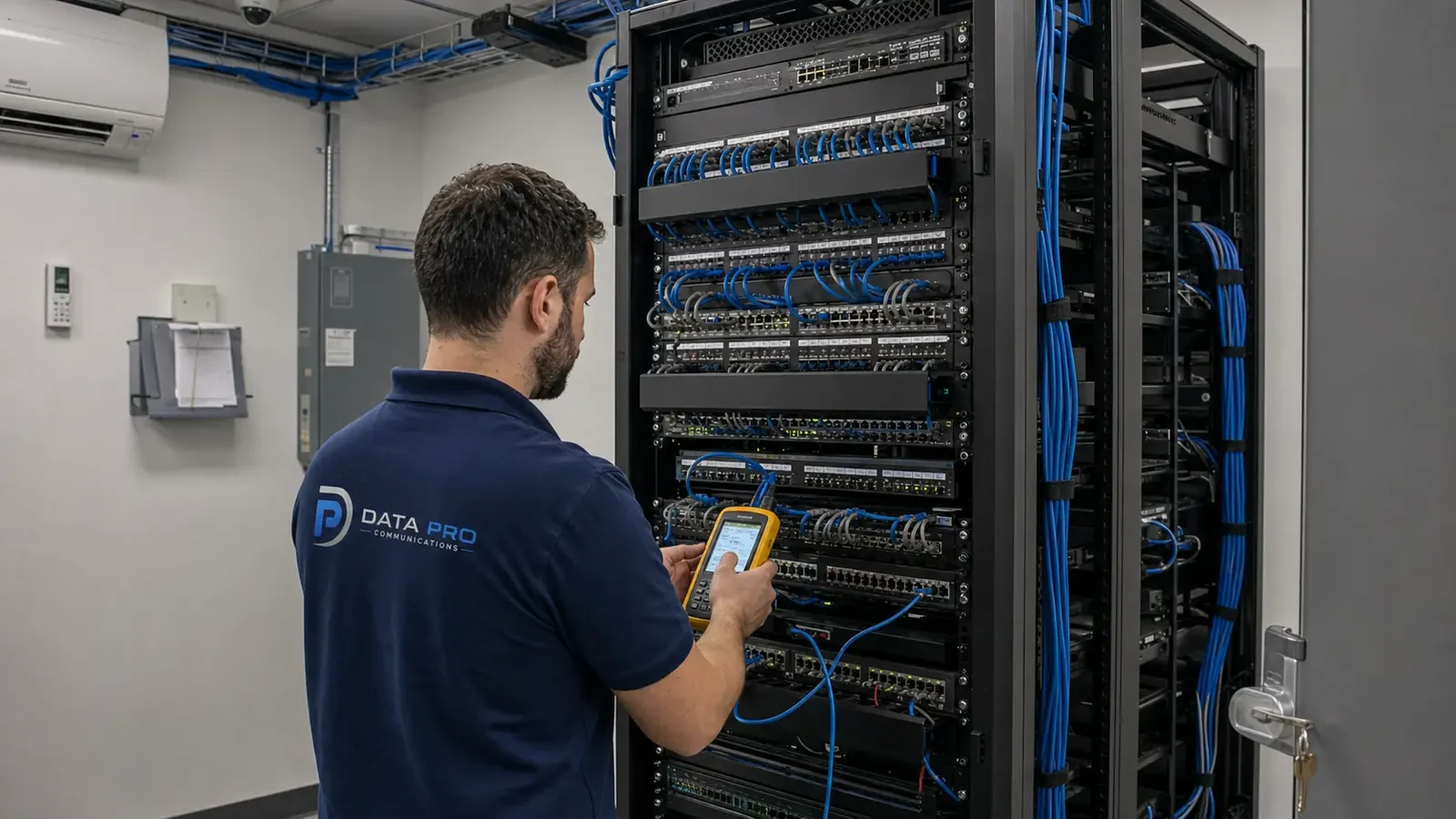
Pathways, racks, patch panels, copper and fiber links, labels, and tests provide the physical layer that network equipment depends on.
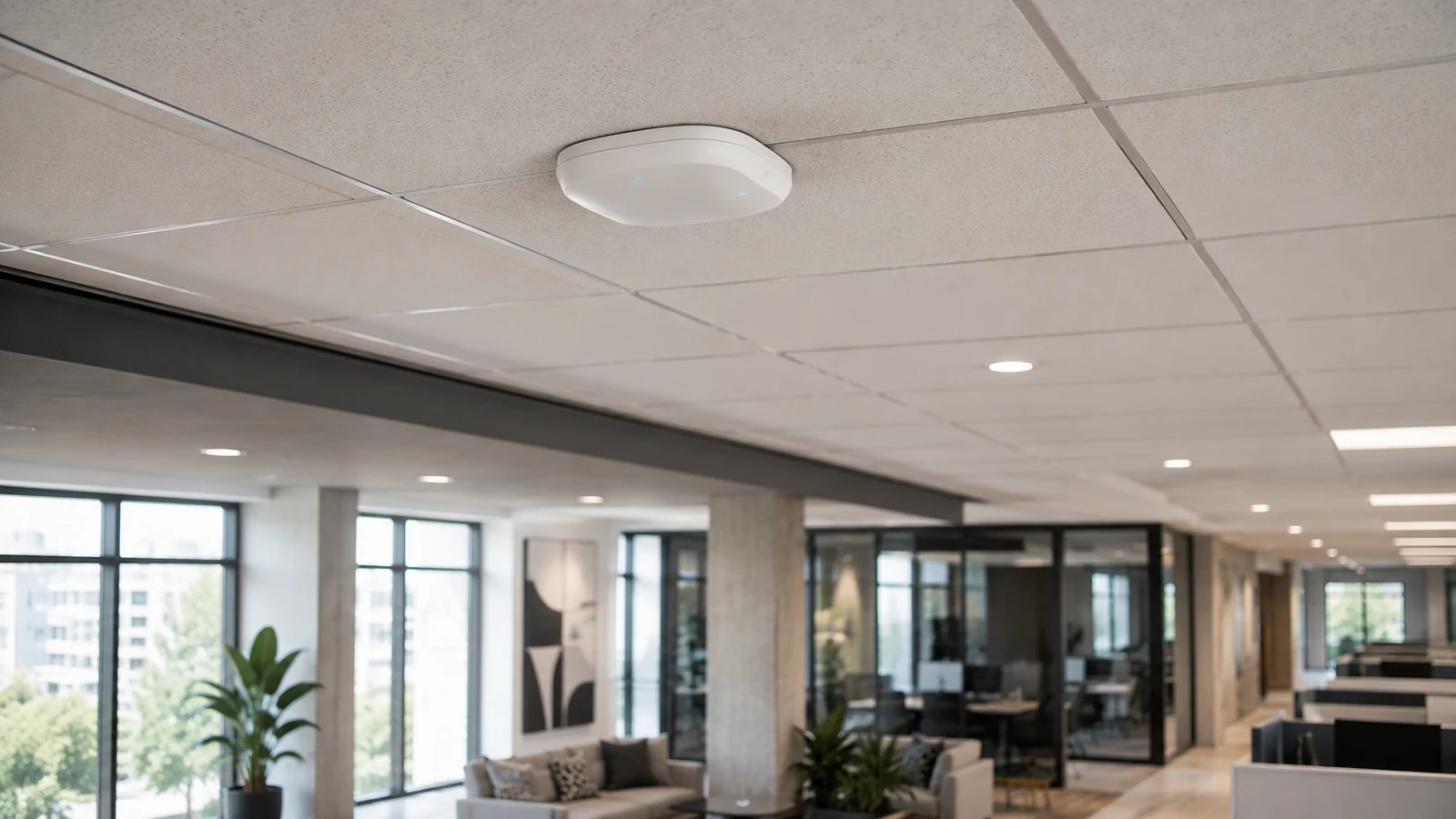
Wireless coverage, access-point placement, channel planning, and roaming are distinct from the switching, PoE, segmentation, and backbone scope of this page.
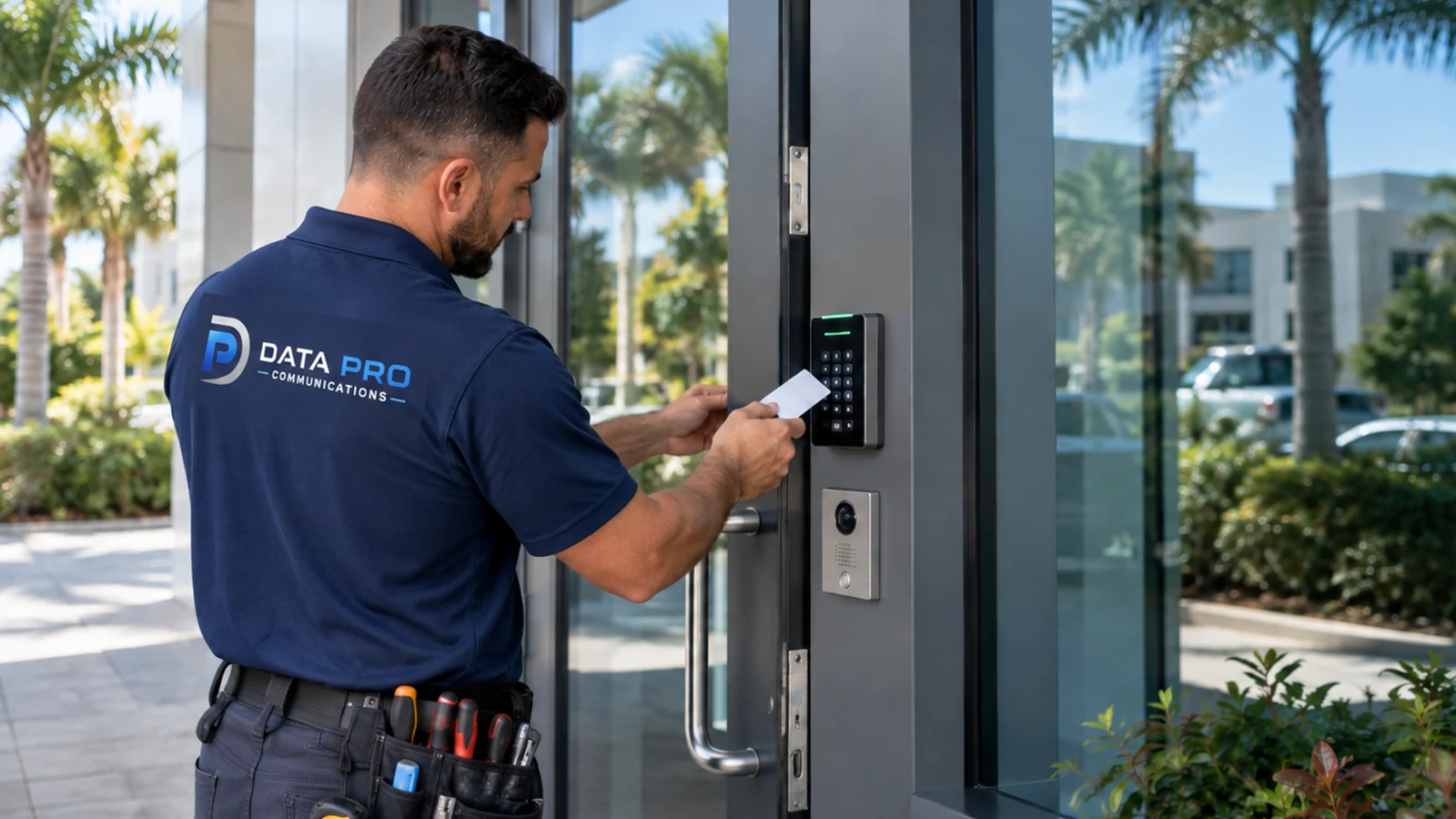
Controllers and management appliances may depend on assigned ports, PoE, segmentation, time services, and approved communications with field devices or software.
INDUSTRIES SERVED
Segmented operational, guest-facing, and connected-system needs.
Documented device ownership and coordinated IT handoffs.
Scalable switching, uplinks, PoE, and multi-zone connectivity.
PROJECT PROCESS
Identify devices, applications, rooms, uplinks, carriers, existing switches, IT policies, vendors, growth plans, and decision owners.
Map switching, ports, PoE loads, uplinks, segments, racks, interfaces, responsibilities, and commissioning prerequisites.
Install or coordinate approved infrastructure, connect documented endpoints, label ports, and work through owner and vendor dependencies.
Verify agreed connectivity, PoE delivery, uplink status, segment placement, device reachability, exceptions, and final port or responsibility records.
LICENSED PROJECT SUPPORT
Data Pro Communications - West Orlando is a regional website of Data Pro Communications. Commercial projects are coordinated through the West Orlando / Lakehurst Branch at 5950 Lakehurst Dr, #234, Orlando, FL 32819; (407) 994-3227; FL License #EC13016138. Project requirements, access, schedule, connected systems, and responsibility boundaries are reviewed before the final scope is established.
FAQ
It is the coordinated switching, uplink, rack, PoE, segmentation, cabling-interface, and documentation layer that connects business and building systems. The exact scope depends on device requirements, owner policies, property layout, and existing equipment.
Structured cabling provides organized pathways, cables, terminations, racks, labels, and tests. Network infrastructure focuses on active connectivity and architecture, including switching, PoE, uplinks, segmentation, device capacity, and network handoffs.
A PoE budget is the amount of power a switch can deliver across its powered ports. Planning compares device power requirements, startup behavior, switch capacity, port allocation, and future additions so connected equipment is not assumed to fit by port count alone.
VLANs can separate device groups and support traffic and policy management. Their use, addressing, routing, firewall rules, and permitted communications must be approved by the responsible IT team; a VLAN by itself does not guarantee security.
Existing switches may be reusable when their port speeds, PoE capacity, uplink interfaces, software support, rack condition, configuration ownership, and device requirements are suitable. A review is needed before reuse is committed.
Not automatically. This service is centered on the infrastructure required for connected systems. Help-desk support, endpoint management, cloud administration, monitoring, backups, and broader IT operations require a separately defined service.
The project should document device counts, port assignments, power needs, IP and VLAN inputs, management-system locations, bandwidth considerations, time services, remote-access responsibilities, and the parties authorized to make network changes.
Fiber may be appropriate for longer distances, building-to-building connections, higher bandwidth, pathway or interference conditions, or electrical isolation needs. Media, strand count, optics, pathway, termination, and testing are selected from project conditions.
Yes, when the cutover plan identifies dependencies, temporary connections, maintenance windows, rollback decisions, owner approvals, and which devices or areas move during each phase.
Helpful inputs include device schedules, floor plans, rack and switch inventories, port use, PoE requirements, uplink details, internet and IT contacts, VLAN or addressing standards, known issues, wireless plans, and future growth expectations.
Tell us about your property, connected systems, device counts, racks, uplinks, PoE needs, IT requirements, and deployment schedule. The Lakehurst team can review the dependencies and define an appropriate survey and coordination path.