
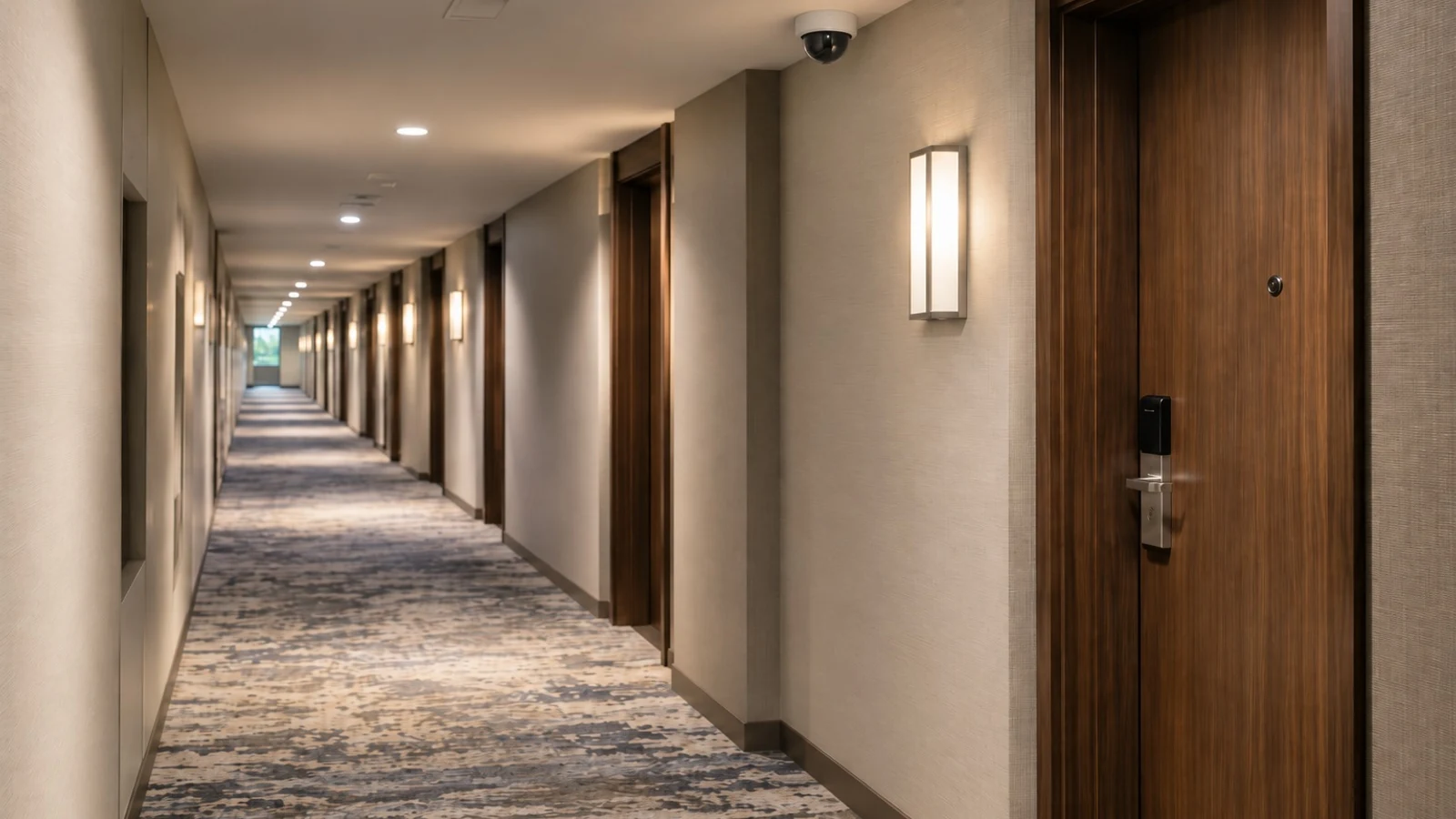
Resort arrival approaches Coverage Planning
The survey treats resort arrival approaches as a distinct scene, with the detail, lighting and response role defined before a device is selected.
SECURITY CAMERA INSTALLATION FOR RESORT-AREA COMMERCIAL OPERATIONS
Data Pro Communications plans and installs commercial security camera systems for resorts, hotels, restaurants, retail complexes, parking operations, support buildings and employee service areas in Lake Buena Vista. The work begins with the views, operating routines and infrastructure the property actually needs.
The site survey connects camera purpose to lighting, mounting height, cabling, PoE, recording, authorized access and maintenance. Build the survey around guest, employee, vendor and emergency routes as separate operating workflows. Coordinate device addressing, network segments and recording ownership across buildings before phased activation.
The survey treats resort arrival approaches as a distinct scene, with the detail, lighting and response role defined before a device is selected.
Device addressing, recording and monitoring must be assigned across guest, operations, employee and support-building networks.
Work zones should protect guest arrivals, shuttle movement, retail hours, employee access and overnight property services.
Guest areas, parking, service buildings and employee facilities may rely on different telecom rooms and long property pathways, with labels and test records retained for future service.
Data Pro Communications provides the accepted camera and low-voltage scope under FL License #EC13016138, with property policy and system use remaining with the customer.
SERVICE OVERVIEW
Lake Buena Vista includes resorts, hotels, restaurants, retail complexes, parking operations, support buildings and employee service areas. A useful system plan separates public arrival, staff access, vendor movement, parking, service areas and technology ownership so each camera has a defined purpose and an accountable user.
Lake Buena Vista projects in this page are framed around resorts, hotels, restaurants, visitor-facing retail, parking operations and guest-service properties. Planning follows guest arrivals, dining and retail traffic, staff circulation, shuttle movement and service deliveries across long operating days, then resolves camera purpose, entry workflow, pathway, network ownership and acceptance testing for the people who operate the property.
PROJECT DETAILS
Activity around resort arrival approaches varies with round-the-clock occupancy. Survey and acceptance testing should occur during representative operating periods so the final view matches actual lighting, movement and staff response.
Guest and staff route separation requires clear separation of separate resort arrivals, retail entries, employee access and receiving routes, including who responds at each opening and who may review the related video.
Large parking fields affects camera distance, obstruction and context around parking and shuttle areas; one wide overview should not be expected to provide every required detail.
Access and work sequencing must account for vendor screening and deliveries. Work zones should protect guest arrivals, shuttle movement, retail hours, employee access and overnight property services.
Multiple buildings and telecom rooms makes network responsibility part of the design: device addressing, recording and monitoring must be assigned across guest, operations, employee and support-building networks.
Strict work-window coordination should be recorded with field conditions, the responsible decision-maker and the test used to accept work around distributed support buildings.
CORE CAPABILITIES
Use separate camera purposes for resort arrival approaches and parking and shuttle areas, including the distance, lighting and response context each view must provide.
Size recording and user roles around activity at retail and dining entrances, expected retention and the team authorized to search or export video.
Build serviceable cabling for employee access points and loading and receiving areas; guest areas, parking, service buildings and employee facilities may rely on different telecom rooms and long property pathways.
Coordinate switching, PoE, uplinks and accounts because device addressing, recording and monitoring must be assigned across guest, operations, employee and support-building networks.
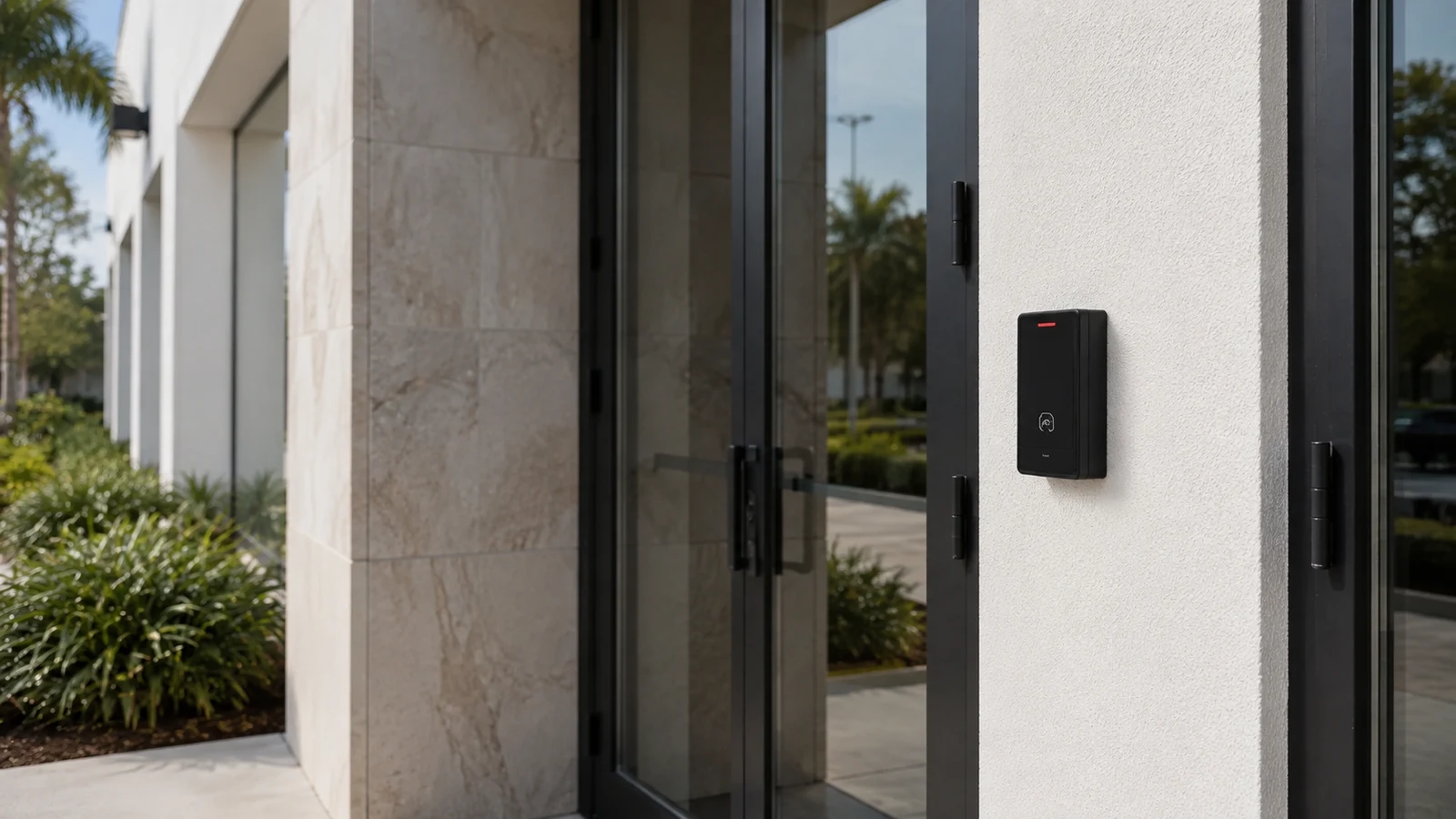
Apply access control only to approved doors or gates within separate resort arrivals, retail entries, employee access and receiving routes, with schedules and administrative ownership defined.
Evaluate existing devices and pathways against resort arrival, parking, shuttle and receiving conditions; accepted reuse, replacement and unresolved conditions belong in the scope.
COMMERCIAL USE CASES
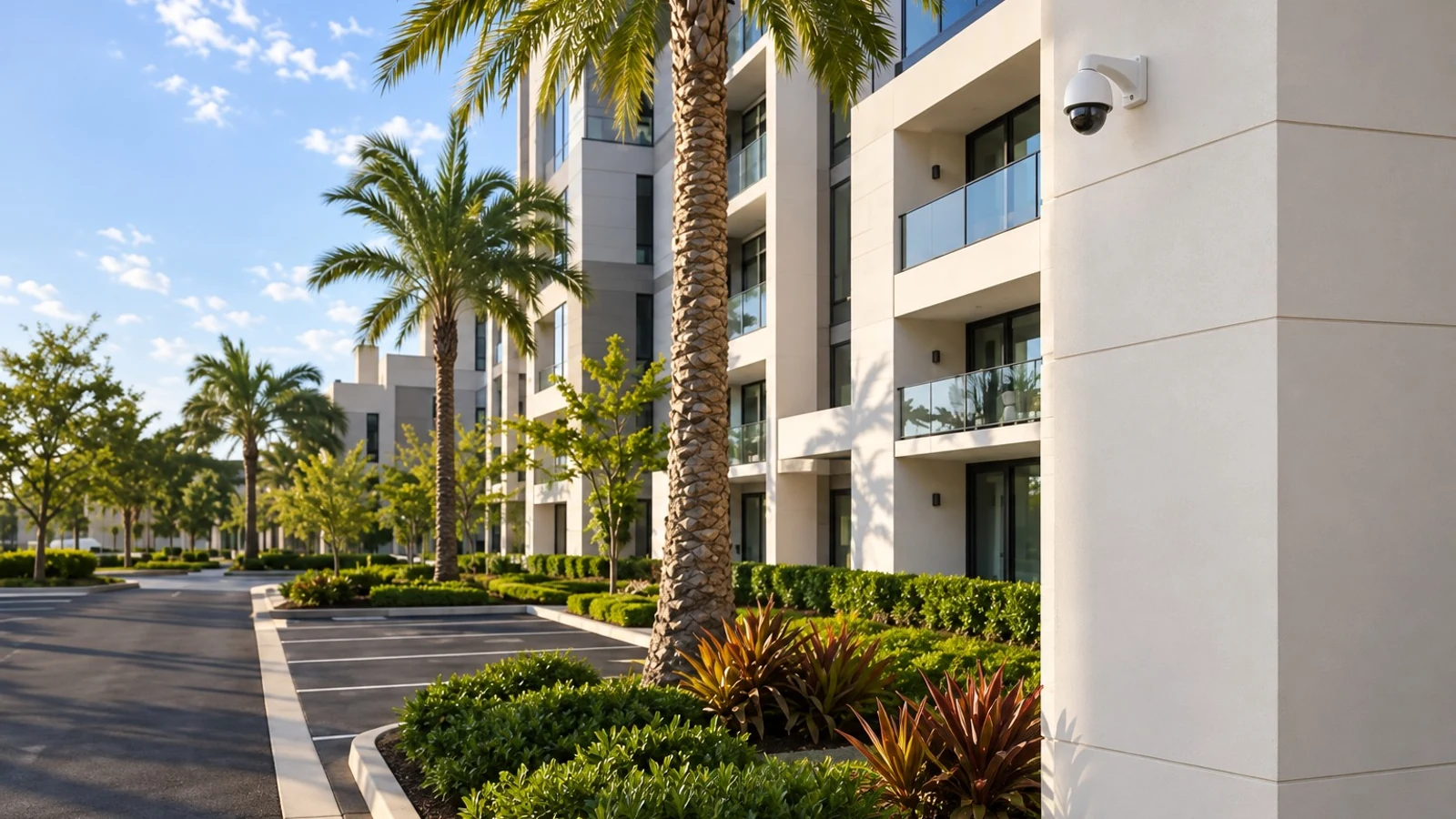
At resort arrival approaches, choose a view that supports the responsible team during resort arrival, parking, shuttle and receiving conditions without relying on unrelated background coverage.
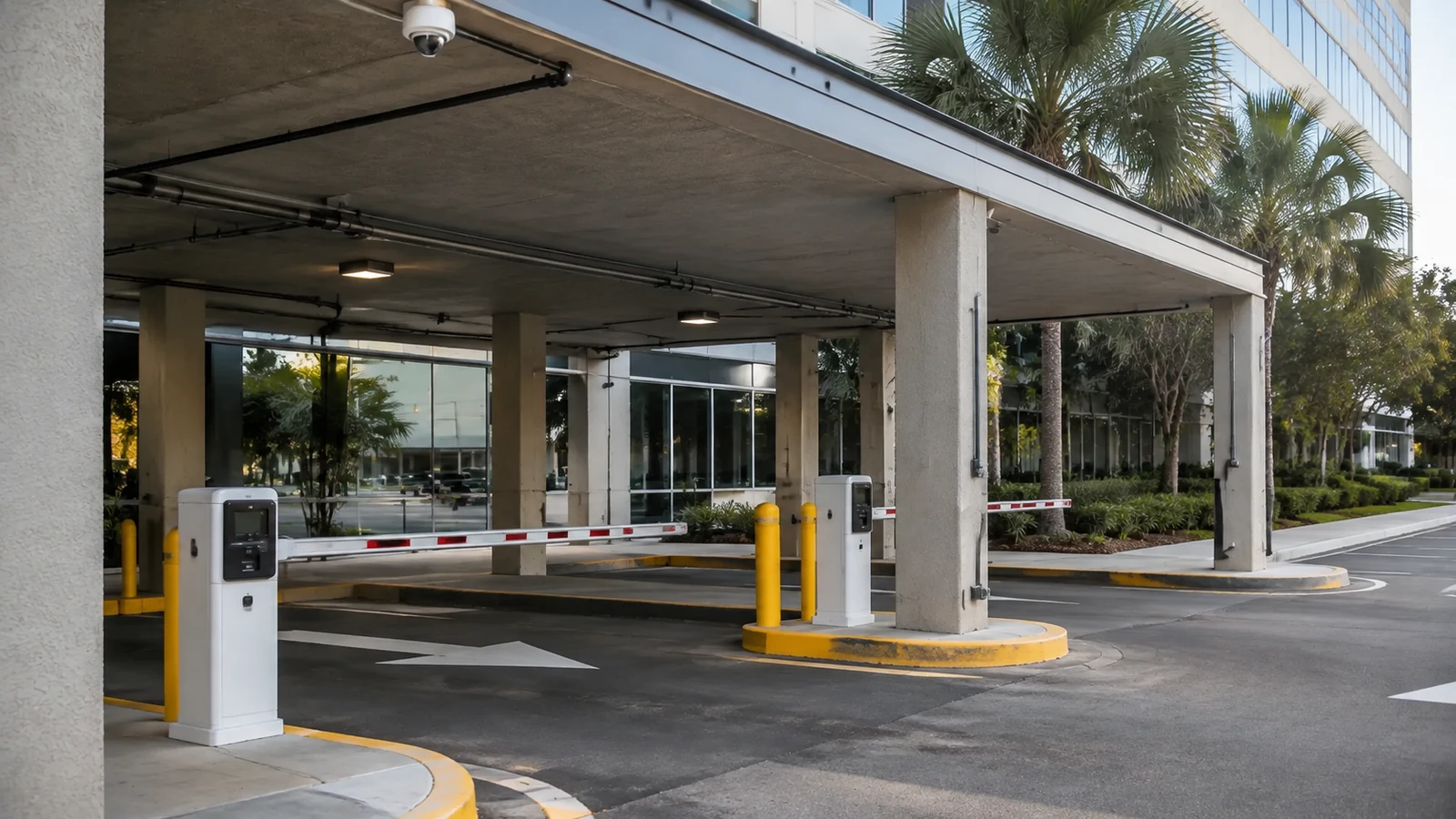
For parking and shuttle areas, separate broad situational context from the closer detail needed at entrances, lanes or pedestrian transitions.
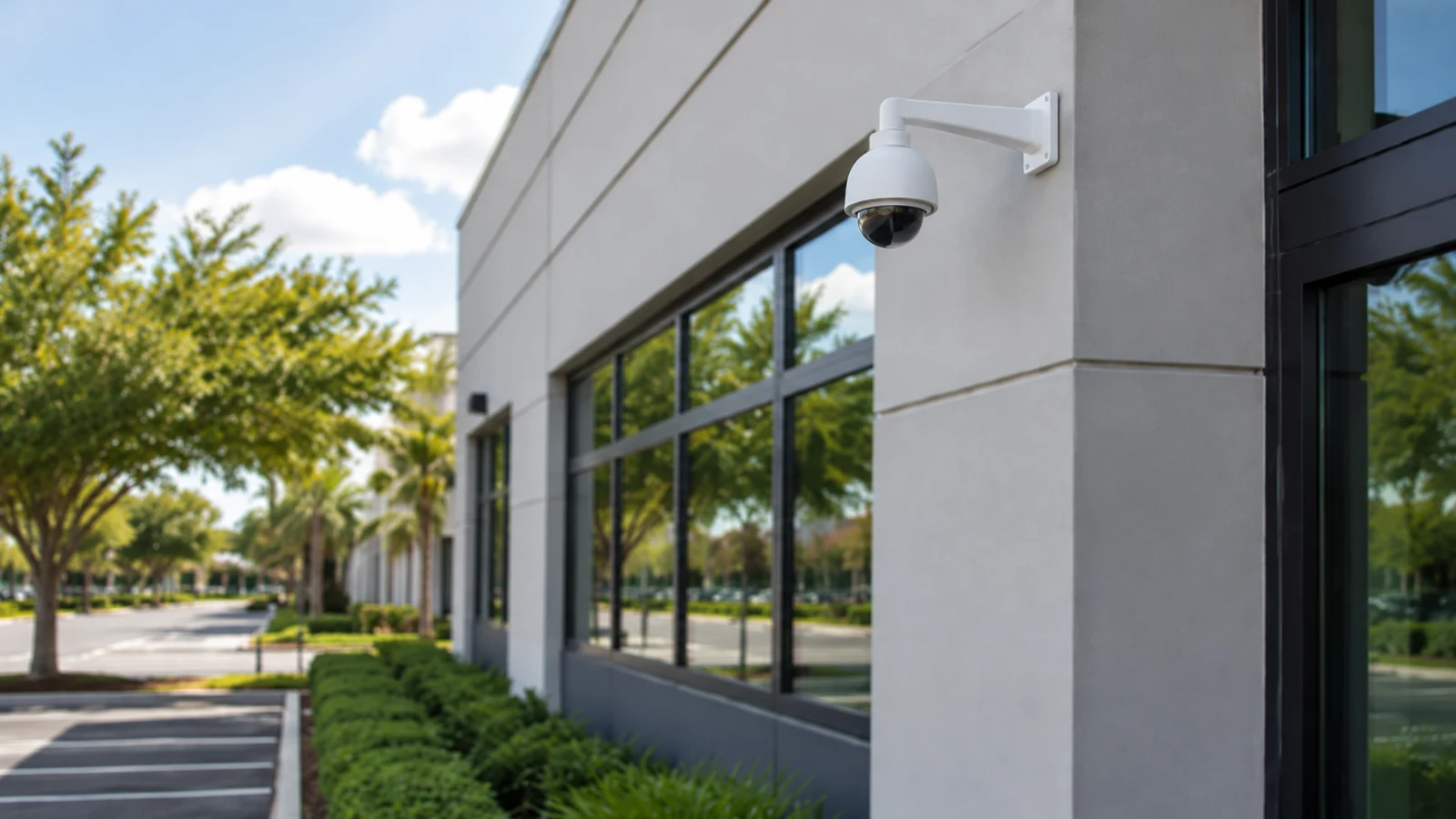
Coverage around retail and dining entrances should follow separate resort arrivals, retail entries, employee access and receiving routes and identify which staff or management role responds.
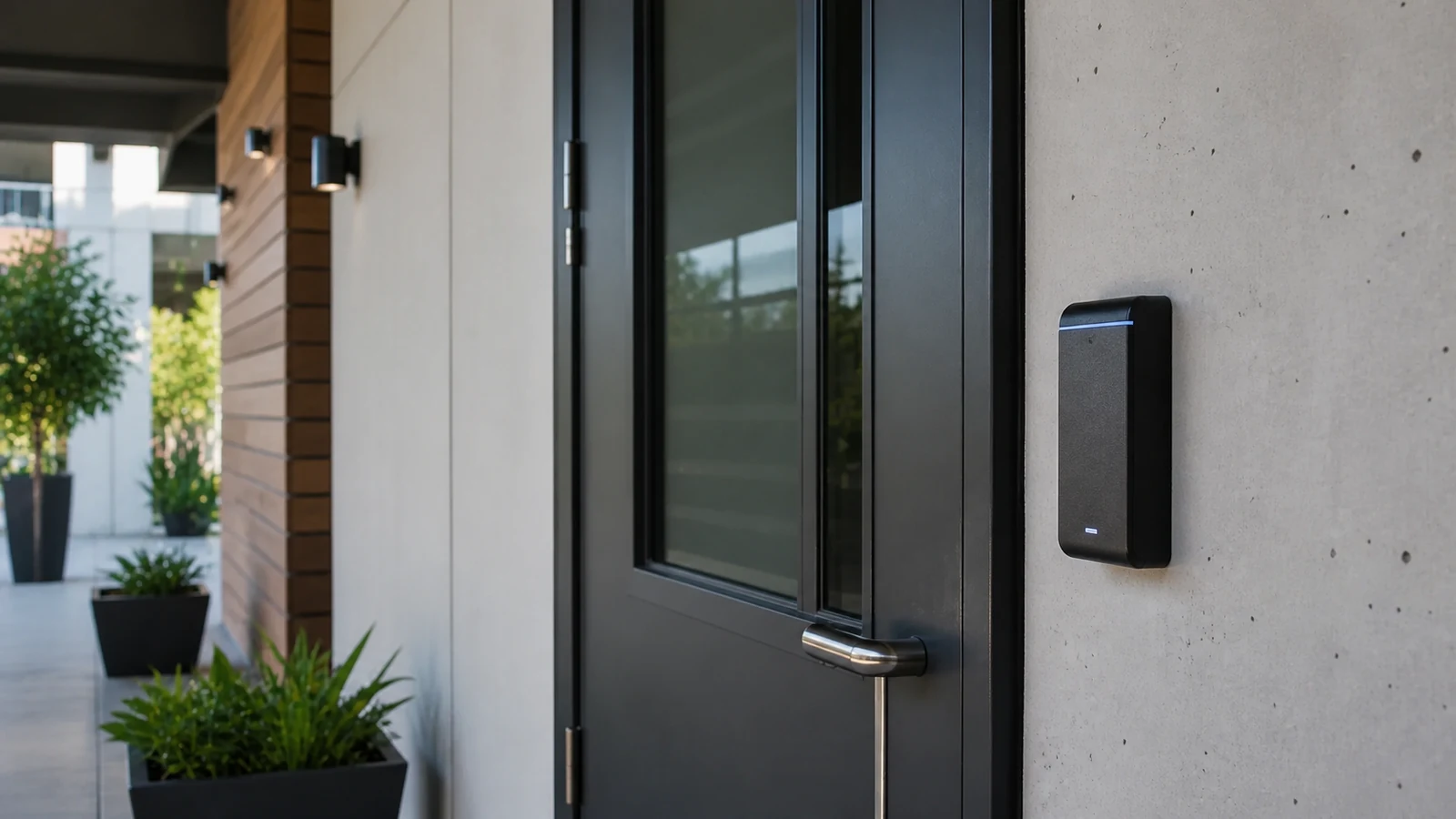
Plan employee access points around work zones should protect guest arrivals, shuttle movement, retail hours, employee access and overnight property services, including temporary conditions and the point at which each phase is accepted.
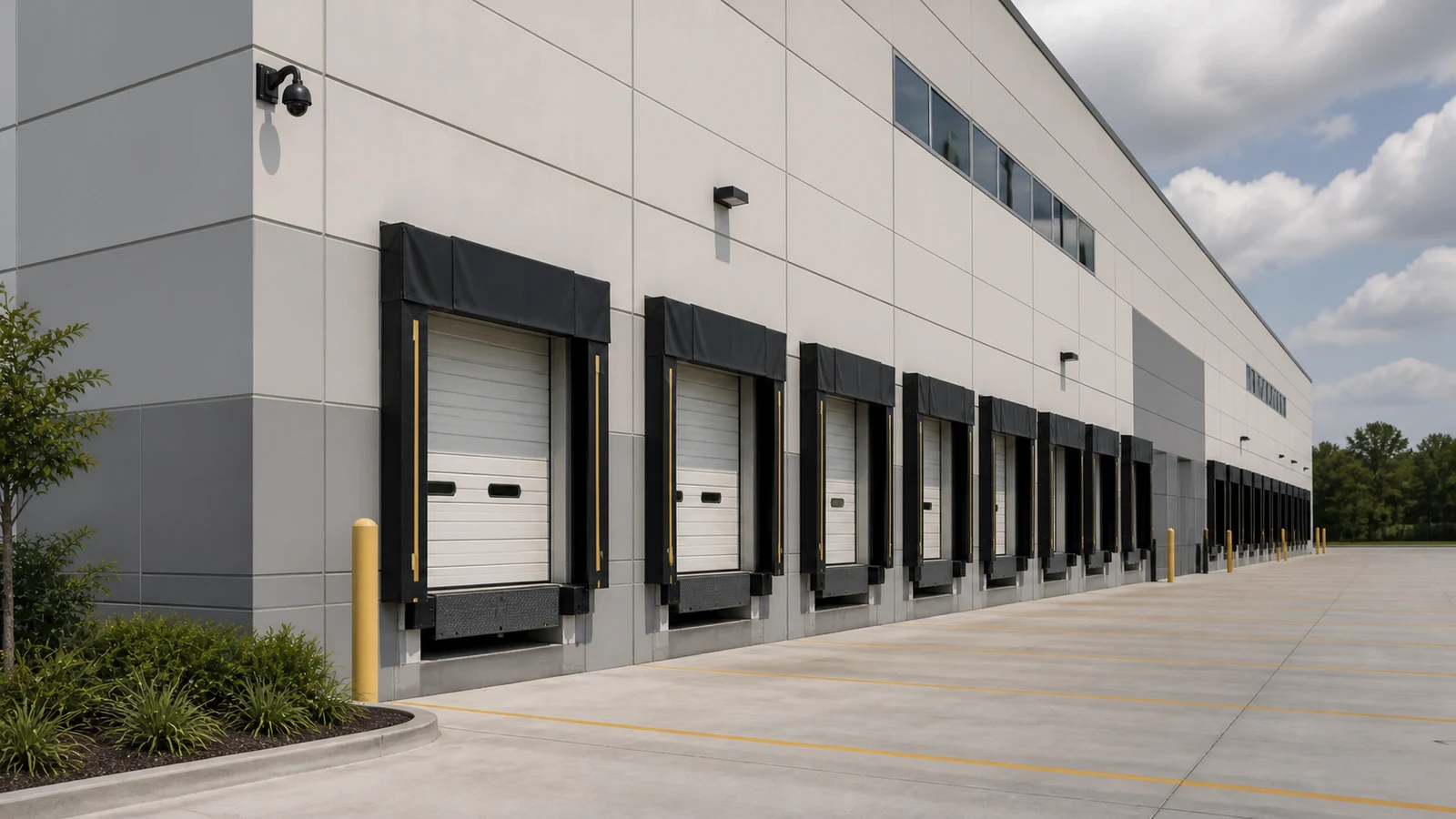
Infrastructure for loading and receiving areas should reflect that guest areas, parking, service buildings and employee facilities may rely on different telecom rooms and long property pathways, with power and network responsibility recorded.
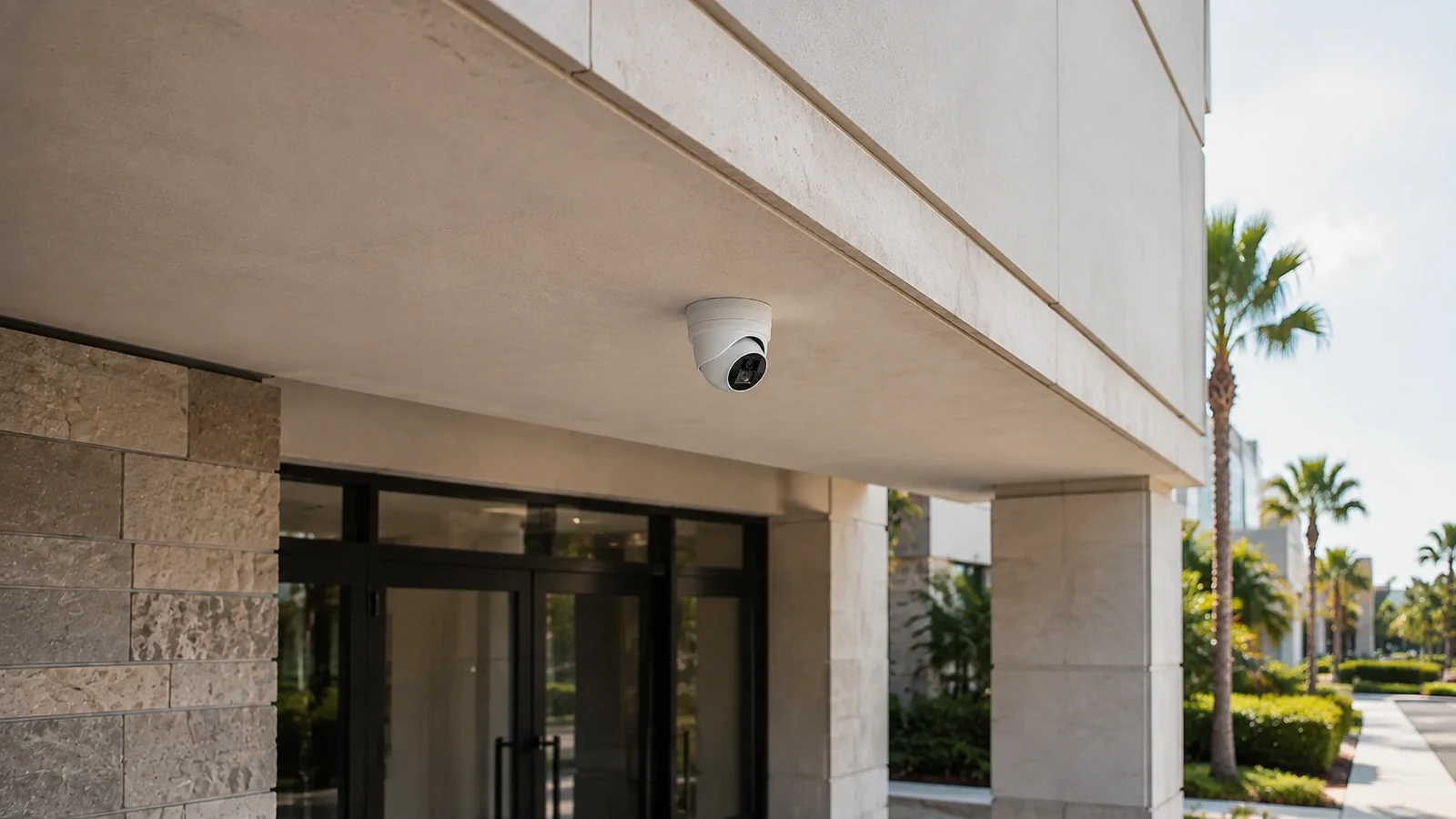
At distributed support buildings, verify distributed resort-support buildings and parking areas often need a documented fiber backbone and synchronized recording infrastructure; document the accepted link, labels, equipment boundary and maintenance access.
TECHNICAL PLANNING
Begin with guest arrivals, dining and retail traffic, staff circulation, shuttle movement and service deliveries across long operating days. The survey then assigns the necessary detail, distance and lens to each point in resort arrivals, restaurant and retail doors, guest parking, employee access and receiving entrances.
Distributed Resort and Support-Building Infrastructure
Infrastructure planning must address that guest areas, parking, restaurants and service entrances may use different telecom rooms, so pathways and device addressing must support phased work without disrupting visitor-facing operations.
Guest, Operations and Support-System Networks
Network responsibility is explicit: guest-facing, staff and property-operations networks require documented separation, recording ownership and coordinated activation across buildings.
Installation sequencing should organize work around guest arrival peaks, restaurant service, retail hours, shuttle movement and approved overnight windows.
Acceptance testing should recreate guest arrivals, dining and retail traffic, staff circulation, shuttle movement and service deliveries across long operating days and record the view, recording path, connected function and known exception.
CONNECTED SYSTEMS
Align authorized door or gate events with nearby video where supported, using separate resort arrivals, retail entries, employee access and receiving routes as the operating boundary.
Route service, employee and visitor calls according to each building's staffed response plan; document release authority and fallback before integration is included.
Coordinate time, device status, alerts and accounts because device addressing, recording and monitoring must be assigned across guest, operations, employee and support-building networks.
Assign responsibility for cameras, doors or gates, networks, credentials, recording, property policy and ongoing service across resort-area hospitality, retail and support operations.
ORLANDO SERVICE CONTEXT
Build the survey around guest, employee, vendor and emergency routes as separate operating workflows.
Coordinate device addressing, network segments and recording ownership across buildings before phased activation.
Guest areas, parking, restaurants and service entrances may use different telecom rooms, so pathways and device addressing must support phased work without disrupting visitor-facing operations. Guest-facing, staff and property-operations networks require documented separation, recording ownership and coordinated activation across buildings. Final testing should reflect guest arrivals, dining and retail traffic, staff circulation, shuttle movement and service deliveries across long operating days.
RELATED SERVICES
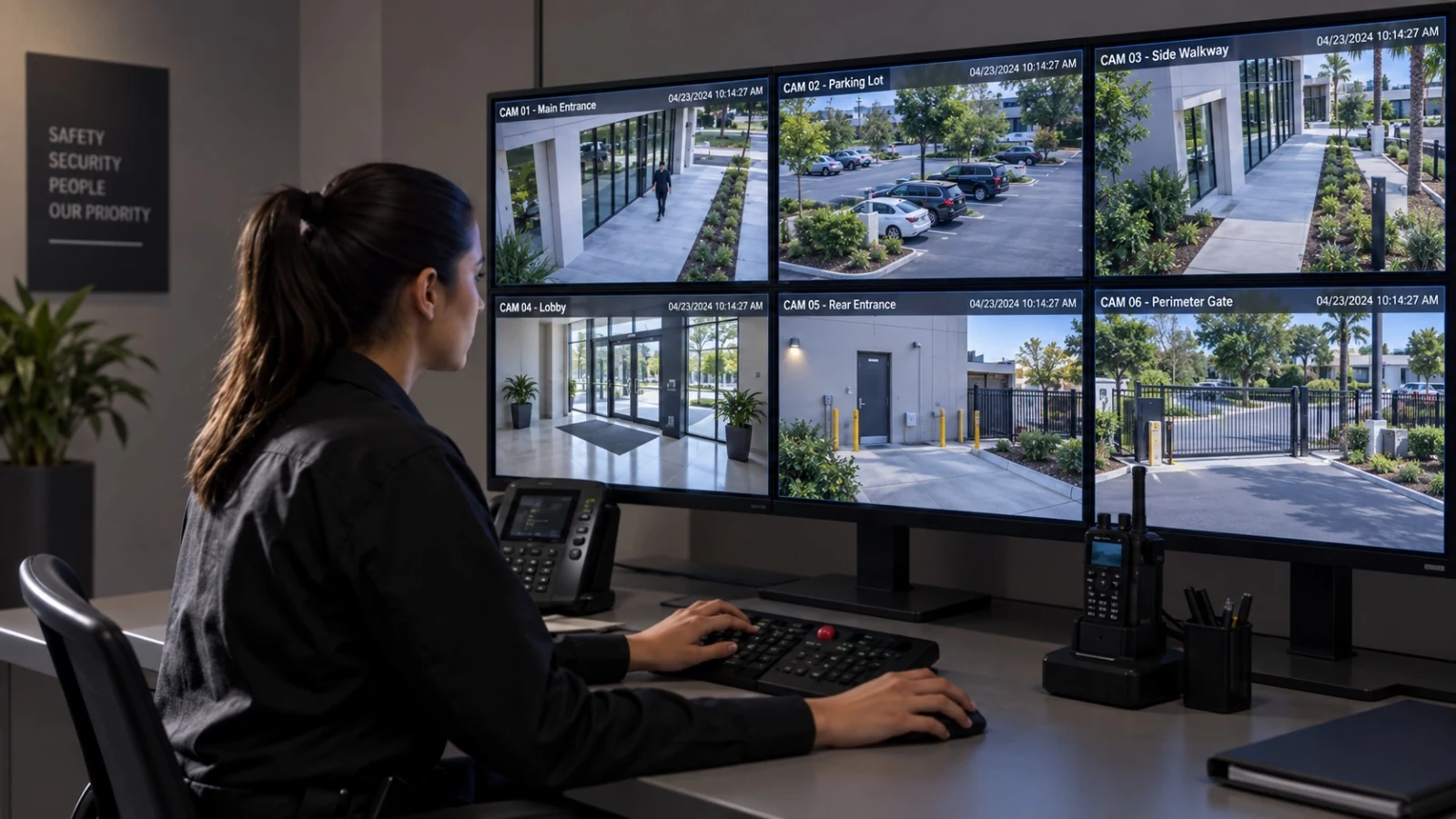
Camera planning assigns a purpose to views at resort arrivals, restaurant and retail doors, guest parking, employee access and receiving entrances instead of relying on one broad scene to serve unrelated operations.
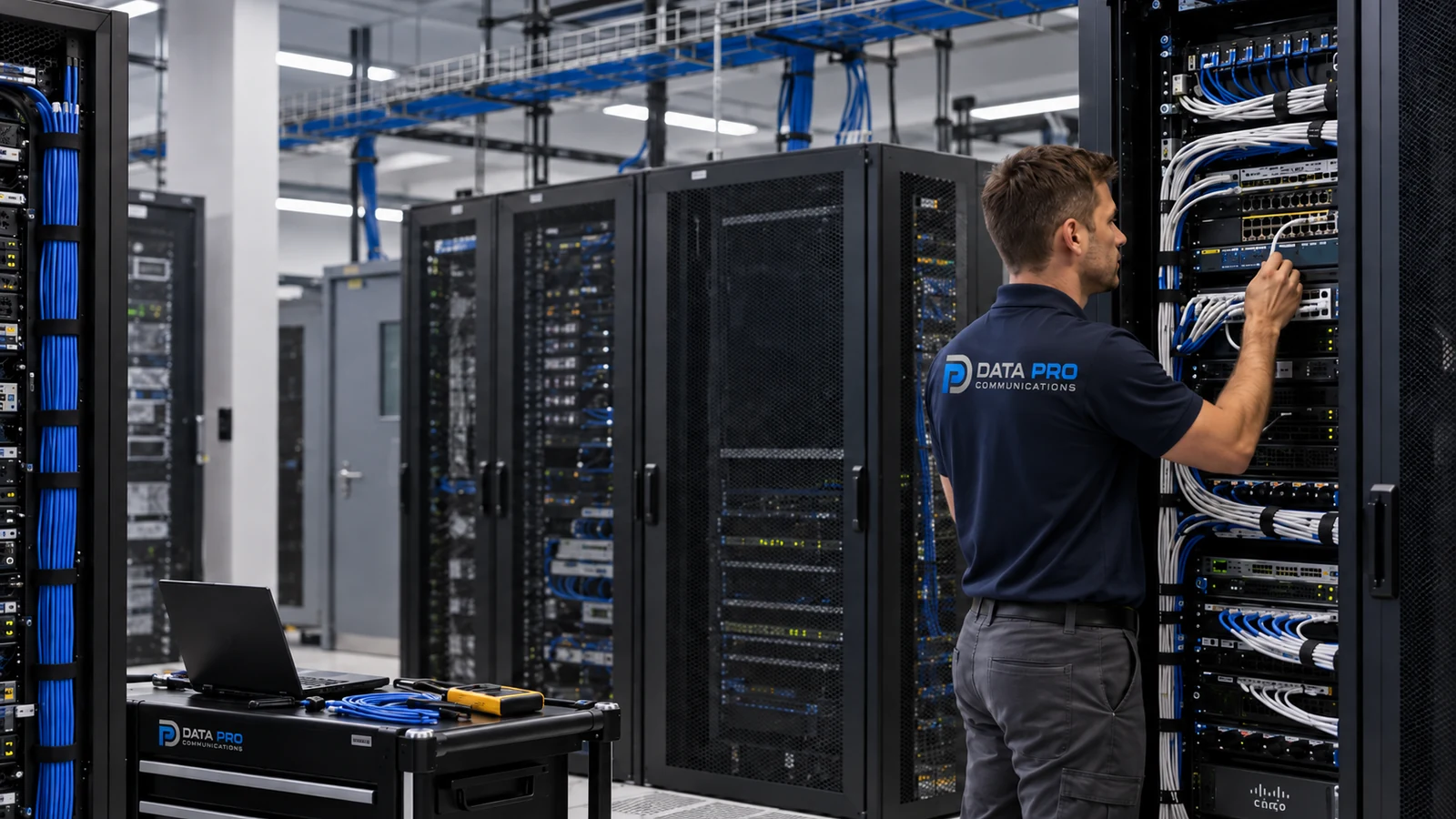
Structured Cabling
For structured cabling, the controlling condition is clear: Guest areas, parking, restaurants and service entrances may use different telecom rooms, so pathways and device addressing must support phased work without disrupting visitor-facing operations. Routes must remain serviceable after each occupied-area phase.
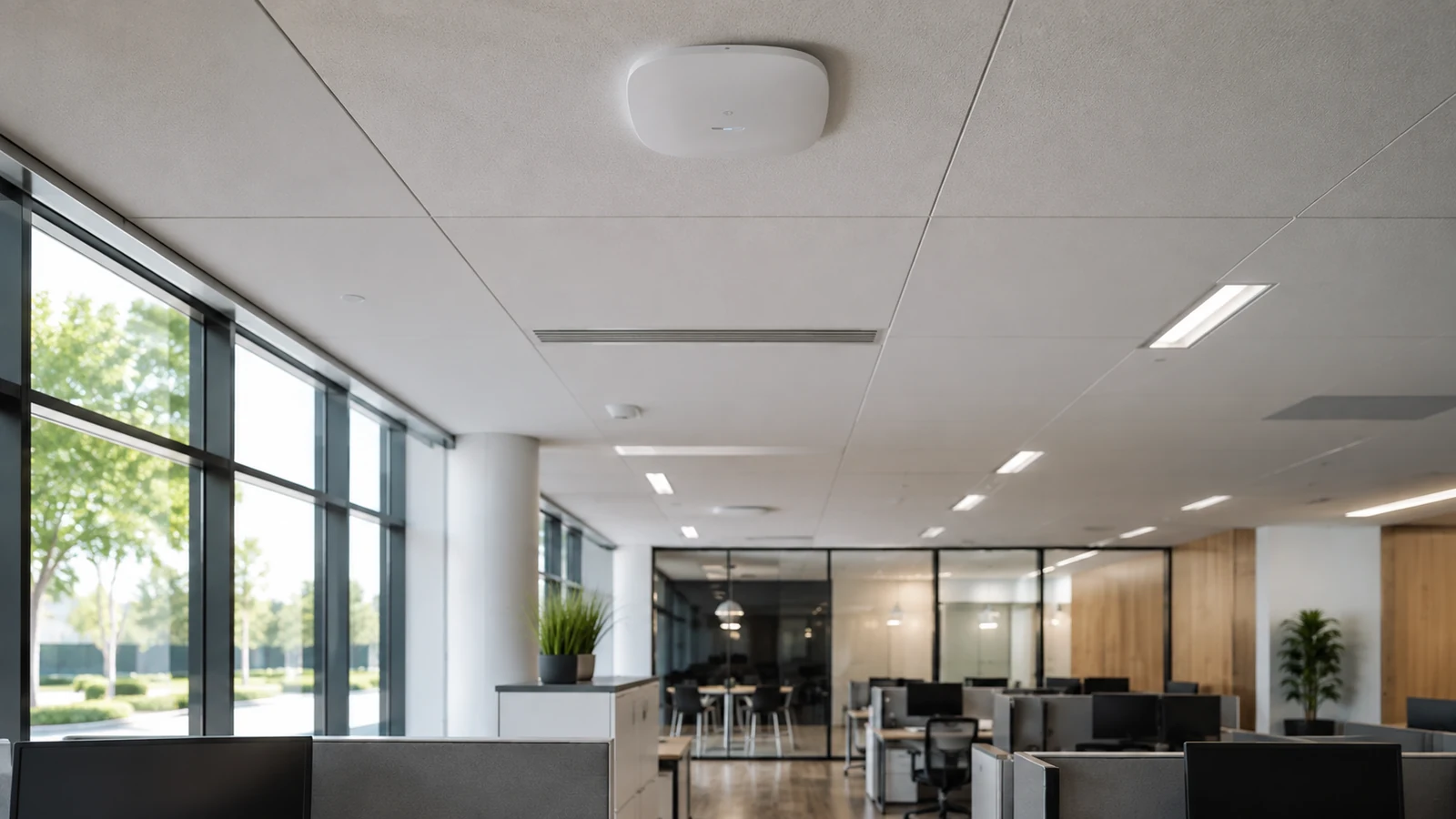
Network Infrastructure
Network infrastructure is scoped around this ownership model: guest-facing, staff and property-operations networks require documented separation, recording ownership and coordinated activation across buildings.
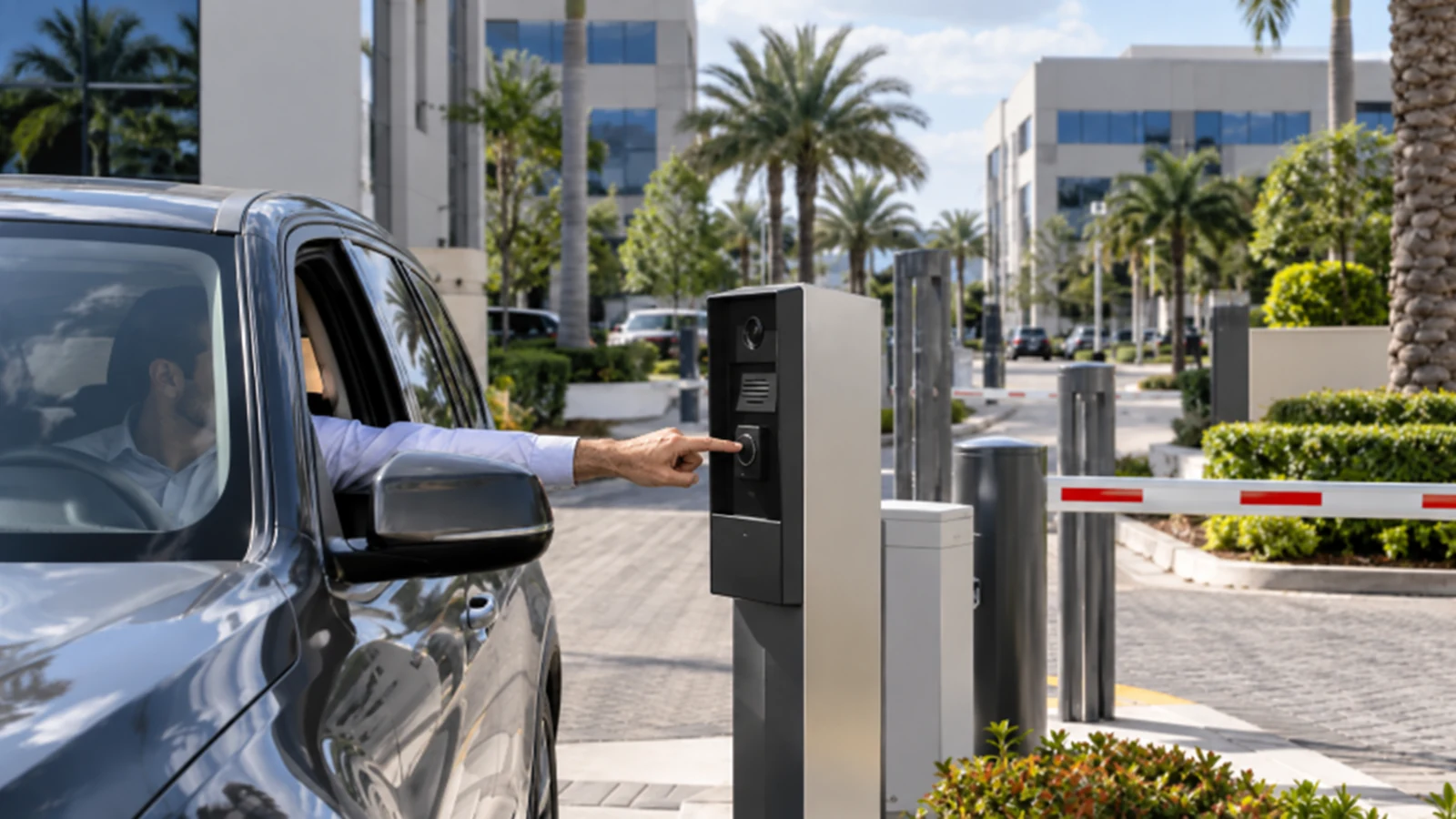
Access control is relevant where approved users, schedules and release authority must be managed across resort arrivals, restaurant and retail doors, guest parking, employee access and receiving entrances.
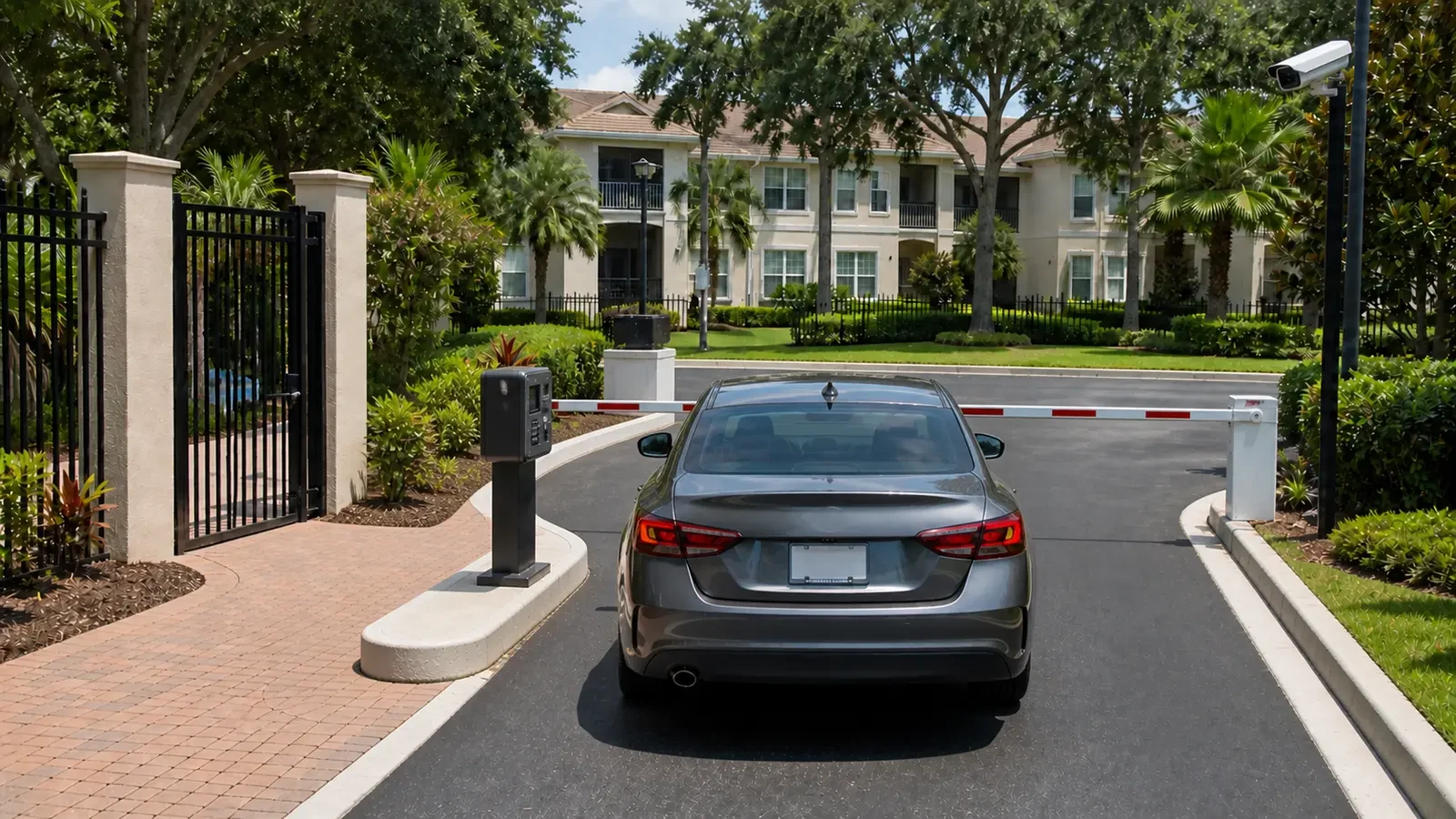
Intercom planning follows the staffed response for guest arrivals, dining and retail traffic, staff circulation, shuttle movement and service deliveries across long operating days; call routing and fallback are documented before activation.
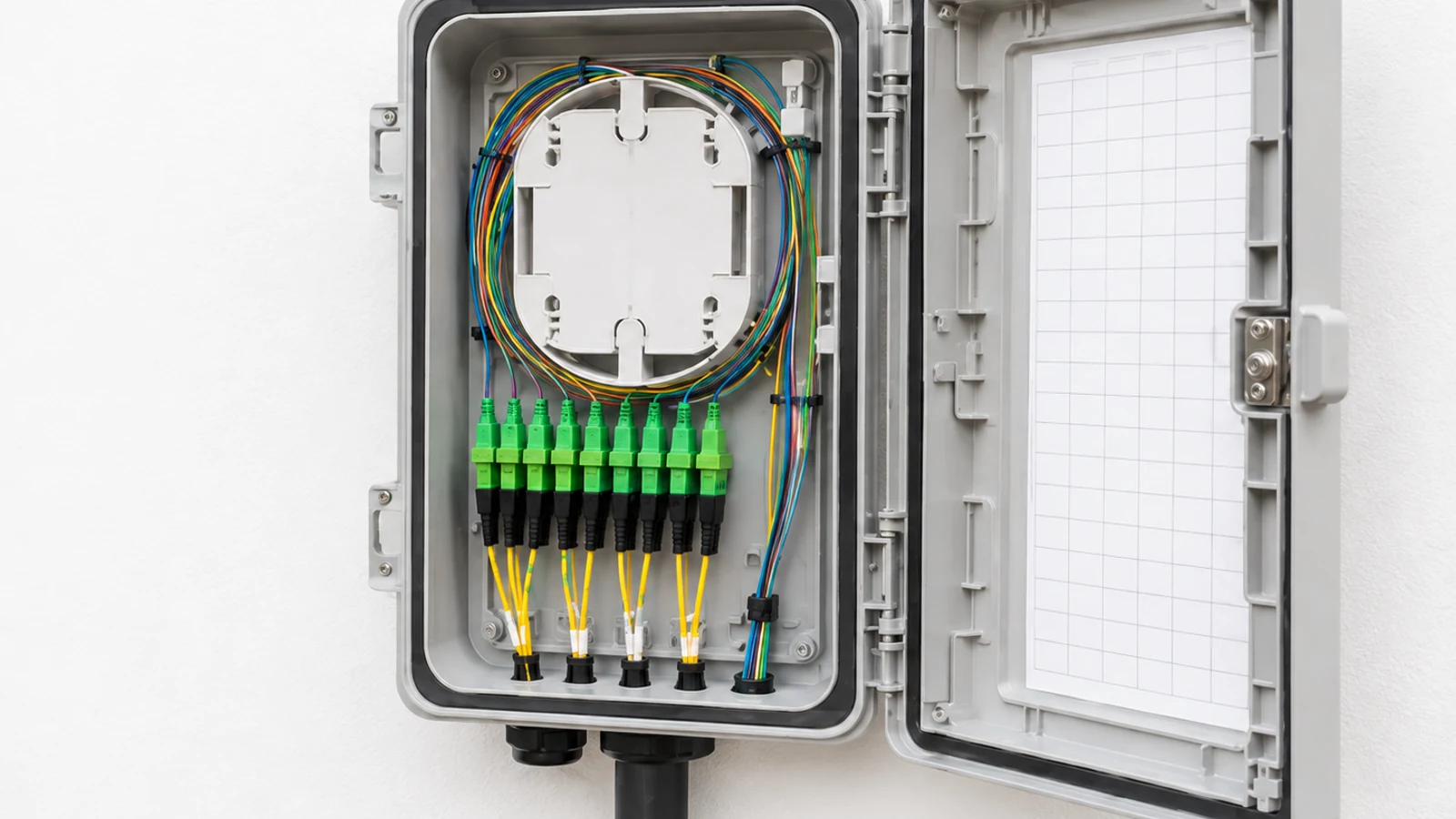
Fiber or another supported backhaul is considered when distance, electrical exposure or building separation makes copper unsuitable for resorts, hotels, restaurants, visitor-facing retail, parking operations and guest-service properties.
PROJECT DETAILS
Nearby service contexts include Bay Lake, Four Corners, Horizon West and International Drive. Lake Buena Vista is led by visitor-facing hospitality, dining and retail operations, with guest experience and service-entry coordination shaping the work plan.
PROJECT PROCESS
First document operating windows and property access for guest arrivals, dining and retail traffic, staff circulation, shuttle movement and service deliveries across long operating days. Then walk resort arrivals, restaurant and retail doors, guest parking, employee access and receiving entrances with the responsible facilities and IT contacts.
Turn those observations into decisions for resort arrivals, restaurant and retail doors, guest parking, employee access and receiving entrances, including pathways, network ownership, recording and response roles.
Build the work sequence around this constraint: organize work around guest arrival peaks, restaurant service, retail hours, shuttle movement and approved overnight windows. Each completed zone receives its own test and acceptance record.
Deliver a property-specific handoff. The Lake Buena Vista handoff follows the guest journey and service workflow, recording arrival, restaurant, retail, parking and receiving views with their building network and approved operating window.
LICENSED PROJECT SUPPORT
Data Pro Communications provides professionally scoped low-voltage planning and installation under FL License #EC13016138. Licensing supports contractor accountability but does not replace property policy, legal review, network ownership or customer acceptance.
FAQ
Start with the operating purpose of each scene. Around Lake Buena Vista, planning separates the detail needed at resort arrival approaches from the broader context at parking and shuttle areas, then verifies distance, lighting, obstruction and the team expected to respond.
Relevant projects may include resorts, hotels, restaurants, retail complexes, parking operations, support buildings and employee service areas. The scope is appropriate when resort, hotel, retail, parking and employee-facility teams need documented views, infrastructure, network responsibility, testing and handoff rather than a simple device count.
Observe the property during guest arrivals, dining and retail traffic, staff circulation, shuttle movement and service deliveries across long operating days. Those conditions show which views are useful, when lighting changes and which authorized team can respond; they also provide the basis for final acceptance testing.
The early infrastructure decision is specific to this page: guest areas, parking, restaurants and service entrances may use different telecom rooms, so pathways and device addressing must support phased work without disrupting visitor-facing operations. Confirm routes, power, equipment locations and service access before selecting remote devices.
The work plan should organize work around guest arrival peaks, restaurant service, retail hours, shuttle movement and approved overnight windows. Temporary conditions, network impact and the acceptance owner are stated for each zone before the next phase begins.
Existing infrastructure can be retained when the serving telecom room, pathway, capacity and maintenance window fit the guest-facing operation; support-building cable is not assumed suitable for a restaurant, lobby or parking phase.
The customer-authorized network owner controls switching, segmentation, accounts, cybersecurity and change windows. For this property context, guest-facing, staff and property-operations networks require documented separation, recording ownership and coordinated activation across buildings.
Use access or intercom functions only where the approved platform and operating workflow support them. Define users, schedules, call routing, release authority and fallback for resort arrivals, restaurant and retail doors, guest parking, employee access and receiving entrances.
Audio is not assumed. The property owner must define a lawful operating purpose, notice or consent requirements, authorized users, retention and review procedures with appropriate legal guidance before audio is included.
Bring current plans, operating schedules, known concerns, network contacts and information about resort arrivals, restaurant and retail doors, guest parking, employee access and receiving entrances. Identify the people who can approve pathways, accounts, work windows and final testing.
The Lake Buena Vista handoff follows the guest journey and service workflow, recording arrival, restaurant, retail, parking and receiving views with their building network and approved operating window.
The Lake Buena Vista handoff follows the guest journey and service workflow, recording arrival, restaurant, retail, parking and receiving views with their building network and approved operating window. The final scope also states responsibilities, installation phases, test criteria and unresolved conditions without promising a security outcome.