
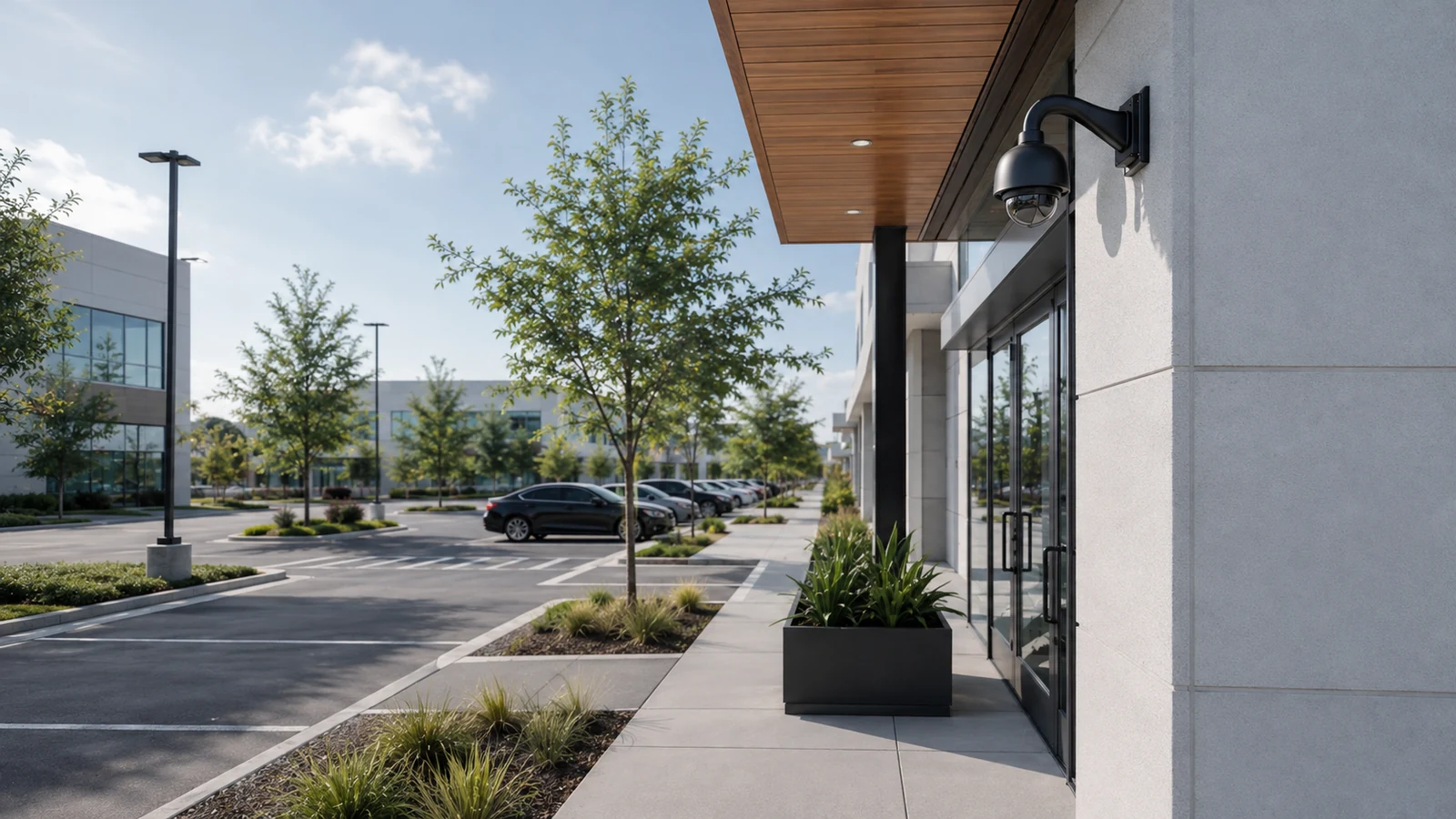
Guest arrival routes Coverage Planning
The survey treats guest arrival routes as a distinct scene, with the detail, lighting and response role defined before a device is selected.
COMMERCIAL CAMERA SYSTEMS FOR ENTERTAINMENT-DISTRICT OPERATIONS
Data Pro Communications plans and installs commercial security camera systems for hotels, entertainment venues, restaurants, retail operations, employee areas and structured parking near a major visitor district in Universal Orlando Area. The work begins with the views, operating routines and infrastructure the property actually needs.
The site survey connects camera purpose to lighting, mounting height, cabling, PoE, recording, authorized access and maintenance. Map crowd-flow periods and staff response positions before fixing camera fields of view. Use fixed coverage for evidentiary views and treat movable cameras as supplemental rather than sole coverage.
The survey treats guest arrival routes as a distinct scene, with the detail, lighting and response role defined before a device is selected.
The responsible teams must separate venue, tenant, parking, guest and security-system network ownership.
Installation should avoid opening and closing surges, event changeovers, guest circulation and critical back-of-house activity.
Structured parking, guest approaches and back-of-house routes often span different mounting surfaces, pathways and telecom spaces, with labels and test records retained for future service.
Data Pro Communications provides the accepted camera and low-voltage scope under FL License #EC13016138, with property policy and system use remaining with the customer.
SERVICE OVERVIEW
Universal Orlando Area includes hotels, entertainment venues, restaurants, retail operations, employee areas and structured parking near a major visitor district. A useful system plan separates public arrival, staff access, vendor movement, parking, service areas and technology ownership so each camera has a defined purpose and an accountable user.
For Universal Orlando Area, the operating model centers on entertainment-district hospitality and retail operations. The scope distinguishes distinguish guest arrivals, employee doors, retail entries and delivery access, documents that the responsible teams must separate venue, tenant, parking, guest and security-system network ownership, and plans work around installation should avoid opening and closing surges, event changeovers, guest circulation and critical back-of-house activity.
PROJECT DETAILS
Activity around guest arrival routes varies with surges around opening and closing periods. Survey and acceptance testing should occur during representative operating periods so the final view matches actual lighting, movement and staff response.
Guest and back-of-house route separation requires clear separation of distinguish guest arrivals, employee doors, retail entries and delivery access, including who responds at each opening and who may review the related video.
High-turnover parking areas affects camera distance, obstruction and context around structured parking access points; one wide overview should not be expected to provide every required detail.
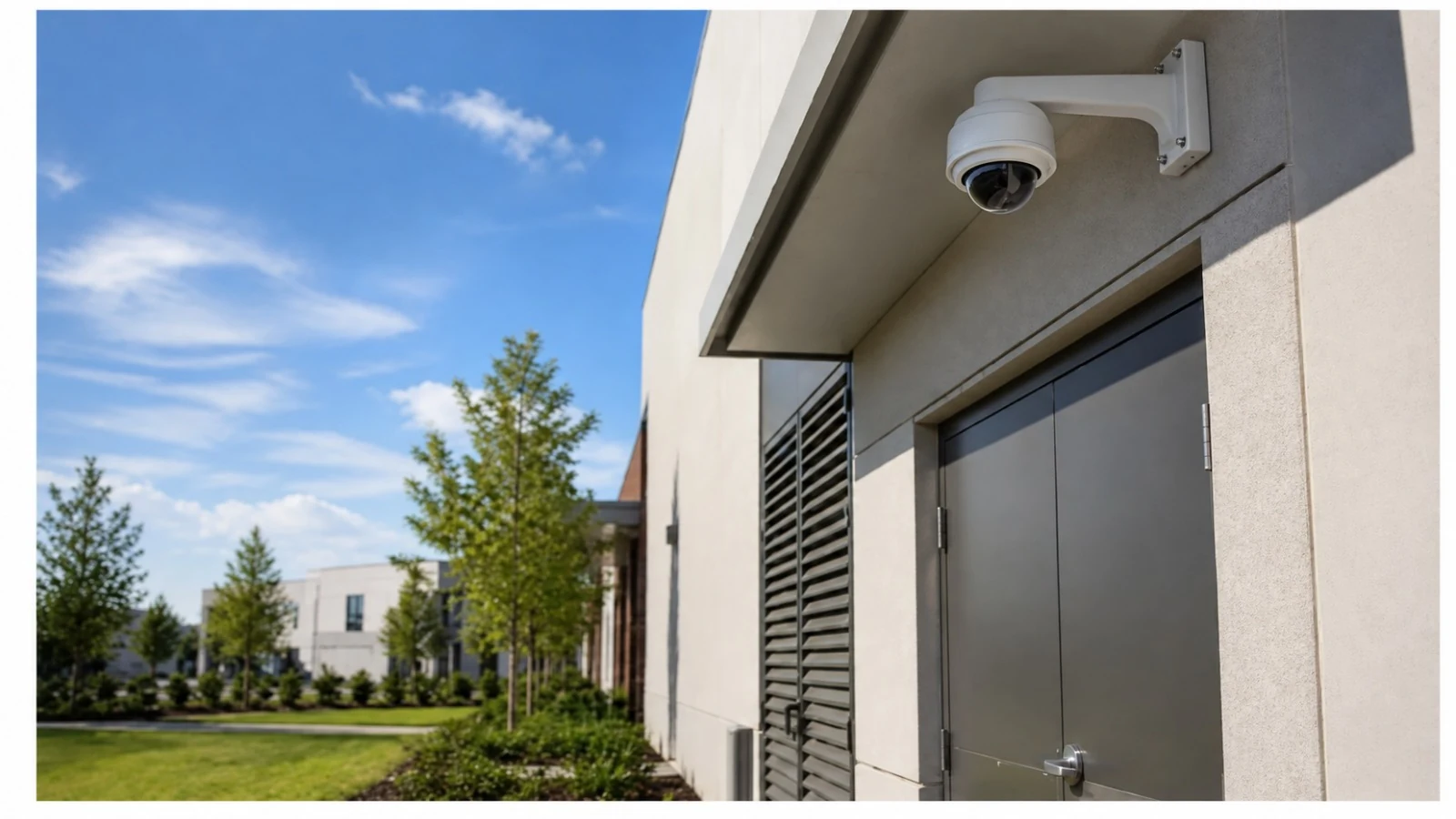
Access and work sequencing must account for vendor and delivery access. Installation should avoid opening and closing surges, event changeovers, guest circulation and critical back-of-house activity.
Large exterior approaches makes network responsibility part of the design: the responsible teams must separate venue, tenant, parking, guest and security-system network ownership.
Changing tenant and attraction layouts should be recorded with field conditions, the responsible decision-maker and the test used to accept work around service and delivery areas.
CORE CAPABILITIES
Use separate camera purposes for guest arrival routes and structured parking access points, including the distance, lighting and response context each view must provide.
Size recording and user roles around activity at employee entrances, expected retention and the team authorized to search or export video.
Build serviceable cabling for retail storefront approaches and back-of-house corridors; structured parking, guest approaches and back-of-house routes often span different mounting surfaces, pathways and telecom spaces.
Coordinate switching, PoE, uplinks and accounts because the responsible teams must separate venue, tenant, parking, guest and security-system network ownership.
Apply access control only to approved doors or gates within distinguish guest arrivals, employee doors, retail entries and delivery access, with schedules and administrative ownership defined.
Evaluate existing devices and pathways against crowd-flow, parking and after-hours scene conditions; accepted reuse, replacement and unresolved conditions belong in the scope.
COMMERCIAL USE CASES
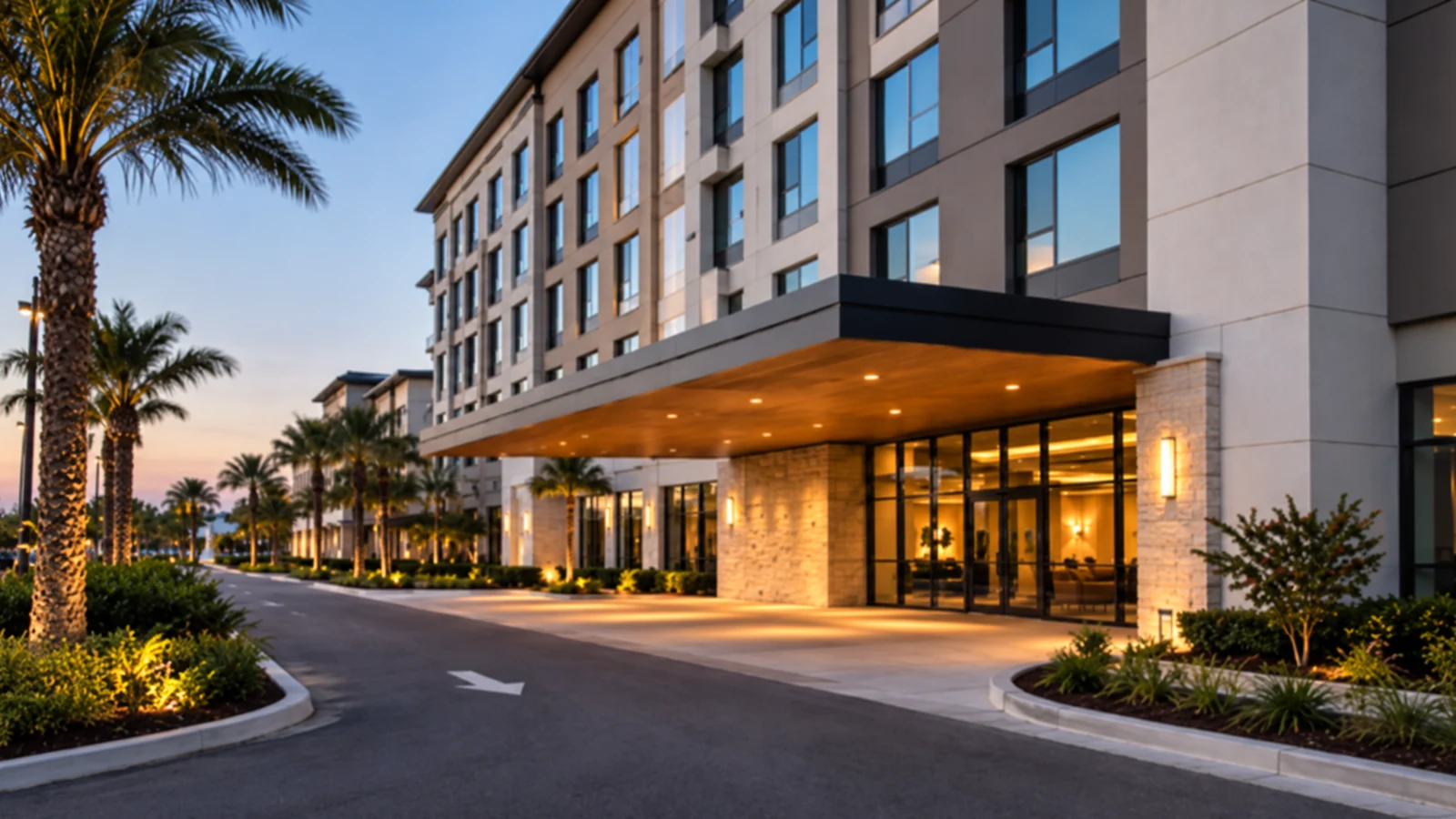
At guest arrival routes, choose a view that supports the responsible team during crowd-flow, parking and after-hours scene conditions without relying on unrelated background coverage.
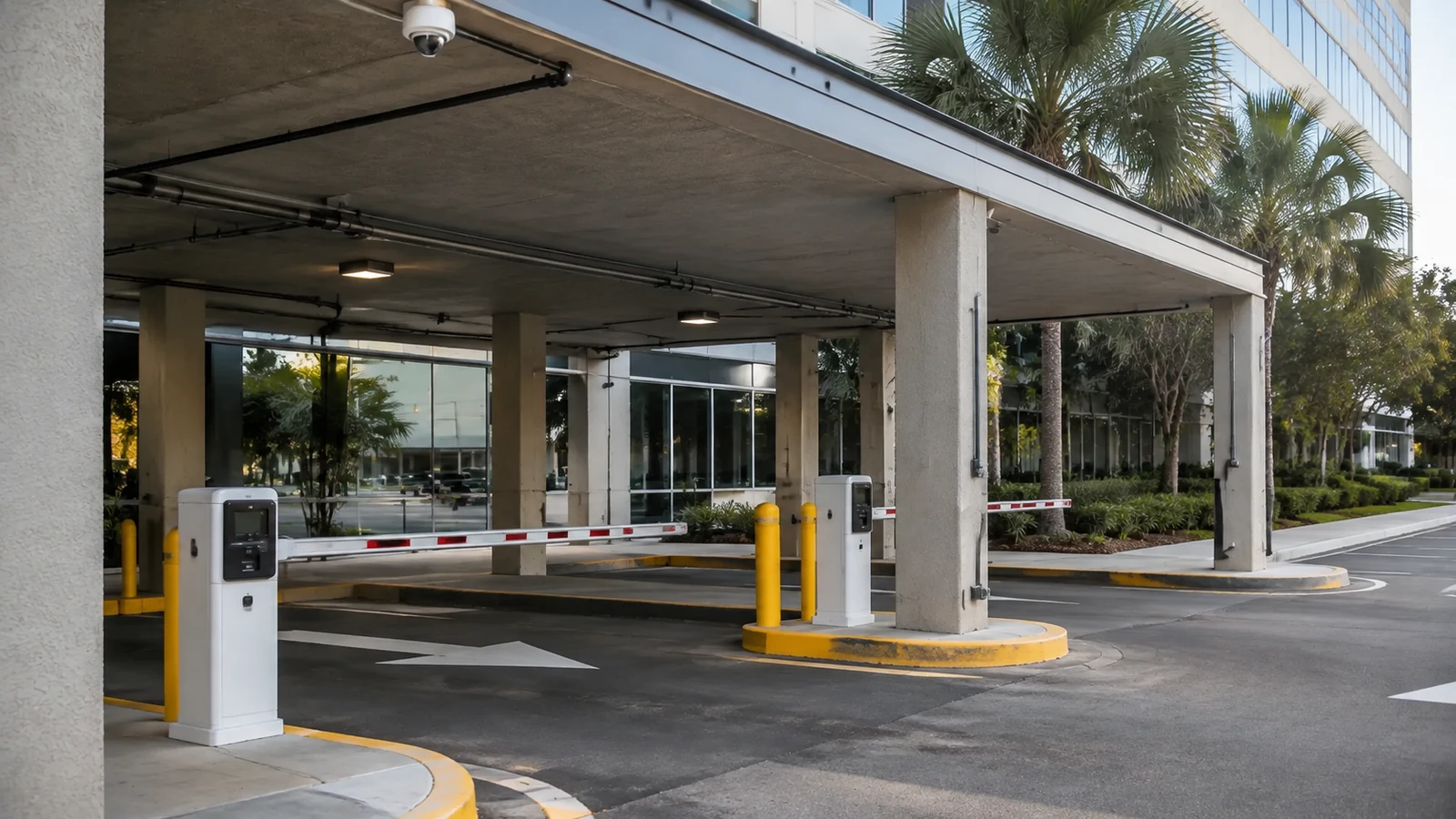
For structured parking access points, separate broad situational context from the closer detail needed at entrances, lanes or pedestrian transitions.
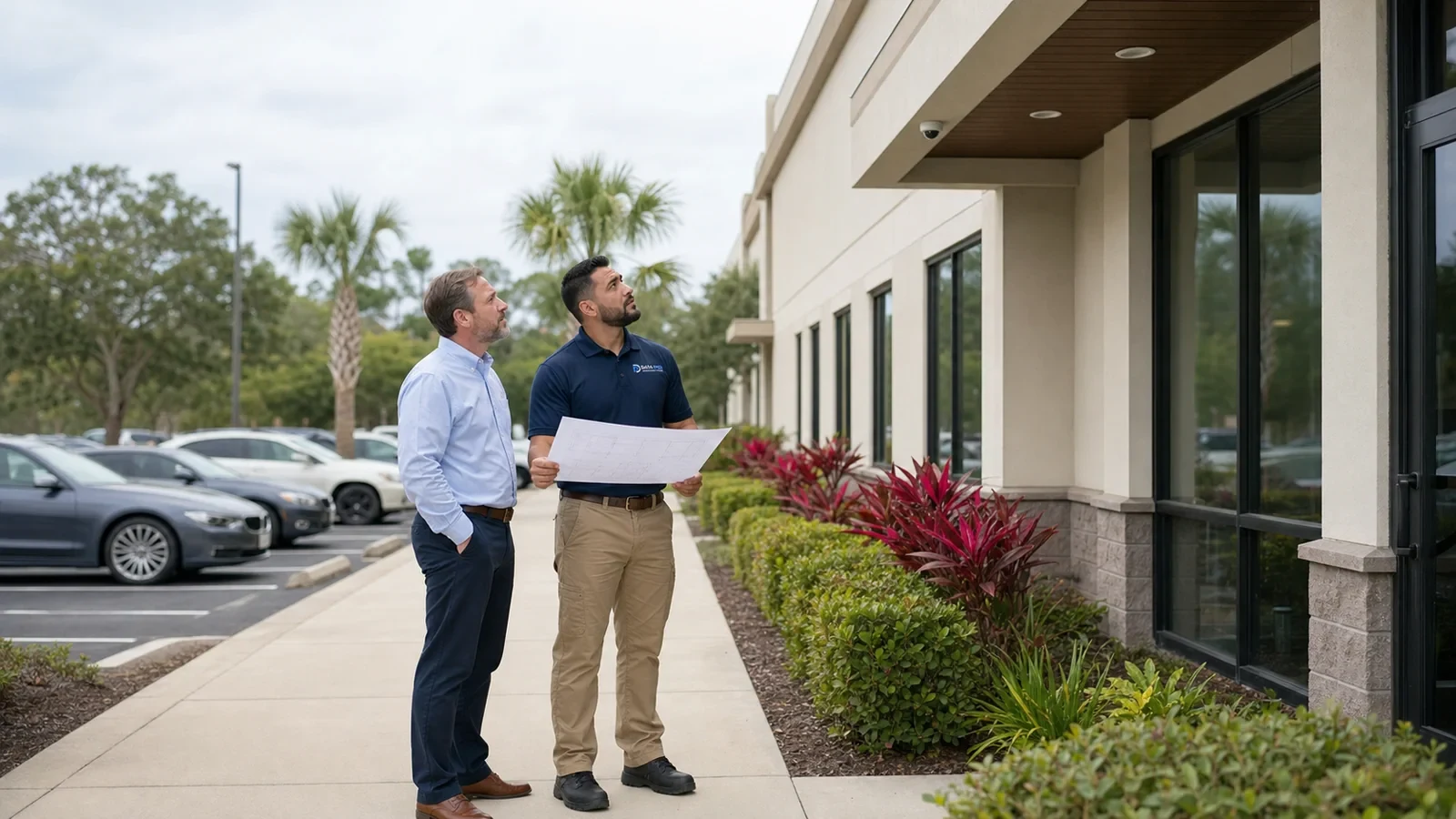
Coverage around employee entrances should follow distinguish guest arrivals, employee doors, retail entries and delivery access and identify which staff or management role responds.
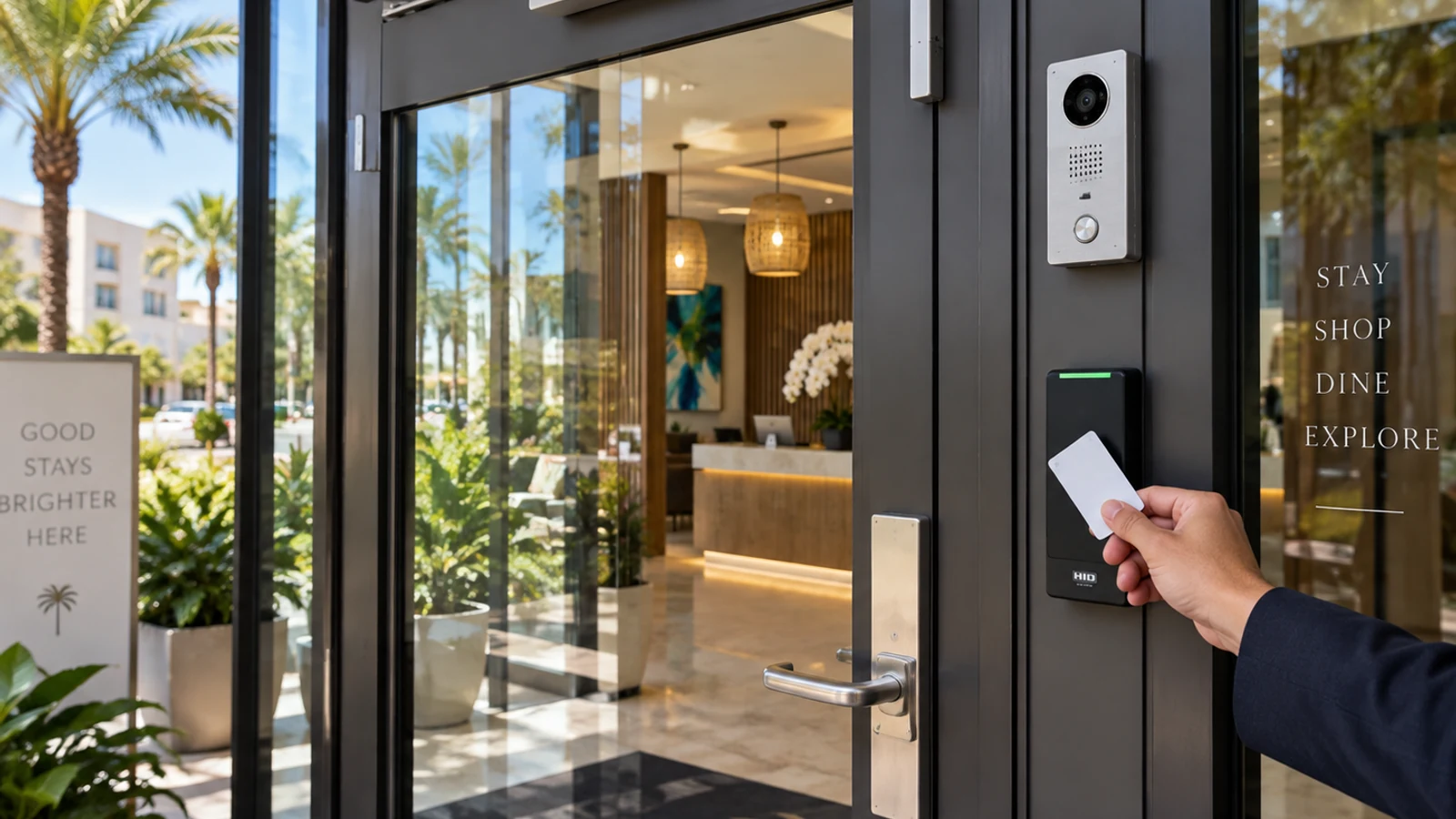
Plan retail storefront approaches around installation should avoid opening and closing surges, event changeovers, guest circulation and critical back-of-house activity, including temporary conditions and the point at which each phase is accepted.
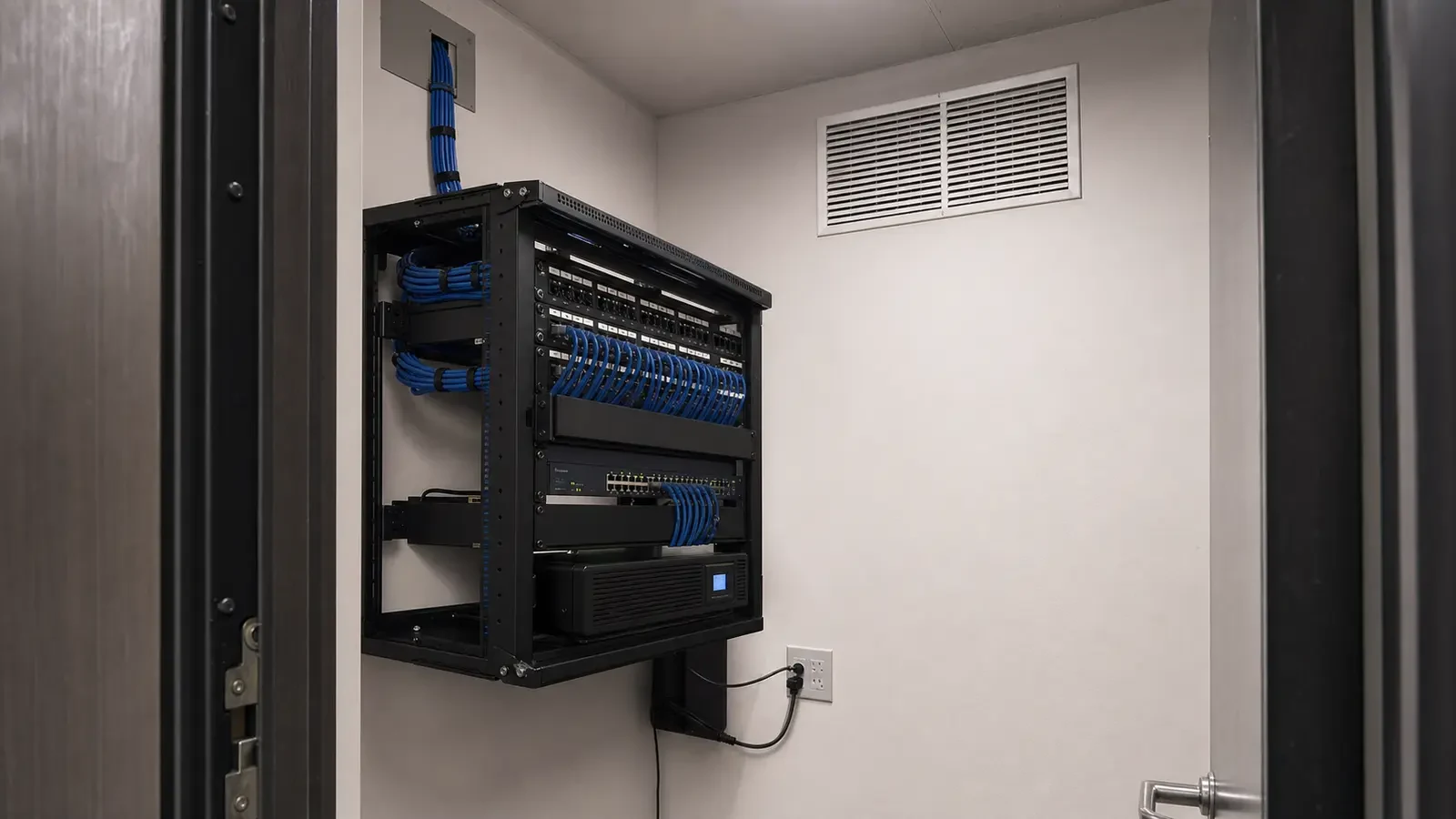
Infrastructure for back-of-house corridors should reflect that structured parking, guest approaches and back-of-house routes often span different mounting surfaces, pathways and telecom spaces, with power and network responsibility recorded.
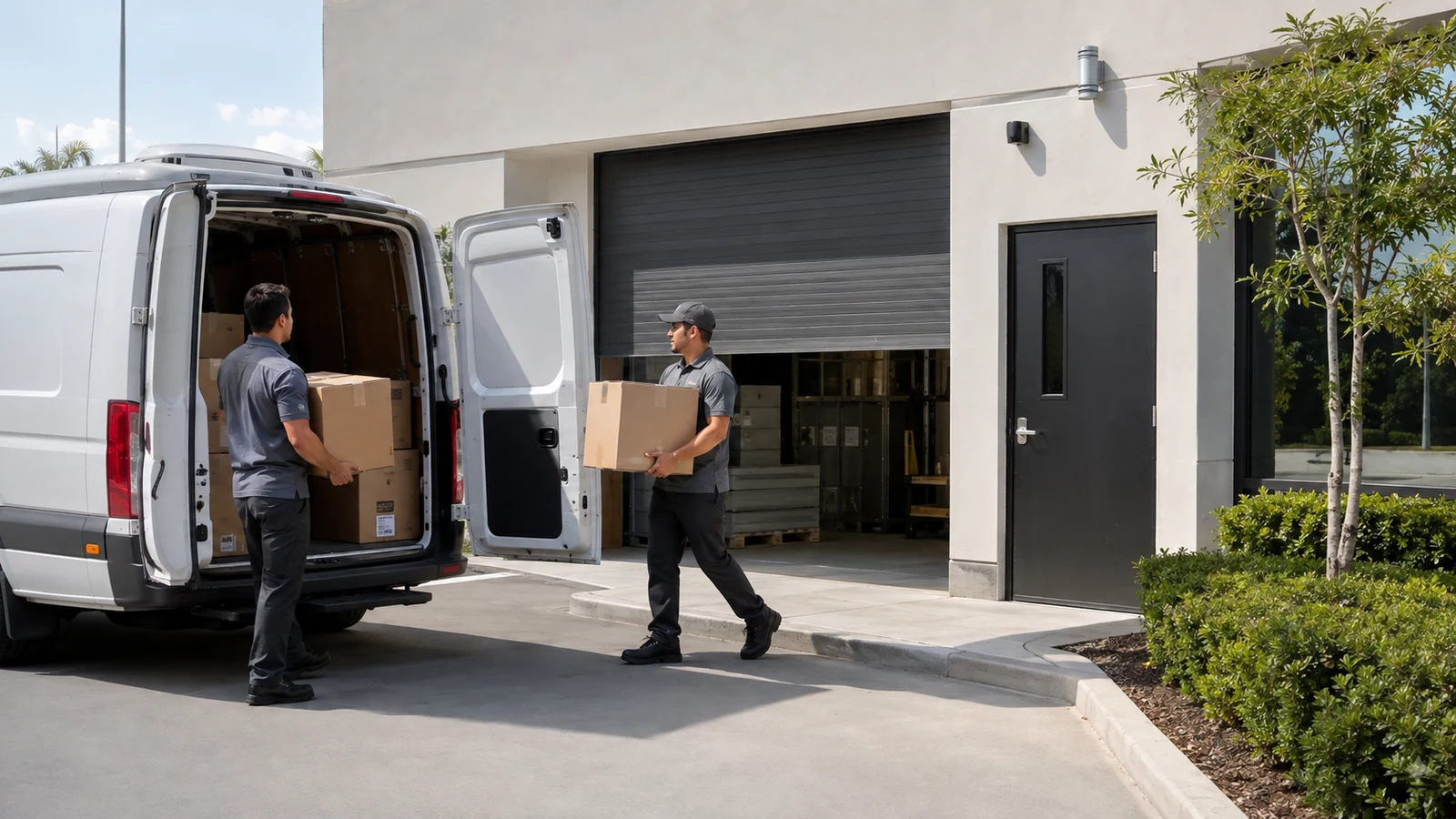
At service and delivery areas, verify large parking structures and separated support areas may need fiber uplinks with documented equipment boundaries; document the accepted link, labels, equipment boundary and maintenance access.
TECHNICAL PLANNING
Define whether each scene needs identification, recognition, vehicle context or operational awareness, then select distance and lens around crowd-flow, parking and after-hours scene conditions.
Structured Parking and Back-of-House Infrastructure
Confirm mounting, supports, power and service access because structured parking, guest approaches and back-of-house routes often span different mounting surfaces, pathways and telecom spaces.
Venue, Tenant and Parking-System Coordination
Assign switching, PoE, addressing, segmentation, accounts and monitoring with the responsible team; the responsible teams must separate venue, tenant, parking, guest and security-system network ownership.
Document work zones, temporary conditions and cutover order because installation should avoid opening and closing surges, event changeovers, guest circulation and critical back-of-house activity.
Verify accepted views, recording, remote access and connected functions during crowd-flow, parking and after-hours scene conditions; retain results and known exceptions.
CONNECTED SYSTEMS
Align authorized door or gate events with nearby video where supported, using distinguish guest arrivals, employee doors, retail entries and delivery access as the operating boundary.
Coordinate staff call points and controlled entries with event and after-hours response roles; document release authority and fallback before integration is included.
Coordinate time, device status, alerts and accounts because the responsible teams must separate venue, tenant, parking, guest and security-system network ownership.
Assign responsibility for cameras, doors or gates, networks, credentials, recording, property policy and ongoing service across entertainment-district hospitality and retail operations.
ORLANDO SERVICE CONTEXT
Map crowd-flow periods and staff response positions before fixing camera fields of view.
Use fixed coverage for evidentiary views and treat movable cameras as supplemental rather than sole coverage.
Plan the scope around guest-facing and back-of-house coverage. Confirm that structured parking, guest approaches and back-of-house routes often span different mounting surfaces, pathways and telecom spaces. Test final views and connected functions during crowd-flow, parking and after-hours scene conditions.
RELATED SERVICES
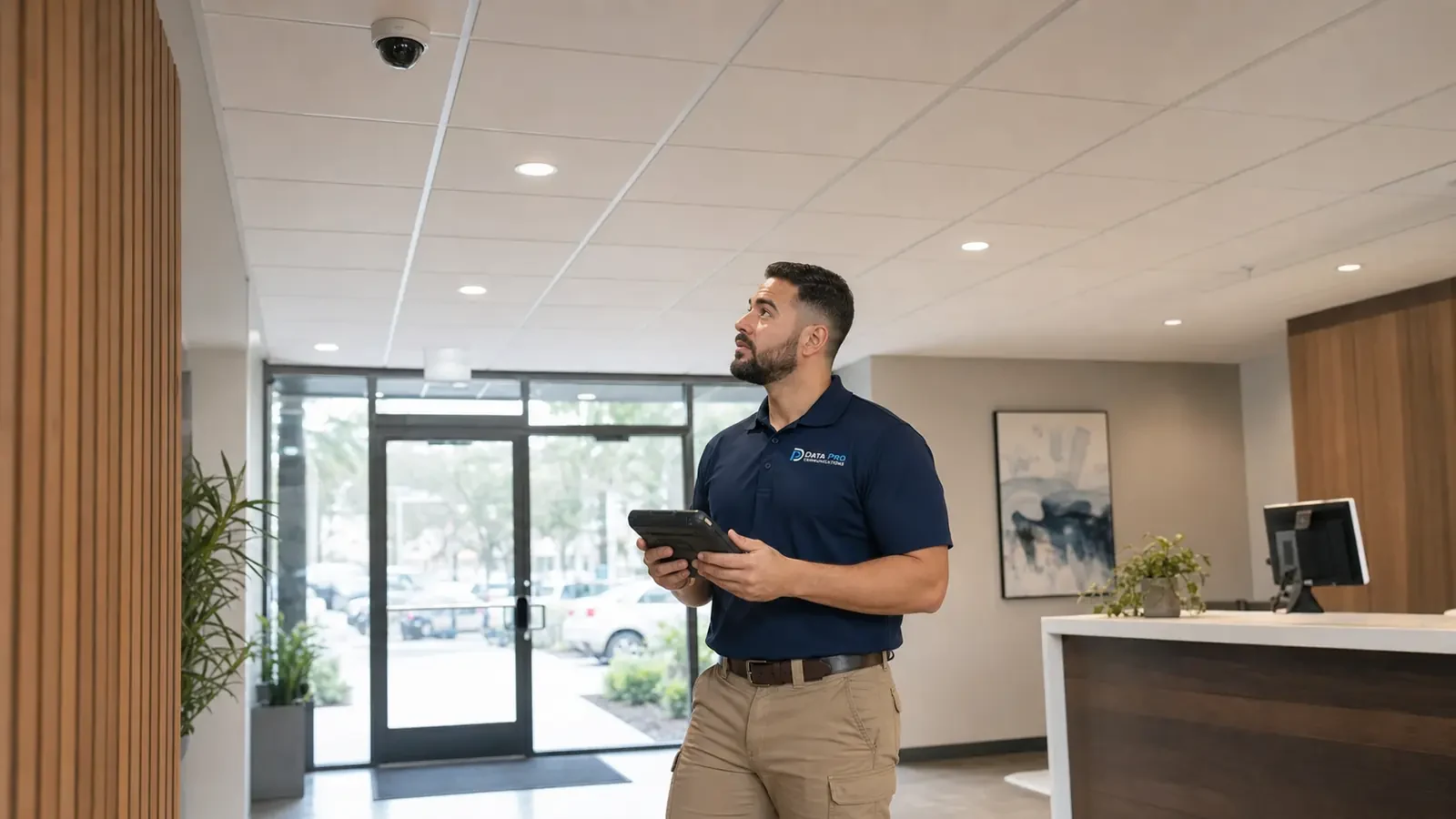
Purpose-planned cameras can separate coverage for guest arrival routes, structured parking access points and the property's other response-critical scenes.
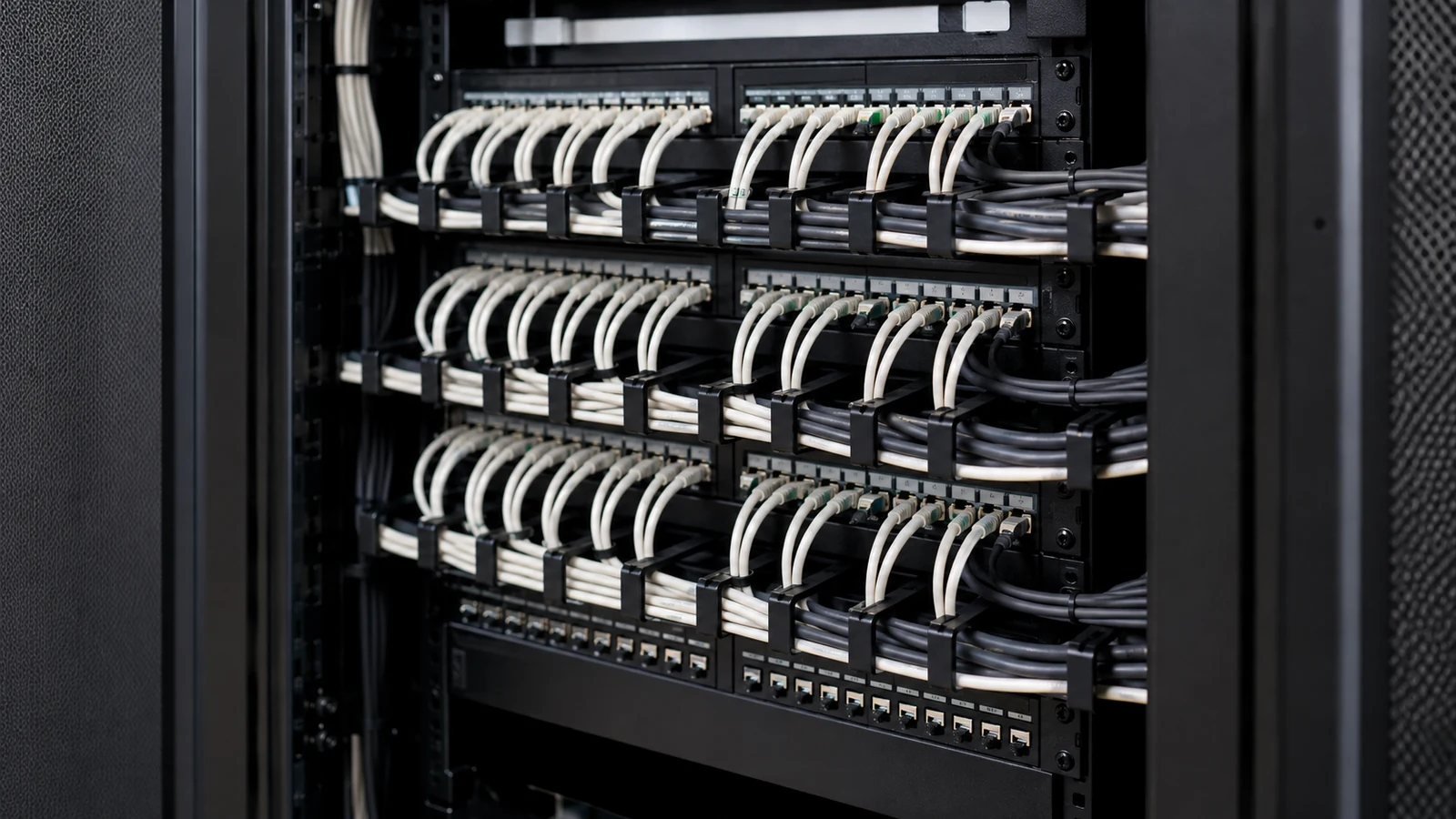
Structured Cabling
Structured cabling supports cameras, access devices, wireless access points and local equipment around employee entrances; structured parking, guest approaches and back-of-house routes often span different mounting surfaces, pathways and telecom spaces.
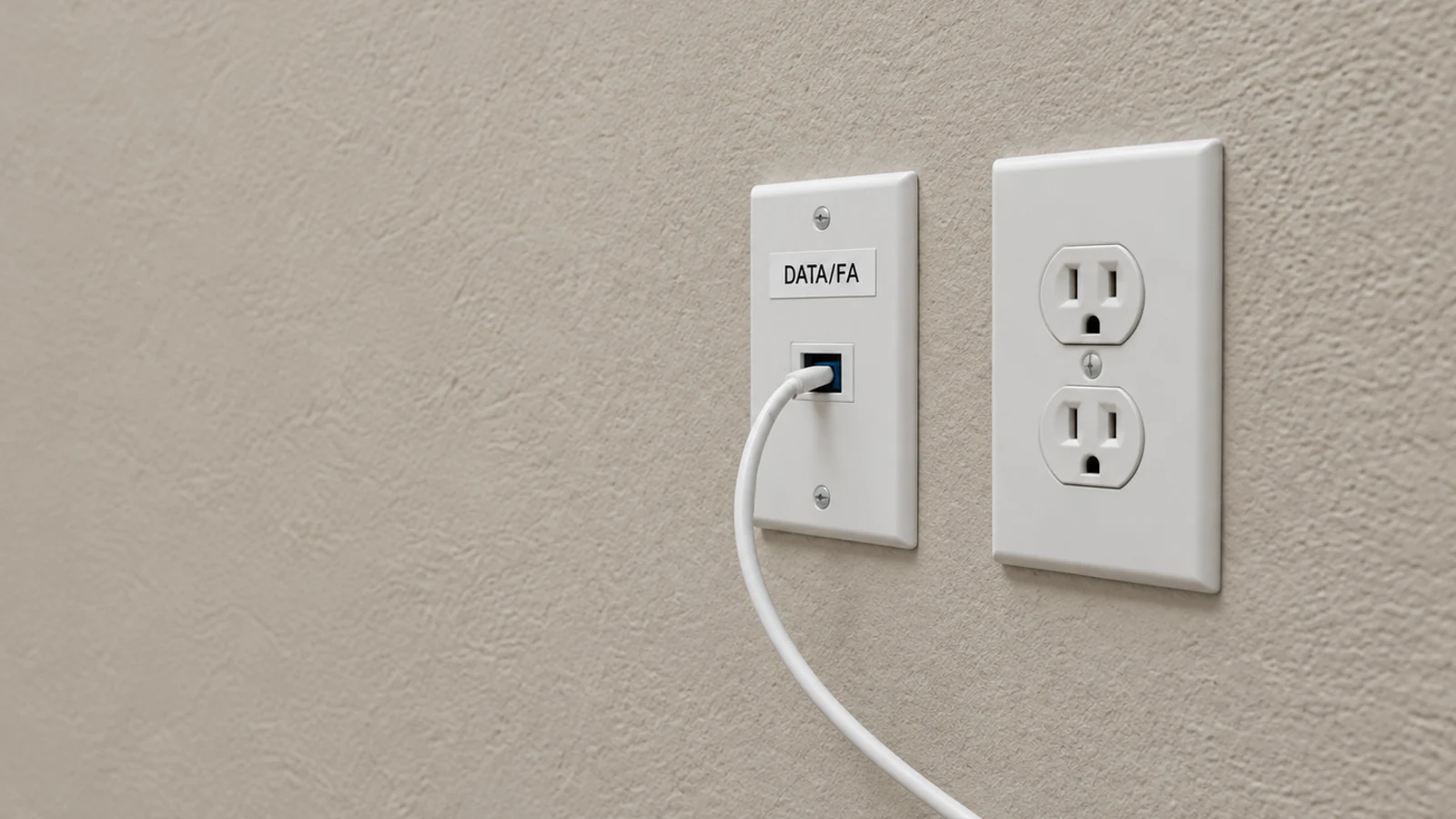
Network Infrastructure
Network infrastructure must account for switching, PoE, uplinks and administration because the responsible teams must separate venue, tenant, parking, guest and security-system network ownership.
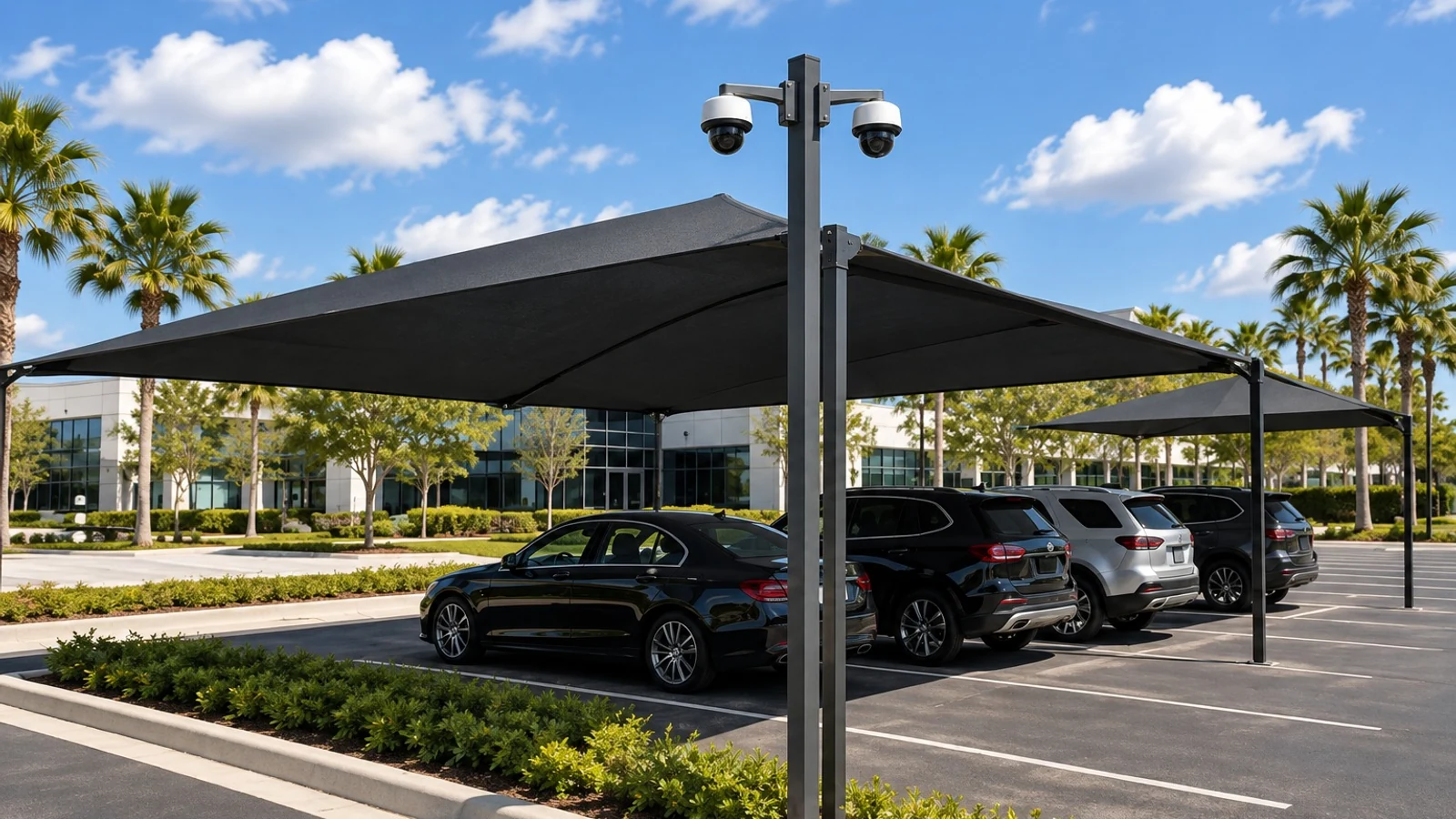
Access control can organize approved users and schedules across distinguish guest arrivals, employee doors, retail entries and delivery access without assuming every opening uses the same hardware or policy.
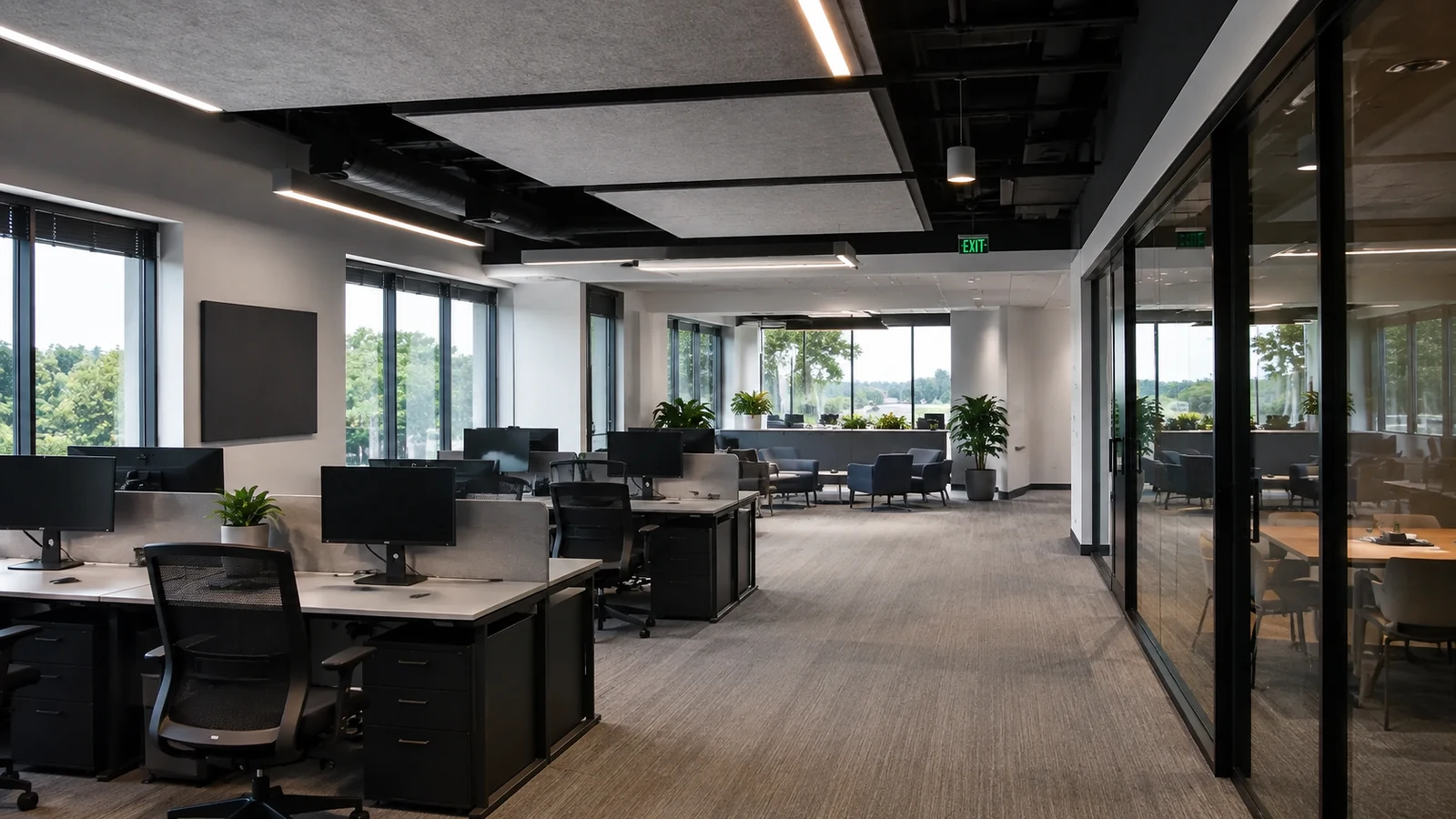
Intercom planning should coordinate staff call points and controlled entries with event and after-hours response roles, with call routing and release authority matched to staffed and after-hours conditions.
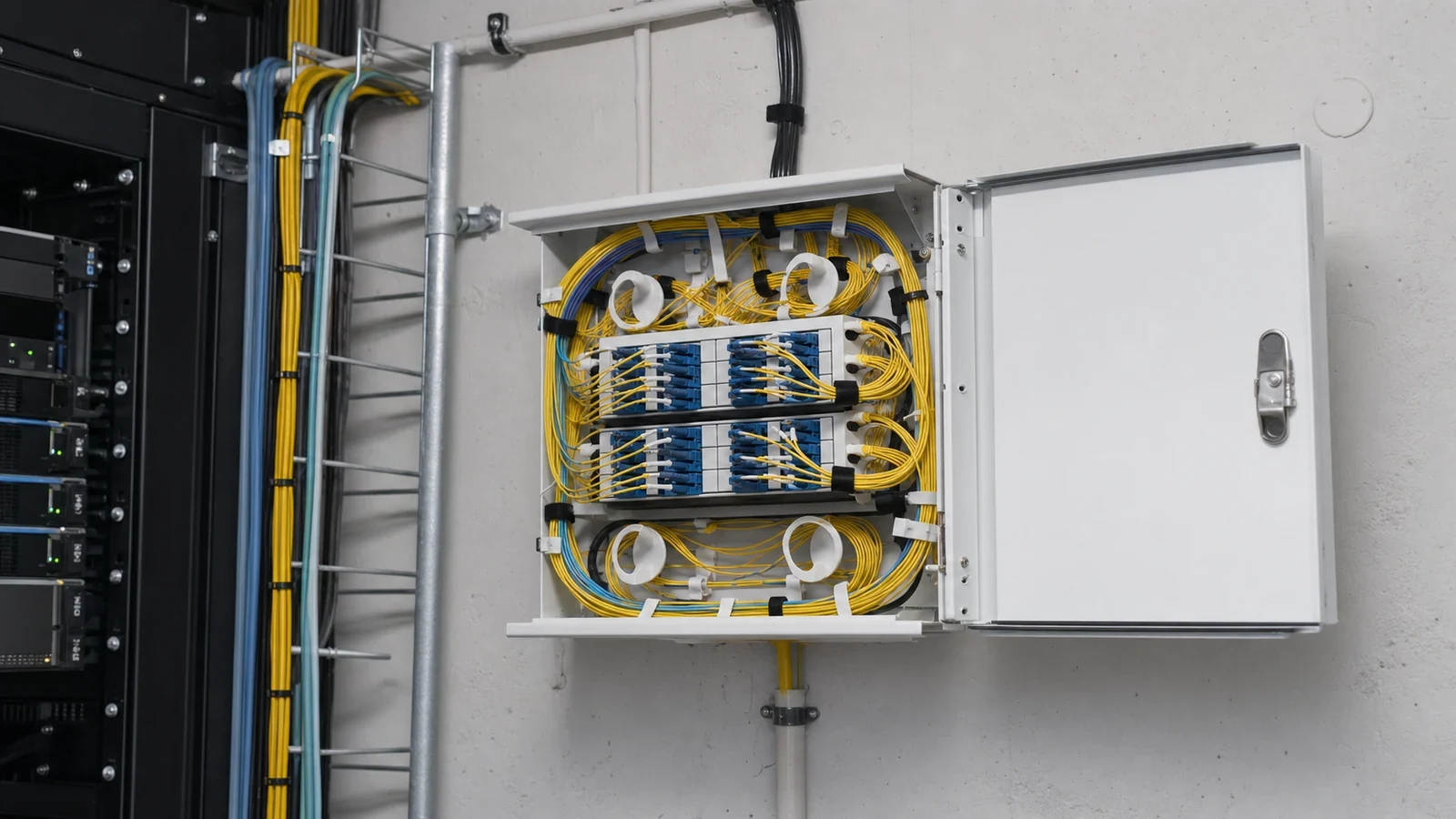
Fiber optic service is relevant where large parking structures and separated support areas may need fiber uplinks with documented equipment boundaries.
PROJECT DETAILS
Nearby service contexts include International Drive, Kirkman Road, Turkey Lake and Convention Center Area. In Universal Orlando Area, the survey emphasis is crowd-flow, parking and after-hours scene conditions, with the final scope shaped by guest arrival routes and structured parking access points.
PROJECT PROCESS
Review guest arrival routes, structured parking access points, property schedules, current systems and the concerns of venue, hotel, retail and parking operations teams.
Define views, pathways, recording, entry workflows, network responsibility and acceptance criteria, including that the responsible teams must separate venue, tenant, parking, guest and security-system network ownership.
Organize work zones, temporary conditions and cutovers because installation should avoid opening and closing surges, event changeovers, guest circulation and critical back-of-house activity; label and test each accepted phase.
Confirm views and connected functions during crowd-flow, parking and after-hours scene conditions, then deliver property-specific schedules, labels, results, account ownership and exceptions.
LICENSED PROJECT SUPPORT
Data Pro Communications provides professionally scoped low-voltage planning and installation under FL License #EC13016138. Licensing supports contractor accountability but does not replace property policy, legal review, network ownership or customer acceptance.
FAQ
Start with the operating purpose of each scene. Around Universal Orlando Area, planning separates the detail needed at guest arrival routes from the broader context at structured parking access points, then verifies distance, lighting, obstruction and the team expected to respond.
Relevant projects may include hotels, entertainment venues, restaurants, retail operations, employee areas and structured parking near a major visitor district. The scope is appropriate when venue, hotel, retail and parking operations teams need documented views, infrastructure, network responsibility, testing and handoff rather than a simple device count.
The survey schedules observations around surges around opening and closing periods and checks guest arrival routes when the relevant staff, visitors or vehicles are present. The accepted view records its purpose, operating period and responsible response role.
Planning checks mounting, power, pathway distance, telecom access and serviceability. In this area, structured parking, guest approaches and back-of-house routes often span different mounting surfaces, pathways and telecom spaces, and large parking structures and separated support areas may need fiber uplinks with documented equipment boundaries.
Yes. Installation should avoid opening and closing surges, event changeovers, guest circulation and critical back-of-house activity. Each phase states access, temporary conditions, network impact, testing and the person authorized to accept the completed work.
Existing cable or equipment is tested for route, condition, labeling, distance, power, compatibility and serviceability before reuse. A local constraint also applies: structured parking, guest approaches and back-of-house routes often span different mounting surfaces, pathways and telecom spaces.
The customer-authorized network owner controls switching, segmentation, accounts, remote access, cybersecurity and change windows. The project documents device requirements because the responsible teams must separate venue, tenant, parking, guest and security-system network ownership.
Access or intercom functions can be coordinated when platforms and workflows support them. The plan should coordinate staff call points and controlled entries with event and after-hours response roles and distinguish distinguish guest arrivals, employee doors, retail entries and delivery access before hardware or integration is approved.
Audio is not assumed. The property owner must define a lawful operating purpose, notice or consent requirements, authorized users, retention and review procedures with appropriate legal guidance before audio is included.
Bring site or floor plans, schedules, current-system details, network contacts and known concerns around employee entrances and retail storefront approaches. It also helps to identify the owner of venue, tenant and parking-system coordination.
Useful records include a camera and area schedule for guest arrival routes and structured parking access points, cable and port labels, recording settings, network ownership, test results, approved accounts, exceptions and the final accepted scope.
The survey is converted into an accepted scope for guest-facing and back-of-house coverage. It records pathways, network ownership, opening, closing and event turnover periods, testing, documentation and any unresolved condition without promising a security outcome.