
Site-Specific Planning
Views and pathways are selected around the technical decision and the actual commercial property, not a generic device count.
COMMERCIAL SECURITY AND LOW-VOLTAGE RESOURCE
License plate capture is a dedicated imaging task, not a feature that can be assumed from an overview camera. A useful design controls the lane, plate angle, target size, shutter behavior, illumination, vehicle speed, mounting height, retention, and authorized search workflow.
This guide explains the technical variables, tradeoffs, failure modes, and contractor questions that matter for license plate recognition cameras. Use it to prepare a scope, then verify property-specific conditions before implementation.
PROJECT DETAILS
Views and pathways are selected around the technical decision and the actual commercial property, not a generic device count.
Cameras, recording, cabling, network, access and related dependencies are reviewed as one operating system.
Work zones and cutovers are organized around approved access, occupancy and network windows.
Labels, device schedules, test results, user ownership and exceptions support ongoing service.
Commercial low-voltage work is provided under FL License #EC13016138.
SERVICE OVERVIEW
License plate capture is a dedicated imaging task, not a feature that can be assumed from an overview camera. A useful design controls the lane, plate angle, target size, shutter behavior, illumination, vehicle speed, mounting height, retention, and authorized search workflow.
The decision is complete only when the required outcome, field conditions, infrastructure, operating owner, limitations, and acceptance method agree with one another.
CORE CAPABILITIES
The plate camera should be framed tightly enough to capture the plate at a defined point.
Lane width, curve, stopping position, vehicle approach, and the horizontal and vertical angle determine whether plates remain readable in the intended capture zone.
Resolution matters only after the plate occupies enough of the image.
Shorter exposure can reduce motion blur but also reduces captured light.
Headlights, reflective plates, ambient lighting, and infrared response create a different problem from daytime capture.
Define who may search or export plate records, how long data is retained, and the operational purpose.
ORLANDO SERVICE CONTEXT
Western Greater Orlando properties range from visitor-facing hospitality and retail to offices, healthcare, warehouses, managed communities and active construction. The correct answer changes with occupancy, work windows, weather exposure, network ownership and the physical distances at the actual site.
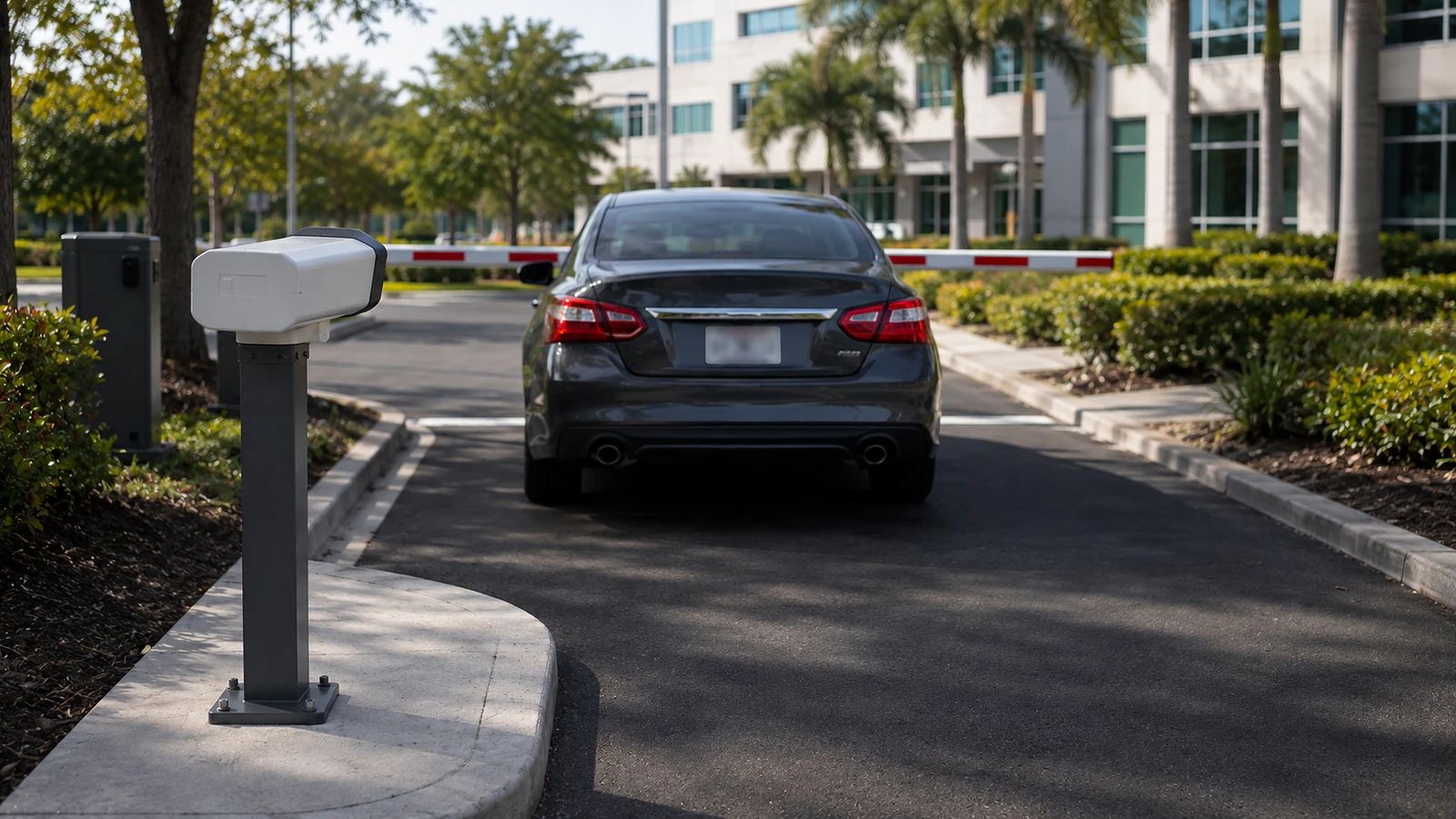
Orlando commercial entries may combine bright sun, rain, headlights, landscaping, visitor traffic, and service vehicles. A plate-capture survey should choose a repeatable capture point and keep a separate overview view for vehicle context.
TECHNICAL PLANNING
Dedicated plate view and overview view
The plate camera should be framed tightly enough to capture the plate at a defined point. A separate overview camera can show vehicle color, type, direction, and surrounding activity without forcing one view to perform both jobs.
Lane geometry and capture point
Lane width, curve, stopping position, vehicle approach, and the horizontal and vertical angle determine whether plates remain readable in the intended capture zone.
Plate size and pixel density
Resolution matters only after the plate occupies enough of the image. A wide scene can have many megapixels while placing too few useful pixels across the plate.
Shutter speed and vehicle motion
Shorter exposure can reduce motion blur but also reduces captured light. The camera, lens, illumination, and vehicle speed must be evaluated together rather than set independently.
Night illumination and headlight control
Headlights, reflective plates, ambient lighting, and infrared response create a different problem from daytime capture. Night testing should use real approach geometry without recording private plate data in the handoff.
Retention, access, and limitations
Define who may search or export plate records, how long data is retained, and the operational purpose. Plate capture does not identify a driver and can be affected by obstruction, plate condition, weather, or speed.
PROJECT DETAILS
A defined stopping point can support a dedicated plate view while an overview camera records the full vehicle and gate interaction.
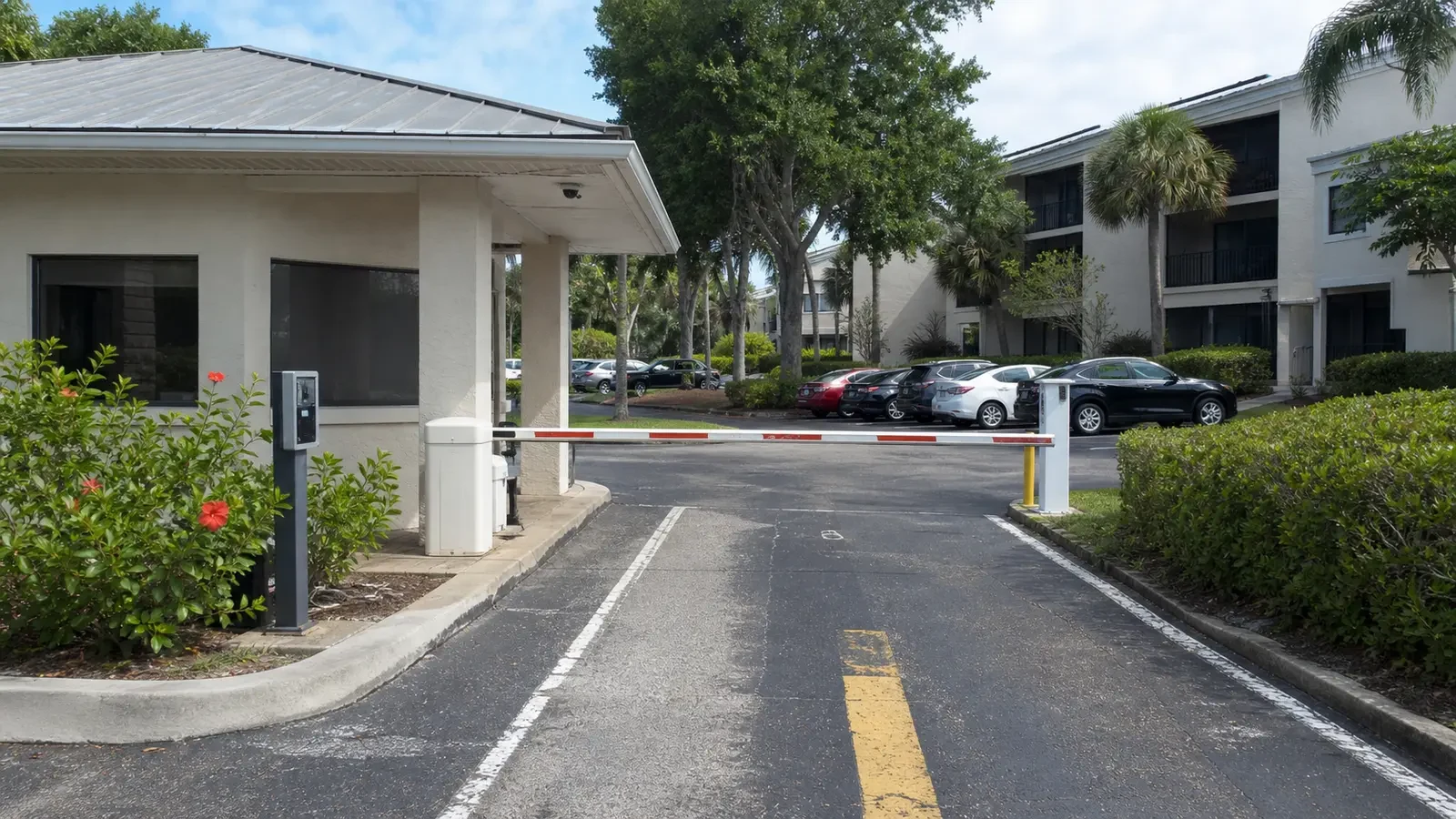
Different plate positions, vehicle heights, lane width, and turning paths may require more than one capture assumption and field testing.
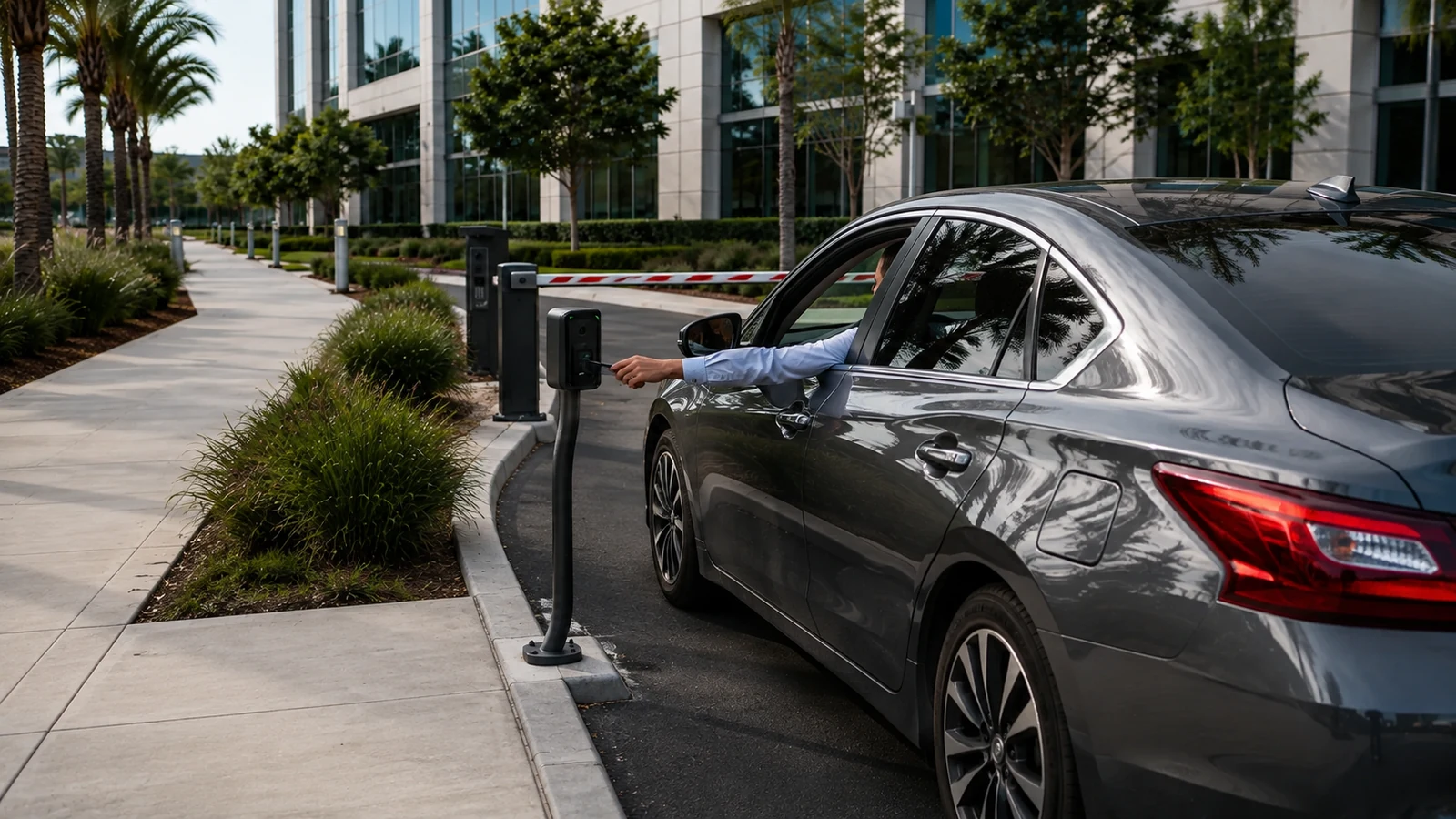
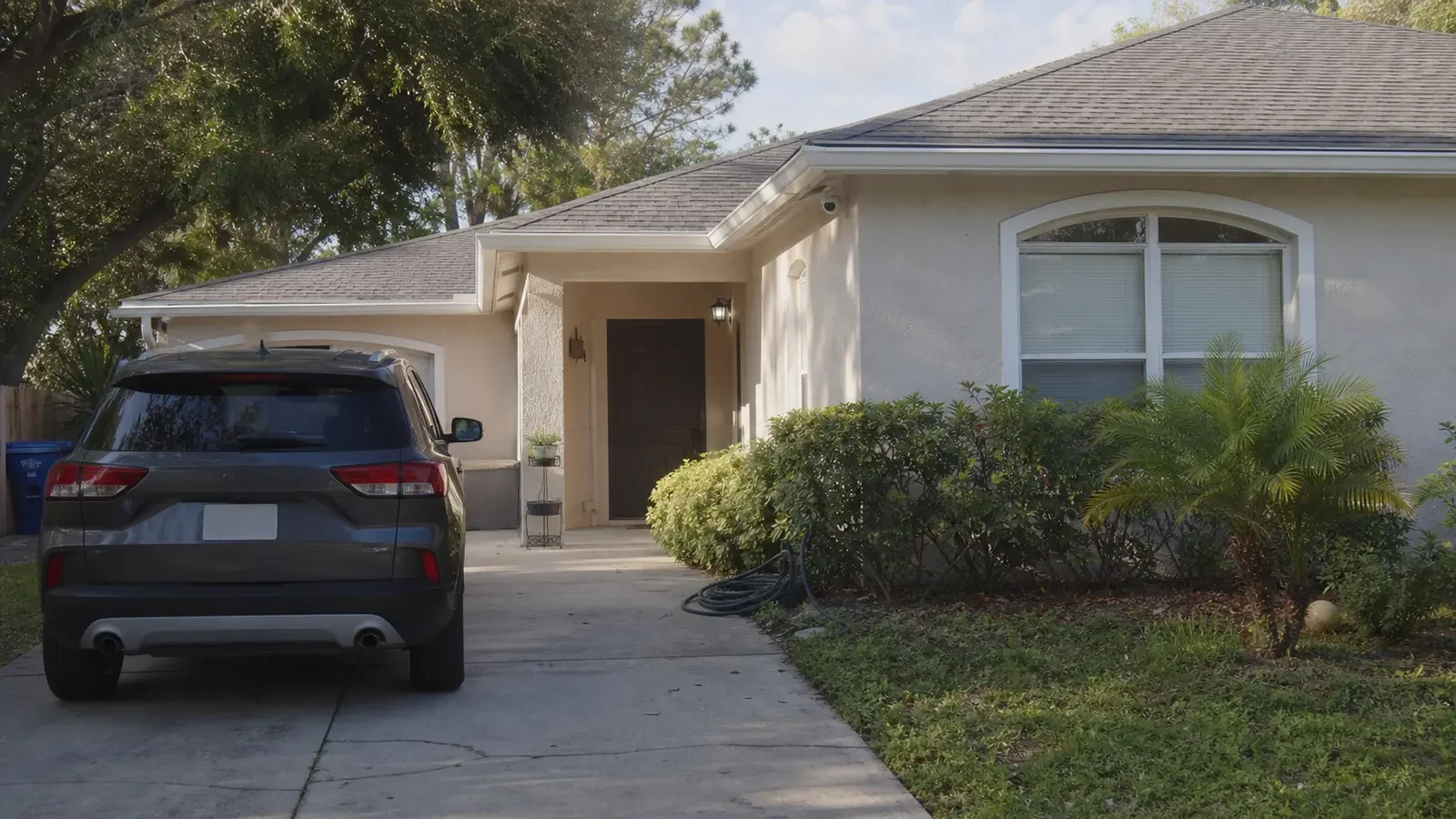
Consistent lane geometry helps, but access credentials and plate records remain separate systems with different ownership and privacy decisions.
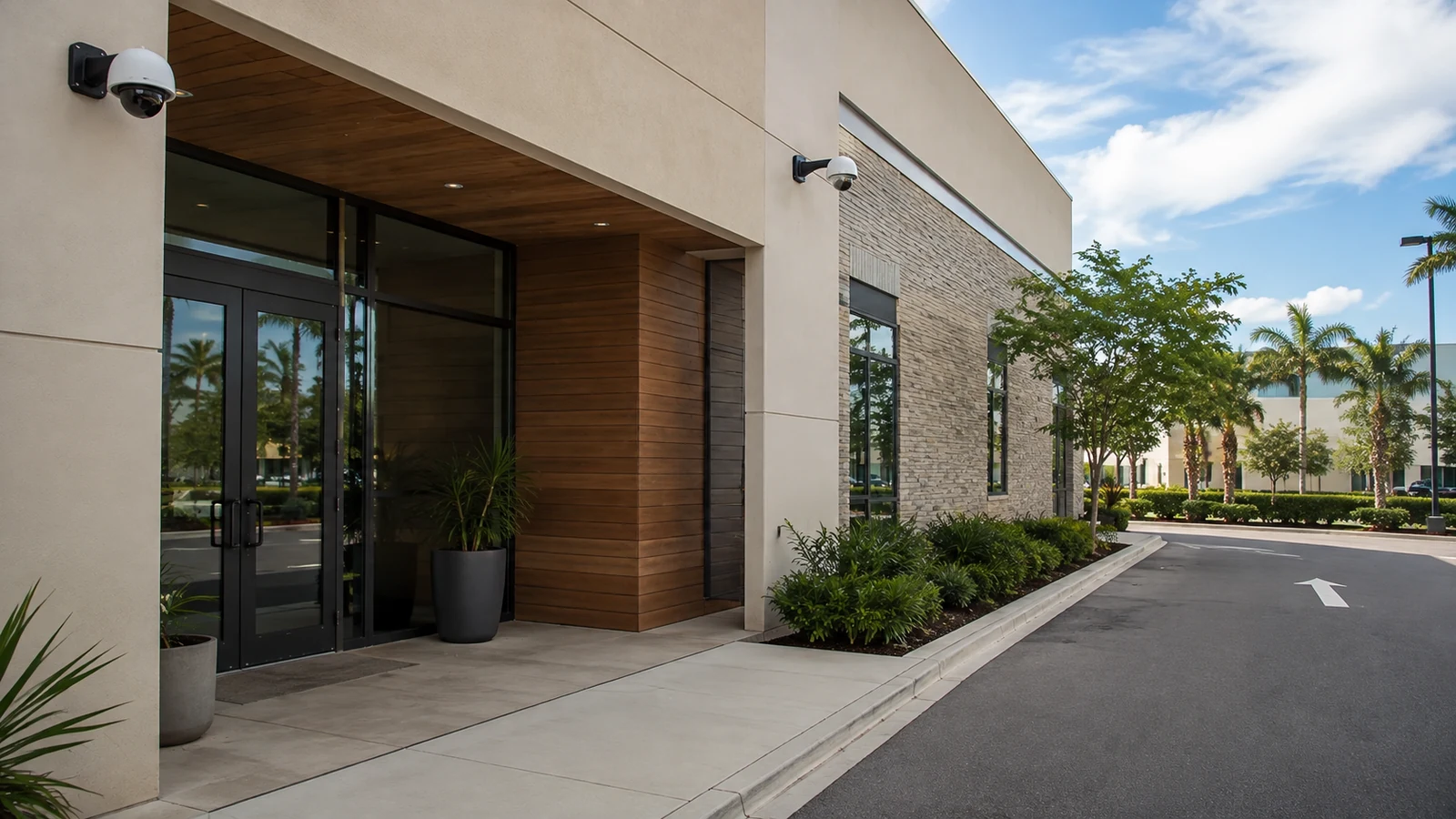
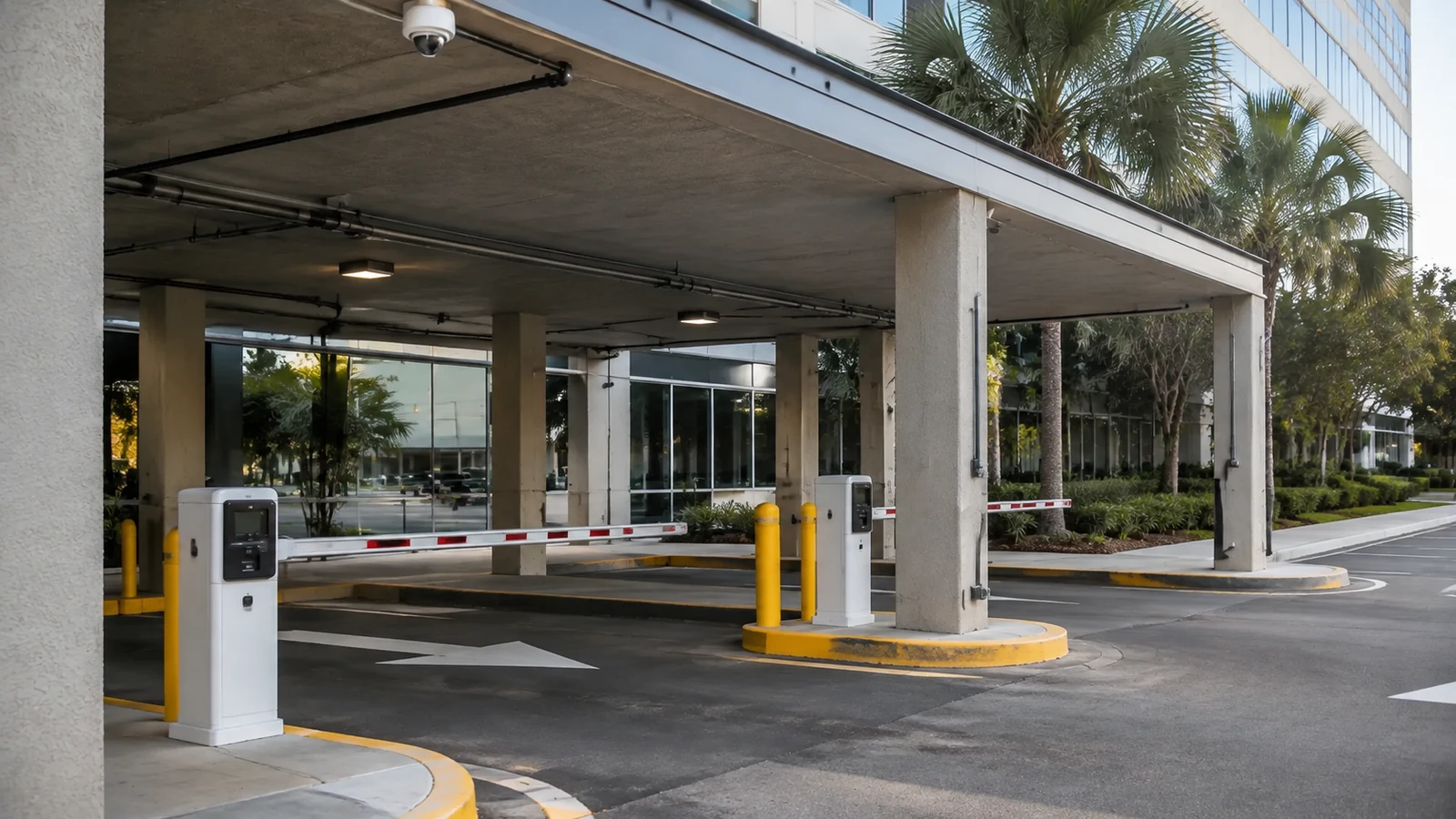
Vendor and service traffic may use a curved or shared lane, so the capture point must avoid steep angle, obstruction, and competing headlights.
PROJECT DETAILS
Operational Recommendations
Choose the exact lane location where plate size, angle, speed, and illumination can be tested.
Use one view for the plate task and another for vehicle and event context when both are required.
Verify representative headlights, ambient light, rain exposure, and vehicle movement before acceptance.
Assign retention, authorized users, export procedures, and the operational purpose of plate records.
PROJECT DETAILS
This article helps commercial teams understand license plate recognition cameras as a technical and operational decision. It provides a common vocabulary for comparing alternatives before a property-specific design is approved.
Plate capture does not verify the driver, vehicle ownership, or reason for entry.
Performance can decrease with excessive angle, high speed, obstruction, damaged or dirty plates, weather, and uncontrolled lighting.
A design for a controlled private lane should not be assumed to work on an open multi-lane roadway or outside the customer’s authorized property context.
PROJECT DETAILS
The plate is often too small or blurred when the scene is wide enough to show the entire driveway.
Excessive horizontal or vertical angle distorts the plate and reduces the useful capture window.
Night headlights and motion can defeat a daytime-focused setup even when resolution is high.
One wide camera may not provide adequate target size or geometry across every lane.
Undefined retention and access create operational and privacy risk without improving capture quality.
TECHNICAL PLANNING
Record lane width, curve, vehicle direction, stopping behavior, obstructions, and the exact capture point.
Choose a stable mounting position that controls horizontal and vertical angle while preserving service access.
Set the field of view around the plate task and verify focus at the intended capture distance.
Coordinate exposure, gain, infrared or site lighting, and headlight behavior for day and night traffic.
Assign timestamps, retention, search and export roles, storage, cybersecurity, and documented limitations.
PROJECT DETAILS
RELATED SERVICES
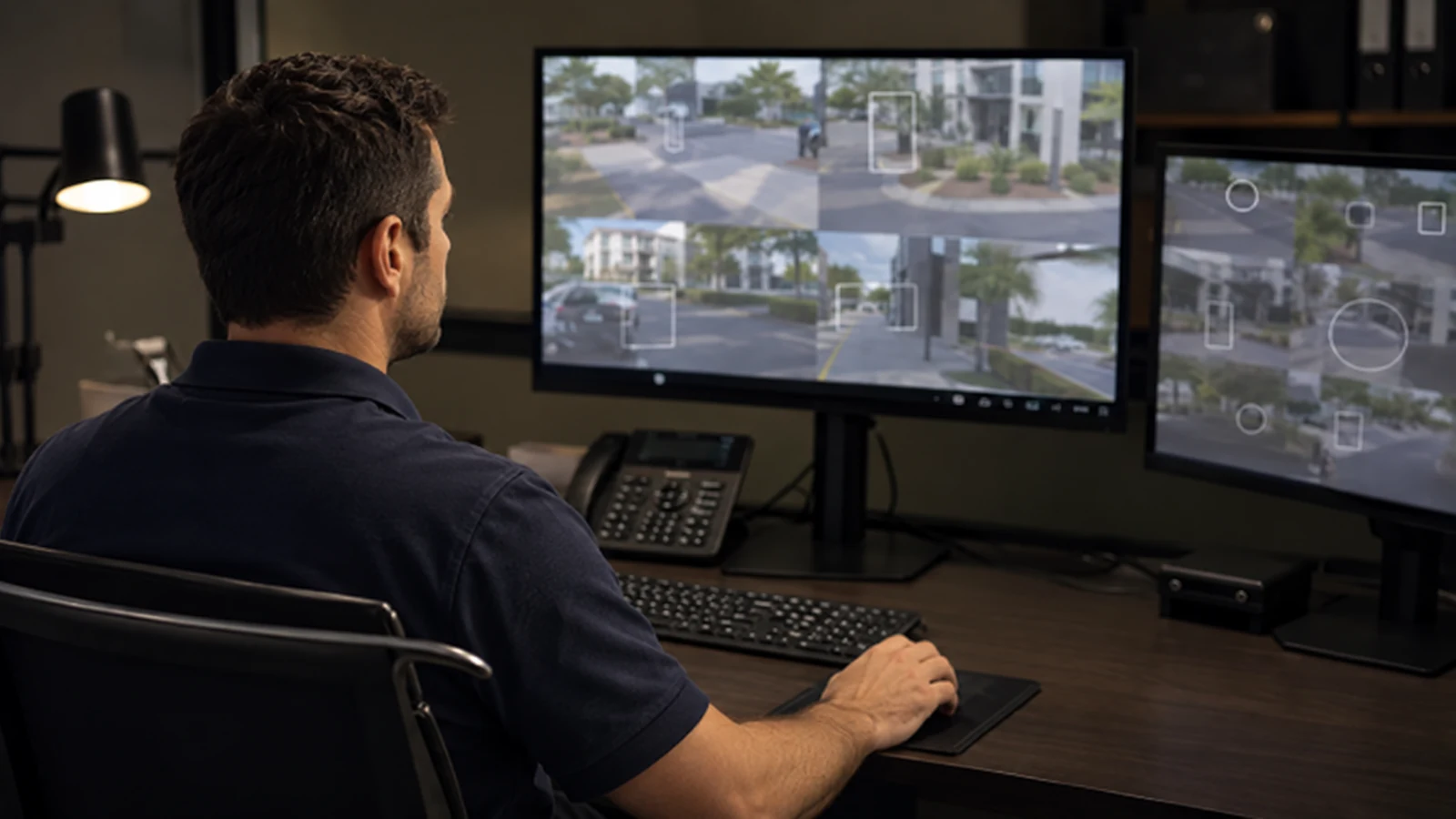
AI Video Analytics is the primary implementation path when the article findings require a property-specific scope for dedicated plate view and overview view and lane geometry and capture point.
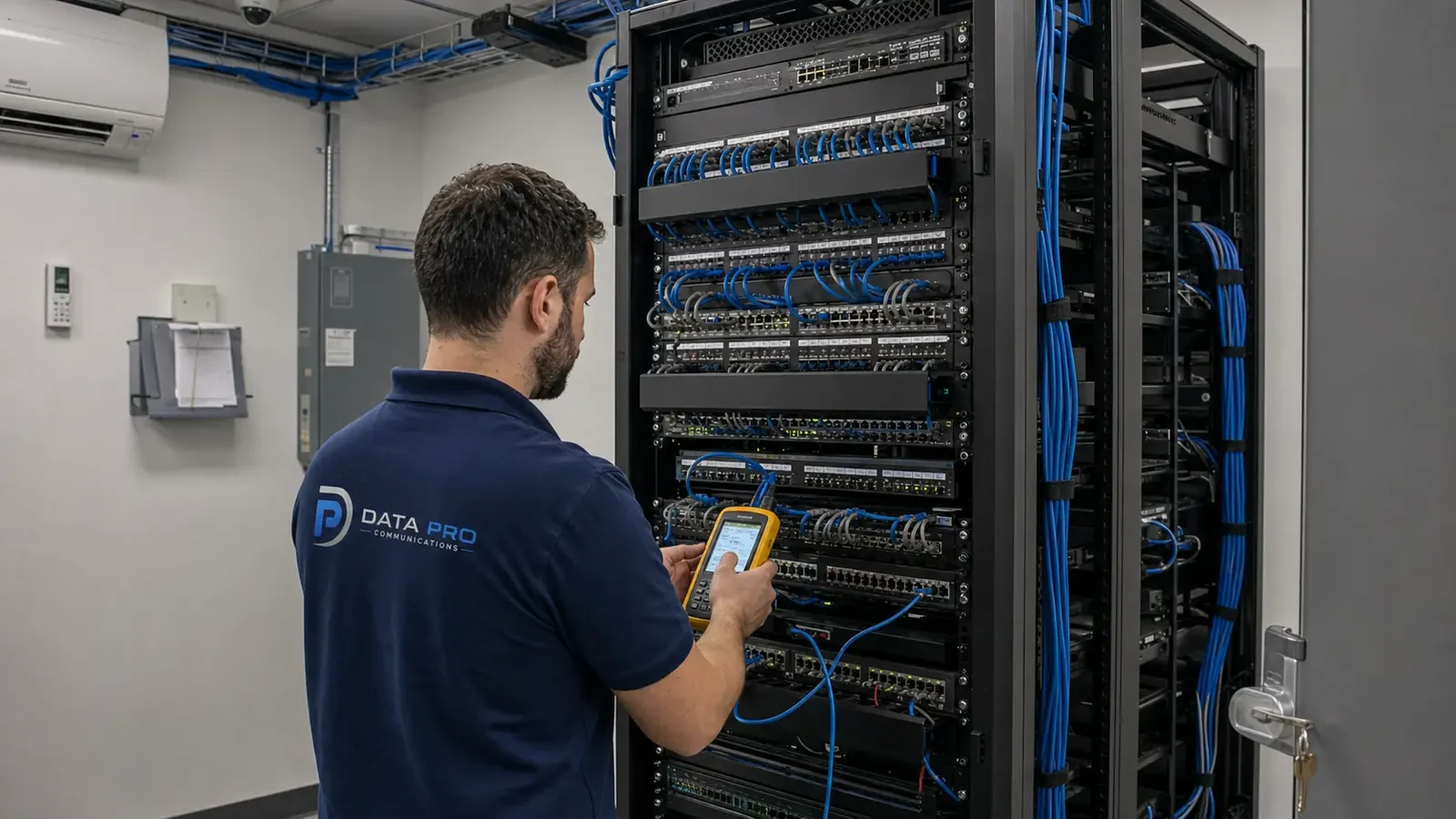
Structured Cabling supports the pathways, labels, and tested physical links involved in lane survey and geometry and mounting height and angle.
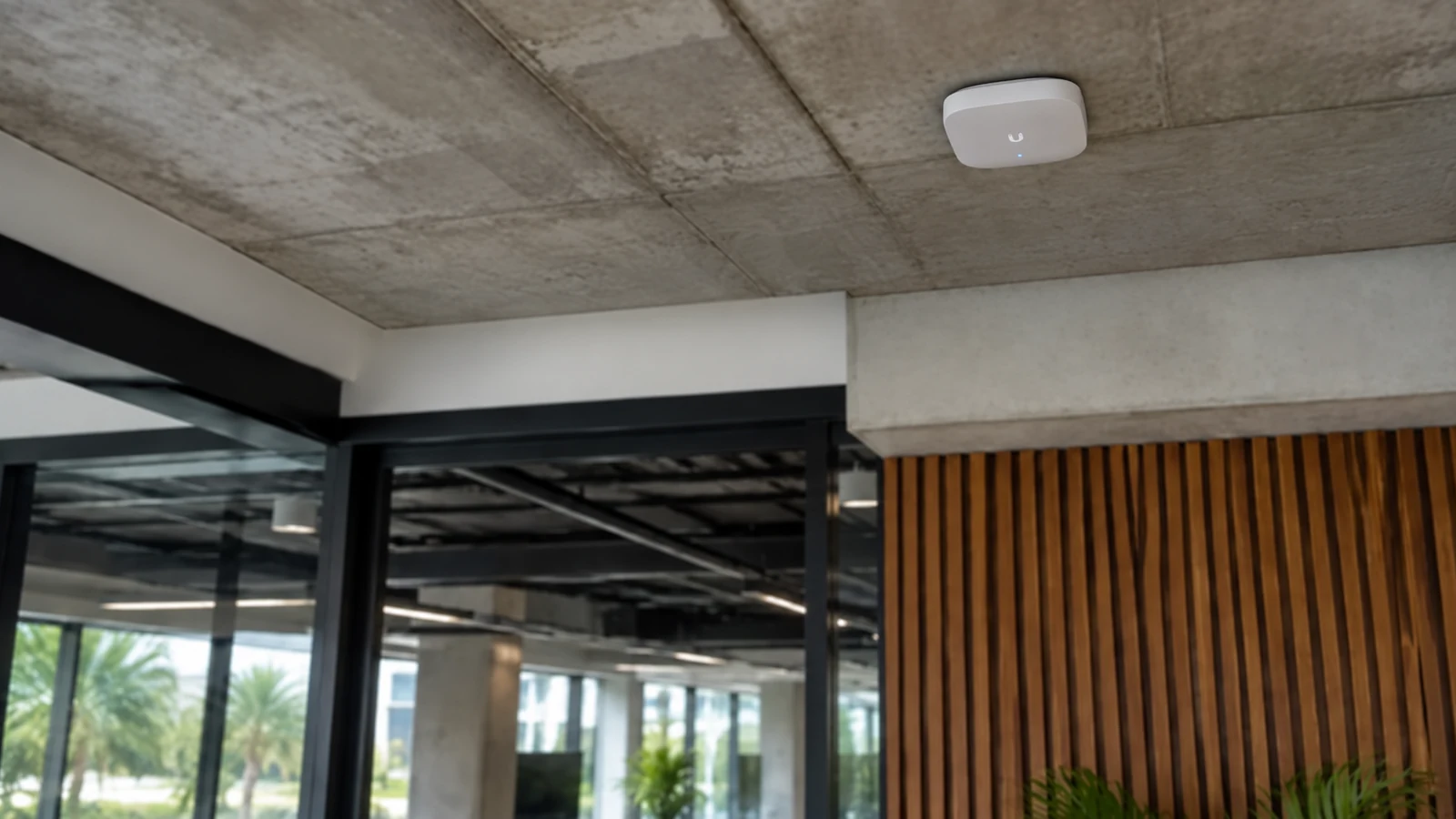
Network Infrastructure addresses switching, power, segmentation, uplinks, accounts, and monitoring where lens, target size, and focus affects the article decision.
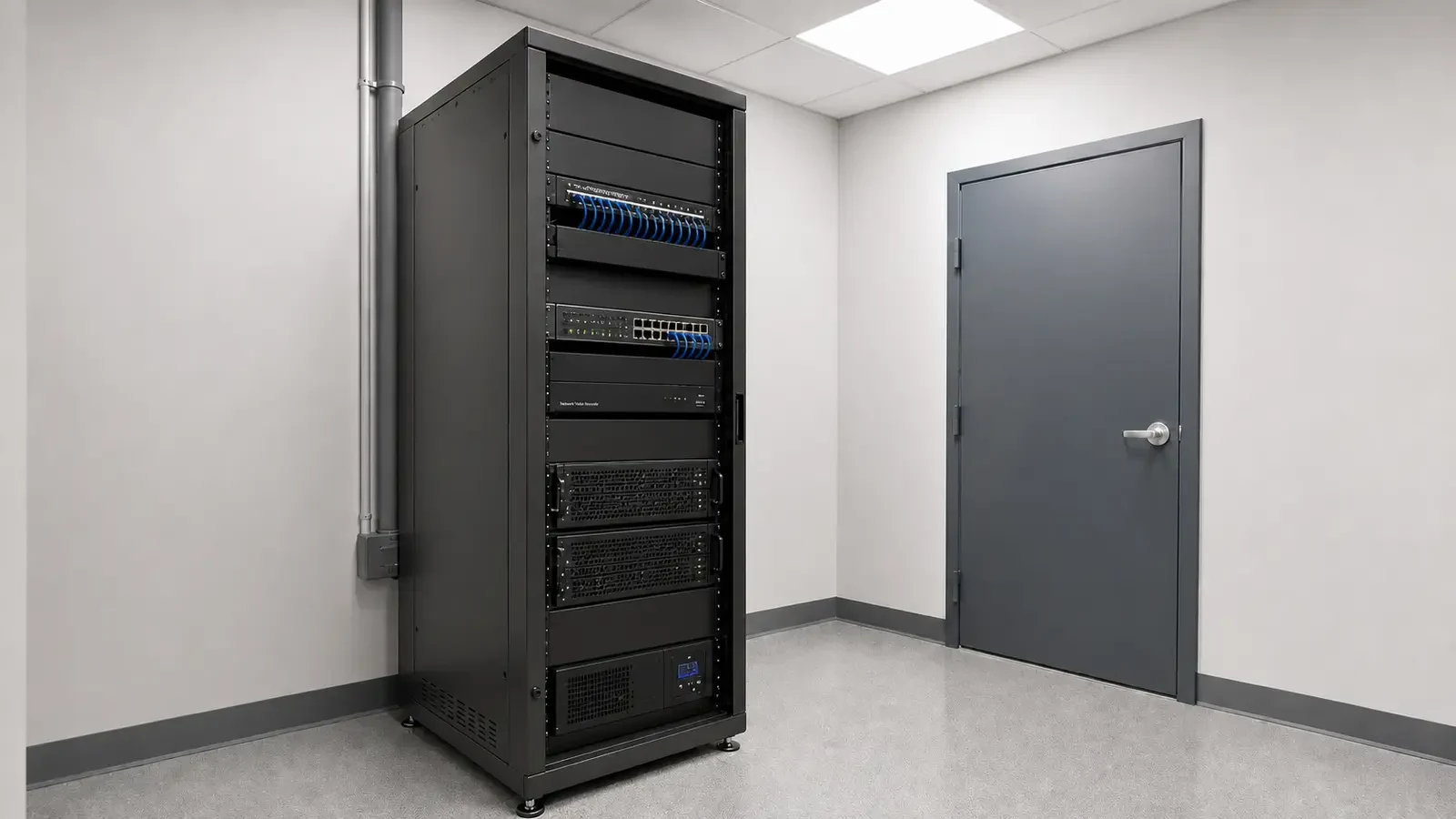
Camera System Upgrades applies when existing equipment must be evaluated against the new requirements for dedicated plate view and overview view and the stated limitations.
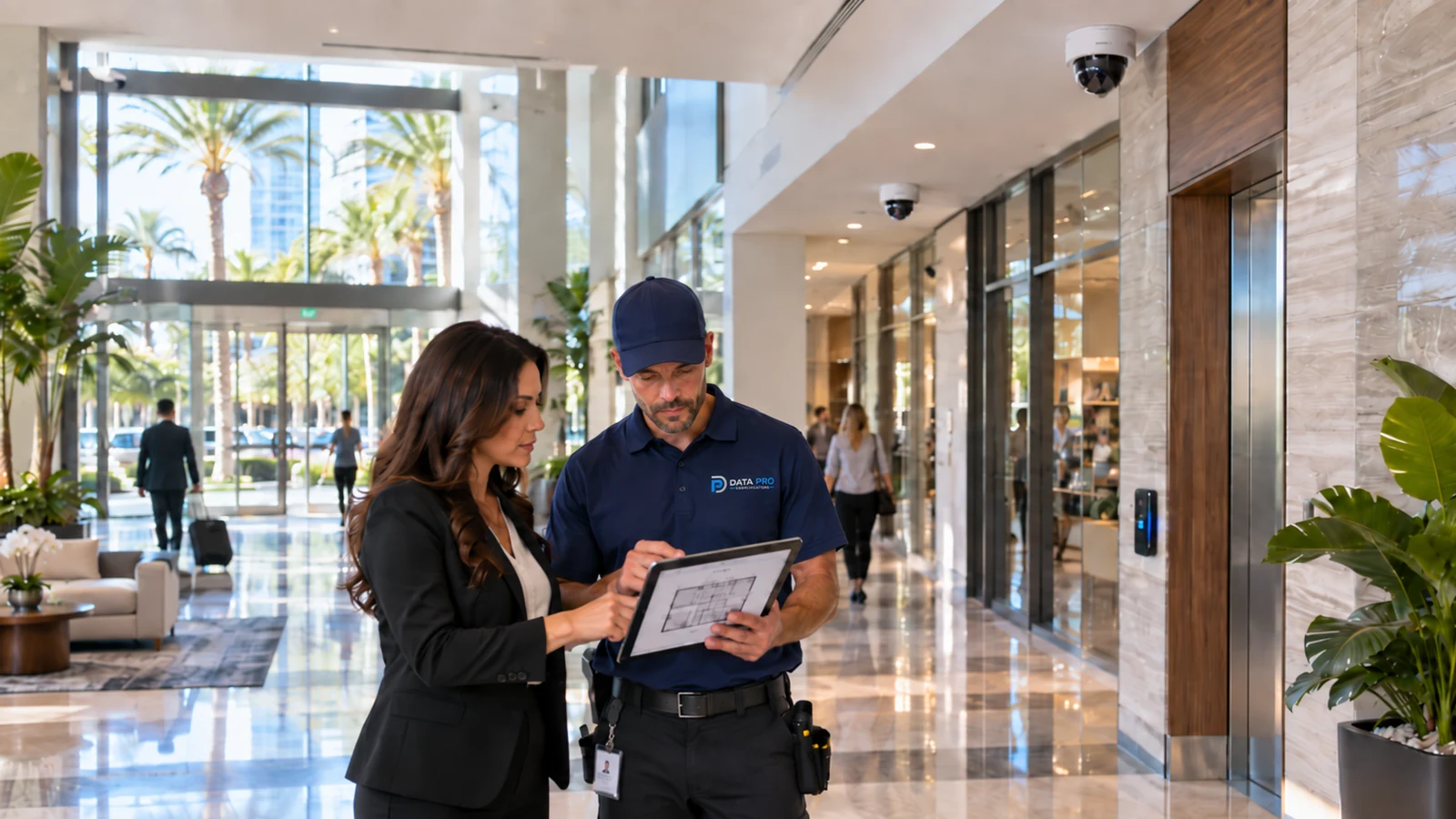
Camera Troubleshooting & Repair uses the documented tests and dependencies in this guide to isolate faults involving recording and data governance or existing system behavior.
PROJECT PROCESS
Identify the article question, intended users, operating scenario, and the decision the property needs to make about license plate recognition cameras.
Inspect the relevant scenes and dependencies, including lane survey and geometry, mounting height and angle, and lens, target size, and focus.
Compare alternatives against the six topic-specific concepts, document limitations, and assign implementation and network responsibilities.
Perform the acceptance checks described in the scope and deliver settings, labels, test results, exceptions, authorized ownership, and service information.
FAQ
License plate capture is a dedicated imaging task, not a feature that can be assumed from an overview camera. A useful design controls the lane, plate angle, target size, shutter behavior, illumination, vehicle speed, mounting height, retention, and authorized search workflow.
The plate camera should be framed tightly enough to capture the plate at a defined point. A separate overview camera can show vehicle color, type, direction, and surrounding activity without forcing one view to perform both jobs.
Lane width, curve, stopping position, vehicle approach, and the horizontal and vertical angle determine whether plates remain readable in the intended capture zone.
Resolution matters only after the plate occupies enough of the image. A wide scene can have many megapixels while placing too few useful pixels across the plate.
Shorter exposure can reduce motion blur but also reduces captured light. The camera, lens, illumination, and vehicle speed must be evaluated together rather than set independently.
Headlights, reflective plates, ambient lighting, and infrared response create a different problem from daytime capture. Night testing should use real approach geometry without recording private plate data in the handoff.
Define who may search or export plate records, how long data is retained, and the operational purpose. Plate capture does not identify a driver and can be affected by obstruction, plate condition, weather, or speed.
The most common errors include using an overview camera as the only plate camera and mounting at a steep angle. The plate is often too small or blurred when the scene is wide enough to show the entire driveway.
Choose the exact lane location where plate size, angle, speed, and illumination can be tested. Use one view for the plate task and another for vehicle and event context when both are required.
Assign timestamps, retention, search and export roles, storage, cybersecurity, and documented limitations.
Plate capture does not verify the driver, vehicle ownership, or reason for entry. Performance can decrease with excessive angle, high speed, obstruction, damaged or dirty plates, weather, and uncontrolled lighting.
Use a lane survey whenever speed, angle, lane width, mounting, headlights, or retention requirements have not been verified at the intended capture point.
Use a lane survey whenever speed, angle, lane width, mounting, headlights, or retention requirements have not been verified at the intended capture point. The resulting scope should state technical criteria, limitations, responsibilities, and acceptance tests before installation begins.