
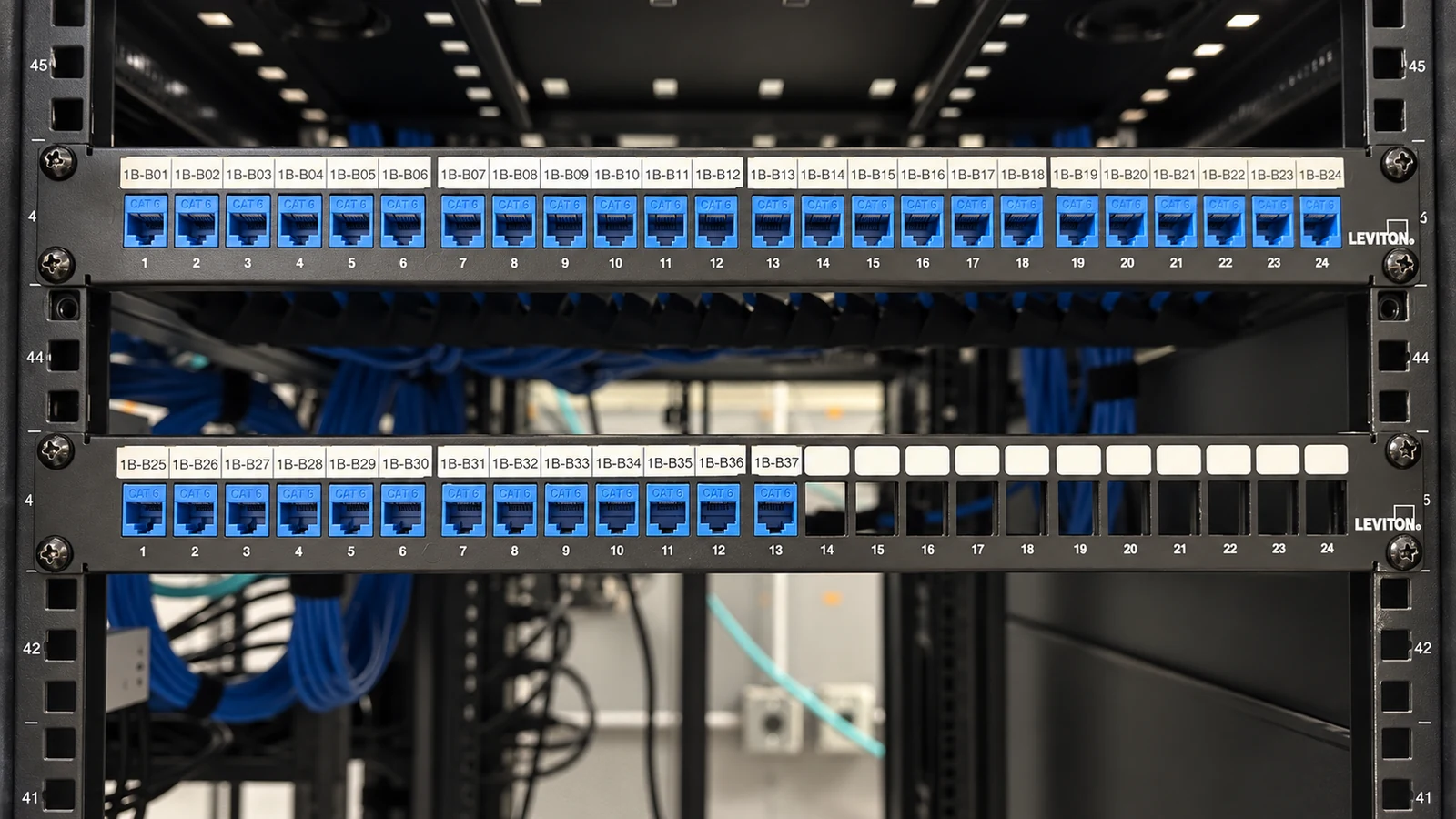
Application-Based Category Selection
Cat6 or Cat6A is selected from performance, pathway, PoE, environmental, and expansion requirements rather than a one-size rule.
Horizontal copper cabling for connected commercial spaces
Cat6 and Cat6A cabling connects workstations, point-of-sale equipment, cameras, wireless access points, phones, access-control devices, intercom endpoints, and other Ethernet systems across commercial properties. Data Pro Communications plans pathways, copper category, terminations, rack relationships, testing, labels, and documentation for Orlando projects.
The right category depends on application, distance, pathway conditions, bundle size, equipment, PoE load, environment, and expansion plans. Cat6A is not an automatic upgrade for every run; selection follows the measured project requirements and the complete channel design.
PROJECT PLANNING
A reliable copper plan starts with endpoints, switch locations, pathway length, PoE needs, construction conditions, and the expected service life. The site survey converts those requirements into drop routes, category selection, termination details, rack capacity, test expectations, labels, and closeout records.
Cat6 or Cat6A is selected from performance, pathway, PoE, environmental, and expansion requirements rather than a one-size rule.
The scope considers patch panels, horizontal cable, outlets, jacks, faceplates, patching, switch location, and endpoint use.
Continuity, qualification, or certification expectations are stated in the proposal so the closeout evidence matches the contracted requirement.
Drops, panels, ports, faceplates, and test records use consistent identifiers that support moves, additions, changes, and troubleshooting.
Commercial projects use the approved Data Pro Communications identity and FL License #EC13016138 with claims bounded to the actual scope.
SERVICE OVERVIEW
Commercial copper cabling is more than pulling cable between two points. Each link depends on the planned route, category-rated components, bend and pull conditions, termination workmanship, outlet placement, patch-panel capacity, rack access, device power needs, and test criteria. A complete scope defines the pathway and the records needed to support the installed system.
Cat6 is widely used for commercial Ethernet applications where the designed channel, equipment, and environment fit its performance. Cat6A provides additional performance margin and is often evaluated for higher-speed or long-service-life requirements, but its larger diameter, pathway fill, bend requirements, termination space, and installation conditions must be planned.
This page owns horizontal Cat6/Cat6A copper drops and their link components. Structured Cabling remains the broader infrastructure service; Network Infrastructure owns switching and logical network design; Fiber Optic Services owns backbone and longer-distance links; Cable Testing & Certification owns standalone measured-performance work.
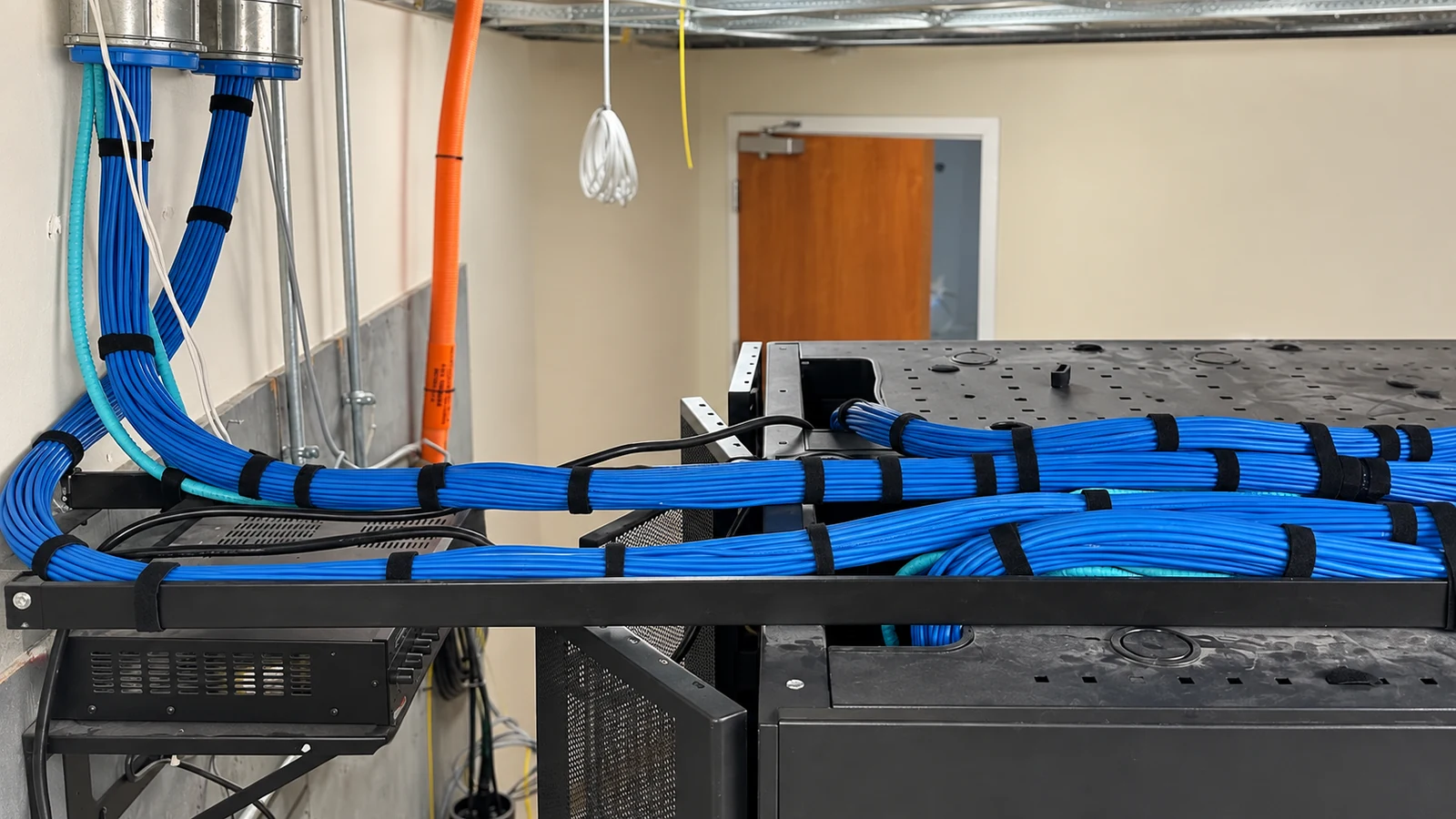
CORE CAPABILITIES
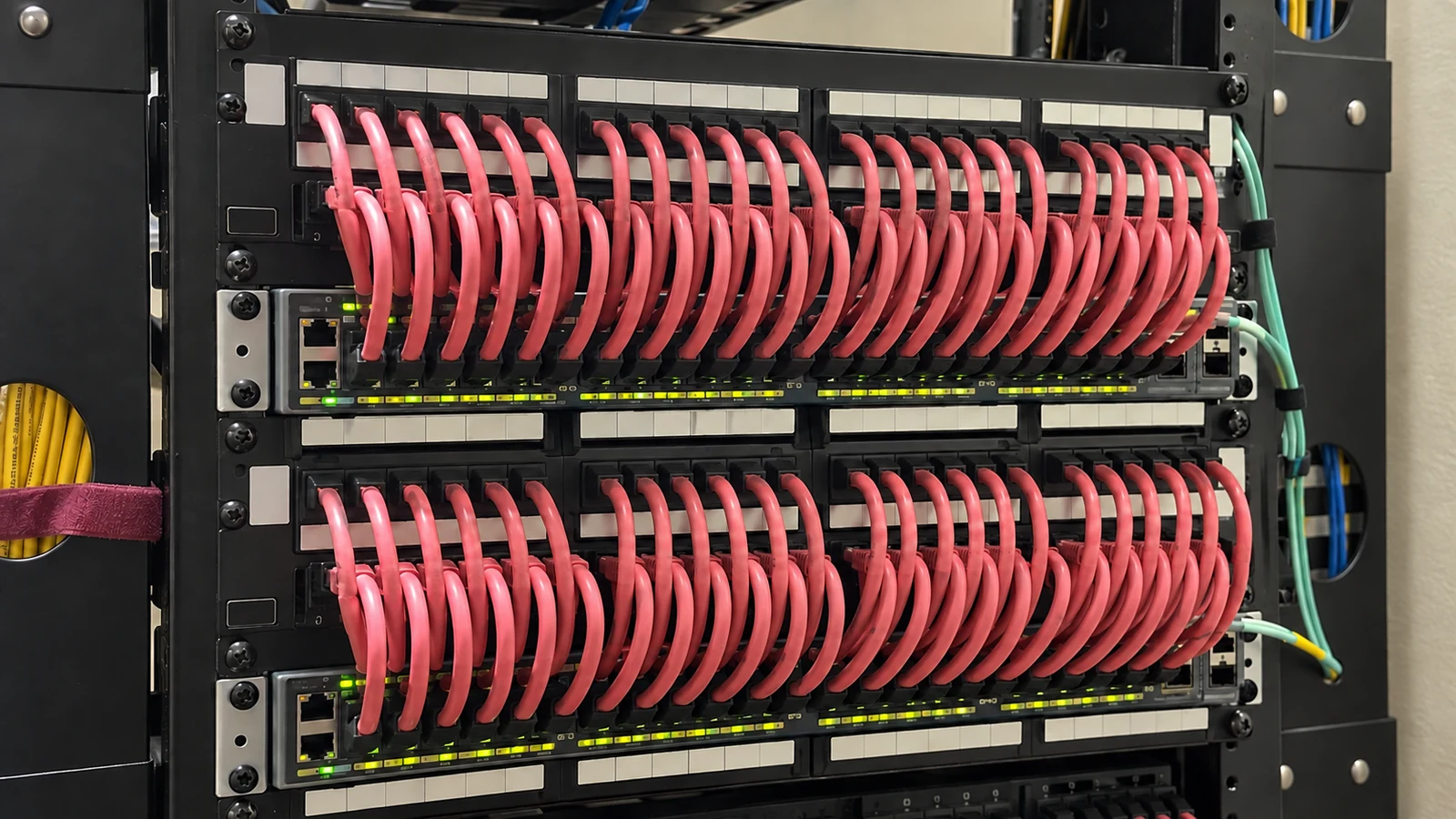
Match category, component rating, pathway capacity, expected application, PoE demand, installation environment, and service-life goals to the property requirement.
Plan and install horizontal copper runs for workstations, printers, point-of-sale, phones, cameras, wireless access points, access devices, intercoms, and building technology endpoints.
Terminate category-matched components at the rack and work area with consistent port assignments, faceplate labels, strain relief, and service access.
Coordinate horizontal runs with the correct serving room, rack, panel, switch capacity, uplink dependency, grounding context, and cable-entry pathway.
Perform the agreed test level and document results against the contracted link definition, including remediation of installation faults within scope.
Provide consistent outlet, cable, panel, and port identifiers with schedules or test records that support operations and later expansion.
COMMERCIAL USE CASES
Provide planned data and voice outlets for offices, conference rooms, reception areas, shared workspaces, printers, and administrative equipment.
Support payment terminals, back-office systems, printers, inventory devices, cameras, and wireless coverage with traceable copper drops.
Connect PoE cameras, readers, intercom stations, and related endpoints while coordinating switch capacity, power budget, pathway, and service access.
Place category-rated cabling for ceiling or wall access points based on the wireless design, mounting conditions, PoE requirements, and serving switch location.
Connect phones, intercom endpoints, room schedulers, conferencing devices, and collaboration systems using defined outlet and network dependencies.
Coordinate sleeves, supports, pathways, occupied-space access, finish protection, and phased activation for new builds, renovations, or additions.
TECHNICAL PLANNING
Category selection alone does not define a compliant or useful link. Pathways, distances, components, PoE, environment, rack capacity, and test requirements must work together from the serving room to the endpoint.
The proposal identifies whether the measured scope is the installed permanent link or the complete channel including patch cords. Category-rated performance depends on every included component and the agreed test standard.
Horizontal copper routes are planned within applicable design limits, accounting for patching, work-area cords, floor layout, telecom-room placement, and obstacles. Longer or cross-building paths may require fiber or another architecture.
Cable diameter, bundle size, supports, sleeves, conduit fill, ceiling access, bend control, separation, firestopping responsibility, and occupied-space protection affect feasibility and labor.
Cameras, access points, phones, readers, and other powered endpoints depend on switch power, conductor category, bundle conditions, temperature, connection quality, and the complete equipment design.
CONNECTED SYSTEMS
Horizontal copper is the physical connection layer for many commercial endpoints. Each run must arrive at the correct rack, panel, switch environment, and device location without absorbing the responsibilities of network configuration or endpoint programming.
Copper drops terminate into the planned patch and switch environment. VLANs, addressing, security policy, uplinks, and switch configuration remain Network Infrastructure responsibilities.
Device location, mounting, field of view or coverage design, power budget, switch port, and service loop requirements are coordinated before the run is finalized.
Readers, controllers, intercom stations, room devices, and specialty endpoints use copper where supported, with separate attention to control wiring, power, manufacturer requirements, and commissioning.
ORLANDO SERVICE CONTEXT
Lakehurst, International Drive, Doctor Phillips, Sand Lake Road, the Convention Center area, and west Orlando include hospitality, entertainment, retail, restaurant, office, healthcare, and mixed-use properties with different access and uptime constraints. Cabling scopes must reflect whether work occurs above accessible ceilings, in finished guest areas, during renovations, or around operating staff and customers.
Hospitality and venue projects may prioritize wireless access points, cameras, phones, point-of-sale, and back-of-house systems. Offices may need phased workstation and conference-room drops. Retail and restaurant properties often require carefully scheduled access and clear coordination among network, payment, camera, and wireless endpoints.
Data Pro Communications provides project service using the approved West Orlando / Lakehurst Branch identity. Local relevance describes the served commercial environment and does not claim a separate office in each Orlando neighborhood.
RELATED SERVICES
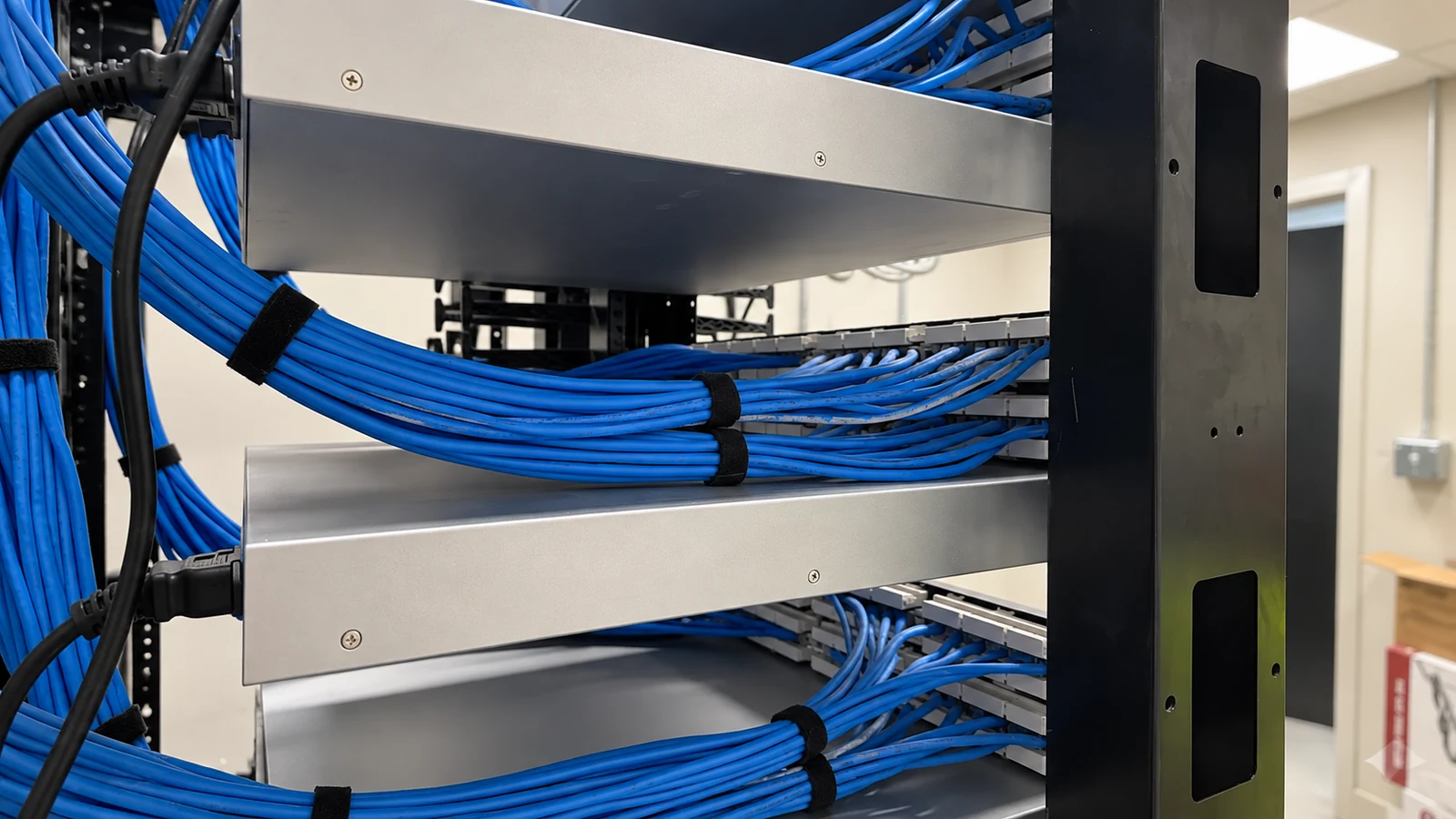
Use Structured Cabling for the broader organized infrastructure: pathways, racks, patch panels, copper/fiber coordination, MDF/IDF standards, and multi-system documentation.
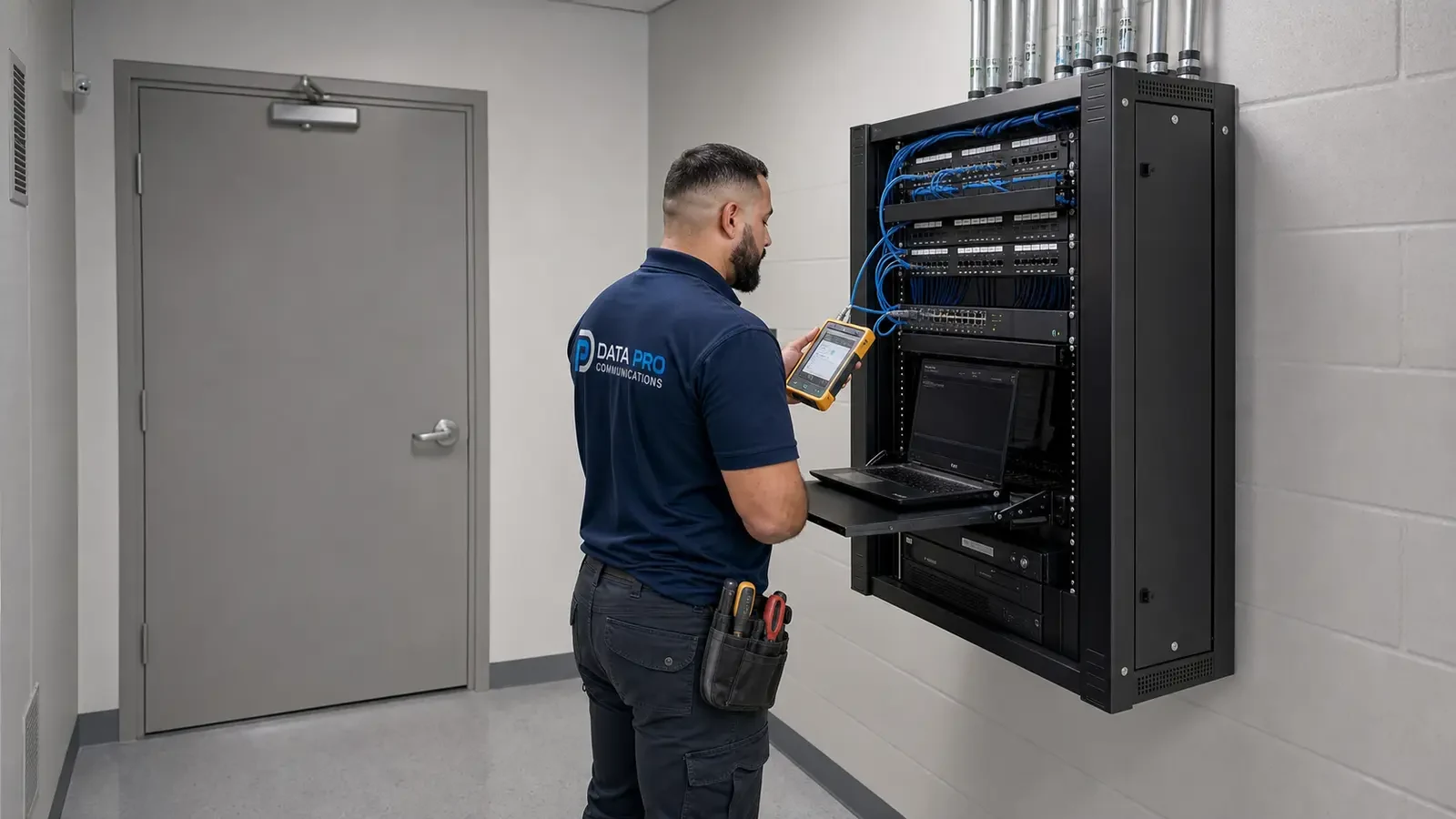
Use Network Infrastructure for switches, VLANs, uplinks, topology, equipment selection, and the logical network serving the installed copper links.
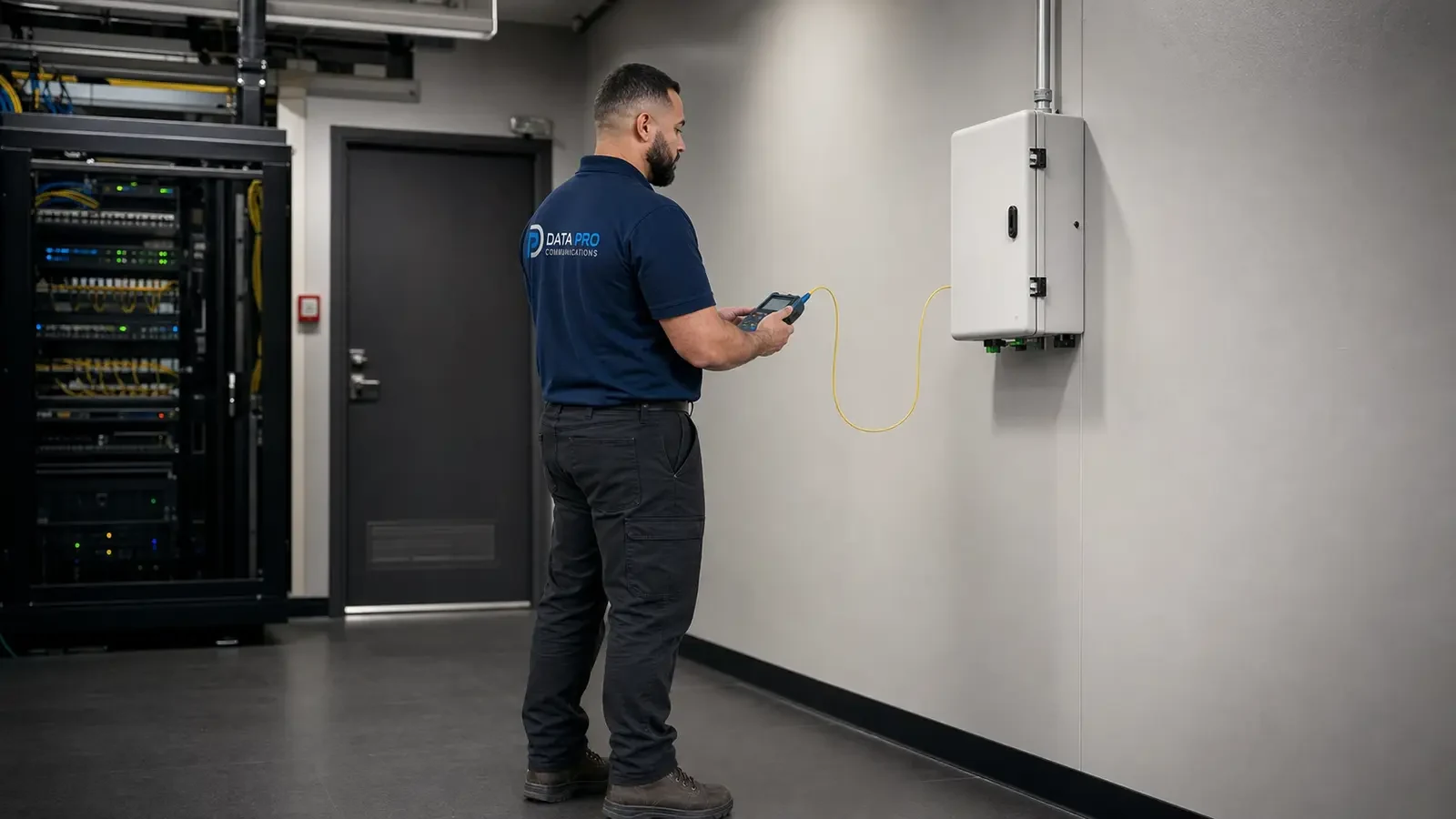
Use fiber for building backbones, higher-capacity uplinks, long-distance connections, inter-building paths, or environments where copper is not the correct medium.
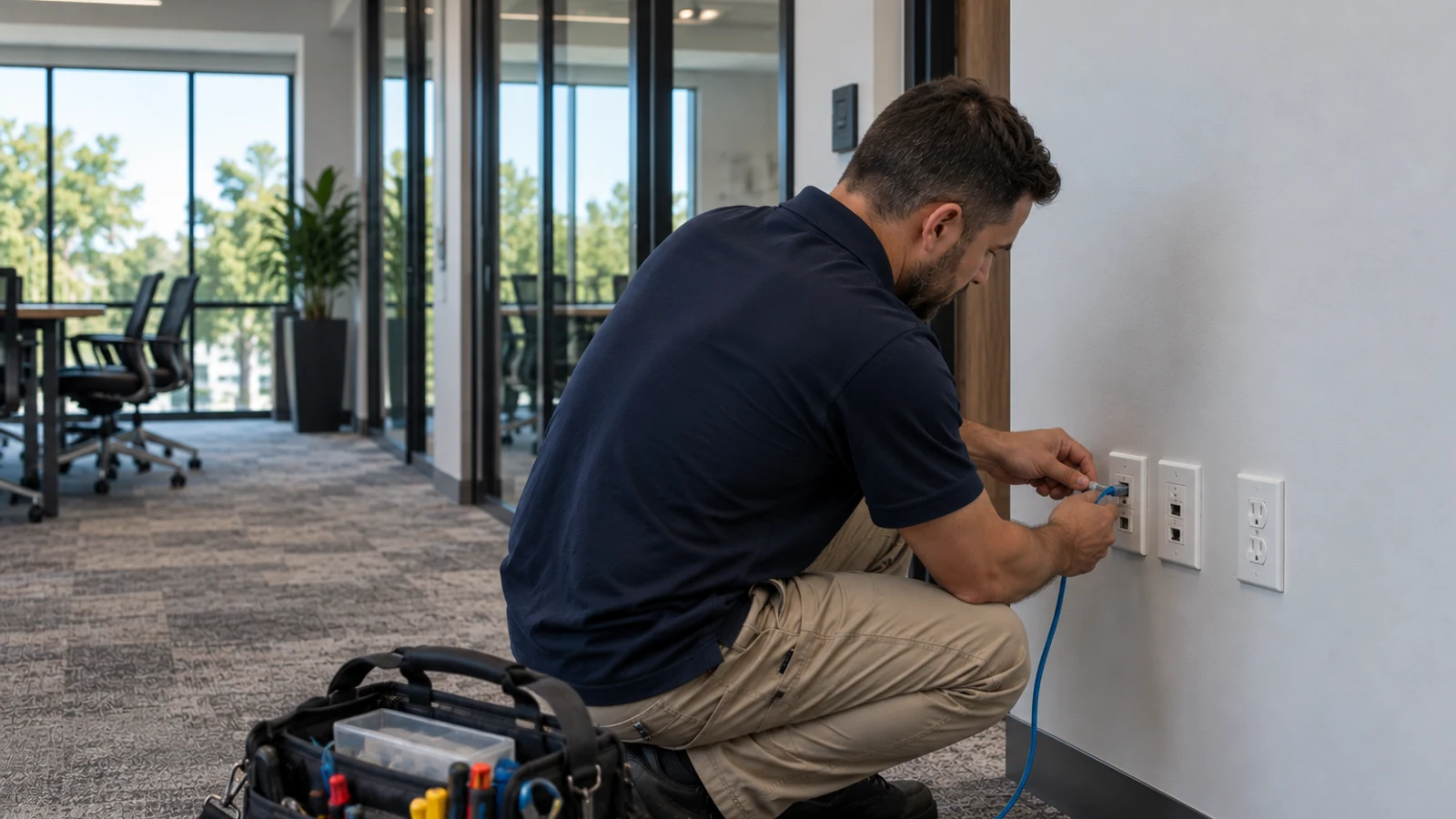
Use standalone testing services when existing or newly installed links need measured evidence, fault isolation, or a contracted certification record beyond the installation closeout.
INDUSTRIES SERVED
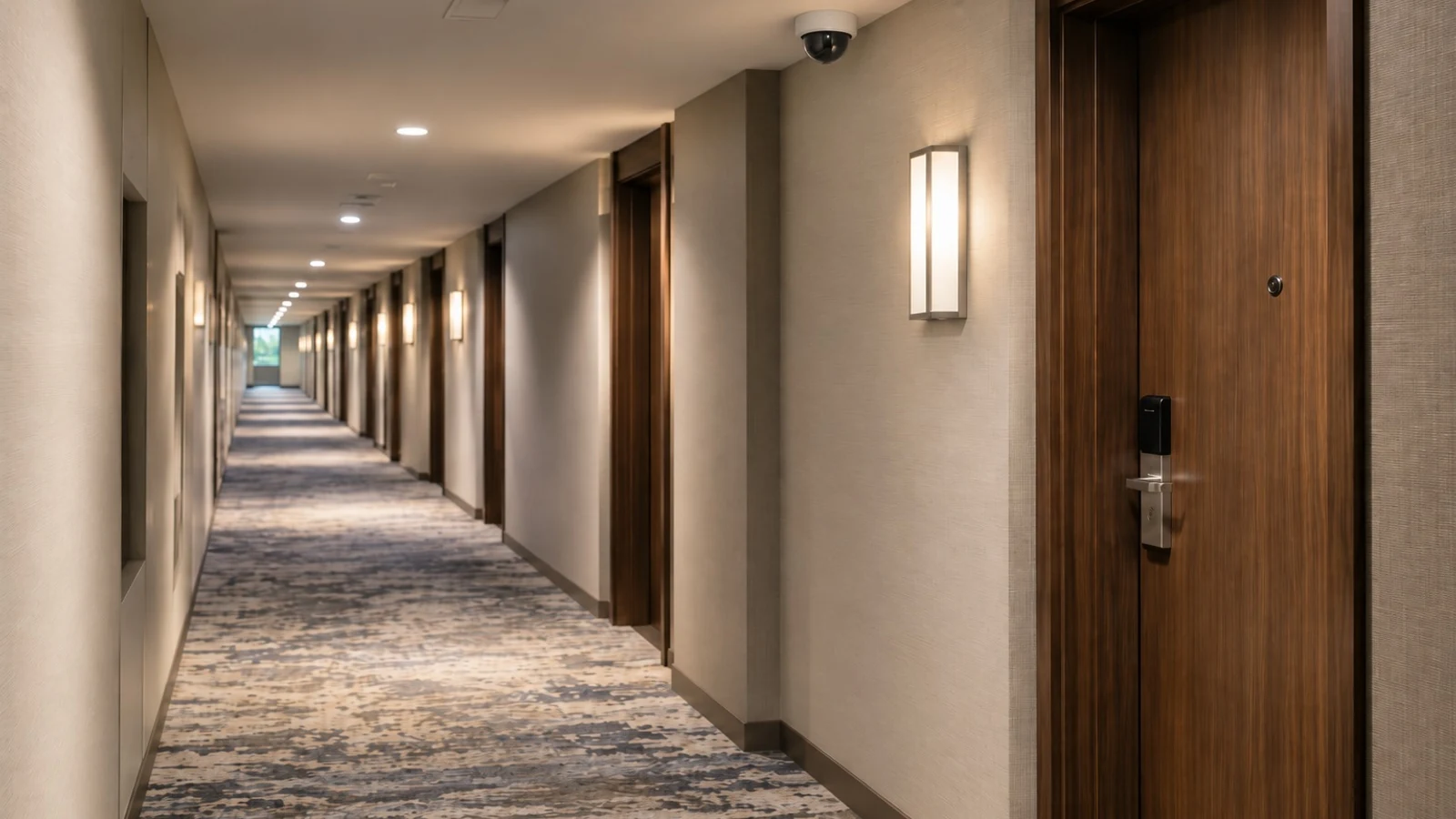
Hotels, restaurants, attractions, and event properties use copper for wireless, cameras, phones, point-of-sale, back-office, and operational endpoints.
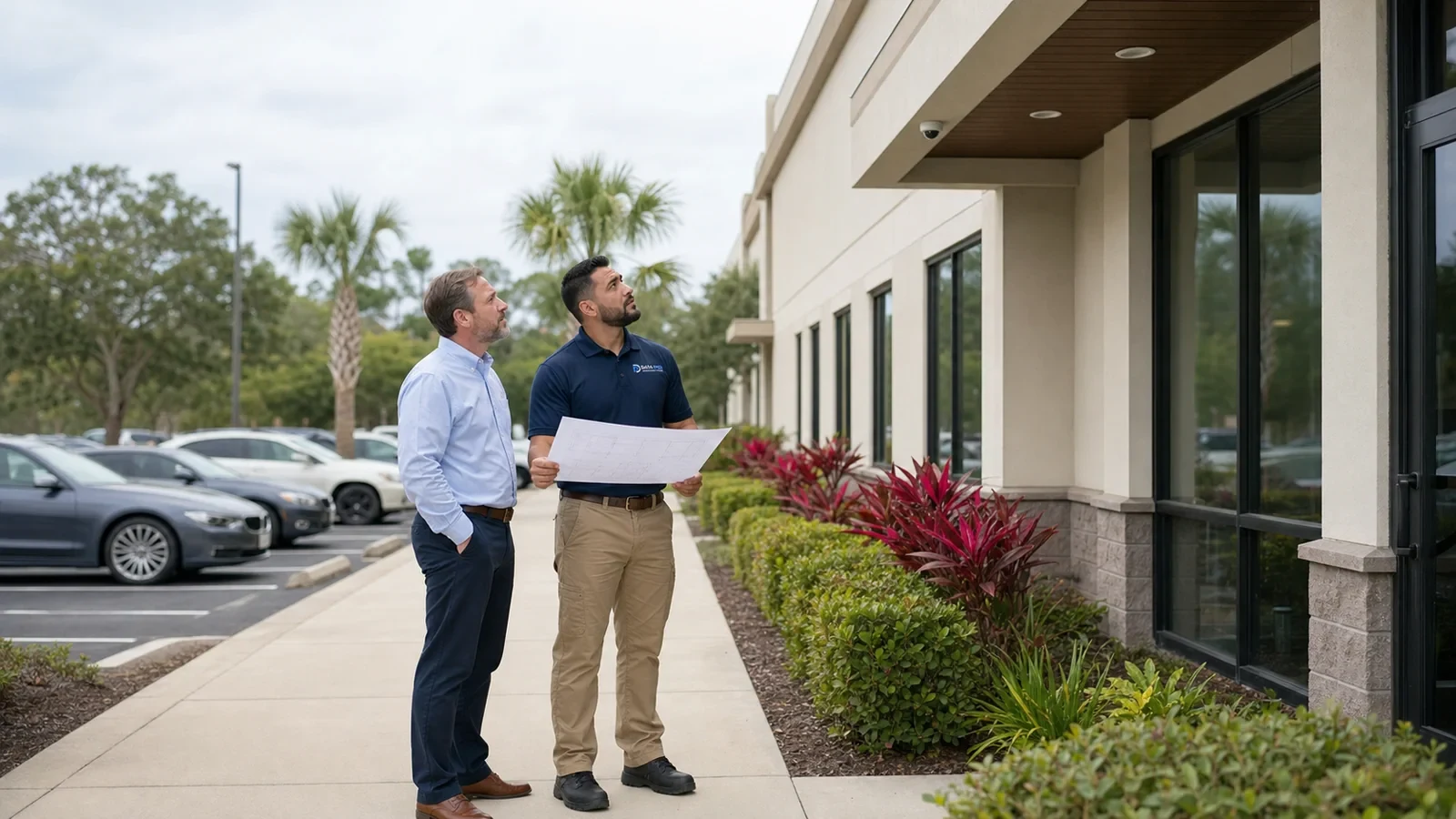
Retail and Point-of-Sale
Stores and service businesses need traceable drops for payment, inventory, wireless, cameras, printers, phones, and administrative equipment.
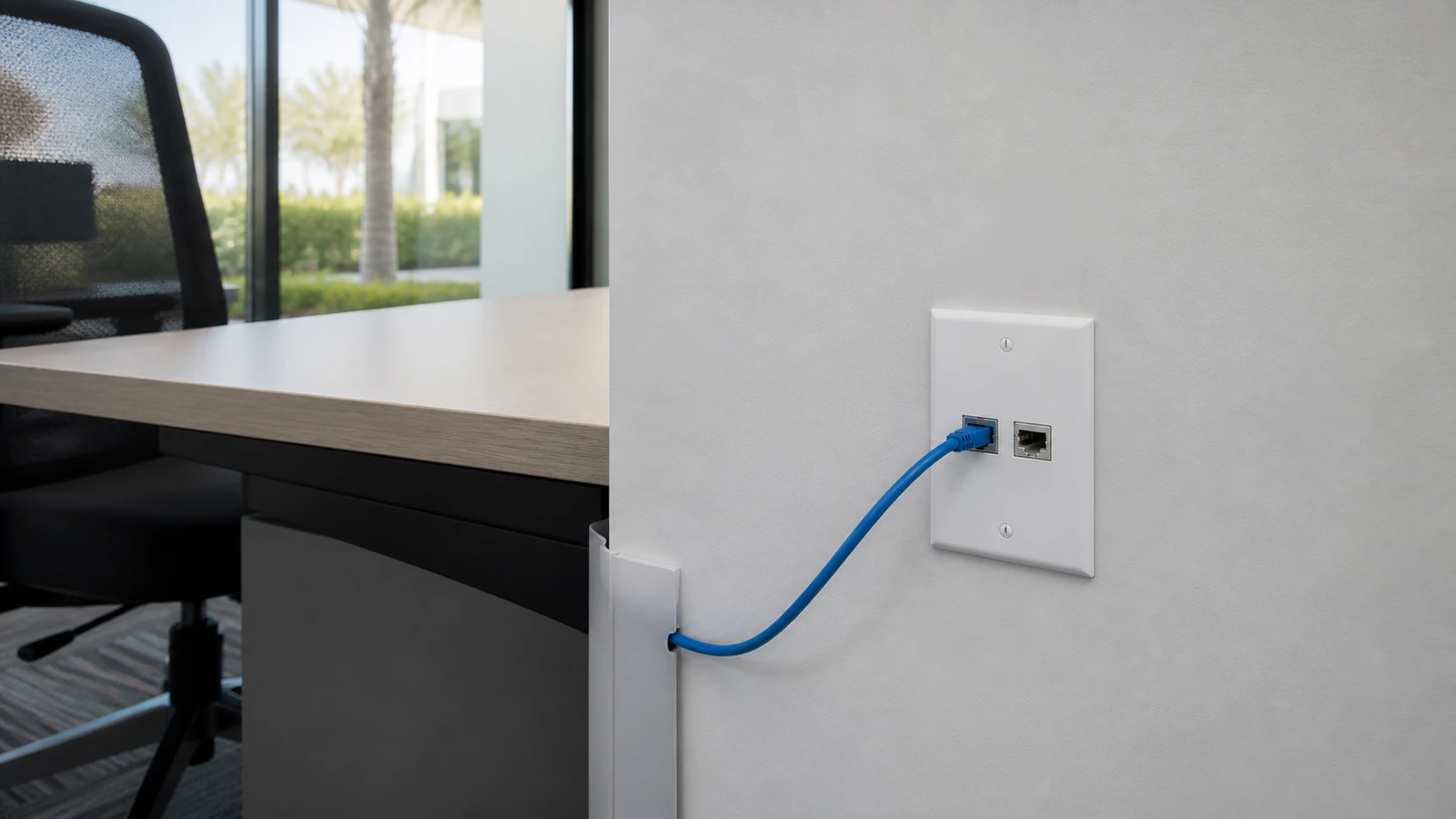
Offices, clinics, and professional suites use planned outlets for staff, rooms, printers, phones, access devices, and shared systems while protecting occupied finishes.
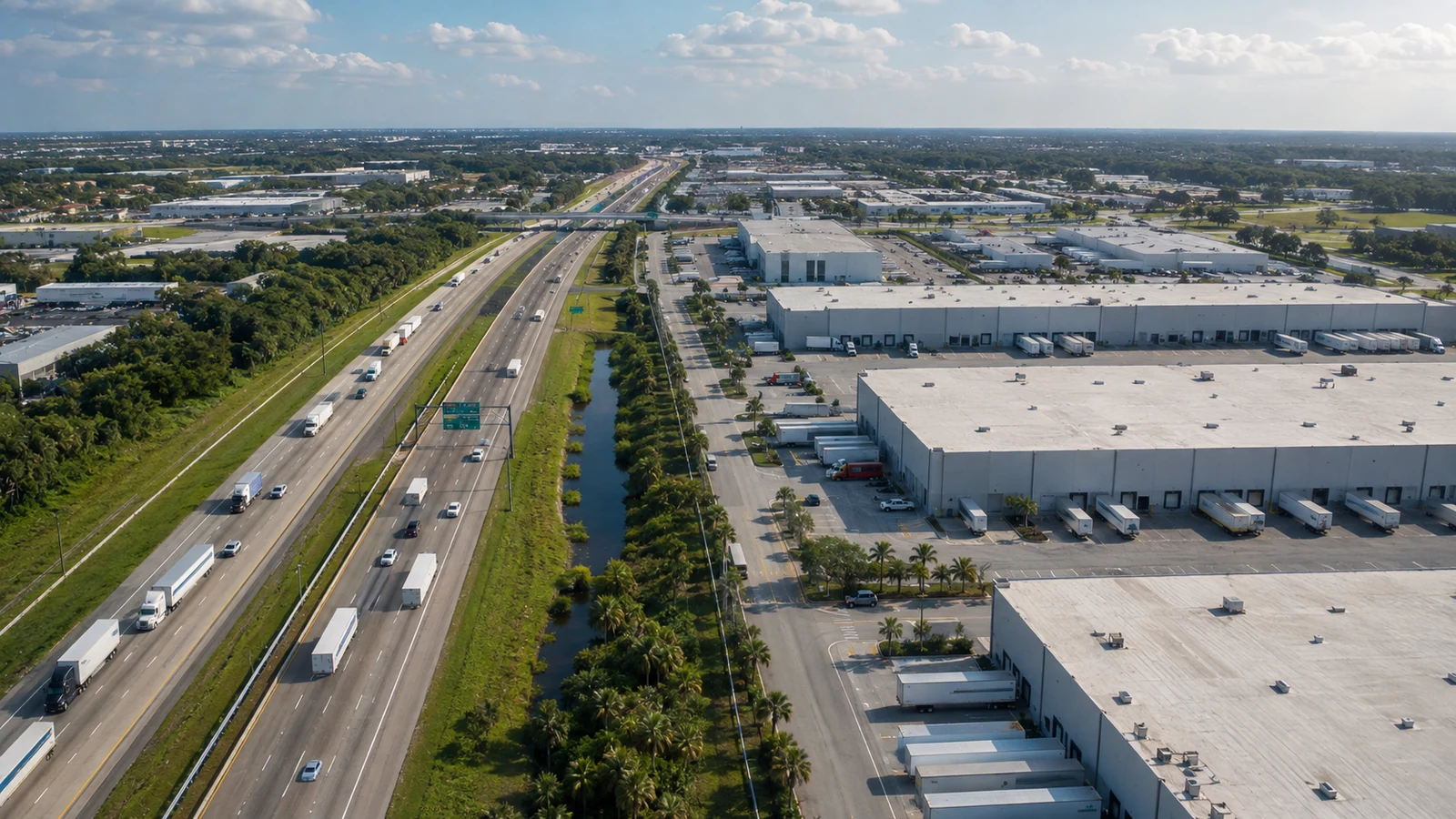
Warehouse, logistics, and support areas use copper for offices, cameras, access points, phones, workstations, scanners, and edge devices where distance and environment permit.
PROJECT PROCESS
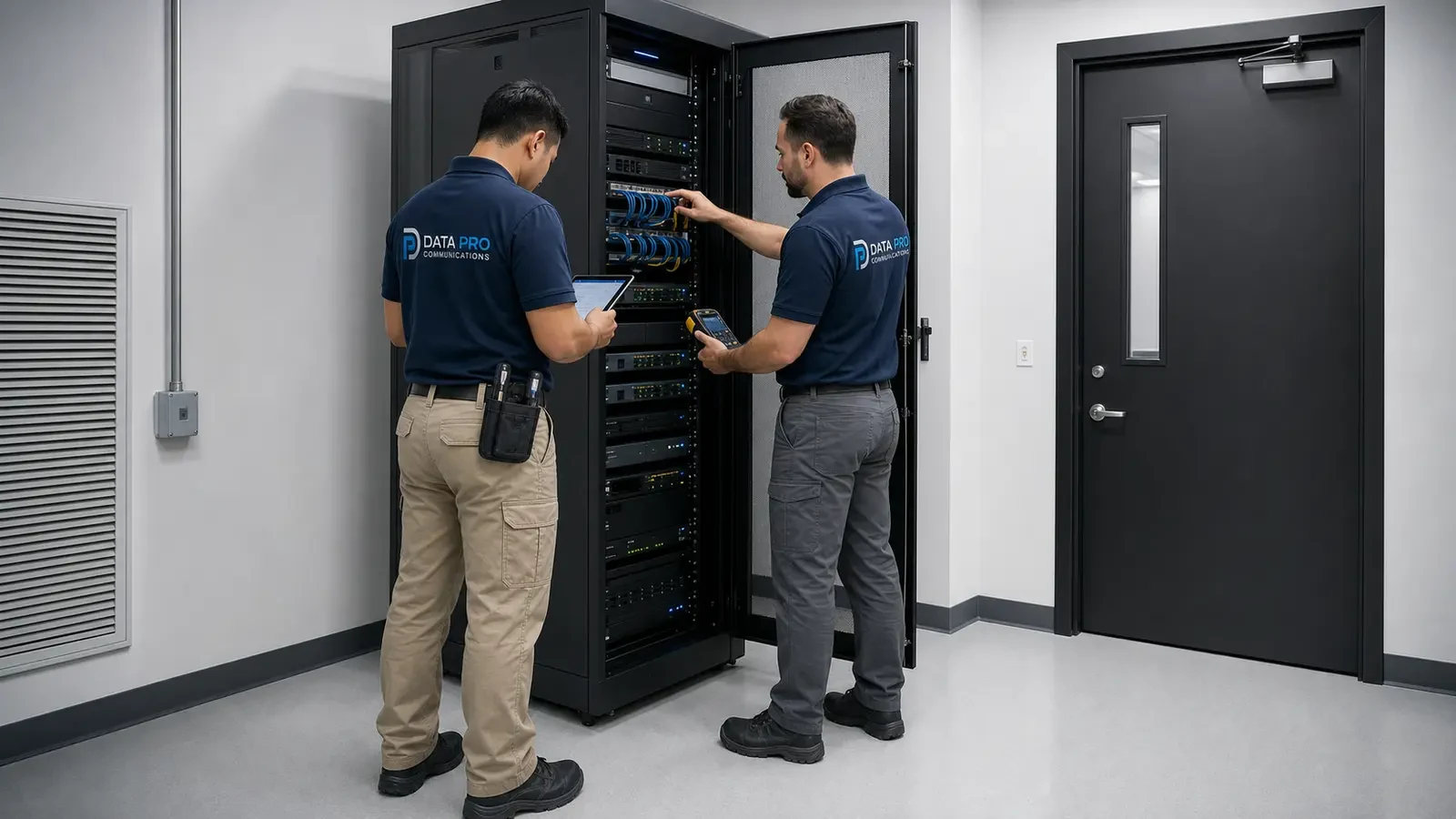
Confirm device locations, drop counts, serving rooms, pathways, construction conditions, ceiling access, distance, rack capacity, PoE needs, and operating constraints.
Select Cat6 or Cat6A, component ratings, panel and outlet details, test level, labels, documentation, pathway responsibilities, and phased work sequence.
Route supported cable, protect bend and pull conditions, terminate category-matched components, label both ends, and coordinate rack and work-area access.
Complete the contracted tests, correct installation faults within scope, compile identifiers and results, and deliver closeout records for operation and expansion.
LICENSED PROJECT SUPPORT
Data Pro Communications - West Orlando serves commercial properties from the West Orlando / Lakehurst Branch using the approved branch identity, 5950 Lakehurst Dr, #234, Orlando, FL 32819, (407) 994-3227, and FL License #EC13016138.
Performance depends on the complete designed and installed link, connected equipment, environment, and agreed test standard. License information identifies the provider; it does not guarantee application speed, universal pathway suitability, or compatibility with every device.
FAQ
Cat6 and Cat6A differ in construction, performance margin, diameter, pathway needs, and supported application conditions. Cat6A is often evaluated for higher-speed or long-service-life requirements, but the correct choice depends on distance, equipment, PoE, environment, pathway capacity, and budget.
The cable category does not make connected equipment operate faster by itself. Actual performance depends on switch and endpoint capabilities, link length, component quality, installation, configuration, and the application in use.
Yes, category-rated copper is commonly used for PoE endpoints when the complete design supports the device power demand. Switch power budget, conductor and component ratings, bundle conditions, temperature, length, and termination quality must be reviewed.
Copper Ethernet design follows applicable channel and permanent-link limits, including patching and work-area cords. The route must be measured from the serving room to the endpoint; longer, inter-building, or high-capacity paths may require fiber or a different architecture.
Possibly. The survey checks pathway size, fill, bends, access, condition, separation, firestopping responsibilities, and whether larger Cat6A cable can be installed without damaging the pathway or other services.
The proposal states whether the scope includes continuity, wiremap, qualification, or certification and whether the measured object is the permanent link or full channel. Results and corrective responsibilities follow that contracted definition.
Labels typically identify the serving room, rack or panel, port, cable, and work-area outlet using a consistent scheme. The closeout schedule uses the same identifiers so technicians can trace the link later.
Yes, when access, noise, dust, ceiling work, furniture, customer activity, and work hours are planned. Some pathways or endpoint locations may require after-hours work, phased areas, finish protection, or coordination with other trades.
Reuse requires evaluation of category, condition, route, length, labels, terminations, prior test evidence, and the new application. Cable that cannot be identified or shown suitable should not be assumed to support the intended service.
Cat6 & Cat6A Cabling owns horizontal copper Ethernet drops and their category-specific components, testing, labels, and endpoint applications. Structured Cabling owns the broader organized infrastructure, including pathways, racks, panels, MDF/IDF standards, copper/fiber coordination, and multi-system planning.
A category-rated link depends on the included cable, jacks, patch panels, cords, workmanship, and test definition. Mixing lower-rated or unsuitable components can reduce the performance classification of the complete channel.
Fiber is evaluated for building backbones, longer distances, inter-building links, electrical-environment concerns, very high capacity, or architectures where copper channel limits do not fit. Endpoint drops may still use copper from the local telecom room.
Useful inputs include floor plans, drop counts, endpoint types, serving-room locations, construction status, ceiling and conduit conditions, work hours, PoE devices, desired test evidence, and required completion dates. A site survey validates those inputs.
A properly designed generic copper outlet can support compatible Ethernet devices, but location, power, network configuration, patching, and equipment requirements still matter. Planning spare ports and pathways can make later changes easier.
Request a site survey with the property address, floor plans if available, endpoint count, device types, serving-room information, construction schedule, and performance goals. The survey establishes category, routes, terminations, testing, labels, and project sequencing.
Request a commercial cabling site survey for Cat6 or Cat6A drops in Lakehurst, International Drive, Doctor Phillips, west Orlando, or surrounding approved service areas. The resulting scope will align endpoints, pathways, category, terminations, PoE, testing, labels, and closeout documentation.