
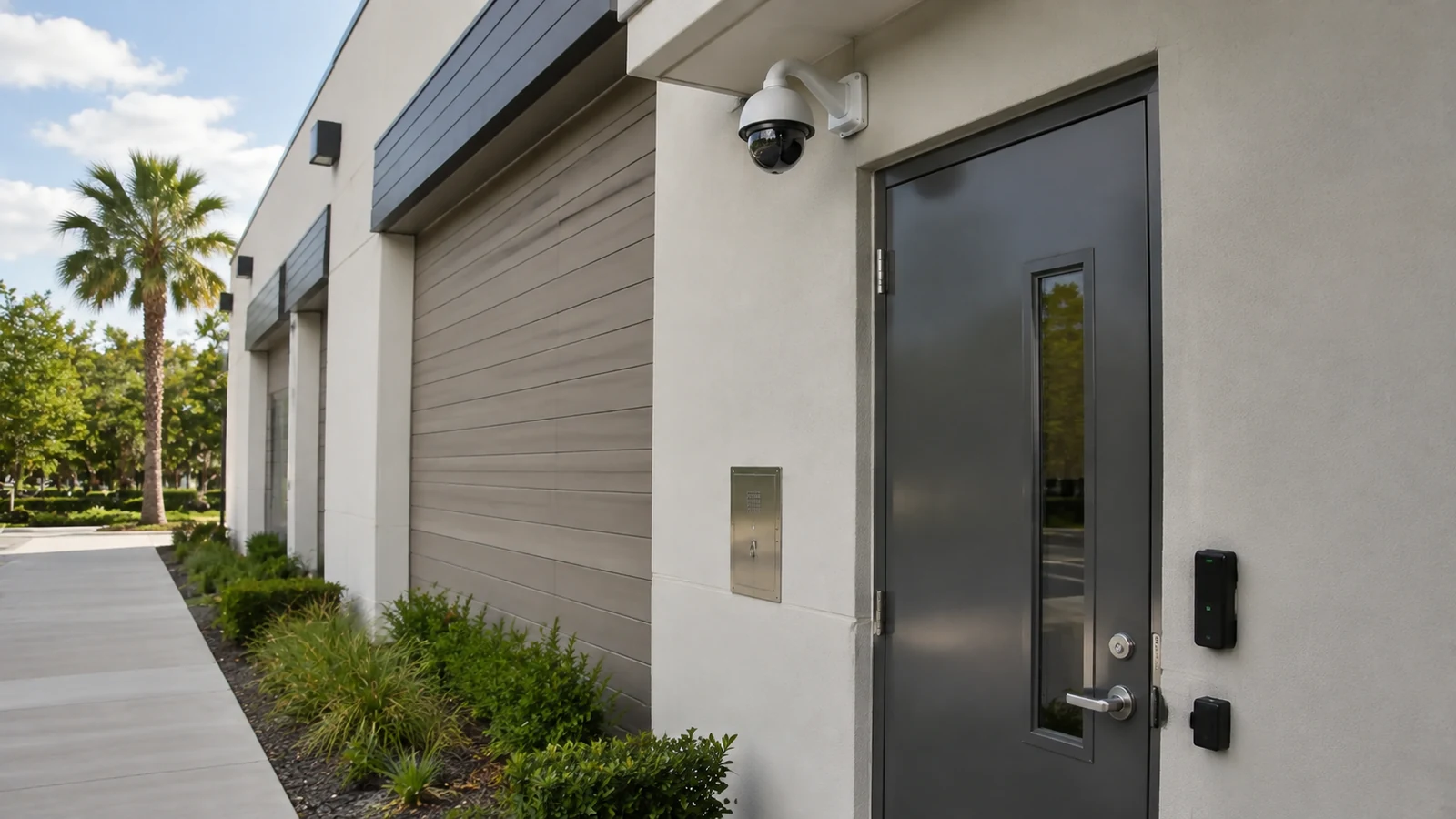
Opening-by-Opening Assessment
Readers, locks, contacts, REX, power, cabling, frames, and egress conditions are evaluated at each included door.
Door-specific access implementation for commercial properties
Door access control coordinates credentials, readers, controllers, locking hardware, door contacts, request-to-exit devices, power, cabling, schedules, permissions, and event records at the physical opening. Data Pro Communications plans individual and multi-door implementations for commercial properties in Orlando.
Every opening has different frame, hardware, egress, power, network, fire-alarm, and operating conditions. Reader or lock selection follows a door survey and coordination with the responsible hardware, electrical, fire, life-safety, and authority stakeholders; no locking method fits every door.
PROJECT PLANNING
A useful access plan starts at each opening: door and frame construction, handing, existing lockset, egress path, power route, cable path, credential workflow, schedule, network dependency, and integration goal. The site survey identifies coordination responsibilities before equipment is selected.
Readers, locks, contacts, REX, power, cabling, frames, and egress conditions are evaluated at each included door.
Card, fob, PIN, and supported mobile workflows are considered in the context of platform compatibility and administrative needs.
Electric strikes, maglocks where appropriate, locksets, closers, hinges, frames, and power-transfer needs are coordinated with responsible trades.
Door state, reader response, request-to-exit behavior, schedules, permissions, events, labels, and closeout records are tested within scope.
Commercial projects use the approved Data Pro Communications identity and FL License #EC13016138 without universal compliance or security claims.
SERVICE OVERVIEW
Door access control is the implementation layer at a controlled opening. The scope can include readers, credentials, controller and input/output relationships, electric locking, door-position contacts, request-to-exit devices, power supplies, low-voltage cabling, network dependencies, schedules, permissions, event logging, testing, documentation, and expansion planning.
The opening itself determines what is feasible. Door and frame construction, fire rating, egress requirements, existing hardware, weather exposure, accessibility, power-transfer method, cable pathway, and the sequence of operation all affect equipment selection. Door hardware, electrical, fire-alarm, and life-safety responsibilities are coordinated with the appropriate qualified parties and authorities.
This page is distinct from Access Control Systems, which owns broader platform architecture, controller strategy, credential administration, enterprise integrations, and system-wide planning. Door Access Control focuses on implementing and commissioning the physical opening within that larger architecture.
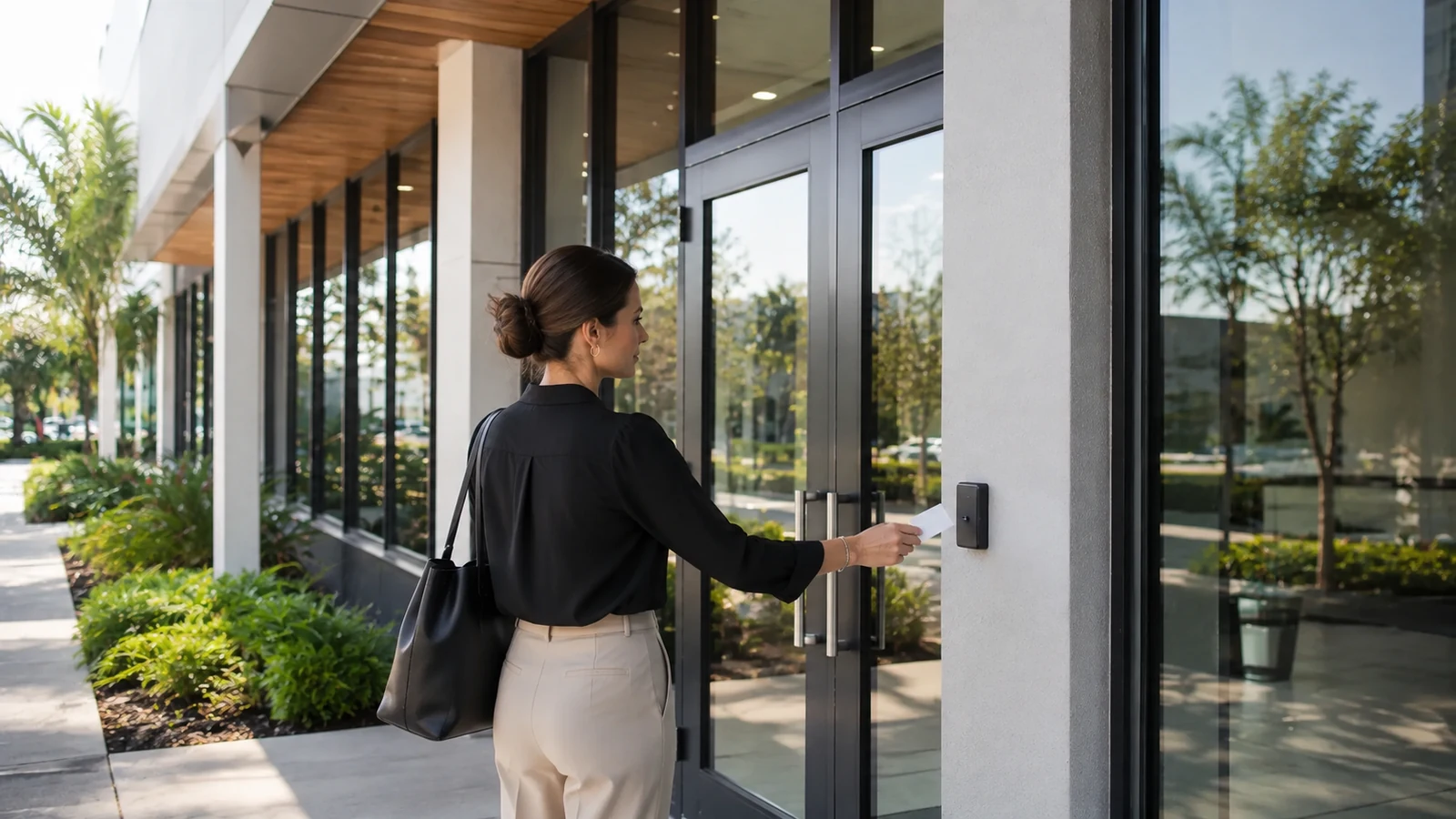
CORE CAPABILITIES
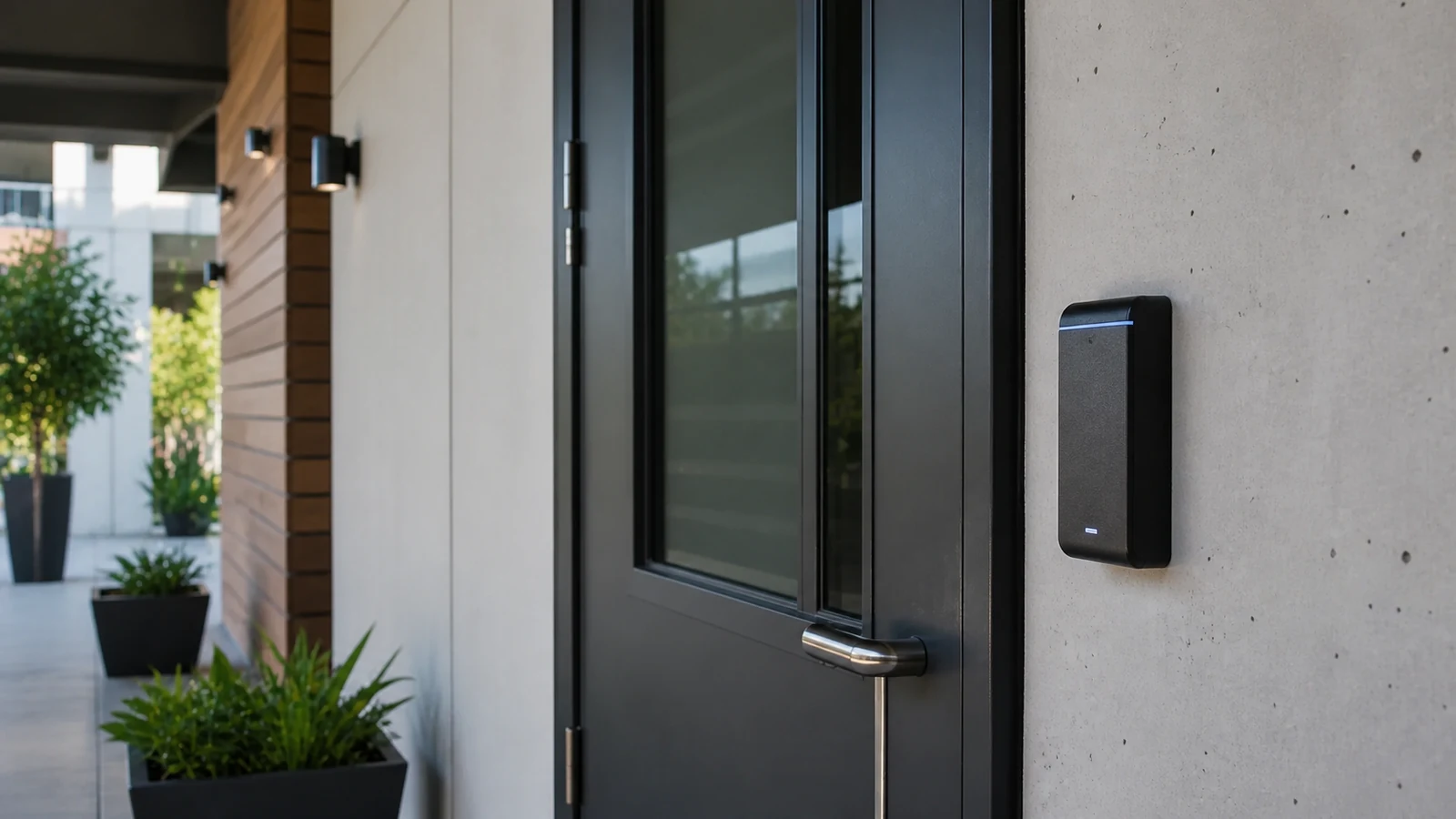
Document opening type, frame, handing, existing lockset, closer, hinges, fire-rating information where available, cable path, power path, egress hardware, and retrofit limitations.
Plan supported card, fob, PIN, or mobile credential readers with mounting, accessibility, platform compatibility, permissions, enrollment, and user-administration needs.
Coordinate electric strikes, electrified locksets, or maglocks where appropriate with the door, frame, egress sequence, power, hardware responsibility, and applicable review.
Place door-position monitoring and supported REX devices to provide the required door state, exit request, held-open, forced-open, and sequence inputs.
Coordinate controller capacity, input/output points, power supplies, battery or backup strategy where specified, network connectivity, cable types, pathways, and panel locations.
Test credential response, unlock and relock sequence, door state, REX, schedules, permissions, event records, integrations, labels, and closeout documentation within the approved scope.
COMMERCIAL USE CASES
Control employee, tenant, executive, records, IT, and after-hours openings with role-based permissions and practical administrative workflows.
Coordinate staff entries, storage, loading, operations, engineering, and restricted rooms while accounting for shifts, vendors, and guest-facing operations.
Manage staff and stock-area access with schedules, events, camera context, and minimal disruption to customer operations.
Apply building, tenant, management, vendor, and time-based permissions across shared entries and selected interior openings.
Coordinate staff, patient, records, medication, laboratory, and restricted-room workflows without making unsupported compliance claims.
Plan controller, power, network, enclosure, credential, and licensing capacity so later doors can be added through an intentional sequence.
TECHNICAL PLANNING
Access-control software cannot compensate for an unsuitable opening or incomplete sequence. Each door requires coordinated mechanical, electrical, low-voltage, egress, network, and administrative decisions.
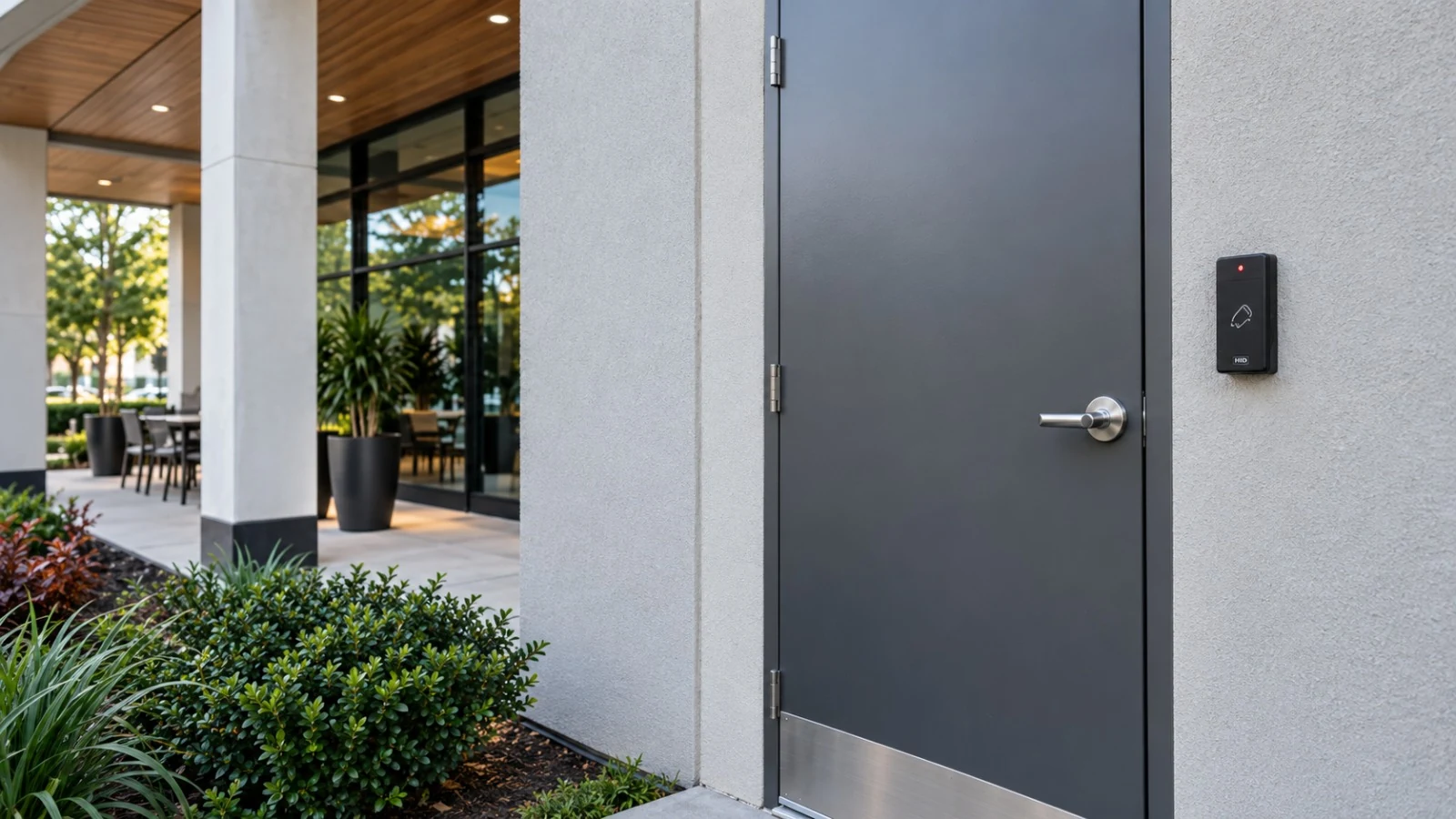
Material, handing, fire-rating information, lockset, closer, panic hardware, hinge condition, alignment, weather exposure, and available mounting space affect reader and lock choices.
Lock behavior during power loss and emergency conditions follows the approved sequence, hardware, occupancy, and responsible code review. The page does not represent one behavior as correct for every opening.
Readers, locks, contacts, REX, controllers, power supplies, network links, and enclosures require planned pathways, voltage-drop considerations, equipment access, and responsible power sources.
Credential groups, administrators, schedules, event review, lost credentials, vendor access, holidays, and change procedures need named business ownership before commissioning is complete.
CONNECTED SYSTEMS
Door implementation can exchange events and workflows with access platforms, cameras, intercoms, networks, and identity systems when supported. Integration is defined by actual products, licenses, interfaces, and the approved sequence.
Door controllers, inputs, outputs, credentials, permissions, schedules, and events connect to the broader platform defined by Access Control Systems planning.
Supported integrations can associate door events with video or visitor communication, but camera coverage, recording, intercom call flow, and release logic remain separately designed functions.
Controllers, gateways, supported mobile credentials, directory connections, and remote administration may depend on network segmentation, addressing, cybersecurity policy, licensing, and identity ownership.
ORLANDO SERVICE CONTEXT
Commercial properties around Lakehurst, International Drive, Sand Lake Road, Doctor Phillips, the Convention Center area, and west Orlando include hotels, venues, retail, restaurants, offices, professional suites, and mixed-use properties with varied entry patterns. Staff shifts, vendors, deliveries, tenants, guests, restricted rooms, and after-hours operations create different permission and scheduling requirements.
Retrofit conditions also vary. Some openings have compatible frames and pathways; others require hardware review, door work, power coordination, finish protection, or staged access. A site survey keeps equipment choices tied to the actual opening rather than assuming every door can accept the same locking method.
Data Pro Communications provides project service using the approved West Orlando / Lakehurst Branch identity. Service-area language describes project coverage and does not imply an office at every property location.
RELATED SERVICES
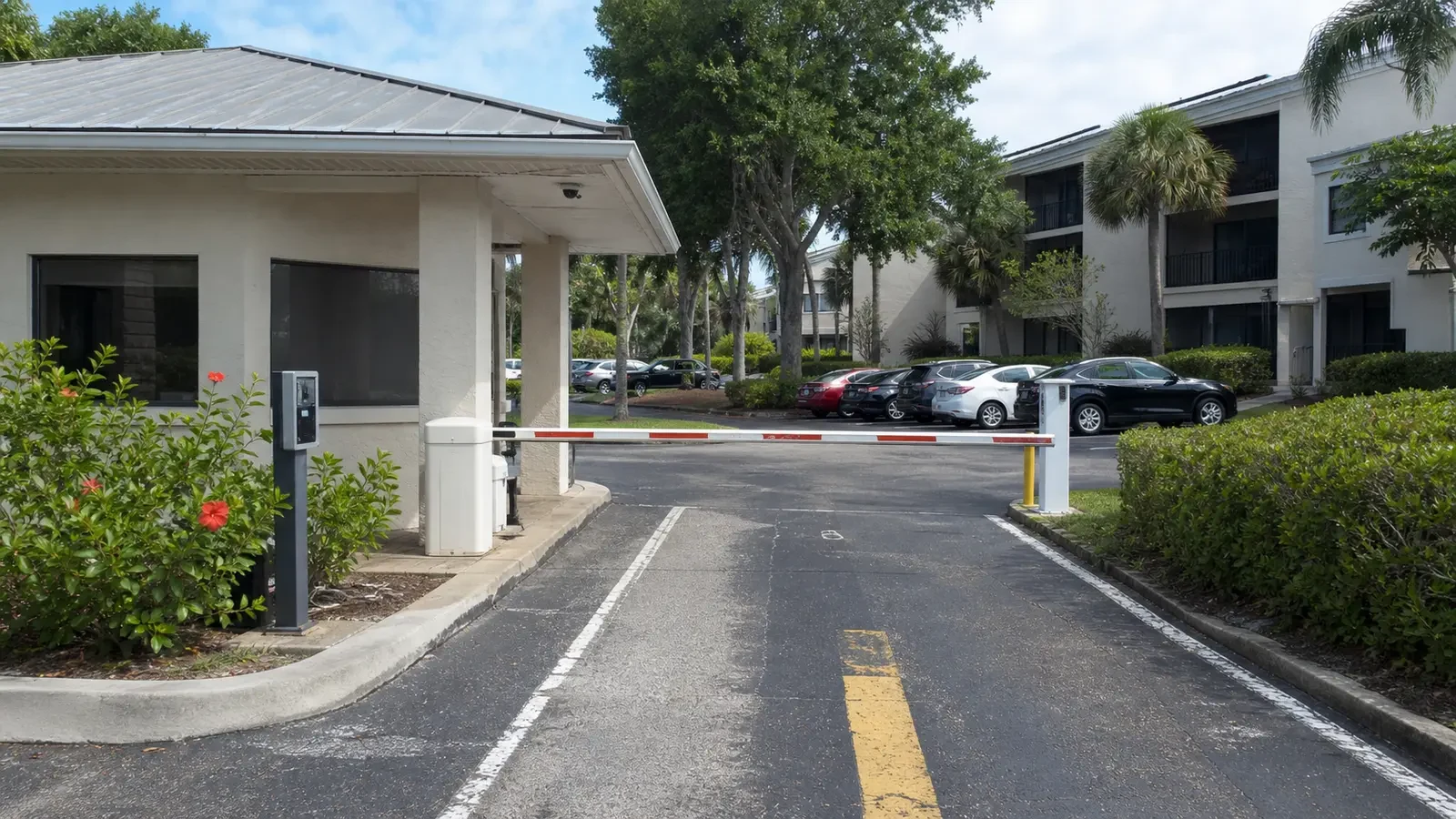
Use the broader Access Control Systems service for controller architecture, platform selection, credential administration, permissions, enterprise integrations, and system-wide planning.

Use Intercom Systems for visitor communication, call routing, station placement, audio/video interaction, and supported entry-release workflows.
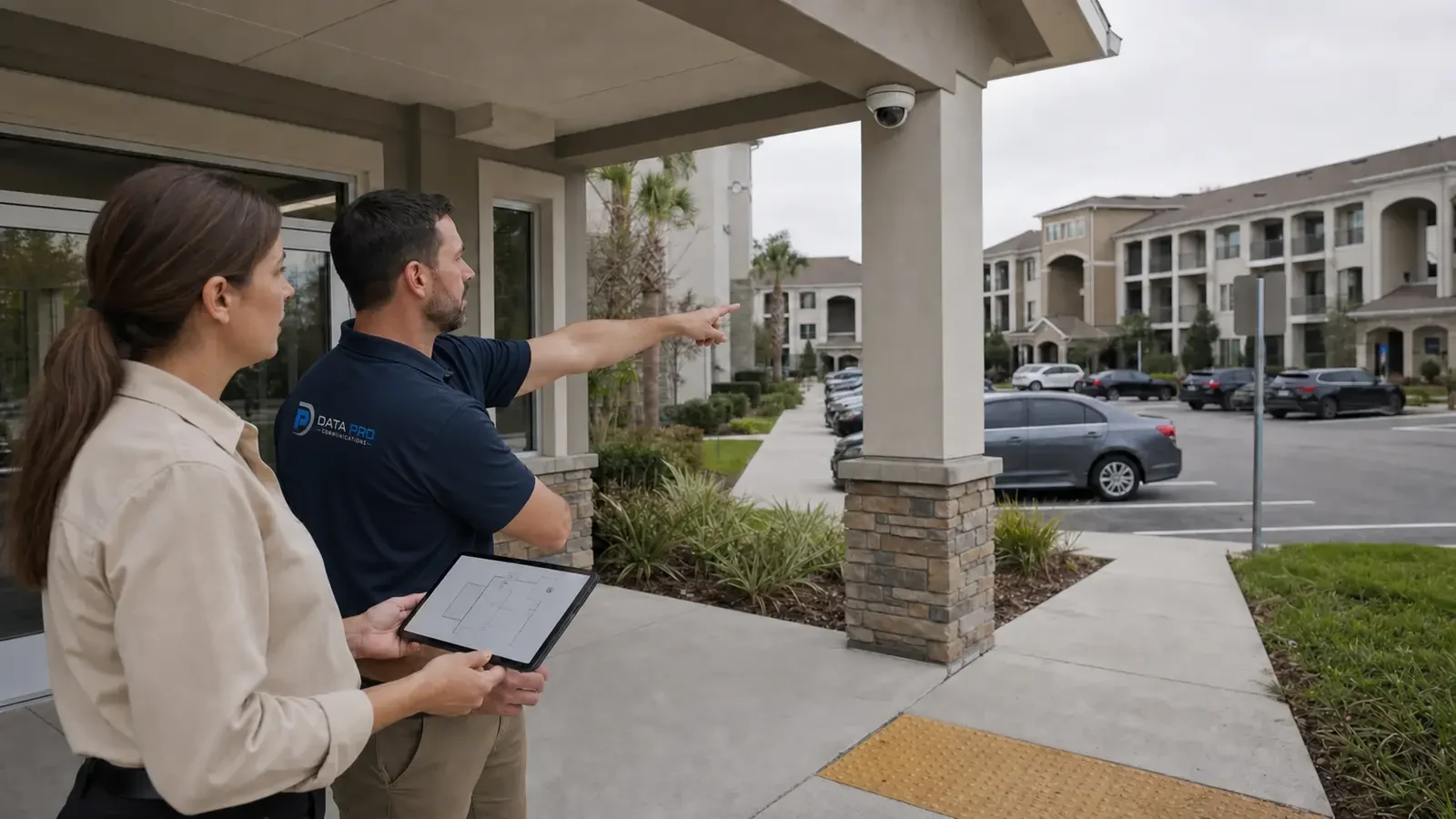
Use camera services for entry views, event context, recording, coverage design, retention, and video-system commissioning.
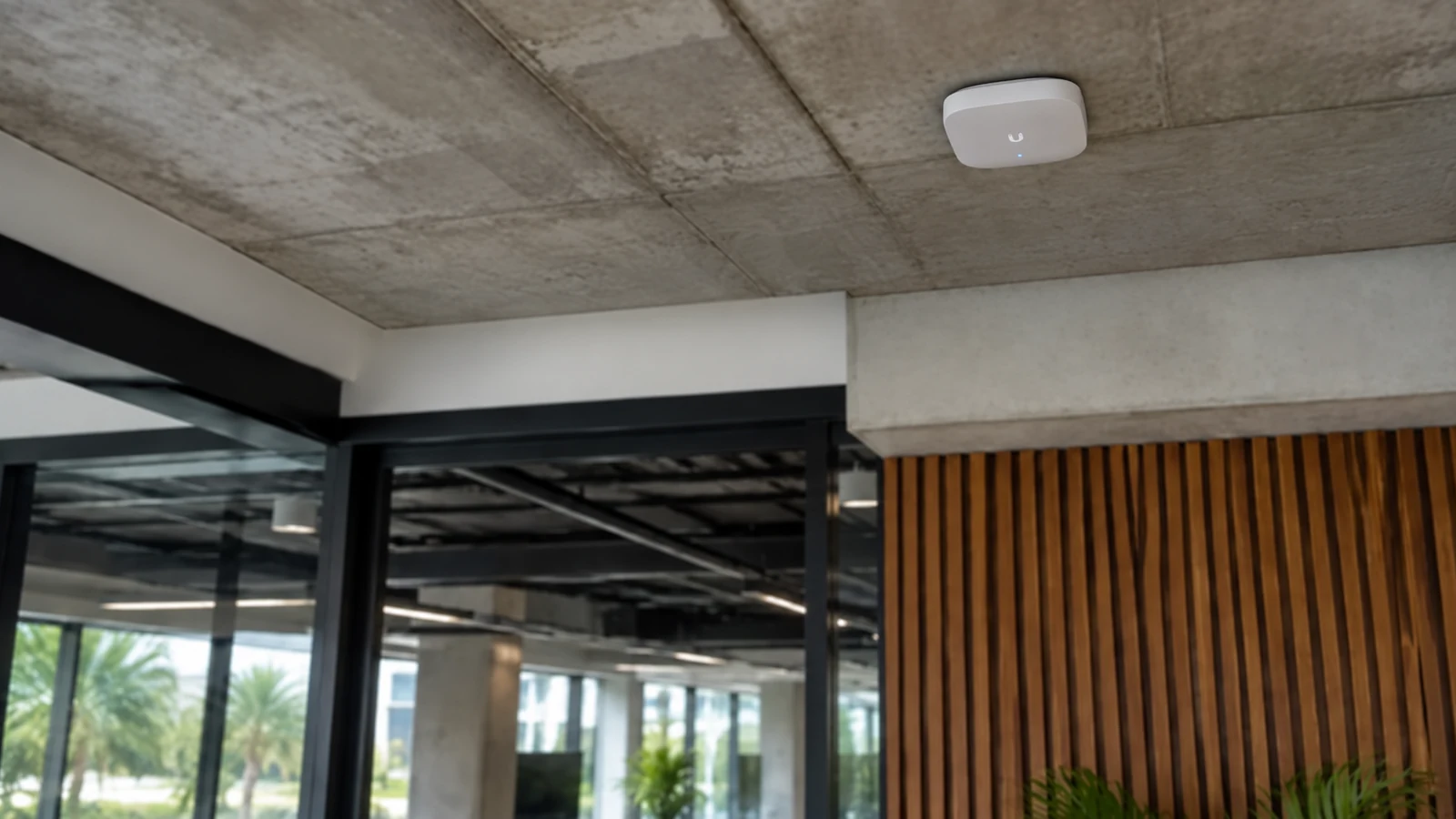
Use network services for controller connectivity, segmentation, addressing, uplinks, remote administration dependencies, and connected equipment planning.
INDUSTRIES SERVED
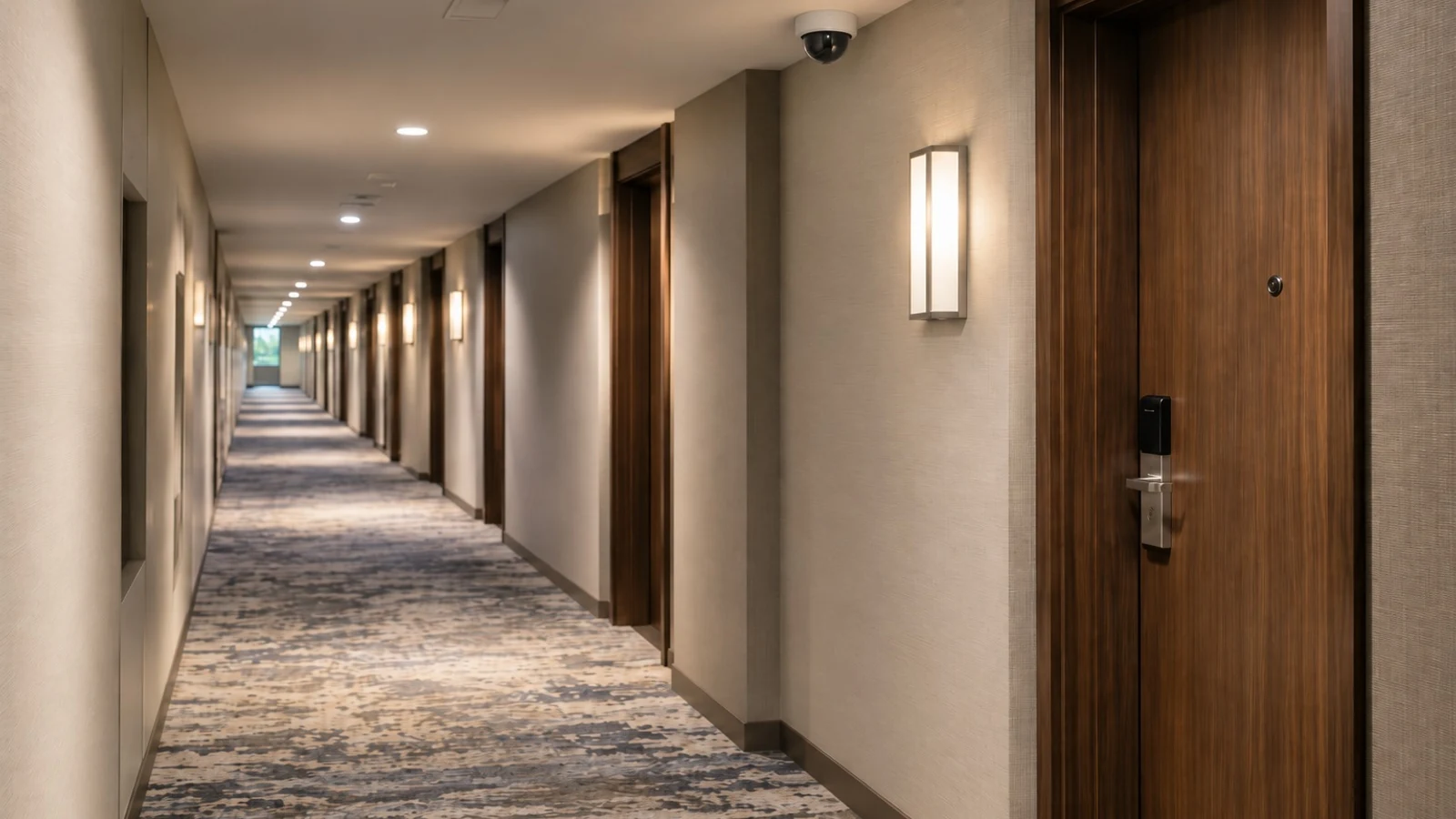
Hotels, venues, attractions, and restaurants coordinate staff, vendor, operations, storage, engineering, and restricted-area access around active guest environments.
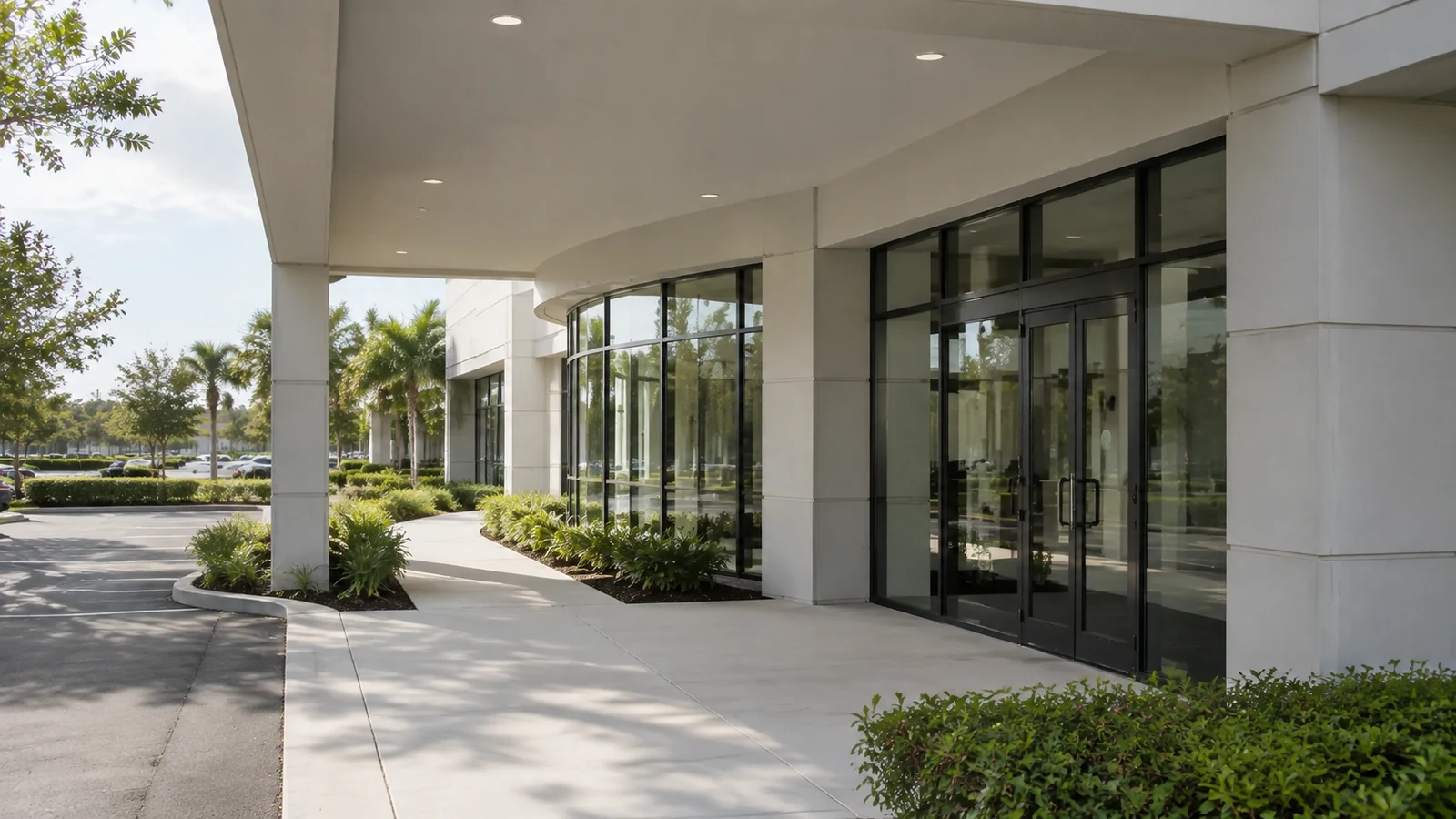
Offices and clinics manage staff, patient, records, IT, laboratory, medication, and after-hours openings through role-specific workflows.
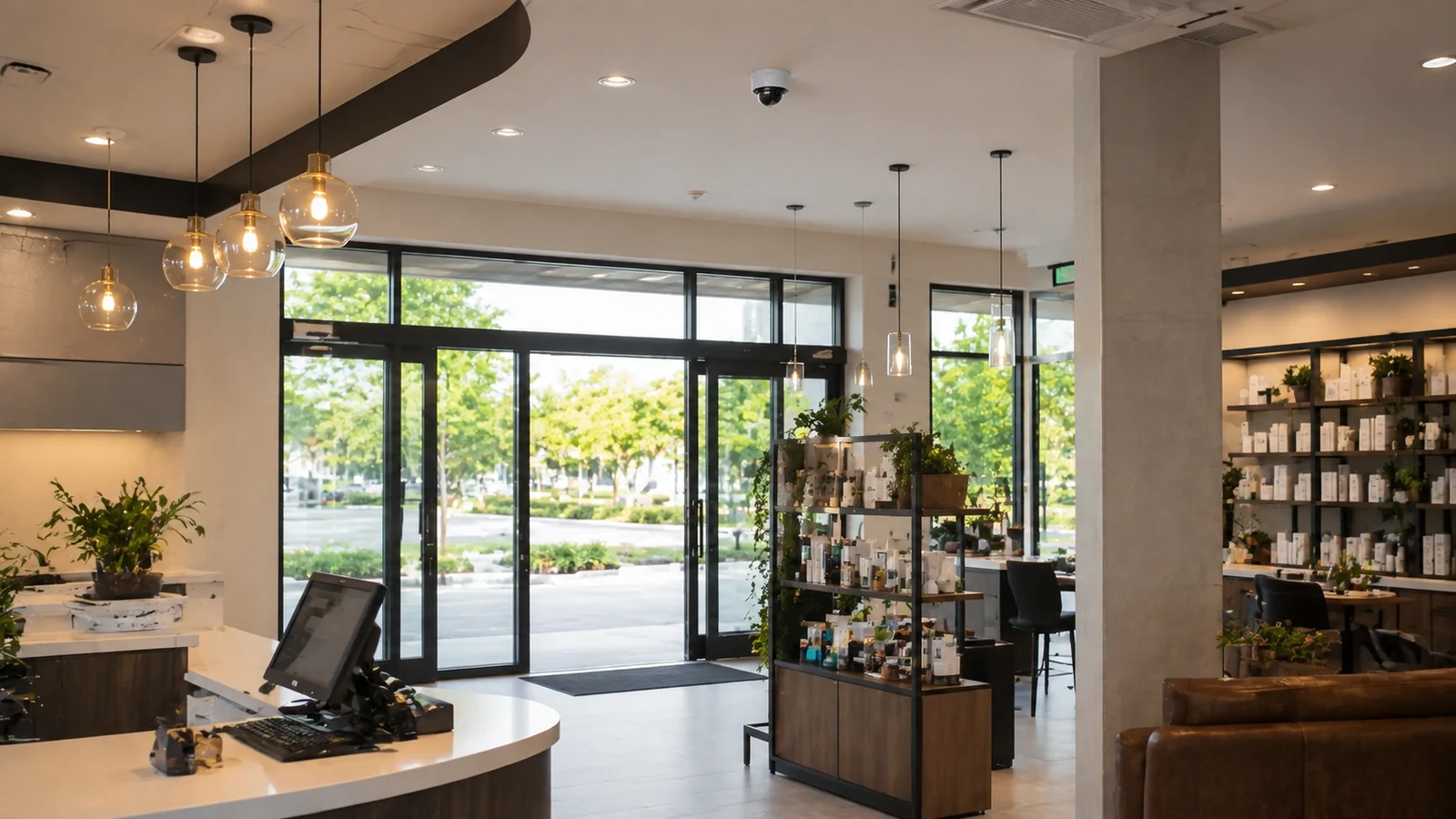
Retail properties coordinate storefront, stockroom, office, delivery, and staff-only openings with schedules and event visibility.
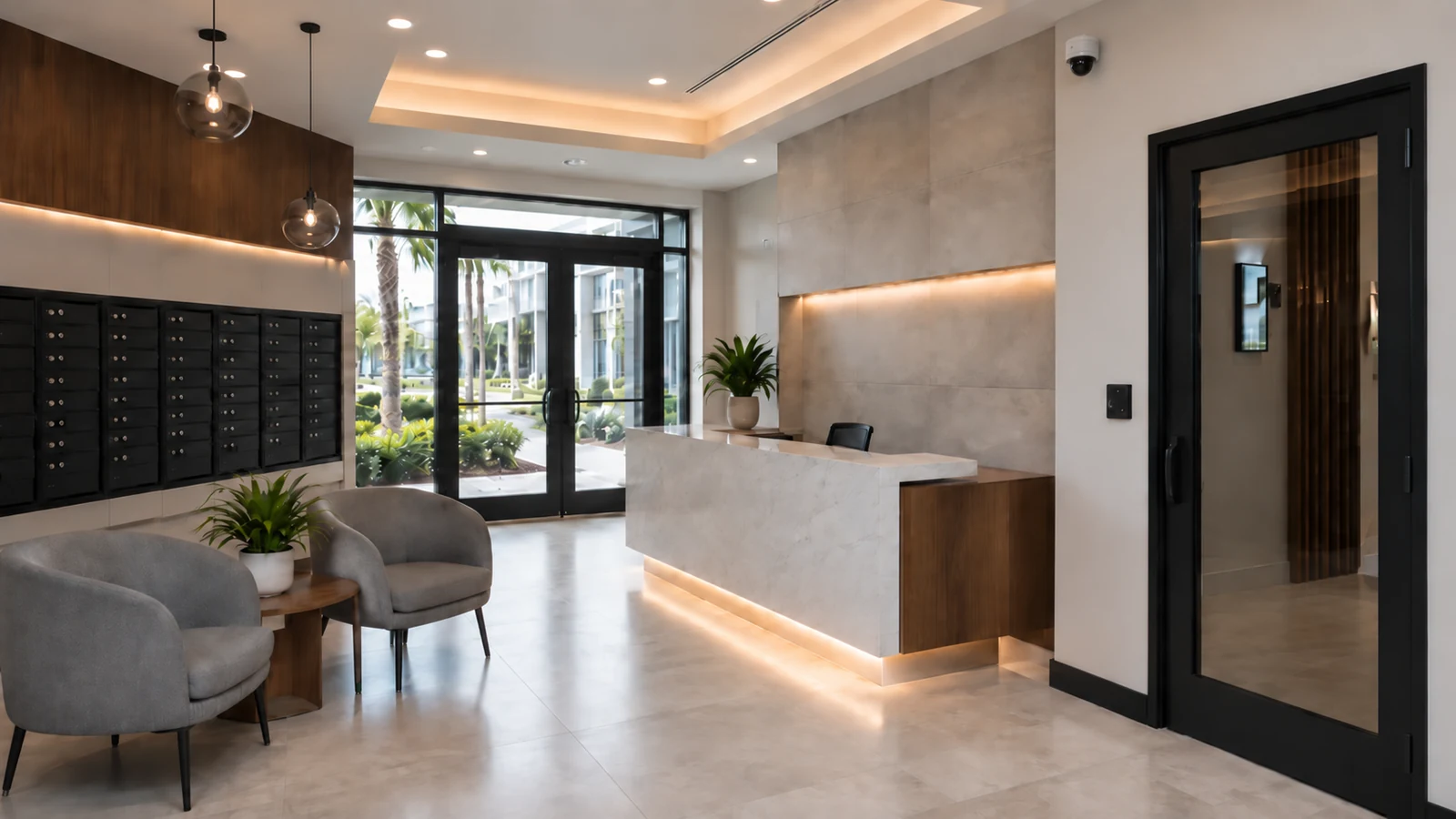
Communities and management teams coordinate common entries, amenities, offices, service areas, staff, residents, vendors, and phased expansion.
PROJECT PROCESS
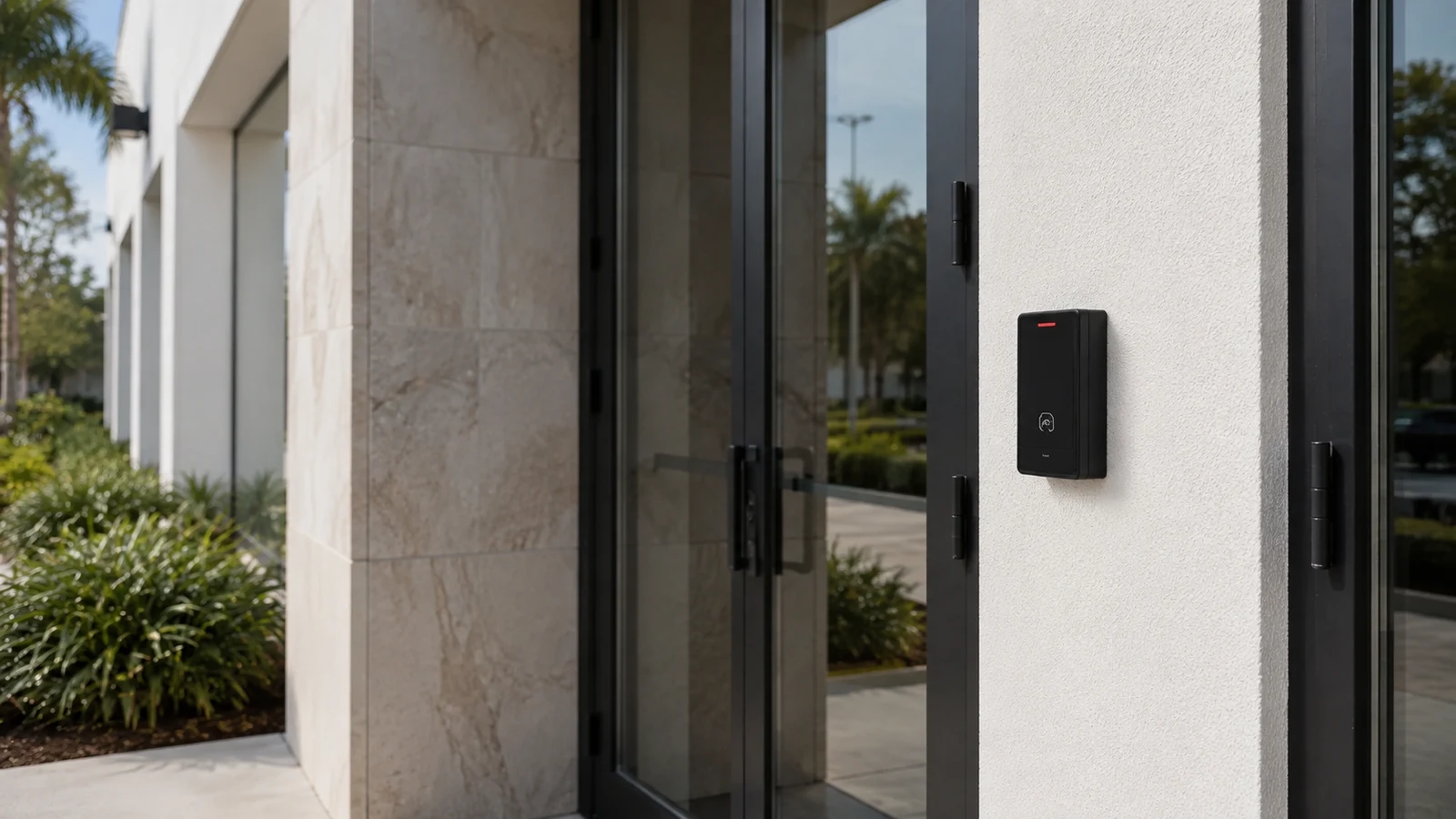
Document door and frame conditions, hardware, egress, power and cable paths, credential workflow, schedules, network dependencies, integrations, and responsible stakeholders.
Select supported reader, lock, contact, REX, controller, power, and cabling requirements and document coordination with hardware, electrical, fire, and authority responsibilities.
Complete the approved low-voltage work, coordinate opening hardware and power tasks, label field wiring, and protect property operations during staged implementation.
Test credentials, permissions, schedules, unlock and relock behavior, door state, REX, events, supported integrations, exceptions, and closeout records.
LICENSED PROJECT SUPPORT
Data Pro Communications - West Orlando serves commercial properties from the West Orlando / Lakehurst Branch using the approved branch identity, 5950 Lakehurst Dr, #234, Orlando, FL 32819, (407) 994-3227, and FL License #EC13016138.
Access control can support managed entry and event visibility, but no system guarantees security or universal regulatory compliance. Final suitability depends on the opening, hardware, approved sequence, installation, administration, maintenance, and applicable review by responsible authorities and qualified parties.
FAQ
Supported options may include cards, fobs, PINs, and mobile credentials when the selected platform, reader, licensing, phone environment, and administrative workflow support them. The best choice depends on users, enrollment, replacement, security policy, and operating conditions.
An electric strike releases at the frame while retaining a compatible mechanical lockset; a maglock uses electromagnetic holding force at the door and frame. Door construction, egress, fire and life-safety requirements, power-loss behavior, hardware, and authority review determine suitability.
Many openings can be retrofitted, but the survey must evaluate the door, frame, handing, lockset, closer, panic hardware, fire-rating information, cable pathway, power, alignment, and finish. Some doors require hardware or frame work by the responsible qualified trade.
Yes, supported systems can apply schedules, holidays, door modes, and user-group permissions. The property must define who administers changes, how exceptions are approved, and how after-hours access is handled.
Depending on the platform and connected devices, events may include credential accepted or denied, door opened, door forced, door held, REX activity, controller communication, and administrative changes. Event availability depends on hardware, configuration, licensing, and retention settings.
Mobile credentials may be available when supported by the reader, platform, licensing, smartphone environment, identity workflow, and property policy. They are not assumed compatible with every existing reader or access platform.
A request-to-exit device signals an authorized exit action or presence so the system can manage the door sequence and event record. The correct device and sequence depend on the opening, lock, egress hardware, occupancy, and approved design.
Door-position contacts tell the system whether the opening is closed or open. They support forced-open, held-open, timing, alarm, and event workflows when properly installed, aligned, connected, and configured.
Supported integrations can associate access events with video or visitor calls and may support approved entry-release workflows. Product compatibility, licensing, network design, cybersecurity policy, and the exact operating sequence must be verified.
Yes, when controller capacity, power, enclosures, network, licensing, credential administration, and panel locations are planned for growth. An initial small project should document which elements can support later phases and which would need expansion.
The decision follows the opening, lock type, occupancy, egress path, fire-alarm relationship, power-loss sequence, hardware, and applicable review. One behavior is not appropriate for every door, and the final sequence requires coordination with responsible parties.
Responsibility is defined in the project scope. Low-voltage access work may require coordination with locksmith, door-hardware, electrical, fire-alarm, general-contractor, or other qualified responsibilities depending on the opening and selected equipment.
No. Access control is one layer that can manage credentials, door behavior, and event visibility. Security also depends on doors, frames, hardware, policies, administrators, user behavior, monitoring, maintenance, network security, and response procedures.
Useful information includes door count, photographs, floor plans, existing hardware, user groups, schedules, credential preferences, event needs, current platform, camera or intercom goals, power and network locations, operating hours, and construction plans.
Request a site survey so each opening, hardware set, pathway, power source, credential workflow, controller relationship, integration, and operating constraint can be documented. The resulting scope identifies included work and required coordination.
Request a door access survey for a commercial property in Lakehurst, International Drive, Doctor Phillips, west Orlando, or surrounding approved service areas. The survey will document each opening, operating workflow, hardware coordination, cabling, power, network, commissioning, and expansion needs.