
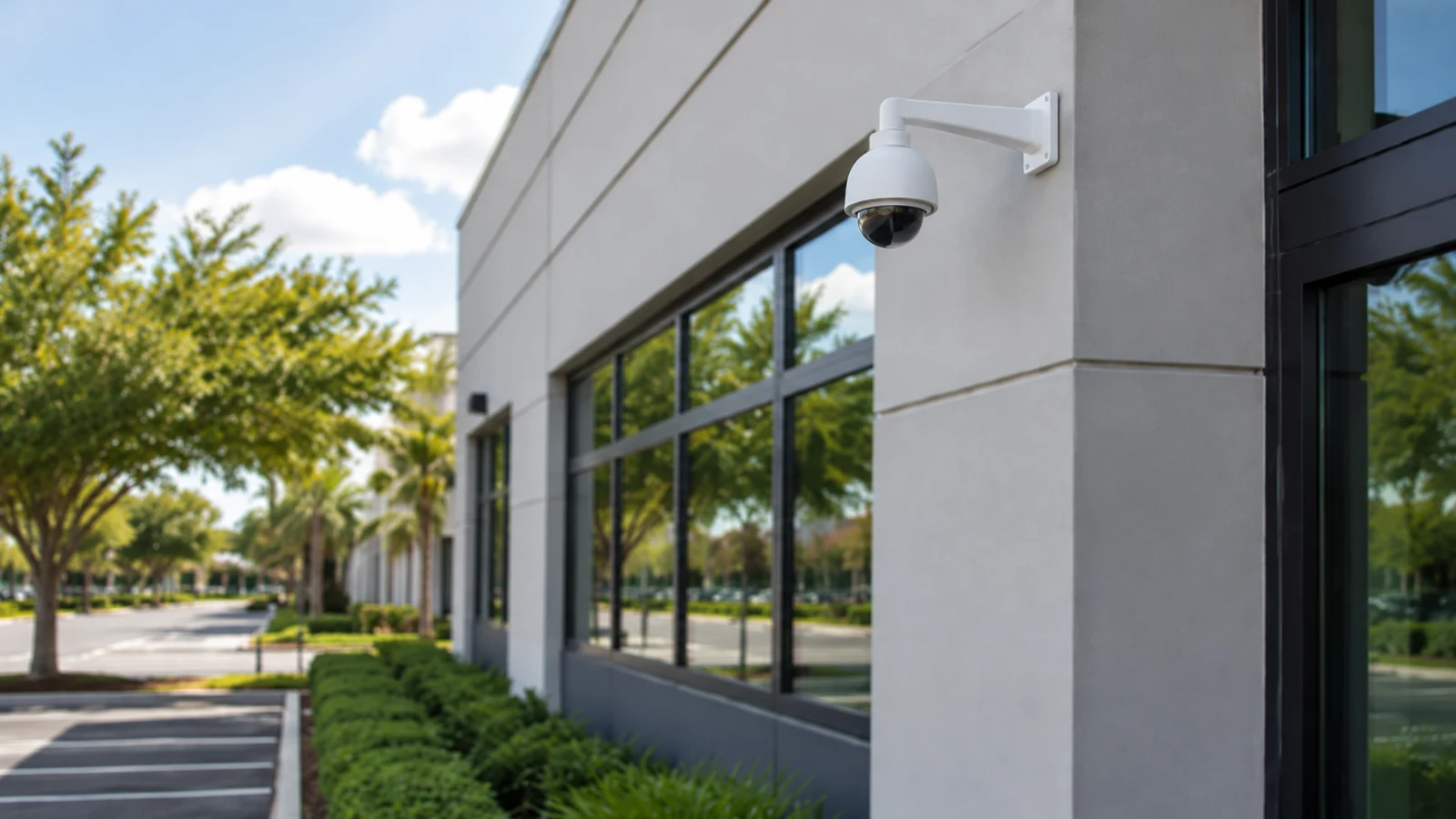
Answer-First Guides
Each article begins with a direct explanation.
COMMERCIAL SECURITY AND LOW-VOLTAGE PLANNING
Use this Resource Center to understand technical choices, tradeoffs, common mistakes and questions to ask before a camera or infrastructure project is scoped.
Use this hub to choose the next useful service or educational path, then confirm property-specific requirements before implementation.
Each article begins with a direct explanation.
Guides name geometry, lighting, distance, power, network and workflow factors.
Articles state what equipment cannot guarantee.
Examples focus on managed properties and project teams.
A survey is recommended when field conditions control the answer.
PROJECT DETAILS
The Resource Center separates educational questions from commercial service scope. Articles explain the variables behind a decision so owners, managers, IT teams and contractors can prepare useful information before a site survey.
PROJECT DETAILS
Housing, lens, resolution, placement and useful detail.
Lane geometry, exposure, illumination and capture limitations.
Operator dependency, presets, movement and fixed-camera supplementation.
Distance, pathways, testing, strands and future capacity.
Depth, PoE, power, thermal load, patching and documentation.
PROJECT DETAILS
A topic-specific guide with practical criteria, limitations, common mistakes and questions for commercial planning.
A topic-specific guide with practical criteria, limitations, common mistakes and questions for commercial planning.
A topic-specific guide with practical criteria, limitations, common mistakes and questions for commercial planning.
A topic-specific guide with practical criteria, limitations, common mistakes and questions for commercial planning.
A topic-specific guide with practical criteria, limitations, common mistakes and questions for commercial planning.
A topic-specific guide with practical criteria, limitations, common mistakes and questions for commercial planning.
A topic-specific guide with practical criteria, limitations, common mistakes and questions for commercial planning.
A topic-specific guide with practical criteria, limitations, common mistakes and questions for commercial planning.
A topic-specific guide with practical criteria, limitations, common mistakes and questions for commercial planning.
A topic-specific guide with practical criteria, limitations, common mistakes and questions for commercial planning.
PROJECT DETAILS
Start with the question the property must answer.
Note areas, distances, lighting, networks, users and schedules.
Evaluate options against the same practical criteria.
Use a site survey when the answer depends on property conditions.
ORLANDO SERVICE CONTEXT
Hospitality, offices, healthcare, retail, warehouses, managed communities and construction sites place different demands on cameras and infrastructure. The articles provide a common technical vocabulary while the field survey resolves the actual property.
RELATED SERVICES
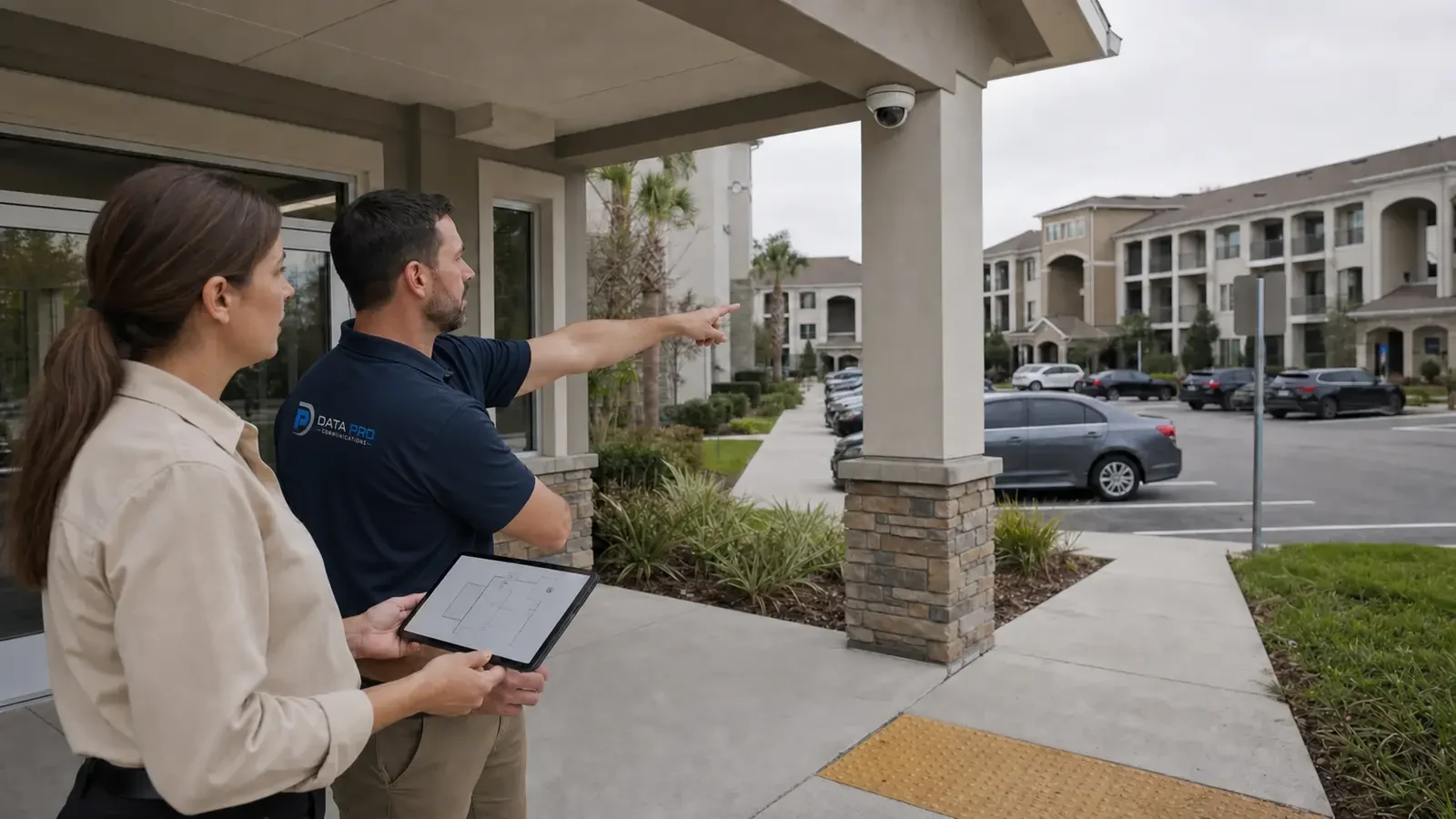
Camera views and recording.

Copper pathways, labels and tests.

PoE, switching and segmentation.
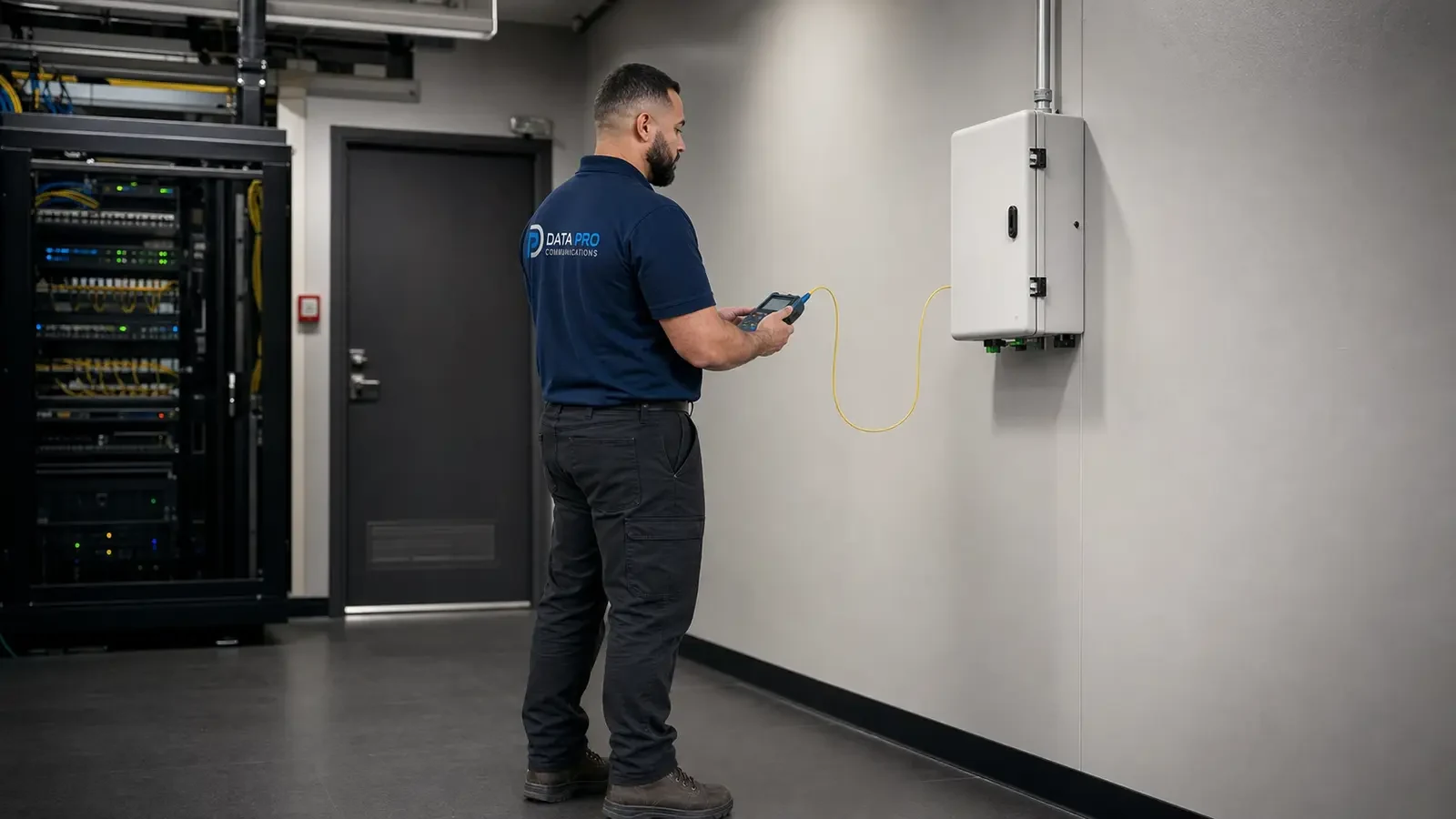
Backbone and building links.

Choose the correct camera project path.
FAQ
The Resource Center explains camera selection, installer evaluation, plate capture, PTZ behavior, resolution, office and healthcare planning, structured cabling, network racks and fiber infrastructure.
No. The articles explain decision variables and limitations. A site survey applies those principles to the property's layout, lighting, pathways, network, users and operating constraints.
Use them to identify the scene, detail, mounting, lighting, visibility, service and workflow questions that must be answered before comparing equipment.
The License Plate Recognition Cameras guide explains lane geometry, angle, illumination, shutter behavior, vehicle speed and why overview cameras may not provide usable plates.
The camera resolution and network rack resources explain how resolution, compression, bitrate, PoE, switching, UPS and recording choices affect infrastructure.
Read it when connecting separate buildings, planning long pathways, increasing backbone capacity or comparing single-mode and multimode design contexts.
It provides useful planning questions, but tenant boundaries, shared areas, network ownership and access windows still require property-specific confirmation.
It avoids prescribing privacy or clinical policy. It focuses on authorized public, staff, service and restricted transitions plus facilities, IT and occupied-facility coordination.
The articles avoid unsupported manufacturer-specific claims. Equipment is evaluated only after property requirements, platform support and technical dependencies are known.
Yes. The guides help owners, managers, IT teams and contractors prepare questions, plans, existing-system information, constraints and acceptance criteria.
No. They explain planning factors and limitations; systems do not guarantee prevention, identification, uptime or a particular result.
Choose the relevant service, gather property details and request a site survey when the decision depends on field conditions or coordinated design.
Bring the property address, operating concerns, current-system details, network contacts and project timing.